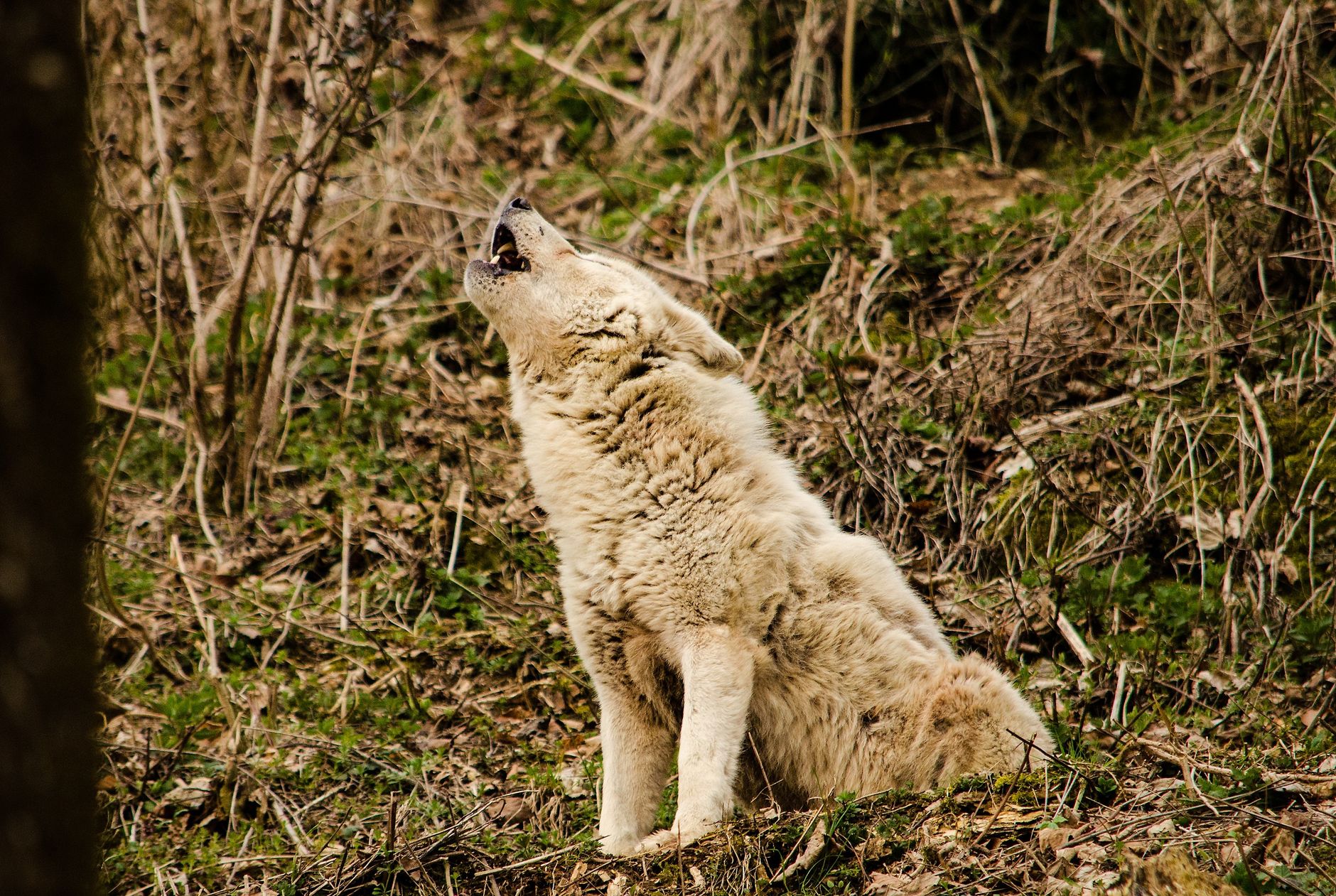
Ever been jolted awake by a chorus of howls that sounds like it’s right in your backyard? It’s a primal sound that can send a shiver down your spine, but before you imagine a pack circling your home, take a breath. As someone who has spent years living on the edge of wooded habitats and studying canine behavior, I’ve learned that a wolf’s howl is rarely a threat signal directed at humans. In fact, that eerie music is often just the neighborhood pack’s version of a group chat, coordinating a hunt or simply saying, “We’re over here!” The key is understanding the context—time of year, time of day, and your specific location can tell you exactly what those howls likely mean. This guide will decode the sounds, explain wolf behavior, and give you practical steps to ensure your family and pets stay safe, turning a moment of fear into one of fascination.
8 min read
In This Article
- Decoding the Howl: Communication, Not Aggression
- Assessing Your Actual Risk: When to Be Concerned
- Protecting Your Pets and Livestock: Practical Deterrence
- What to Do (and Not Do) If You Encounter a Wolf
- The Role of Season and Territory
- Documenting and Reporting Sightings
- Coexisting with Apex Predators
Key Takeaways
- Decoding the Howl: Communication, Not Aggression
- Assessing Your Actual Risk: When to Be Concerned
- Protecting Your Pets and Livestock: Practical Deterrence
- What to Do (and Not Do) If You Encounter a Wolf
Decoding the Howl: Communication, Not Aggression
The first thing to understand is that wolves howl for each other, not for us. Dr. L. David Mech, a leading wolf biologist, has documented that howling functions primarily for pack cohesion, territory marking, and long-distance coordination. When I’ve observed recordings from wildlife cameras in Minnesota’s Superior National Forest, the vast majority of howls occurred when the pack was reuniting after a hunt or warning rival packs to stay away from their turf. A lone, drawn-out howl is often a wolf separated from its pack, trying to locate its family members. The rapid, excited chorus you might hear is typically the whole pack together, either celebrating a successful kill or initiating a new hunt. It’s a complex language of social bonding, and interpreting it correctly is the first step toward coexisting peacefully.
Timing is a huge clue. Wolves are most active at dawn and dusk, so hearing howls during these crepuscular hours is completely normal behavior. If you hear howling in the middle of the night during the winter months, it’s likely related to the breeding season (January to March), when packs are more vocal as they establish mating pairs and defend territories. A sudden burst of howling followed by barking could indicate they’ve encountered something unusual, like a bear or a moose, not necessarily a human. Understanding these patterns helps you assess the situation realistically instead of defaulting to panic.
Understanding these patterns helps you assess the situation realistically instead of defaulting to panic.
Assessing Your Actual Risk: When to Be Concerned
Let’s be blunt: healthy, wild wolves pose an extremely low risk to humans. According to data compiled by the Alaska Department of Fish and Game, there have been fewer than 10 documented fatal wolf attacks on humans in North America in the past century. In contrast, dogs are responsible for an average of 30-50 human fatalities in the U.S. each year. The real risk isn’t to you, but to your unsupervised pets. Wolves view dogs as competitors or prey, and leaving a small dog like a Chihuahua or even a mid-sized breed like a Border Collie unattended in a yard near wolf territory is a serious gamble.
You should become concerned if the howling is consistently very close to your home, especially during the day, which is unnatural behavior for a wary wolf. Another red flag is if a wolf shows no fear—approaching buildings, lingering in yards, or observing people without fleeing. This behavior is highly abnormal and could indicate a sick animal (like one with rabies) or a habituated wolf that has lost its natural fear of humans, often due to intentional or unintentional feeding. In these rare cases, the correct response is to contact your state’s wildlife agency immediately, not to attempt to handle the situation yourself.
Protecting Your Pets and Livestock: Practical Deterrence
If wolves are in the area, your pets become the primary concern. I learned this the hard way years ago when a neighbor’s free-roaming Labrador retriever went missing after a series of wolf howls were heard nearby. The most effective protection is physical containment. For dogs, this means supervised potty breaks only and secure housing at night. A kennel run isn’t sufficient unless it’s fortified.
- Secure Kennels: A basic chain-link kennel won’t cut it. You need a heavy-duty option like the Tractor Supply Co. 10-ft x 10-ft x 6-ft Welded Wire Kennel (around $700), which has a 2″ x 4″ mesh pattern that prevents wolves from reaching through. For ultimate security, a kennel with a reinforced roof or concrete floor is best, as wolves can and will dig.
- Livestock Guardians: For livestock like goats or chickens, a proper fence is non-negotiable. The Premier 1 Supplies Electric Netting system (about $250 for a 164-foot roll) delivers a potent shock that effectively deters predators. Pairing this with a livestock guardian dog breed, such as a Great Pyrenees, provides a 24/7 deterrent. These dogs, weighing 100+ pounds, are bred to confront predators and can be a highly effective solution.
- Nighttime Protocol: Never leave pet food outside, as it attracts prey animals which in turn attract wolves. Install motion-activated floodlights, like the Ring Floodlight Cam ($200), which can startle approaching animals and alert you to their presence.
Install motion-activated floodlights, like the Ring Floodlight Cam ($200), which can startle approaching animals and alert you to their presence.
What to Do (and Not Do) If You Encounter a Wolf
Seeing a wolf is a rare and usually brief event, as they will almost always run away. But if you do have a close encounter, your reaction is critical. Do not run. Running triggers a predator’s chase instinct. Instead, stand your ground, make yourself look larger by raising your arms, and make loud noises—shout, clap your hands, or use an air horn. I keep a Fox 40 Sonik Blast CMG whistle ($12) on my hiking pack for this exact purpose; its 120-decibel blast is incredibly effective at startling wildlife. Back away slowly while facing the animal; never turn your back.
What you should never do is offer food or try to approach for a photo. This habituates the wolf to humans, creating a dangerous situation for everyone. If you’re with a dog, leash it immediately and pull it close to you. A leashed dog is seen as part of your “pack,” while a loose, barking dog is seen as a provocateur. In the extremely unlikely event that a wolf approaches aggressively, continue making noise and throwing objects like rocks or sticks near it (not directly at it, to avoid provoking a direct attack). The goal is to convince the wolf that you are not worth the trouble.
The Role of Season and Territory
Wolf activity isn’t random; it’s dictated by the calendar. In late winter and early spring, howling increases as packs become more territorial around denning sites. A den is typically within a mile of a water source and well-hidden, so increased vocalizations in a specific wooded area during this time likely mean pups are on the way or have just been born. The pack will be hyper-vigilant and may be more defensive, so it’s especially important to give them a wide berth.
In the fall, dispersal season begins. Young wolves, usually 1-2 years old, leave their natal packs to find mates and new territory. This is when you’re most likely to see or hear a lone wolf passing through. These individuals are often traveling long distances and are not looking for conflict. Their howls are more plaintive as they search for a new pack. Understanding this cycle transforms a mysterious sound into a predictable part of the natural world happening around you.
Documenting and Reporting Sightings
If you have repeated sightings or howling, your observations can be valuable to wildlife managers. Don’t just post on social media; report it to the professionals. Your state’s Department of Natural Resources (DNR) or equivalent wildlife agency relies on public reports to monitor wolf populations. When you report, be prepared with specific details:
- Date and Time: Note the exact time and duration of the howling or sighting.
- Location: Use GPS coordinates if possible, or a very specific description (e.g., “0.5 miles north of the intersection of County Road 10 and Pine Trail”).
- Number of Animals: Estimate how many you saw or heard.
- Behavior: Were they howling, traveling, feeding, or showing interest in structures?
You can also contribute to citizen science projects. Using a smartphone app like iNaturalist to record a clear audio clip of the howls can help researchers identify specific packs and their movements. This kind of data is far more useful than a blurry, distant photo.
Coexisting with Apex Predators
Hearing wolves is a sign of a healthy, functioning ecosystem. Their presence means the food chain is intact, controlling deer and elk populations, which in turn benefits plant life and other species. The fear they inspire is often disproportionate to the actual risk. The goal isn’t to eliminate them but to learn to live alongside them responsibly. This means securing attractants, being mindful with pets, and appreciating the wildness they represent from a respectful distance. The howl is a gift, a reminder that true wilderness still exists, and with a little knowledge, you can listen to it not with fear, but with understanding.
So the next time that chorus echoes through the trees, you’ll know what to do. First, listen closely—is it a lone call or a group song? Second, secure your pets and bring them inside if needed. Third, appreciate the moment. You’re hearing one of nature’s most complex and beautiful forms of communication. By taking simple, smart precautions, you ensure that both your family and the local wildlife remain safe, allowing you to enjoy the wild soundtrack of your environment without anxiety.
FAQ
How close are they if I can hear them howling?
Sound can carry a long way, especially on a quiet, cold night. A wolf’s howl can be heard from up to 10 miles away under ideal conditions. If the howling sounds loud and clear, as if it’s just beyond your property line, the pack is likely within a mile. If it’s faint and seems to echo, they could be several miles away. The key is not to assume proximity based on volume alone; topography and weather play a huge role.
Does howling mean they are hunting?
Not necessarily. While packs sometimes howl to coordinate the start of a hunt, it’s just one of many reasons. More often, group howls are social gatherings to reinforce bonds after members have been scattered. A hunt is typically a silent affair until the final chase. The excited, high-pitched howling you might hear afterward is often the pack calling members to a successful kill site to feed.
Should I howl back at wolves?
It’s generally not recommended. While it might be tempting, howling back can be perceived as a challenge from a rival pack, potentially drawing curious or defensive wolves closer to your location. It can also habituate them to human sounds, reducing their natural wariness. For your safety and theirs, it’s best to observe and listen without actively participating in their communication.
What’s the difference between a coyote howl and a wolf howl?
Wolf howls are deeper, longer, and smoother, with a strong, haunting bass note. A pack of wolves howling together creates a harmonious chorus. Coyote howls are higher-pitched, more yappy, and often include a series of sharp barks and yips before or after the howl. A group of coyotes sounds more chaotic and shrill compared to the powerful, coordinated symphony of a wolf pack.
Small changes, real momentum
Get practical guides and templates you’ll actually use — a few thoughtful emails a month.
For the Love of Your Pet
Care guides, breed insights, and gentle advice for happier pets.