
Your bird’s cage is more than just a home; it’s their entire world. Getting the setup right isn’t about aesthetics—it’s a direct investment in their physical health and mental well-being. We’ve consulted with practicing avian veterinarians to translate their clinical expertise into a practical, step-by-step guide you can use today.
Disclosure: This post contains affiliate links. If you click through and make a purchase, we may earn a small commission at no extra cost to you. Thank you for supporting this site!
Why the Right Bird Cage Setup is Non-Negotiable
Think of the cage as your bird’s territory. A poorly chosen or arranged cage can lead to a host of problems that vets see all too often. From obesity due to lack of space for flight to behavioral issues like feather plucking stemming from boredom, the cage environment is a primary factor in your pet’s health.
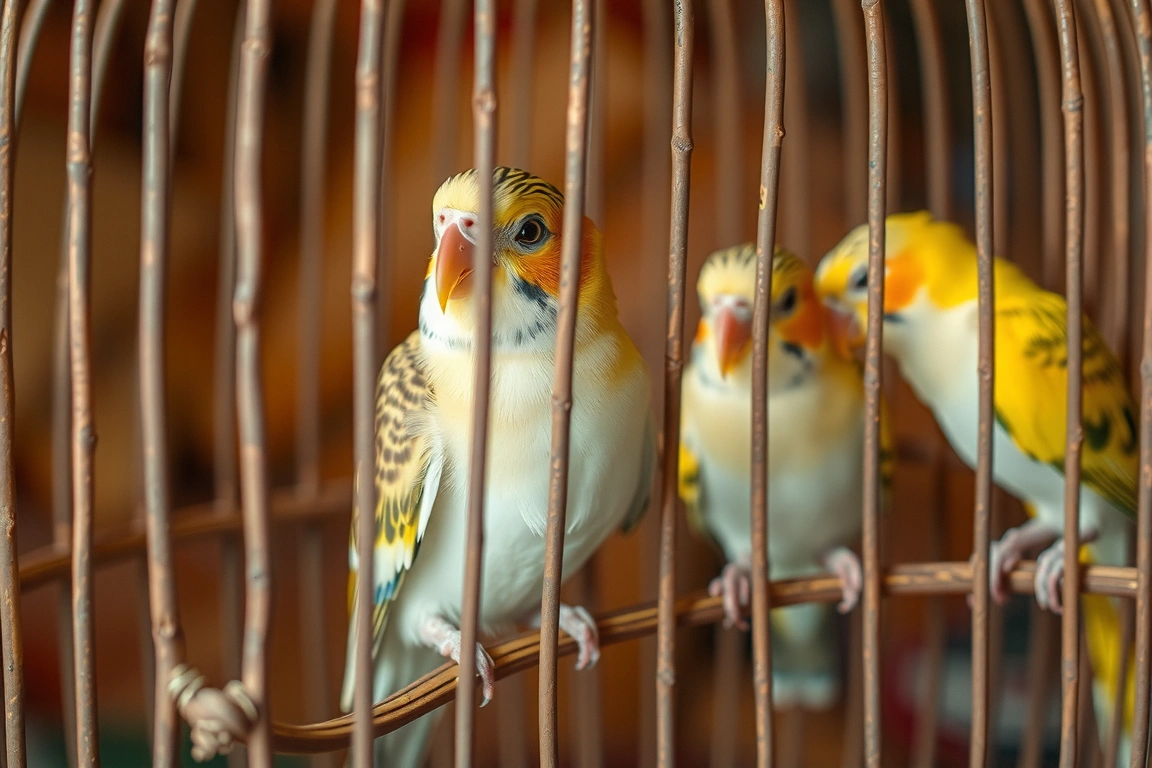
An ideal setup does three things: It provides ample space for movement, encourages natural foraging and play behaviors, and ensures safety from household hazards. Getting this foundation right is the single most important thing you can do after providing a quality diet.
Step 1: Choosing the Perfect Cage (Size, Shape, Bar Spacing)
This is the most critical decision you’ll make. The biggest mistake new owners make is buying a cage that is far too small. Veterinarians consistently recommend buying the largest cage your space and budget can possibly allow.
The Golden Rule: Bigger is Always Better
Your bird must be able to fully extend its wings and flap vigorously without hitting the sides or any toys. For small birds like finches or canaries, this means sufficient horizontal flight space. For larger parrots, they need enough room to climb, play, and move freely.
Bar Spacing is a Safety Issue
Incorrect bar spacing is a common cause of tragic injuries. The space between bars must be small enough to prevent your bird from squeezing its head or body through.
- Small Birds (Budgies, Canaries, Finches): 1/2 inch or less
- Medium Birds (Cockatiels, Conures, Small Parrots): 5/8 inch to 3/4 inch
- Large Birds (African Greys, Amazons, Macaws): 3/4 inch to 1 inch (consult specific breed needs)
Shape and Practical Features
Prioritize function over form. A rectangular or square cage provides more usable space and safer corner perches than a round, ornate cage. Look for these features:
- Horizontal Bars: Essential for climbing and exercise.
- Secure Latches: Many birds are clever escape artists.
- Removable Tray and Grating: Makes cleaning easier and prevents your bird from accessing old food and droppings.
- Multiple Doors: Allows for easier placement of toys and food dishes without a full-scale invasion of your bird’s space.
| Bird Species | Minimum Cage Size (LxWxH) | Ideal Cage Size (LxWxH) | Recommended Bar Spacing |
|---|---|---|---|
| Budgerigar (Budgie) | 18″ x 18″ x 18″ | 30″ x 18″ x 18″ | 1/2 inch |
| Cockatiel | 20″ x 20″ x 24″ | 24″ x 24″ x 36″ | 5/8 – 3/4 inch |
| Green-Cheeked Conure | 24″ x 24″ x 24″ | 30″ x 30″ x 36″ | 5/8 – 3/4 inch |
| African Grey | 36″ x 24″ x 48″ | 48″ x 36″ x 60″ | 3/4 – 1 inch |
Vet-Recommended Cage Picks
- For Small Birds: Prevue Hendryx Pet Products Wrought Iron Flight Cage (Approx. $150). A fantastic, spacious option for finches, canaries, or budgies.
- For Medium Birds: Yaheetech 64-inch Standing Play Top Cage (Approx. $220). Excellent value with a playtop and good interior space for cockatiels and conures.
- For Large Birds: A&E Cage Company Double Flight Cage (Price varies by size). A workhorse cage known for its durability and smart design for larger parrots.
Step 2: Strategic Perch Placement and Variety
Perches are your bird’s furniture. Just like you wouldn’t want a house with only hard wooden chairs, your bird needs variety in texture and diameter to exercise its feet and prevent pressure sores.
The Power of Natural Wood Perches
Vets strongly recommend natural wood branches (bird-safe types like manzanita, dragonwood, or java wood) over uniform dowel perches. The variation in diameter and texture is critical for foot health.
- Place the highest perch as a “sleeping perch,” but ensure it’s not directly under a food or water dish to avoid contamination.
- Place a sturdy perch near the food and water dishes for easy access.
- Ensure perches are placed so your bird’s tail doesn’t hit cage bars when perched.
- Include at least one cement or sandy perch (like the Pedicure Perch by Polly’s Pet Products, approx. $15) to help naturally wear down nails. Place it away from sleeping and eating areas to avoid over-filing.
Step 3: The Art of Food and Water Station Setup
Where and how you place food and water dishes has a huge impact on hygiene and accessibility.

- Use stainless steel bowls. They are more hygienic and easier to sanitize than plastic, which can harbor bacteria in tiny scratches.
- Place water dishes on the opposite side of the cage from food dishes to minimize food debris from soiling the water.
- Consider using a water bottle (like the Lixit Glass Water Bottle, approx. $20) for smaller birds to keep water cleaner for longer. Always provide a bowl as well until you are sure your bird has learned to use it.
- Don’t place any dishes directly under perches. This is the fastest way to get droppings in the food and water.
Step 4: Enrichment and Toy Strategy: Beat Boredom
A bored bird is an unhappy and often unhealthy bird. Vets stress that mental stimulation is just as important as physical space.
Creating a “Toy Rotation” Schedule
You don’t need to cram the cage full of toys. Instead, have a collection and rotate 2-3 different toys into the cage every week or two. This keeps the environment novel and interesting without being overwhelming.
- Foraging Toys: These are non-negotiable. They make your bird work for food, mimicking natural behavior. The Foraging Kabob by Caitec (approx. $12) is a great starter option.
- Destructible Toys: Made of bird-safe wood, paper, or palm leaves. Allows your bird to shred and destroy, which is a natural and satisfying behavior.
- Noise-Making & Puzzle Toys: Bells (with secure, enclosed clappers), rattles, and puzzle toys provide auditory and mental stimulation.
Safety Check: Regularly inspect all toys for frayed ropes, broken chains, or sharp edges. Remove any toy that shows signs of wear.
Step 5: Location, Location, Location: Where to Put the Cage
Even the best cage setup will fail if it’s in the wrong part of your home.
- Place the cage in a socially active area, like the living room, where your bird can be part of the family. Isolating a bird in a spare room leads to loneliness and behavioral issues.
- Keep the cage against a wall or in a corner to provide a sense of security.
- AVOID: Drafts from windows and doors, direct sunlight from a window (can overheat the cage), and kitchens (fumes from non-stick cookware are toxic and often fatal to birds).
- Ensure the top of the cage is at or slightly below your eye level. Placing it too high can encourage dominant behavior in some species.
Maintaining a Clean and Healthy Environment
A clean cage prevents bacterial and fungal growth, protecting your bird’s respiratory health.
- Daily: Change water and food. Wipe down perches and spot-clean droppings from trays, bars, and toys.
- Weekly: Remove and thoroughly wash all dishes, perches, and toys with a bird-safe disinfectant (like diluted vinegar or a product like Poop-Off). Replace cage liner paper.
- Monthly: Do a full deep-clean of the entire cage structure, scrubbing bars and base.
Frequently Asked Questions (FAQ)
My bird seems afraid of a new toy. What should I do?
This is common. Place the new toy outside the cage for a few days so your bird can observe it from a safe distance. Then, move it to the top of the cage, and finally, hang it near the edge of the cage interior. Move slowly and use positive reinforcement with treats.
How many perches are too many?
You want enough perches for movement and variety, but not so many that the cage becomes cluttered and flight is impeded. A good rule is 3-4 well-spaced perches of different types in an average-sized cage.
Is it okay to use newspaper as a cage liner?
Yes, unprinted or standard black-and-white newspaper is a safe, inexpensive, and effective liner. Avoid using glossy, colored advertisements, as the inks can be harmful.
Do I need to cover my bird’s cage at night?
Covering the cage can provide darkness and quiet, helping your bird get the 10-12 hours of sleep it needs. It can also prevent night frights. Use a breathable cover and ensure the room is still well-ventilated.
My bird won’t use the cuttlebone I provided. Any tips?
Try moving it to a different location, preferably near a favorite perch. You can also scrape a bit of the powder onto their fresh food to attract them to it. Some birds prefer mineral blocks over cuttlebone, so offering both is a good strategy.
Creating the perfect avian environment is a labor of love that pays off in a vibrant, healthy, and happy companion. Now that you’re armed with expert advice, take a critical look at your current setup. Is the cage large enough? Are the perches varied? Is your bird mentally stimulated? Use this guide to make targeted upgrades. Your feathered friend will thank you with years of companionship and song.
🐾 Our Top Pick
Editor’s Pick: A properly sized cage for secure transport and safe recovery.
For the Love of Your Pet
Care guides, breed insights, and gentle advice for happier pets.