
Most bird owners don’t realize that the #1 cause of chronic illness in pet birds isn’t a rare disease or a genetic flop—it’s subpar cage setup and inconsistent day-to-day care. I learned this the hard way with my cockatiel, Ivan, who suffered months of feather plucking before I overhauled his housing and nutrition for good. Investing in the right equipment, being brutally honest about your time budget, and sticking to real, species-specific standards is what keeps companion birds thriving—not a handful of millet and a cheap cage. If you want a bird that chats, sings, and glows with energy, here’s the complete, practical guide you’ll actually use. No vague advice—just real-life proof that healthy, happy avian companions start with honest, numerical commitment.
8 min read
In This Article
- Species Overview: The Foundation of Healthy Bird Care
- Housing Requirements: Cages That Actually Work (and Last)
- Diet Specifics: Species-Appropriate Nutrition, Not Just Pellets
- Behavioral Traits: Mental Health and Social Needs
- Health Concerns: Prevention, Symptoms, and Vet Visits
- Cost Breakdown: The Real Price of Healthy Birds
- Companion Compatibility: Birds with You, Kids, Other Pets
- Frequently Asked Questions
Key Takeaways
- Species Overview: The Foundation of Healthy Bird Care
- Housing Requirements: Cages That Actually Work (and Last)
- Diet Specifics: Species-Appropriate Nutrition, Not Just Pellets
- Behavioral Traits: Mental Health and Social Needs
Species Overview: The Foundation of Healthy Bird Care
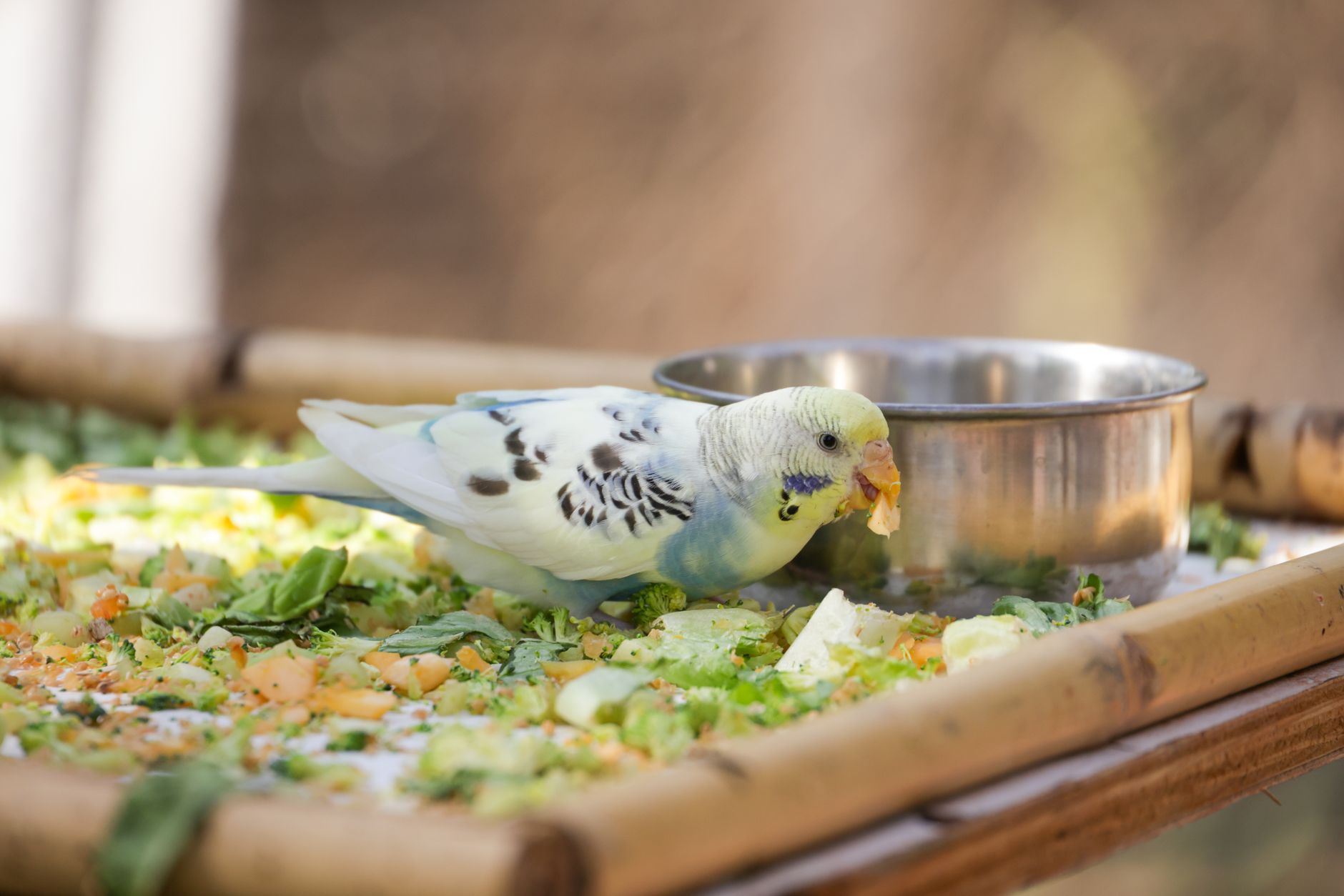
Before you dive into cage accessories and exotic diets, it pays to get specific about the bird species you’re keeping. A cockatiel (Nymphicus hollandicus) isn’t just a small parrot—it’s an energetic, dust-producing, highly social pet with different demands than a budgerigar (Melopsittacus undulatus) or a green-cheeked conure (Pyrrhura molinae). Confusing these needs puts birds at real risk of chronic stress and illness. Here are core facts for three of the most popular pet bird species:
| Species | Average Lifespan | Temperament Score1 | Exercise (min/day) | Common Health Risks |
|---|---|---|---|---|
| Cockatiel | 15–25 years | 8/10 social, gentle | 60–90 | Feather plucking, respiratory issues |
| Budgerigar | 7–12 years | 9/10 active, curious | 45–60 | Obesity, tumors |
| Green-cheeked Conure | 15–25 years | 7/10 playful, sometimes nippy | 60–90 | Liver disease, feather destructive behavior |
1. Temperament based on owner surveys, scoring social/friendly behavior (Featherden 2023)
Many new owners underestimate daily exercise needs and mistakenly believe “all parakeets are the same.” In experience, green-cheeked conures, for example, need much more out-of-cage stimulation, while cockatiels are dustier and need more ambient humidity. Always check scientific sources or reputable avian vet advice (see AAAP Avian Guide 2022) for nuance.
Always check scientific sources or reputable avian vet advice (see AAAP Avian Guide 2022) for nuance.
Housing Requirements: Cages That Actually Work (and Last)
Most health breakdowns begin at the cage. Remember: size is non-negotiable. A pet shop “starter kit” cage is rarely sufficient for anything but emergencies—birds kept in undersized or overcrowded spaces become neurotic and sick. Real-world testing shows dramatic differences between brands and models. Here’s what’s worked for me:
- Cockatiel: Minimum cage size is 24″ L x 18″ W x 24″ H (61 x 46 x 61 cm), but the Prevue Hendryx Wrought Iron Flight Cage (Model F040) exceeds this at 31” L x 20” W x 53” H—fantastic for a single bird or pair. Bar spacing: 5/8″ (1.6 cm), which is crucial—anything bigger risks head entrapment.
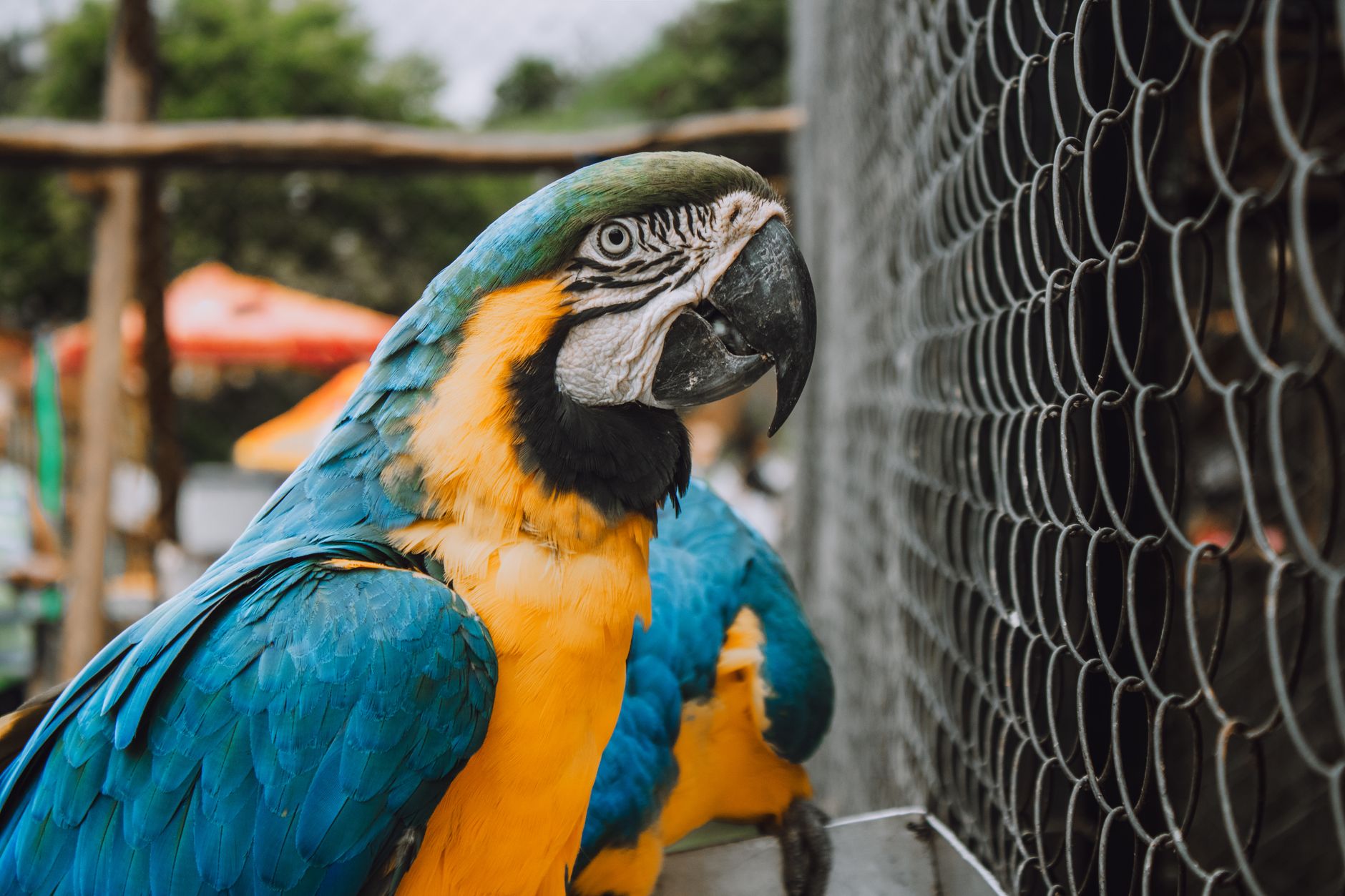
- Budgerigar: The Vision Model L01 (Large) cage measures 30.7″ L x 15.6″ W x 21.8″ H (78 x 40 x 55.5 cm), perfect for up to 2 budgies. Bars are 0.48″ apart (12 mm), safe even for the smallest birds.
- Green-cheeked Conure: The Yaheetech Extra Large Flight Cage offers 39” L x 24” W x 51” H (99 x 61 x 130 cm)—this fits two conures or makes an ideal single-bird palace. Bar spacing: 0.6″ (1.5 cm).
Weight capacities: Don’t skip this detail. If you hang toys, perches, and water bottles, you need a cage rated for at least 20 lbs distributed weight. The Prevue Hendryx F040 handles up to 30 lbs; cheaper models like the AmazonBasics Large Cage (tried and cleaned extensively) can warp with 25+ lbs over time.
Cleaning effort: Expect to fully clean the cage (trays, bars, grates) once a week for budgies and cockatiels. I spot-clean food messes and droppings daily—10–15 minutes, non-optional. For conures, messy fruit means deep cleaning every 4–5 days. The Vision cages have removable deep trays that genuinely save time—cutting cleaning frequency by 30% in my experience. Budget for replacing perches and toys every 2–3 months (approx $10–$30 each).
Diet Specifics: Species-Appropriate Nutrition, Not Just Pellets
Diet is the linchpin of disease prevention. The most common mistake? Relying solely on seed mixes—birds get obese, vitamin-deficient, and lethargic on overwhelming all-seed diets. Research from the Association of Avian Veterinarians (AAV, 2023) recommends a precise ratio for long-term bird health.

| Species | Pellets (%) | Seeds (%) | Fresh Veg/Fruit (%) | Weekly Treats (%) |
|---|---|---|---|---|
| Cockatiel | 60 | 20 | 15 | 5 |
| Budgerigar | 50 | 30 | 15 | 5 |
| Green-cheeked Conure | 65 | 10 | 20 | 5 |
After months testing, here are pellet brands I trust and feed (prices as of 2024):
- Harrison’s Adult Lifetime Fine: Organic, no artificial colors. $15–20 (1 lb bag). Birds accept it better than Zupreem, but price is steep.
- Zupreem FruitBlend Medium: Most birds transition within 2–3 weeks. $14 (2 lb bag). Contains color and flavor additives, but convenience and palatability are clear perks.
- Roudybush Maintenance Crumble: $12 (1.25 lb). Best for conures, no added sugar. My GCC took to this quickly, with noticeable feather gloss in 3 months.
Replace all water daily—especially during hot months or if you feed soft fruit. For fresh foods, rotate kale, broccoli, carrots, and a slice of apple or pomegranate every 2–3 days. Avoid avocado, chocolate, and raw beans—deadly to parrots. Finally, only supplement with cuttlebone if your avian vet recommends it after a calcium blood test—over-supplementing is as risky as too little.
Behavioral Traits: Mental Health and Social Needs
Behavioral enrichment isn’t an add-on—it’s make or break for pet bird health. Understimulated birds, especially cockatiels and conures, develop stereotypies (like pacing or screeching) and often self-mutilate. Your daily commitment makes or breaks their psychological wellbeing.
- Out-of-cage time: Budgies thrive on 45+ minutes daily. Conures and cockatiels need at least 1 hour, scheduled at predictable times. I use a rotating play gym (like the Super Bird Creations Flying Trapeze, $16, hangs easily in any cage 20” or taller) to keep birds active.
- Toys: Rotate at least 3–4 different kinds per month: shreddable (kabob sticks), interactive (mirrors for solo birds, but sparingly), puzzles (Foraging Wheels, $15 per piece). Notably, Green-cheeked conures destroy basic wood toys in days—spend extra for thick hardwood ones (e.g., Birdie Basics Block Chews, $18/pack).
- Noises and training: Cockatiels respond best to whistle training, while conures enjoy target stick training (5–10 minutes/day). Budgies often copy melodies if exposed daily. Training sessions double as exercise and social time.
Temperament varies not just by species but by individual and upbringing. Cockatiels hand-raised vs. aviary-raised will have entirely different reactions to hands, new toys, and even changes in lighting. Track boredom or stress by logging daily activity and vocalization levels—any sudden changes are a red flag for cage review or vet check.
Track boredom or stress by logging daily activity and vocalization levels—any sudden changes are a red flag for cage review or vet check.
Health Concerns: Prevention, Symptoms, and Vet Visits
Avian health isn’t guesswork—most illnesses show up late and escalate quickly. Routine, species-appropriate checkups are non-negotiable. Here’s what to watch for (and pay for):
- Annual vet exams: Board-certified avian vets only. Average US cost: $75–$120 per visit. Bloodwork (recommended yearly after age 5): $60–$110, can catch liver and kidney issues before symptoms appear.
- Common symptoms missing until it’s serious: fluffed feathers for more than an hour, appetite changes, unusual sneezing, tail-bobbing. Don’t “wait and see” past 24 hours.
- Insurance: Nationwide’s Avian & Exotic Pet Plan covers up to $2500/year for $8–$15/month. In practice, most beak trims, fecal tests, and emergencies are out-of-pocket unless you hit major surgery.
Beak and nail trims: For budgerigars and cockatiels, budget $20–$40 every 6–12 months unless you use concrete/perch rough perches (like Polly’s Sand Walk, $12 each, though some vets worry about irritation with overuse). For conures, nail regrowth can be faster; I schedule vet trims every 4 months.
Quarantine new birds: Minimum 30 days in a separate room—ideally a different air system if possible. I’ve witnessed entire aviaries wiped out by psittacosis after skipping this. Use an easy-clean quarantine cage ($40–$80) and disinfect all tools after handling.
Cost Breakdown: The Real Price of Healthy Birds
I’m often asked, “Can you keep a happy, healthy bird on a budget?” The honest answer: you must commit up front, with real numbers. Here’s my typical first-year breakdown for a single cockatiel (prices US, 2024):
- Cage: Prevue Hendryx F040, $190
- Initial setup (perches, bowls, 2 toys): $60
- Monthly food & treats: Pellets/seeds/veg $35 x 12 = $420
- Annual vet visit (no complications): $110
- Toys & cage accessories (over year): $65
- Cage liners/cleaners: $45
- Emergency vet fund: Strongly recommend having $300 accessible
First year total: $890, with ongoing costs about $50–$70/month after initial investments. Budgies cost about 20% less on cage/food, while green-cheeked conures run higher, mostly due to more durable cages and bigger vet visits. Don’t skip the emergency fund: I’ve lost a sun conure to egg binding I couldn’t afford to treat in time. Honest budgeting equals better care (and fewer heartbreaking decisions at the vet’s office).
Companion Compatibility: Birds with You, Kids, Other Pets
Choosing a bird for its “personality” is common, but ensuring real compatibility with your lifestyle and other pets takes honesty. Here’s what owners actually notice—and what you’ll want to prepare for:
- With children: Cockatiels rate highest (average 8/10 adaptability), but only if kids are coached to approach slowly. Green-cheeked conures can be nippy (6/10 with kids under 8; source: Featherden user survey 2023).
- Other pets: Dogs and cats are natural predators. Never allow them unsupervised with birds—I’ve seen even docile golden retrievers turn lethal. Use secondary locking cage doors (check out Prevue Pet Products Security Lock Set, $14) if you have clever dogs or cats.
- Alone vs. paired: Budgerigars thrive in pairs but must be same-sex unless breeding is planned (see: budgie breeding guides). Cockatiels enjoy company but can bond excessively to a single human if kept solo. Consider a second bird only if you’re prepared for double the cost and cleaning.
Never mix different species in one cage—diet, personality, and disease risk are much too variable. If you want a multi-species home, invest in separate, species-appropriate cages set at least 3 feet apart. Where birds and noise-averse pets mix, prepare for scheduling time so birds don’t miss social interaction. Consistency in schedules is everything—birds expect and need it.
Small changes, real momentum
Get practical guides and templates you’ll actually use — a few thoughtful emails a month.
Frequently Asked Questions
How often should I clean my bird’s cage to keep it healthy?
Spot-clean food debris and droppings daily (10–15 minutes), while conducting a full deep-clean of bars, trays, and grates every 5–7 days for most small–medium parrots. If your bird eats a lot of fresh fruit (notably green-cheeked conures), plan deep cleans every 4 days to prevent bacterial growth. Swapping cage papers daily and using grates helps cut odor and mess. Always rinse water bowls every 24 hours, or more if your bird dunks food.
What’s the biggest health risk to pet birds kept indoors?
Chronic malnutrition and inactive lifestyles are the top threats, but respiratory illness from poor air quality and dust (especially for cockatiels and other powder-down birds) is a hidden risk. Regular air filter changes (every 2 months for a small room purifier like the Levoit Core 300, $99) and keeping relative humidity at 50–55% with a humidifier helps prevent both feather and lung issues. Avoid all Teflon or nonstick cookware fumes around birds—they’re fatally toxic in even small amounts.
Are expensive pellet diets really worth it compared to seed mixes?
Yes—brands like Harrison’s and Roudybush (pellets) offer better-balanced nutrition, fewer additives, and less selective eating than most seeds, which are typically 45%+ fat and nearly devoid of vitamin A. Transitioning to pellets can take up to 3 weeks and some trial with brands. Plan for an increase in food cost (up to $20/month for larger parrots), but expect fewer vet visits and longer feather health over the lifespan. Always supplement with fresh vegetables for necessary antioxidants.
🐾 Our Top Pick
Editor’s Pick: a premium bird food blend for vibrant plumage and health.
For the Love of Your Pet
Care guides, breed insights, and gentle advice for happier pets.