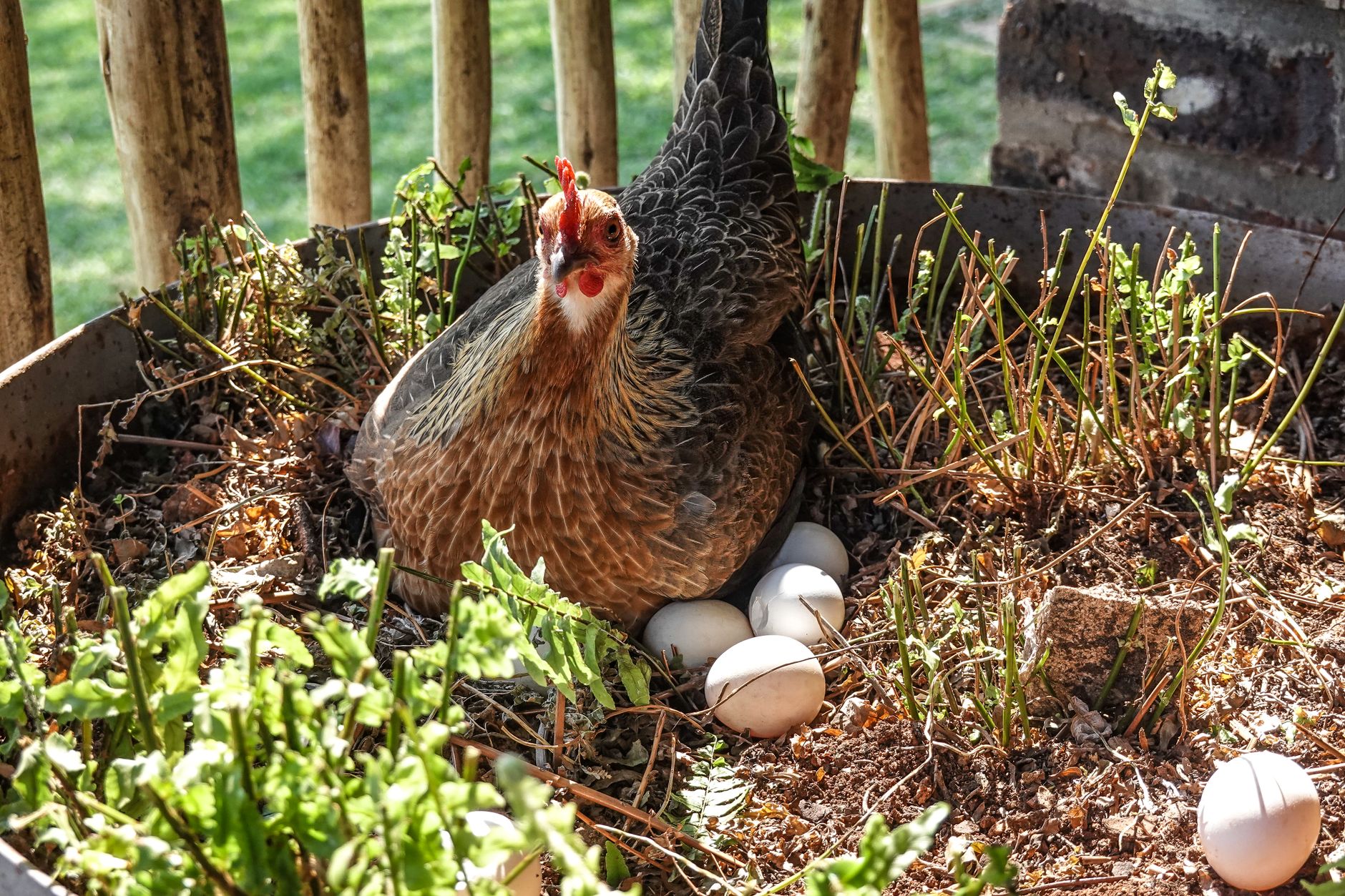
I still remember the day I brought home my first backyard chickens – a trio of Rhode Island Reds that would change my life forever. As a beginner, I was amazed by the sheer variety of breeds available, each with its unique characteristics, temperaments, and egg-laying abilities. But what really caught my attention was the staggering difference in annual egg production between breeds. For instance, did you know that Leghorns can lay up to 300 eggs per year, while Orpingtons may only produce around 180? As I delved deeper into the world of backyard chicken keeping, I realized that choosing the right breed is crucial for a successful and rewarding experience. In this article, we’ll explore the top 10 backyard chicken breeds for eggs, ranked by production, and discuss their temperament, climate hardiness, and maintenance requirements.
Introduction to Backyard Chicken Breeds
With over 300 breeds to choose from, selecting the right backyard chicken breed can be overwhelming. However, when it comes to egg production, some breeds stand out from the rest. According to the American Poultry Association, the top 10 breeds for egg production are: Leghorns, Rhode Island Reds, Australorps, Barred Rocks, Golden Comets, Buff Orpingtons, Silkie, Easter Eggers, Marans, and Wyandottes. In this article, we’ll take a closer look at each of these breeds, their unique characteristics, and what makes them ideal for backyard chicken keeping.
When choosing a breed, it’s essential to consider factors such as climate hardiness, temperament, and maintenance requirements. For example, if you live in a cold climate, you may want to opt for a breed like the Chantecler, which is known for its exceptional cold hardiness. On the other hand, if you’re looking for a breed that’s easy to handle and gentle with children, the Buff Orpington may be an excellent choice. By understanding the specific needs and characteristics of each breed, you can make an informed decision and create a thriving backyard chicken flock.
Egg Production: Top 10 Breeds Ranked
So, which breeds are the top egg producers? Here’s a ranking of the top 10 breeds by annual egg production:
- Leghorns: 280-300 eggs per year
- Rhode Island Reds: 200-220 eggs per year
- Australorps: 180-200 eggs per year
- Barred Rocks: 200-220 eggs per year
- Golden Comets: 180-200 eggs per year
- Buff Orpingtons: 180-200 eggs per year
- Silkie: 100-120 eggs per year
- Easter Eggers: 200-220 eggs per year
- Marans: 150-180 eggs per year
- Wyandottes: 200-220 eggs per year
It’s worth noting that these numbers can vary depending on factors such as feed, health, and living conditions. However, these breeds are generally recognized as the top egg producers in the backyard chicken keeping community.
In terms of feed, it’s essential to provide your chickens with a balanced diet that includes a mix of grains, proteins, and supplements. Some popular feed options include Purina Layena, which costs around $15 per 50-pound bag, and Dumor Chicken Feed, which costs around $20 per 50-pound bag. By providing your chickens with a nutritious diet, you can help ensure they produce healthy, delicious eggs.
Temperament and Handling
When it comes to temperament and handling, some breeds are more suitable for beginners than others. For example, the Buff Orpington is known for its gentle and friendly nature, making it an excellent choice for families with children. On the other hand, the Leghorn can be more skittish and may require more experienced handling. Here’s a temperament score for each of the top 10 breeds:
- Leghorns: 6/10
- Rhode Island Reds: 8/10
- Australorps: 7/10
- Barred Rocks: 8/10
- Golden Comets: 7/10
- Buff Orpingtons: 9/10
- Silkie: 5/10
- Easter Eggers: 8/10
- Marans: 7/10
- Wyandottes: 8/10
Keep in mind that temperament can vary between individual birds, so it’s essential to spend time with your chickens and get to know their unique personalities.
In terms of handling, it’s crucial to establish a routine and provide your chickens with regular interaction. This can include activities such as feeding, grooming, and simply spending time with your birds. By building trust and establishing a strong bond, you can help create a happy and healthy flock.
Climate Hardiness and Housing
Climate hardiness is another critical factor to consider when choosing a breed. Some breeds are more tolerant of extreme temperatures, humidity, and weather conditions than others. For example, the Chantecler is known for its exceptional cold hardiness, while the Leghorn is more suited to warmer climates. Here’s a climate hardiness score for each of the top 10 breeds:
- Leghorns: 6/10
- Rhode Island Reds: 8/10
- Australorps: 7/10
- Barred Rocks: 8/10
- Golden Comets: 7/10
- Buff Orpingtons: 9/10
- Silkie: 5/10
- Easter Eggers: 8/10
- Marans: 7/10
- Wyandottes: 8/10
When it comes to housing, it’s essential to provide your chickens with a safe, secure, and well-ventilated coop. Some popular coop options include the Precision Pet Chicken Coop, which measures 4 feet by 8 feet and costs around $200, and the PawHut Chicken Coop, which measures 6 feet by 10 feet and costs around $300.
In terms of ventilation, it’s crucial to ensure your coop has adequate airflow to prevent the buildup of ammonia and moisture. This can be achieved through the use of windows, vents, and fans. For example, the Farm Innovators Chicken Coop Ventilation Kit, which costs around $50, can help improve airflow and reduce moisture levels in your coop.
Maintenance and Health
Maintenance and health are critical aspects of backyard chicken keeping. Regular cleaning, vaccination, and parasite control are essential to prevent disease and ensure the health and well-being of your flock. Here are some estimated maintenance costs for each of the top 10 breeds:
- Leghorns: $100-150 per year
- Rhode Island Reds: $150-200 per year
- Australorps: $120-180 per year
- Barred Rocks: $150-200 per year
- Golden Comets: $120-180 per year
- Buff Orpingtons: $180-220 per year
- Silkie: $100-150 per year
- Easter Eggers: $150-200 per year
- Marans: $120-180 per year
- Wyandottes: $150-200 per year
It’s also essential to consider the cost of veterinary care, which can range from $50 to $100 per visit, depending on the location and services required.
In terms of daily time commitment, backyard chicken keeping can require around 30 minutes to 1 hour per day, depending on the size of your flock and the complexity of your coop. This can include activities such as feeding, cleaning, and collecting eggs. By establishing a routine and providing your chickens with a safe and healthy environment, you can help ensure a successful and rewarding backyard chicken keeping experience.
Conclusion and Recommendations
In conclusion, choosing the right backyard chicken breed is crucial for a successful and rewarding experience. By considering factors such as egg production, temperament, climate hardiness, and maintenance requirements, you can make an informed decision and create a thriving flock. Based on our research, we recommend the following three breeds for beginners:
- Buff Orpingtons: known for their gentle and friendly nature, high egg production, and exceptional climate hardiness
- Rhode Island Reds: recognized for their high egg production, robust health, and easy handling
- Barred Rocks: praised for their high egg production, friendly temperament, and adaptability to various climates
By starting with one of these breeds, you can establish a strong foundation for your backyard chicken keeping journey and enjoy the many rewards that come with raising happy, healthy chickens.
Frequently Asked Questions
What is the average cost of keeping backyard chickens?
The average cost of keeping backyard chickens can vary depending on factors such as the size of your flock, breed, and location. However, here are some estimated costs:
- Initial setup: $500-1000
- Monthly feed and supplies: $50-100
- Veterinary care: $50-100 per visit
Overall, the average cost of keeping backyard chickens can range from $1000 to $2000 per year, depending on the size and complexity of your operation.
How much space do backyard chickens need?
The amount of space required for backyard chickens can vary depending on the breed and size of your flock. However, here are some general guidelines:
- Minimum coop size: 2-4 square feet per chicken
- Minimum run size: 8-10 square feet per chicken
It’s also essential to consider the height of your coop and run, as well as the availability of perches, nesting boxes, and ventilation. By providing your chickens with adequate space and amenities, you can help ensure their health and well-being.
What are the best breeds for cold climates?
When it comes to cold climates, some breeds are more tolerant of extreme temperatures and weather conditions than others. Here are some of the best breeds for cold climates:
- Chantecler: known for its exceptional cold hardiness and robust health
- Brahma: recognized for its large size, gentle nature, and adaptability to cold climates
- Orpington: praised for its friendly temperament, high egg production, and exceptional climate hardiness
By choosing a breed that’s well-suited to your climate, you can help ensure the health and well-being of your flock and enjoy a successful backyard chicken keeping experience.
Related from our network
For the Love of Your Pet
Care guides, breed insights, and gentle advice for happier pets.