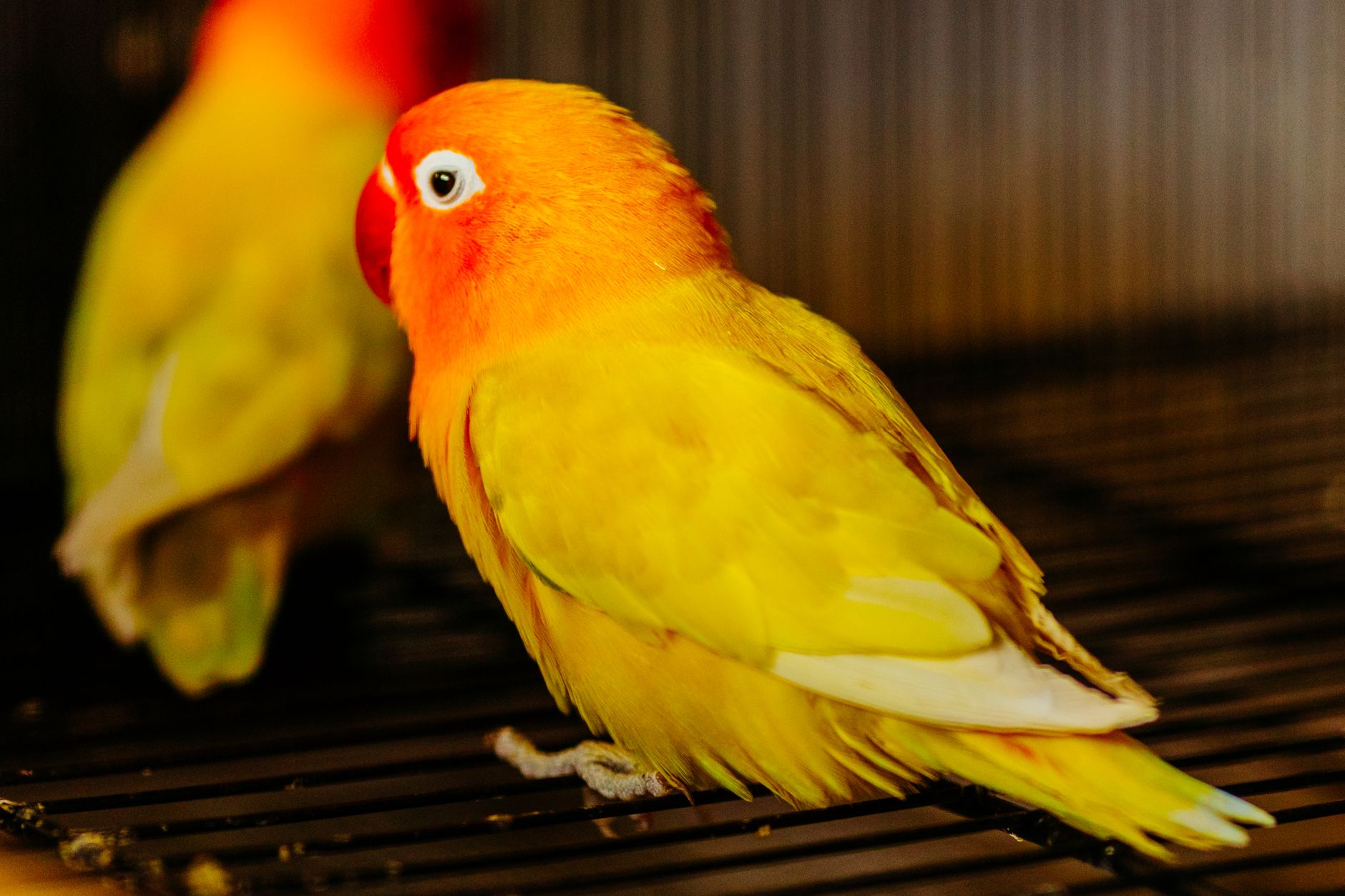
So, you’re thinking about diving into the exciting world of bird breeding? It’s a fantastic endeavor, but before you even dream of tiny chirps, you need to get the housing right. Many enthusiasts rush into breeding without fully understanding the distinct needs of a cockatiel pair versus a lovebird pair. The difference isn’t just size; it’s about their natural behaviors, nesting preferences, and even the subtle environmental cues they need to feel secure enough to reproduce. Forget those generic “one-size-fits-all” cage recommendations; breeding pairs demand specialized setups. I learned this the hard way early on, investing in a beautiful, large aviary that was technically spacious but lacked the crucial elements for my cockatiels to feel safe enough to even consider nesting. It took a complete overhaul, informed by hours of research and talking to seasoned breeders, to finally see them settle in. This article will break down the essential differences in cage setup, equipment, and the associated costs, so you can make informed decisions and give your potential breeding pairs the best possible start.
Cockatiel Breeding Pair Housing: Space, Security, and Substance
When setting up a breeding pair of cockatiels, think “spacious but cozy” and prioritize sturdy construction. These birds, while social, can be quite territorial when nesting, so a minimum cage size of 36 inches wide by 24 inches deep by 30 inches high is crucial. I’ve found that the Prevue Pet Products Wrought Iron Flight Cage (model 423) or a similar large, rectangular cage works exceptionally well. Rectangular cages are generally better than round ones for breeding pairs, as they provide more linear flight space and designated areas for nesting. Avoid cages with decorative bars or flimsy wire, as cockatiels can be destructive chewers, and you don’t want them ingesting paint or damaging the cage structure. The bar spacing should be no more than 5/8 inch to prevent escape or injury. Inside, you’ll want to provide a variety of perches made from natural wood, like manzanita or java branches, ranging in diameter from 1/2 inch to 3/4 inch. These offer better grip and foot health than uniform dowel perches, which can lead to bumblefoot.
The nesting box is paramount. For cockatiels, a wooden nest box measuring approximately 10 inches wide by 10 inches deep by 12 inches high is ideal. The entrance hole should be about 3 inches in diameter, placed a few inches from the top. I always recommend placing the nest box on the *outside* of the cage, attached securely to one of the doors. This makes inspections and clean-outs much easier and less disruptive to the birds. Inside the box, provide a substrate of untreated pine shavings or a specialized nesting mix. Avoid cedar shavings, as their oils can be harmful. You’ll also want to include a small amount of nesting material, like shredded paper or hay, although cockatiels will often bring their own. When it comes to food and water, use heavy ceramic crocks that are difficult to tip over. A separate dish for fresh foods, like chopped vegetables and fruits, is a good practice to maintain hygiene. The total initial setup cost for a quality cockatiel breeding cage, including a good nest box and accessories, typically ranges from $200 to $400.
Lovebird Breeding Pair Housing: Compactness, Comfort, and Closeness
Lovebirds, on the other hand, are much smaller and have different nesting requirements. While they are social and often kept in pairs, they can also be quite feisty, especially during breeding season. A good starting point for a lovebird breeding pair is a cage that’s at least 24 inches wide by 24 inches deep by 18 inches high. The A&E Cage Company Stainless Steel Bird Cage (model 8002424) is a fantastic, durable option, though more expensive. For a more budget-friendly choice, look for a cage with 1/2 inch bar spacing, as their smaller size means they can squeeze through wider gaps. The cage should still be rectangular to offer ample horizontal flight space, which they utilize more than vertical. Similar to cockatiels, provide a variety of natural wood perches, but the diameter can be slightly smaller, around 3/8 inch to 1/2 inch, to better suit their delicate feet. The key difference with lovebirds is their instinct to chew and shred materials for their nest. They are cavity nesters and will actively build and line their own nests.
The nest box for lovebirds should be slightly smaller than for cockatiels, around 8 inches wide by 8 inches deep by 8 inches high, again made of untreated wood. The entrance hole should be approximately 2 inches in diameter. Crucially, lovebirds need access to nesting material *inside* their nest box. Provide a generous supply of shredded paper, palm fronds, or even clean, dry grass. They will meticulously shred and arrange this material to create their ideal nesting chamber. Some breeders even find success with small, shallow ceramic dishes filled with material placed inside the cage, allowing the birds to “decorate” their chosen spot before moving into the nest box. For feeding, smaller ceramic dishes are perfectly adequate. Lovebirds can be prone to hoarding food, so having a backup feeder that’s harder to stuff full can be helpful. The initial investment for a lovebird breeding setup, including a quality cage and essential nesting materials, usually falls between $150 and $300. Remember, investing in a good cage now saves you money and heartache in the long run by preventing escapes and injuries.
Nesting Box Design and Placement: The Crucial Details
The design and placement of the nesting box are arguably the most critical factors for successful breeding, regardless of species. For cockatiels, a box with a removable top or a large side-opening door is essential for regular cleaning and checking on eggs or chicks. Some breeders even opt for boxes with a small inspection window, covered with a sliding wooden panel. This allows for quick visual checks without disturbing the parents. The internal floor of the nest box should be slightly sloped towards the entrance hole, aiding in egg rolling to the center and helping to keep the nest clean by allowing waste to flow away. I personally prefer boxes made from untreated pine or birch plywood, around 3/4 inch thick, which provides good insulation. Avoid particleboard or MDF, as they can off-gas and are not durable. The placement on the *outside* of the cage, as mentioned, is non-negotiable for ease of access and minimal disturbance. Ensure it’s securely attached, typically with screws or strong clamps, so it doesn’t wobble.
For lovebirds, while the dimensions are smaller, the principles remain the same. A sturdy wooden box is always best. Some lovebird enthusiasts find that an open-top box or a box with a larger, more accessible entrance can encourage nesting, as they like to feel they have control over their environment. However, ensure the entrance is still appropriately sized to prevent drafts and predators (even within the home, a draft can be detrimental). The key for lovebirds is providing ample, appropriate nesting material *near* or *in* the box. I’ve found that offering a variety of textures and types of shredded paper works well. You can even stuff a small amount into the entrance hole to entice them. When placing the box, consider the pair’s behavior. If they seem hesitant, try placing it slightly lower in the cage. If they are very active and exploring, a higher placement might be preferred. The goal is to mimic a natural cavity where they would feel safe and secure from potential threats, encouraging them to focus on breeding rather than survival.
Dietary Considerations for Breeding Pairs
A proper diet is fundamental for successful breeding, providing the necessary nutrients for egg production, chick development, and overall health. For both cockatiels and lovebirds, the staple diet should be a high-quality seed mix specifically formulated for parrots or parakeets, supplemented with a pelleted diet. However, for breeding pairs, you’ll need to increase the protein and fat content. I always recommend a good brand of pellets, like Harrison’s Bird Foods or Roudybush, as a base, ensuring they are the appropriate size for the species. In addition to pellets, a variety of fresh foods is essential. This includes dark leafy greens like kale, spinach (in moderation), and romaine lettuce, as well as colorful vegetables such as carrots, bell peppers, and broccoli. Cooked grains like quinoa and brown rice, and small amounts of cooked lean protein like scrambled eggs or cooked chicken, can also be beneficial. For breeding birds, I often increase the frequency of these healthy supplements, offering them daily.
Calcium and vitamin D3 are particularly important for egg-laying hens. While sunlight provides natural Vitamin D3, it’s often insufficient indoors. Therefore, incorporating calcium supplements is crucial. You can achieve this by offering cuttlebone, mineral blocks, or a calcium-rich powder sprinkled over their food. Some breeders also use specialized breeding formulas or supplements, but always introduce these gradually and in moderation to avoid upsetting their digestive systems. For lovebirds, who are prone to laying eggs even without a mate, a balanced diet is even more critical to prevent nutrient deficiencies and egg binding. I’ve found that offering sprouted seeds and legumes significantly boosts their nutrient intake and is highly palatable. The cost of a premium breeding diet, including high-quality pellets, fresh produce, and supplements, can add an extra $20-$40 per month to your bird care expenses, but it’s a necessary investment for healthy offspring. Always ensure fresh, clean water is available at all times; I recommend using stainless steel or ceramic water dispensers over plastic ones, which can harbor bacteria.
Enrichment and Environmental Factors for Breeding Success
Beyond the cage and food, environmental factors and enrichment play a significant role in encouraging breeding behavior. Both cockatiels and lovebirds need a consistent routine with adequate sleep. Aim for 10-12 hours of uninterrupted darkness each night. Dimming the lights gradually in the evening can help signal bedtime. Avoid placing their cages in high-traffic areas or near loud noises, which can cause stress and inhibit breeding. A quiet, stable environment is key. For enrichment, while toys are important for general well-being, they need to be carefully chosen when birds are nesting. Avoid toys that are too complex or that the birds might ingest in large quantities and cause impaction. Natural foraging opportunities are excellent. You can hide treats or seeds in shreddable materials or foraging toys to stimulate their natural behaviors. For lovebirds, providing safe, shreddable items like palm leaves or small cardboard tubes is a must for their nesting activities.
Temperature and humidity also matter. While neither species is overly sensitive, extreme fluctuations can be detrimental. A comfortable room temperature, typically between 65-75°F (18-24°C), is generally suitable. Avoid placing cages near drafty windows or direct heat sources. For cockatiels, a slight increase in humidity during the hatching period can be beneficial for the chicks, but this isn’t usually a major concern in most homes. Lighting is another factor; while not strictly necessary for indoor breeding, full-spectrum UV-B lighting can benefit overall health and potentially encourage breeding cycles, especially during darker months. If you opt for UV-B lighting, ensure it’s a reputable brand like Arcadia or Zoo Med and follow the manufacturer’s guidelines for placement and replacement (typically every 6-12 months). The initial cost for a good quality UV-B lamp and fixture can range from $50 to $150, with ongoing bulb replacement costs of around $30-$60 annually.
Cost Comparison: Cockatiel vs. Lovebird Breeding Setups
When comparing the initial setup costs, it’s clear that cockatiel breeding pairs require a larger financial outlay due to their size and more substantial cage requirements. A good quality, spacious cage for a cockatiel breeding pair, suitable for long-term use, will typically cost between $150 and $300. Add to that a sturdy wooden nest box ($30-$60), high-quality food and water dishes ($20-$30), a variety of natural perches ($20-$40), and initial food and supplement supplies ($50-$80), and you’re looking at an initial investment of roughly $270 to $510. This doesn’t even include potential costs for UV-B lighting or specialized breeding supplements, which could add another $100-$200. My own setup for my first cockatiel breeding pair ran closer to the $450 mark after I invested in a truly robust cage that could withstand their chewing habits.
For lovebirds, the initial investment is generally lower. Their smaller size means less expensive, though still sturdy, cages are adequate. A good quality cage for lovebirds can range from $100 to $200. Nest boxes are smaller and less expensive, typically $20-$40. Food and water dishes will be around $15-$25, perches $15-$30, and initial food and supplement supplies $40-$70. This brings the total initial setup cost for lovebirds to approximately $190 to $365. While the upfront cost is lower, remember that lovebirds are prolific breeders, and you may need multiple setups if you plan on breeding more than one pair. The ongoing costs for both species are primarily food, supplements, and replacement of damaged items, which can be managed with careful shopping and by prioritizing durable, safe materials from the start. For example, investing in stainless steel food bowls upfront, costing around $15-$25 for a pair, saves money compared to replacing cheaper ceramic ones that break over time.
Frequently Asked Questions
What is the absolute minimum cage size for a breeding pair of cockatiels?
While larger is always better, the absolute minimum I recommend for a cockatiel breeding pair is a cage measuring 36 inches wide by 24 inches deep by 30 inches high. This provides them with sufficient space for flight and to establish separate areas for feeding, resting, and nesting without feeling constantly crowded. I’ve seen breeders attempt it in slightly smaller cages, but the stress levels and success rates are significantly lower. Ensure the bar spacing is no more than 5/8 inch to prevent any escapes or injuries.
Can lovebirds breed in a cage that’s too small? What are the risks?
Yes, lovebirds *can* breed in a cage that’s too small, but it’s highly discouraged due to the significant risks involved. A cage that’s too small, for instance, under 24x24x18 inches, can lead to increased aggression between the pair, especially the hen. This can result in injury, failure to incubate eggs, or even cannibalism of chicks. It also prevents them from engaging in natural behaviors like flying and foraging, leading to stress and potential health issues like obesity or feather plucking. Investing in an appropriately sized cage is crucial for their well-being and your breeding success.
How often should I clean the nesting box for breeding birds?
For both cockatiels and lovebirds, it’s generally recommended to clean the nesting box every 2-3 days, especially once eggs have hatched and chicks are present. This is crucial for hygiene to prevent the buildup of bacteria and parasites, which can harm the chicks and the parents. When cleaning, remove soiled nesting material and droppings, and replace it with fresh material. A quick wipe-down with a bird-safe disinfectant (diluted white vinegar is a common choice, rinsed thoroughly) can be done weekly, but avoid deep cleaning during incubation or when chicks are very young, as this can stress the parents and potentially lead to abandonment.
When embarking on the journey of breeding cockatiels or lovebirds, remember that the cage setup is your foundation for success. Prioritize species-specific needs: cockatiels require more space and robust construction, while lovebirds need slightly smaller but still secure environments with ample nesting materials. Don’t underestimate the power of a well-designed and correctly placed nesting box; it’s often the deciding factor in whether a pair feels secure enough to reproduce. Finally, remember that a nutritious diet and a stable, enriching environment are just as critical as the physical housing. These elements work in synergy to create the ideal conditions for a breeding pair to thrive and raise healthy offspring. My top three takeaways for you are: 1) Always opt for the largest, most durable cage you can afford for your species, with appropriate bar spacing. 2) Invest in high-quality, untreated wooden nest boxes that are easily accessible for cleaning. 3) Provide a varied, nutrient-dense diet, with a focus on calcium for hens and increased protein for both parents during breeding season.
Related from our network
- Budget vs Premium Sensory Toys: Complete Guide (nightshifttales)
- Budget Sensory Play Ideas vs Store-Bought Toys: Complete Guide (weirdcalendar)
- DIY vs Store-Bought Sensory Toys: Complete Comparison (bulletjournals)
For the Love of Your Pet
Care guides, breed insights, and gentle advice for happier pets.