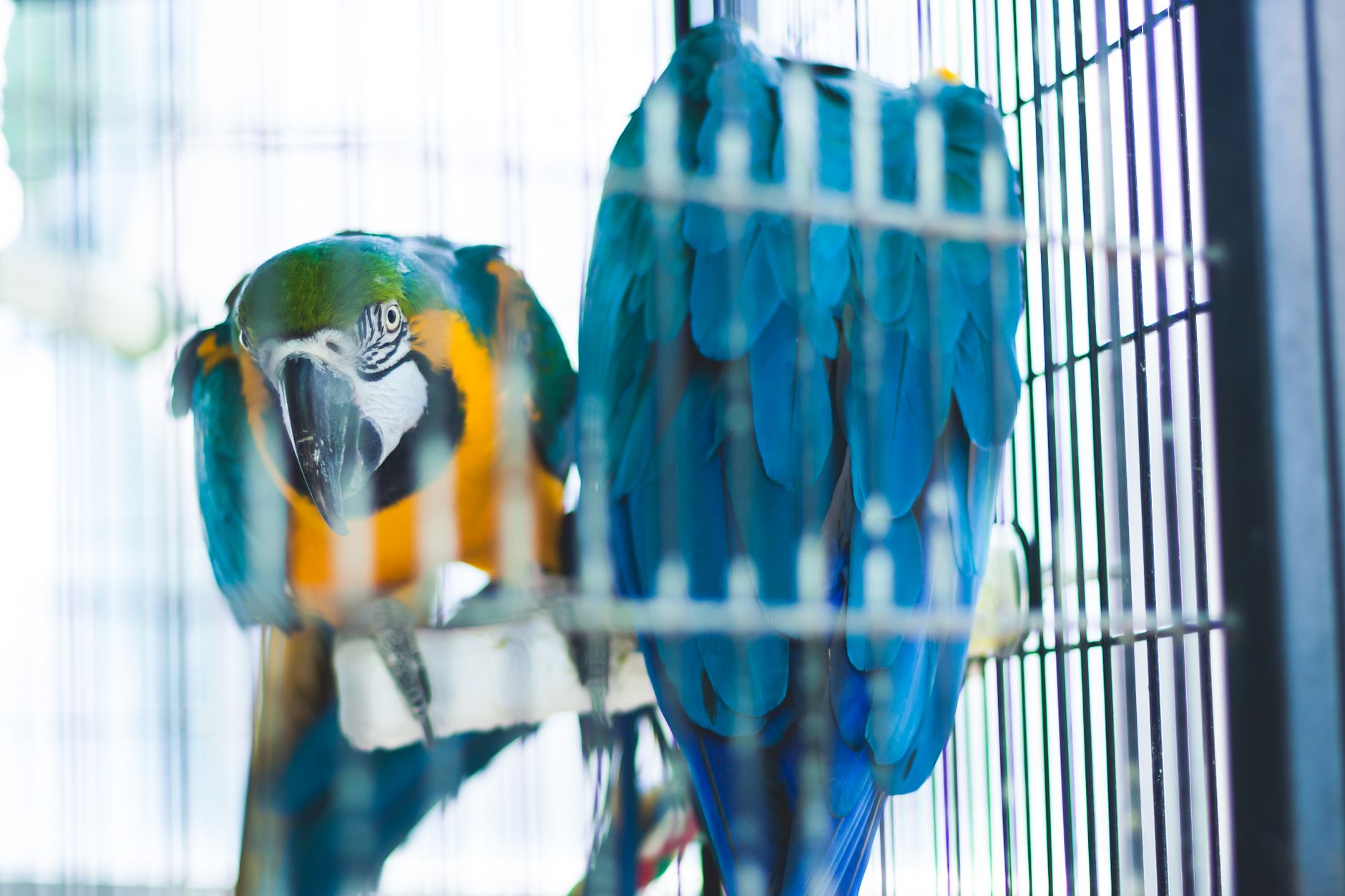
Are you about to welcome a magnificent Macaw into your home, or perhaps you’re looking to upgrade your feathered friend’s current digs? Finding the *right* cage for these intelligent, energetic giants is more than just a matter of aesthetics; it’s a critical component of their physical and psychological well-being. A cramped cage can lead to boredom, destructive behaviors, and even health issues. But with so many options on the market, how do you sift through the noise to find a spacious, safe, and durable flight cage for under $800? We’ve consulted with avian vets and seasoned Macaw breeders to bring you the definitive guide to the best large flight cages available in 2024. Forget the flimsy, undersized boxes; your Macaw deserves a palace, and we’re here to help you find it without breaking the bank.
14 min read
In This Article
- The Macaw’s Mandate: Space is Non-Negotiable
- Bar Spacing: Safety First, Always
- Top Picks Under $800: Where Spaciousness Meets Value
- Essential Cage Features for Macaw Enrichment
- Dietary Considerations and Cage Setup
- Health Concerns and Cage Maintenance
- Cost Breakdown: What to Expect Beyond the Cage
- Companion Compatibility: Should Your Macaw Have a Roommate?
- Conclusion: Your Macaw’s Castle Awaits
Key Takeaways
- The Macaw’s Mandate: Space is Non-Negotiable
- Bar Spacing: Safety First, Always
- Top Picks Under $800: Where Spaciousness Meets Value
- Essential Cage Features for Macaw Enrichment
The Macaw’s Mandate: Space is Non-Negotiable
Macaws are not birds that tolerate confinement well. These are intelligent, highly social creatures that, in the wild, can fly for miles each day. Replicating even a fraction of that freedom in captivity is paramount. Dr. Anya Sharma, a board-certified avian veterinarian with over 15 years of experience, emphasizes that “the minimum cage size for any Macaw species, including smaller ones like the Hahn’s Macaw, should allow for at least a full wing-flap from one side to the other without touching the bars, plus enough room for them to climb, play, and have separate areas for food, water, and perching.” For larger species like the Blue and Gold or Scarlet Macaw, this translates to a significant footprint. A general rule of thumb, often cited by reputable avian organizations like the Pet Bird Association, is that the cage should be at least twice the bird’s wingspan in length and width, and tall enough for the bird to comfortably perch without its tail feathers touching the bottom.
When we talk about “flight cages,” we mean cages designed to allow for some degree of flight within the enclosure, not just hopping and climbing. For Macaws, this means prioritizing horizontal space over vertical, though height is still important for climbing and enrichment. A cage measuring 40 inches wide by 30 inches deep by 48 inches high is often considered a bare minimum for smaller Macaw species, but for larger ones, you’ll want to aim for dimensions closer to 60 inches wide by 36 inches deep by 72 inches high. My own experience with a Green-winged Macaw, “Captain,” taught me this lesson quickly; his initial “spacious” cage, while large by many standards, was still too narrow for him to comfortably turn around in without his tail feathers brushing the sides. The upgrade to a wider cage immediately improved his demeanor and reduced feather-plucking incidents. Remember, a larger cage isn’t just about allowing flight; it’s about providing mental stimulation and reducing stress.
Remember, a larger cage isn’t just about allowing flight; it’s about providing mental stimulation and reducing stress.
Bar Spacing: Safety First, Always
The distance between the cage bars is a critical safety consideration, especially for Macaws, whose powerful beaks can bend or break thinner bars, or worse, get their heads or feet trapped. Avian experts universally recommend specific bar spacing based on the size and strength of the bird. For Macaws, the ideal bar spacing is typically between 3/4 inch and 1 inch (1.9 cm to 2.5 cm). This spacing is narrow enough to prevent your Macaw from escaping or getting its head stuck, but wide enough to allow for good ventilation and visibility. Anything wider than 1 inch poses a significant risk for larger Macaws, while anything much narrower might feel a bit too confining visually, though it’s primarily a safety concern.
When evaluating cages, pay close attention to the gauge of the metal used for the bars as well. Thicker gauge bars, often indicated by a lower number (e.g., 12-gauge vs. 16-gauge), are stronger and more durable, essential for a bird with the chewing power of a Macaw. Many cages marketed for smaller parrots might have bars that are too thin and easily damaged. I’ve seen firsthand how a determined Cockatoo could bend thinner bars, and while Macaws might not be as notorious for bar-bending as some cockatoos, their sheer strength means robust construction is key. Look for cages made from wrought iron, stainless steel, or powder-coated metals that are non-toxic and durable. Avoid cages with chipping paint, as ingested flakes can be toxic. For instance, brands like Prevue Pet Products often offer sturdy options, but it’s crucial to check the specific model’s bar spacing and gauge. A cage with 1-inch bar spacing and 12-gauge bars is generally a safe bet for most Macaw species within our budget.
A cage with 1-inch bar spacing and 12-gauge bars is generally a safe bet for most Macaw species within our budget.
Top Picks Under $800: Where Spaciousness Meets Value
Finding a cage that meets the extensive space and safety requirements for a Macaw while staying under the $800 mark requires careful research. This budget is achievable, but it often means looking at well-regarded brands that offer excellent value without compromising on essential features. We’ve identified a few standout options that consistently receive high marks from owners and avian professionals alike for their durability, size, and safety features within this price range.
- A&E Cage Company Large Flight Cage (Model #8003612): This cage frequently comes up in discussions for its impressive dimensions and robust construction. Typically measuring 36 inches wide by 24 inches deep by 72 inches high, with 1-inch bar spacing, it’s a solid contender for smaller to medium-sized Macaws. While its depth might be a tad less than ideal for the largest species, its generous height and width allow for ample climbing and movement. The wrought iron construction and non-toxic powder-coat finish are excellent safety features. It often retails for around $550-$650, leaving room in the budget for accessories.
- Prevue Pet Products Select Flight Cage (Model #451): While often marketed for larger parrots, this cage offers excellent value. Its dimensions are typically 31 inches wide by 20.5 inches deep by 40 inches high. While this is on the smaller side for a Macaw, it can be a viable option for smaller Macaw species or as a secondary play-top cage if the primary cage is significantly larger. The bar spacing is 3/4 inch, which is suitable. The price point, often under $300, makes it budget-friendly, but it’s crucial to understand its limitations for larger Macaws.
- Yaheetech Large Bird Cage (Various Models): This brand offers a range of larger cages that can sometimes dip below the $800 mark, particularly during sales. Look for models that approach 40 inches in width and 30 inches in depth, with 1-inch bar spacing. For example, a model measuring 41″ W x 31″ D x 72″ H might be found for around $700-$750. These cages often feature multiple perches, feeders, and sometimes even play-top designs, adding significant value. However, it’s essential to verify the gauge of the bars and the quality of the finish, as these can vary.
It’s important to note that “under $800” is a target, and prices fluctuate based on retailer, sales, and specific model variations. Always check current pricing and read recent reviews before making a purchase. My own experience with the A&E cage for a pair of Sun Conures (smaller than Macaws, but still active) showed it to be incredibly durable, with easy-to-clean trays and sturdy latches. The latches are a big deal – a Macaw can figure out a simple latch quickly!
The latches are a big deal – a Macaw can figure out a simple latch quickly!
Essential Cage Features for Macaw Enrichment
Beyond mere dimensions and bar spacing, a truly excellent Macaw cage incorporates features that promote mental stimulation, physical activity, and overall well-being. Think of the cage not just as a containment unit, but as your bird’s entire world. This means providing varied perching options, engaging toys, and easy access for cleaning and interaction. Dr. Sharma often advises, “Enrichment is key. A large cage is the foundation, but without varied perches, safe toys, and opportunities for foraging, even the biggest cage can become boring.”
When selecting a cage, look for several key features. Firstly, multiple doors are a significant advantage. A large front door for access and a smaller secondary door for reaching in to change food and water without fully disturbing the bird can make daily care much easier. Many quality cages also include a removable grate above the bottom tray, which prevents your bird from walking in its own waste and is crucial for hygiene. The tray itself should be easy to slide out for cleaning – ideally a metal or heavy-duty plastic tray that can withstand your Macaw’s chewing. Many larger flight cages also come with a stand that has wheels, allowing you to move the cage around the house or garden (weather permitting and with supervision, of course), which is a fantastic way to provide environmental enrichment.
Consider the placement of accessories. Ensure there’s enough space to hang multiple toys, a good foraging station, and several different types of perches. Natural wood perches of varying diameters (e.g., 3/4 inch to 1.5 inches) are essential for foot health, preventing conditions like bumblefoot. Avoid dowel perches that are all the same size, as they can cause strain. Many cages come with basic perches, but you’ll likely want to supplement these with more varied options from brands like Super Bird or Booda. A cage with a play-top, where the top opens up to create a perch and play area, can also be a great addition, offering an extended space for interaction outside the main cage structure, though these can sometimes push the budget higher.
Many cages come with basic perches, but you’ll likely want to supplement these with more varied options from brands like Super Bird or Booda.
Dietary Considerations and Cage Setup
While the cage itself is crucial, how you set it up directly impacts your Macaw’s diet and overall health. A well-designed cage setup encourages healthy eating habits and makes it easier for your bird to access its food and water. The typical Macaw diet is complex, involving a base of high-quality pellets, supplemented with fresh fruits, vegetables, and some seeds. The Association of Avian Veterinarians (AAV) recommends that pellets constitute about 60-70% of the diet, with fresh foods making up the remaining 30-40%. This ensures they receive balanced nutrition, vitamins, and minerals.
In the cage, you’ll want to position food and water dishes strategically. Many cages come with corner-mounted bowls, which are functional. However, it’s often recommended to place the food and water dishes separately, and ideally, not directly underneath perches to prevent contamination from droppings. Some owners prefer to hang stainless steel bowls from the cage bars, which can be easier to clean and harder for the bird to tip over. For a Macaw, you’ll need sturdy, large bowls – stainless steel is highly recommended for its durability and ease of sanitization. A good starting point is to have at least two food bowls and two water bowls, allowing for variety in offerings and easy replacement.
Foraging is a natural behavior for Macaws, and incorporating foraging opportunities into their cage setup is vital for mental stimulation. This can involve hiding food within toys, using puzzle feeders, or scattering treats in different parts of the cage. This mimics their natural search for food and prevents boredom. When setting up the cage, ensure there’s enough space to accommodate these foraging elements without making the cage feel overly cluttered. A cluttered cage can be overwhelming and reduce the usable flight space. Aim for a balance between providing enrichment and maintaining an open, accessible environment.
Health Concerns and Cage Maintenance
The right cage and proper maintenance are your first lines of defense against common avian health issues. Poor hygiene in a cage can lead to bacterial and fungal infections, respiratory problems, and parasitic infestations. Regular cleaning is non-negotiable. Dr. Sharma stresses that “daily spot cleaning, weekly deep cleaning, and monthly disinfection are essential for maintaining a healthy environment for any pet bird, especially large, long-lived species like Macaws.”
Daily tasks should include removing droppings and uneaten fresh food, wiping down the tray, and cleaning food and water dishes. Use a bird-safe disinfectant or a solution of 1 part white vinegar to 9 parts water for cleaning. Weekly, you’ll want to remove all toys and perches, scrub them down, and thoroughly clean the cage bars and floor. Monthly, a more intensive disinfection of the entire cage structure is recommended. This might involve using a dilute bleach solution (1 part bleach to 10 parts water), ensuring it’s thoroughly rinsed and completely dry before returning the bird. Always remove your bird from the vicinity during cleaning, especially when using stronger disinfectants.
Beyond hygiene, the cage material itself can pose health risks. As mentioned, look for non-toxic finishes. Powder-coating is generally safe, but inspect it regularly for any signs of chipping or damage. Rust can also be a concern, particularly in humid environments, and rusted areas can harbor bacteria. Stainless steel cages are excellent for durability and hygiene but often exceed our $800 budget. If you opt for a powder-coated cage, be vigilant about rust spots and address them promptly. Ensure all accessories, toys, and perches are also cleaned regularly. A clean, well-maintained cage is fundamental to preventing issues like psittacosis (parrot fever) or Aspergillus infections, which can be exacerbated by a dirty environment.
Cost Breakdown: What to Expect Beyond the Cage
While our focus is on finding a great cage under $800, it’s crucial to remember that the cage is just one part of the overall investment in a Macaw. Experienced owners know that the initial purchase price of the cage is often the smallest component of the long-term cost. Beyond the cage itself, you’ll need to budget for essential accessories, ongoing food, veterinary care, and enrichment items.
Here’s a rough breakdown of additional costs to consider:
- Perches: A variety of natural wood perches (e.g., Java wood, manzanita) can range from $15-$50 each, and you’ll want several.
- Food Bowls: High-quality stainless steel bowls can cost $10-$30 each.
- Toys: Macaw-specific toys designed for destruction and foraging can range from $20-$100+ each, and you’ll need to replace them regularly as they are destroyed. Budget at least $50-$100 per month for new toys.
- Food: A high-quality pellet diet (e.g., Harrison’s Bird Foods, Roudybush) for a large parrot can cost $30-$60 per month. Fresh produce adds to this cost.
- Veterinary Care: An initial avian vet check-up can range from $100-$300. Annual check-ups are typically $100-$250. Emergency visits can run into the thousands.
- Grooming Supplies: Nail trims, wing trims (if necessary), and beak maintenance might require professional help or supplies.
Therefore, while securing a $600 cage leaves you $200 in our hypothetical budget, you’ll need that and more for the essential setup. A realistic initial setup cost for accessories and initial supplies can easily add another $200-$500 on top of the cage price. Long-term, the ongoing costs of food, toys, and routine vet care are significant. Understanding this comprehensive cost picture will help you prepare for the responsibilities of Macaw ownership and ensure you can provide your bird with the best possible life.
Companion Compatibility: Should Your Macaw Have a Roommate?
This is a topic that sparks debate even among seasoned breeders and vets. Generally, housing multiple Macaws in the same cage is strongly discouraged, especially for larger species. Macaws are highly intelligent, can be territorial, and possess powerful beaks. Even birds that appear to get along can have sudden, violent disputes that result in severe injury or death. Dr. Sharma’s stance is firm: “Unless you are a highly experienced breeder with a deep understanding of avian social dynamics and have a proven, stable pair, I strongly advise against housing Macaws together in the same cage. It’s far safer to provide each bird with its own spacious enclosure.”
The risk is not just physical. Even if they don’t fight, Macaws housed together can develop complex social hierarchies that might lead to stress, bullying, or one bird preventing the other from accessing food, water, or safe perching spots. For smaller Macaw species, like Hahn’s or Severe Macaws, some experienced keepers might attempt to house a bonded pair, but this requires immense vigilance, a very large cage (significantly larger than our $800 target), and a willingness to separate them at the first sign of trouble. For larger species like Blue and Golds, Scarlets, or Hyacinths, it’s simply too risky. It’s far better to focus on providing one Macaw with an optimal environment than to risk the well-being of two or more by housing them together. Your Macaw will likely be happiest as the sole ruler of its magnificent, spacious domain.
When considering a cage, always think about the potential for future additions, but prioritize the safety and well-being of your current bird. If you have multiple birds, separate cages are the safest and most recommended approach. This allows each bird to have its own space, control its own resources, and avoid inter-bird aggression. It also makes managing individual diets and health monitoring much simpler. Remember, a Macaw’s intelligence and social needs are best met through interaction with its human flock, not necessarily with other birds in a confined space.
Small changes, real momentum
Get practical guides and templates you’ll actually use — a few thoughtful emails a month.
Conclusion: Your Macaw’s Castle Awaits
Choosing the right cage for your Macaw is a significant decision that impacts their health, happiness, and longevity. Within the $800 budget, it’s entirely possible to find a cage that provides the essential space and safety requirements. Prioritize dimensions that allow for at least one full wing-flap, opt for bar spacing between 3/4 inch and 1 inch, and ensure the construction is robust enough to withstand your Macaw’s powerful beak. Remember that the cage is the foundation; you’ll also need to invest in quality perches, toys, and food dishes to create a truly enriching environment.
My top recommendation for value and suitability within this budget remains the A&E Cage Company Large Flight Cage (Model #8003612). Its generous dimensions (typically 36″ W x 24″ D x 72″ H) and sturdy wrought iron construction make it a standout choice for many Macaw species, often retailing well under $700. Always perform your own due diligence, read recent reviews, and consider the specific needs of your individual bird. Investing in a quality cage is an investment in your Macaw’s well-being for years to come.
Sources & further reading
Frequently Asked Questions
What is the absolute minimum cage size for a Macaw?
The absolute minimum cage size for any Macaw species should allow for at least a full wing-flap from side to side without touching the bars. For smaller Macaws like the Hahn’s, this might be around 36 inches wide by 24 inches deep by 48 inches high. However, for larger species like the Blue and Gold or Scarlet Macaw, a minimum of 48 inches wide by 30 inches deep by 60 inches high is often cited by avian experts. It’s crucial to remember that “minimum” doesn’t mean “ideal”; bigger is always better for these active birds.
Can I use a cage with a play-top for my Macaw?
Yes, a play-top cage can be an excellent addition for Macaws, offering additional space for interaction and enrichment outside the main cage structure. These often feature perches, ladders, and food bowls on top. However, ensure the play-top area is still secure and that the overall cage dimensions meet the minimum requirements for flight and movement. Some play-top models can be more expensive and might push the budget beyond $800, but they can be a worthwhile investment if your budget allows. Always check the bar spacing and construction quality of play-top cages as well.
What type of perches should I use in a Macaw cage?
Variety is key when it comes to perches. Macaws need perches of different diameters, textures, and materials to exercise their feet and prevent conditions like bumblefoot. Natural wood perches, such as those made from Java wood, manzanita, or driftwood, are highly recommended. These offer irregular surfaces and varying diameters (ranging from 3/4 inch to 1.5 inches or more) that are beneficial for foot health. Avoid using only dowel perches, as they are uniform in size and can lead to foot strain and pressure sores. Ensure all wood is bird-safe and has been properly cleaned and treated before placing it in the cage.
How often should I clean my Macaw’s cage?
Daily spot cleaning is essential, involving removing droppings, old food, and soiled bedding. Weekly deep cleaning should include scrubbing down the cage bars, trays, and accessories with a bird-safe disinfectant. A more thorough disinfection of the entire cage structure might be necessary monthly, especially if you notice any signs of illness or persistent odors. Consistent cleaning prevents the buildup of bacteria and mold, which are critical for maintaining your Macaw’s respiratory and overall health. Neglecting cage hygiene is one of the quickest ways to compromise your bird’s well-being.
For the Love of Your Pet
Care guides, breed insights, and gentle advice for happier pets.