Disclosure: This post contains affiliate links. If you click through and make a purchase, we may earn a small commission at no extra cost to you. Thank you for supporting this site!
Ever wonder if your feathered friend is truly feeling their best, beyond just a cheerful chirp? Most bird owners assume that if their bird is eating, drinking, and flying, they’re perfectly healthy. But what if I told you that subtle signs of illness can go unnoticed for weeks, even months, potentially turning a minor issue into a serious health crisis? I learned this the hard way with my own parakeet, Pip, who developed a nasty respiratory infection that was only caught because I noticed a slight change in his droppings – a detail I almost dismissed. Early detection is absolutely critical for avian health, and it’s not as complicated as you might think. It boils down to consistent, observant routines. Think of yourself as your bird’s primary care physician, performing daily check-ups that can save you significant stress and vet bills down the line. This guide will walk you through the essential health checks every bird owner should be performing, from the quick daily glance to more thorough monthly evaluations, ensuring your companion lives a long, vibrant life.
12 min read
In This Article
- The Daily Dive: What to Look for in 60 Seconds
- Feather Focus: The Monthly Deep Dive into Plumage Health
- The Dropping Detective: Analyzing Avian Excrement
- Activity & Behavior: Is Your Bird Acting Like Themselves?
- Vocalization and Breathing: Listening for Distress
- Beak, Feet, and Nails: The Peripheral Health Check
- When to Call the Avian Vet: Recognizing Emergencies
- Key Takeaways for Proactive Bird Health
- Frequently Asked Questions
Key Takeaways
- The Daily Dive: What to Look for in 60 Seconds
- Feather Focus: The Monthly Deep Dive into Plumage Health
- The Dropping Detective: Analyzing Avian Excrement
- Activity & Behavior: Is Your Bird Acting Like Themselves?
The Daily Dive: What to Look for in 60 Seconds
Your bird’s daily routine is your first and best line of defense. When you first approach their cage in the morning, take a solid minute – no distractions – to just observe. Are they alert and active, or lethargic and hunched? A healthy bird will typically be eager for their breakfast, fluffing their feathers and moving around their perch. Pay attention to their breathing; it should be quiet and regular, with no clicking, wheezing, or straining sounds. Look at their droppings – this is a goldmine of information! A typical bird dropping consists of three parts: the feces (usually green or brown), the urates (white, chalky material), and the urine (clear liquid). Any significant changes in color, consistency, or volume of any of these components warrant a closer look. For instance, watery urine can indicate dehydration or kidney issues, while unusually colored feces might point to digestive problems.
Next, scan their physical appearance. Are their feathers smooth and sleek, or are they ruffled, plucked, or showing bald patches? A healthy bird meticulously preens its feathers. While some minor molting is normal, excessive feather loss or damage can signal stress, parasites, or underlying illness. Check their eyes and nostrils; they should be clear and free of discharge or swelling. Any crustiness, redness, or sneezing needs immediate attention. Finally, listen. Beyond breathing, are they vocalizing normally? A sudden silence or a change in their typical calls can be an indicator that something is amiss. My cockatiel, Sunny, once stopped her usual whistling for an entire afternoon, and it turned out she had a tiny seed stuck in her throat. It was a simple fix, but if I hadn’t noticed her unusual quietness, I might have missed it.
It was a simple fix, but if I hadn’t noticed her unusual quietness, I might have missed it.
Feather Focus: The Monthly Deep Dive into Plumage Health
While daily observations catch the immediate red flags, a more thorough monthly check of your bird’s plumage can reveal issues that are developing more slowly. This involves gently handling your bird (if they are comfortable with it) or using a good flashlight to get a closer look. Start by examining their feathers from base to tip. Are there any signs of parasites like mites or lice? You might see tiny specks moving on the skin or clinging to the feather shafts. Look for any abnormal feather growth, such as clubbed feathers or those growing in the wrong direction, which can sometimes be a sign of a nutritional deficiency or a past illness. Also, check the skin underneath the feathers for any redness, sores, or scaling. This is particularly important around the vent area, where droppings can accumulate and cause irritation or infection if not properly cleaned.
Don’t forget to inspect their skin for any unusual bumps, lumps, or discolorations. These could be anything from a simple cyst to a more serious tumor. Pay close attention to areas like the legs and feet. Are their scales smooth and intact, or are they dry, flaky, or overgrown? Bumblefoot, a painful infection of the footpads, often starts with subtle changes in the skin’s texture. I always use a small, bright LED flashlight (like the Streamlight Microstream USB, which is incredibly handy) for these monthly checks; its focused beam really helps highlight details you might otherwise miss. It’s also a good time to assess their overall body condition. A healthy bird should have a well-muscled keel bone that is neither too sharp nor obscured by fat. You should be able to feel the keel bone but not have it feel like you’re poking a sharp edge. This monthly “feather inspection” can be integrated with a nail and beak trim if that’s part of your routine, making it an efficient use of your time.
The Dropping Detective: Analyzing Avian Excrement
I cannot stress this enough: your bird’s droppings are a direct window into their digestive and overall health. A consistent daily review of their droppings is non-negotiable. As mentioned, a healthy dropping has three components. The feces should be a consistent color, usually green or brown, depending on their diet. A sudden shift to bright yellow or orange can indicate liver issues or bile problems, while black or tarry droppings might signal gastrointestinal bleeding – a serious emergency. The urates should be a creamy white color. If they are yellow or greenish, it could point to liver problems or dehydration. The urine, the clear liquid part, should be relatively clear. Cloudy or bloody urine is another cause for immediate concern.
Beyond color and consistency, look at the volume. A significant increase or decrease in the amount of droppings can be a sign of illness. For example, a bird that suddenly stops producing droppings might be experiencing a blockage or severe constipation. Conversely, extremely frequent or watery droppings can indicate diarrhea, often caused by infection or dietary indiscretion. I always keep a small, disposable plastic mat or a few sheets of newspaper at the bottom of Pip’s cage, specifically for this purpose. It makes cleanup a breeze and allows me to easily observe the droppings before they dry out or get mixed with food. If you notice any persistent abnormalities – say, for more than 24-48 hours – it’s time to call your avian vet. Don’t wait for your bird to show other symptoms; by the time they appear lethargic or stop eating, the illness may have progressed significantly. Think of it like this: if a human’s urine changes color drastically, we see a doctor. Your bird can’t tell you, but their droppings can.
Your bird can’t tell you, but their droppings can.
Activity & Behavior: Is Your Bird Acting Like Themselves?
Beyond the physical, your bird’s behavior is a crucial health indicator. Every bird has a unique personality and a typical daily activity pattern. A healthy bird is usually curious, interactive, and engaged with its environment. They’ll explore their cage, play with their toys, and interact with you or other members of the household. If your bird suddenly becomes withdrawn, excessively sleepy, sits fluffed up on the bottom of the cage for extended periods, or loses interest in their favorite activities, it’s a major red flag. These are classic signs that your bird is feeling unwell and is trying to conserve energy.
Changes in appetite and thirst are also critical behavioral cues. While a slight dip in eating might occur during a molt, a consistent decrease in food intake, or a complete refusal to eat, is a serious concern. Similarly, an unusual increase in water consumption can indicate diabetes or kidney issues. On the flip side, a bird that is suddenly drinking much less could be dehydrated. I’ve learned to recognize Sunny’s subtle cues – she usually greets me with a loud squawk and demands a head scratch. The day she just sat on her perch, barely moving, I knew something was wrong. She wasn’t overtly sick, but her *lack* of normal behavior was the first sign. It’s also important to monitor their interaction with other birds or pets. Increased aggression, excessive preening (which can lead to self-mutilation), or unusual nesting behaviors can sometimes be linked to hormonal imbalances or underlying stress, which, while not strictly an illness, impacts their well-being.
Vocalization and Breathing: Listening for Distress
Birds communicate a wealth of information through their vocalizations and breathing patterns. A healthy bird will have a range of sounds they make, from cheerful chirps and whistles to alarm calls. A sudden silence from a usually vocal bird, or a change in the quality of their voice – perhaps it sounds hoarse or strained – can indicate a problem. More concerning are changes in their breathing. As I mentioned earlier, breathing should be silent and effortless. Any audible sounds like clicking, wheezing, popping, or a raspy inhale are abnormal and require immediate veterinary attention. You might also notice that your bird is breathing with their tail bobbing up and down excessively; this is a sign of respiratory distress and indicates they are working much harder than they should be to breathe.
Sometimes, subtle changes in breathing can be hard to detect in a noisy environment. Try to listen when your bird is quiet and relaxed, perhaps in the evening before they settle down to sleep. You can also gently cup your hands around their body (if they allow it) to feel the rhythm of their breathing. A rapid or labored breath is a clear sign something is wrong. I once had a client whose parrotlet developed a fungal infection in its air sacs. The only initial symptom was a very faint clicking sound when the bird exhaled, which the owner almost missed. Early intervention was key to its recovery. If you suspect any respiratory issues, avoid using air fresheners, scented candles, or harsh cleaning chemicals near your bird’s cage, as these can exacerbate respiratory problems. The air quality in your home plays a significant role in your bird’s respiratory health.
The air quality in your home plays a significant role in your bird’s respiratory health.
Beak, Feet, and Nails: The Peripheral Health Check
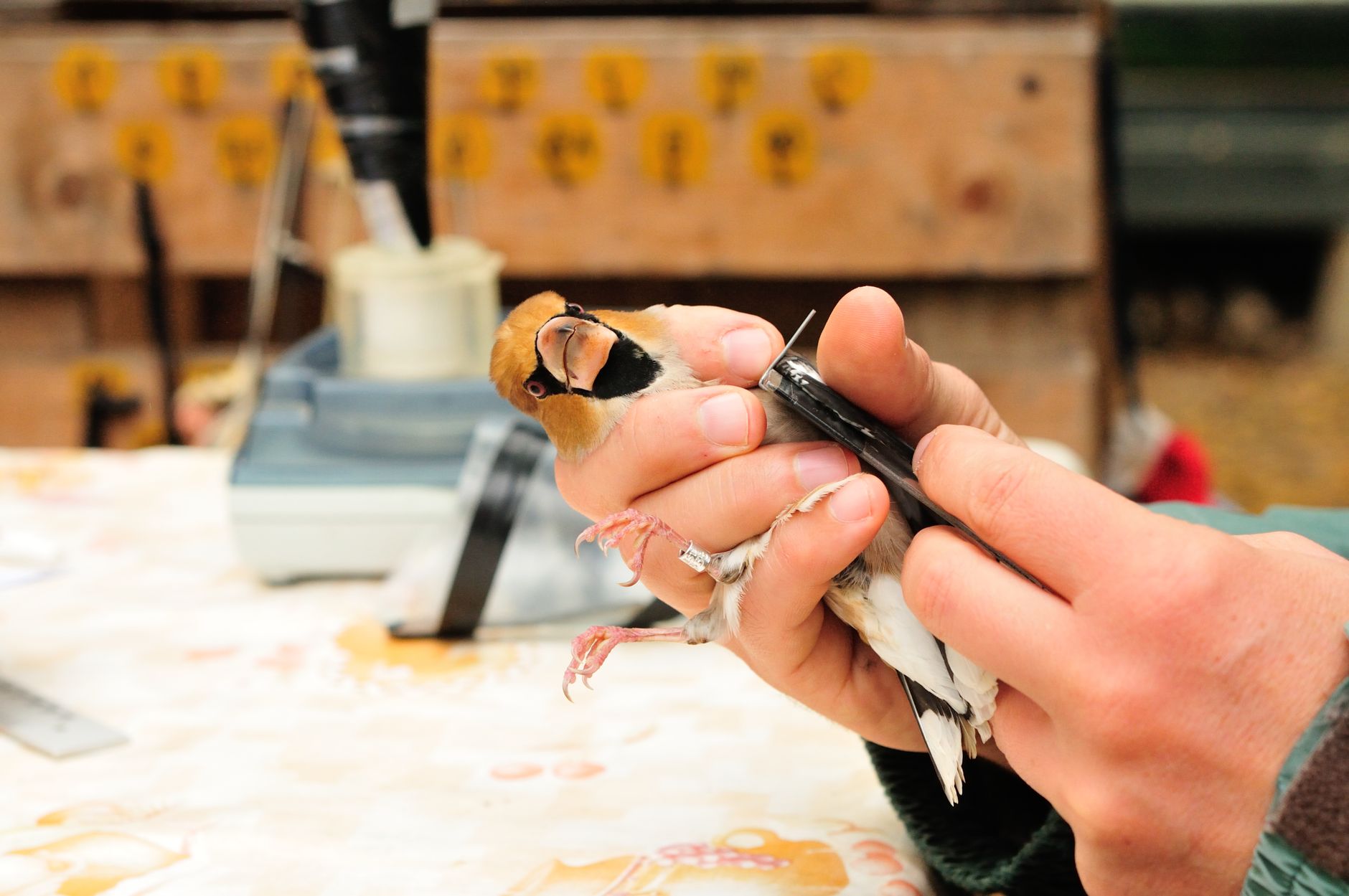
While not as immediately obvious as breathing or droppings, a monthly check of your bird’s beak, feet, and nails is crucial for their long-term health and comfort. A healthy beak should be smooth, symmetrical, and free of overgrowth or cracks. The upper beak should overlap the lower beak slightly, and there should be no signs of discoloration or abnormal texture. Overgrowth of the beak can occur due to nutritional deficiencies, lack of appropriate chewing material, or underlying health issues. If you notice significant overgrowth, it’s important to consult your avian vet, as they may need to trim it professionally. Never attempt to trim a bird’s beak yourself unless you have been specifically trained and equipped to do so, as it’s easy to cause injury.
Your bird’s feet are also vital indicators of health. They should be smooth, with scales that are intact and not overly dry or peeling. Look for any signs of swelling, redness, or lumps, which could indicate infections like bumblefoot. The toes should be able to grip perches comfortably. If your bird is favoring one foot or seems reluctant to put weight on it, investigate further. Nails should be sharp but not excessively long. Overgrown nails can snag on things, leading to injury, and can also affect how your bird perches. If your bird’s nails are growing too long, you’ll need to trim them. I recommend using high-quality bird nail clippers, like theMiller’s Forge Stainless Steel Nail Clipper, which are designed for precision. Always have styptic powder (like Kwik Stop) on hand to stop any bleeding if you accidentally cut the quick. A good rule of thumb is to trim only the very tip, taking off just enough to prevent snagging. If you’re unsure, have your vet show you the correct technique during your next visit. This monthly peripheral check ensures comfort and prevents injuries that can easily be overlooked.
When to Call the Avian Vet: Recognizing Emergencies
While consistent observation can help you catch many issues early, some signs demand immediate veterinary attention. These are not situations where you can wait for your next scheduled appointment; these are emergencies. Any bird that is suddenly unable to fly, is found on the bottom of the cage and unresponsive, is bleeding profusely from any wound, or is experiencing difficulty breathing (tail bobbing, open-mouth breathing, audible wheezing) needs to be seen by an avian veterinarian *immediately*. Other critical signs include sudden, severe lethargy, seizures, vomiting (regurgitation is normal, vomiting is not), or a complete refusal to eat for more than 24 hours, especially if accompanied by other symptoms like weakness or droppings changes. Don’t hesitate; time is often critical in avian medicine.
It’s also wise to have a relationship with an avian veterinarian *before* an emergency strikes. Know their emergency contact information and their policy for after-hours care. Many vets recommend having a small, portable carrier ready with a blanket that can be used for transport in an emergency. I keep Pip’s travel carrier accessible at all times, just in case. When in doubt, always err on the side of caution and call your vet. It’s better to make a potentially unnecessary trip than to delay care for a bird that truly needs it. Remember, birds are prey animals and are masters at hiding illness. By the time they show obvious signs of sickness, they are often very far gone. Your proactive observation and prompt action are their best chance for a full recovery. Consider scheduling an annual wellness check-up with your avian vet for a professional assessment and to discuss any concerns you might have.
Key Takeaways for Proactive Bird Health
Keeping your bird healthy hinges on your diligence. Start by establishing a consistent morning routine: take a full minute to observe your bird’s alertness, breathing, droppings, and overall appearance. Don’t underestimate the power of droppings; they are a daily health report. Make it a monthly habit to conduct a more thorough physical check, examining feathers, skin, beak, feet, and nails closely. Learn your bird’s normal behaviors and vocalizations – any deviation from their usual self is a signal. Finally, know the emergency signs and have a trusted avian veterinarian on speed dial. My recommendation? Invest in a good quality, bright LED flashlight for your monthly checks. It’s a small tool that makes a huge difference in spotting subtle issues you might otherwise miss. Proactive care isn’t just about avoiding illness; it’s about ensuring your feathered companion thrives.
Small changes, real momentum
Get practical guides and templates you’ll actually use — a few thoughtful emails a month.
Frequently Asked Questions
How often should I check my bird’s droppings?
You should be checking your bird’s droppings at least once daily, ideally every time you clean their cage or notice they’ve just produced some. This is the most immediate and often the first indicator of internal health issues. Pay attention to the color, consistency, and volume of all three components: feces, urates, and urine. Any sudden, significant changes that persist for more than 24-48 hours should be noted and potentially discussed with your avian vet. Consistent observation is key here.
What are the most common signs of illness in birds that owners miss?
The most commonly missed signs are subtle behavioral changes and slight alterations in physical appearance. This includes a bird that is slightly less active than usual, a minor change in vocalization (e.g., a hoarser chirp), a small amount of discharge from the eyes or nostrils that dries up quickly, or a slight change in droppings color that you might dismiss as diet-related. Birds are also very good at hiding illness, so you need to know their baseline behavior intimately to spot when they are acting “off.” Lethargy, fluffed feathers, and sitting on the cage bottom are often later-stage symptoms.
Can I use general pet health advice for my bird?
Absolutely not. Birds have vastly different physiology, dietary needs, and disease presentations compared to mammals like dogs or cats. For example, a common medication safe for a dog could be toxic to a bird. Their respiratory systems are also incredibly sensitive to airborne toxins. Always consult an avian veterinarian for any health concerns. What might be a minor issue in another pet could be a life-threatening emergency for a bird. Stick to species-specific advice and always seek out a vet with avian expertise.
What is “normal” feather plucking, and when should I worry?
A small amount of feather dusting or minor preening is normal. However, if you notice bald patches, excessive feather loss that isn’t during a normal molt, damaged feathers, or your bird is actively pulling out feathers, it’s a cause for concern. Feather plucking can stem from a variety of issues, including parasites, skin infections, nutritional deficiencies, environmental stress, boredom, or psychological distress. If you see any signs of excessive feather loss or plucking, it’s crucial to consult your avian vet to determine the underlying cause and treatment plan.
Keep reading
🐾 Our Top Pick
Editor’s Pick: Get a detailed bird field guide for accurate health checks.
For the Love of Your Pet
Care guides, breed insights, and gentle advice for happier pets.