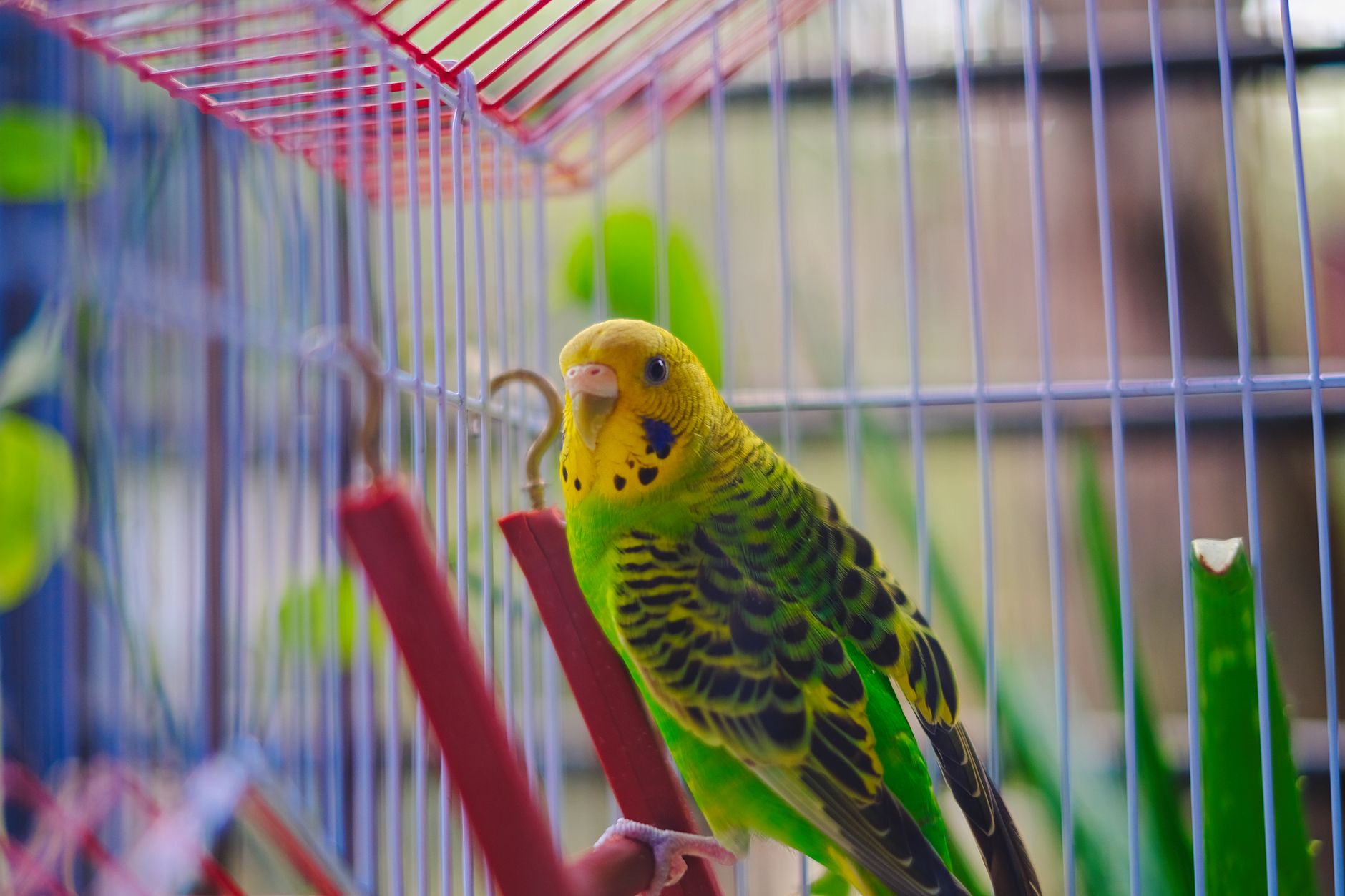
Ever wonder why your budgie seems a bit lethargic, or why their beautiful feathers look a little dull, even when you’re feeding them the best diet? Often, the culprit isn’t what’s *in* the cage, but the cage itself. We get so caught up in choosing the prettiest perches or the fanciest food dishes that we sometimes overlook fundamental design flaws that can seriously impact our feathered friends’ health. I’ve seen it myself in my own setup; a cage that looked great on paper, but after a few months, I noticed my little budgie, Pip, seemed a bit… off. It turns out the ventilation was terrible, and he was essentially breathing stale air all day. This isn’t just about aesthetics; it’s about creating a healthy environment. Poor ventilation can lead to respiratory issues, which are surprisingly common and often misdiagnosed in budgies. Similarly, incorrectly spaced bars or unsafe perches can cause physical harm and stress. Today, we’re going to tackle these common cage problems head-on. We’ll break down exactly what to look for and how to fix it, even if you’re on a budget, because your budgie deserves the best possible home.
10 min read
In This Article
Key Takeaways
- The Stale Air Trap: Why Ventilation is Non-Negotiable
- Bar Spacing: Not Just for Security, But for Safety
- Perch Safety: More Than Just a Place to Rest
- DIY Solutions and Upgrades for a Healthier Habitat
The Stale Air Trap: Why Ventilation is Non-Negotiable
Think about it: your budgie spends 24/7 in their cage. If the air isn’t circulating properly, it becomes a breeding ground for dust, dander, and even airborne bacteria. This isn’t just unpleasant; it can seriously compromise your budgie’s respiratory system. Budgies have incredibly sensitive lungs, and prolonged exposure to poor air quality can lead to chronic respiratory infections, which are notoriously difficult and expensive to treat. In my experience, cages with solid walls on more than two sides, or those with very small mesh openings, are the worst offenders for trapping stale air. A good rule of thumb is that at least 70% of the cage surface area should allow for airflow. This means avoiding cages that look like tiny apartments and opting for those with wide-open sides and ample bar spacing.
When I first got Pip, his cage was one of those decorative, almost enclosed ones. It looked lovely in my living room, but I soon realised it was a disaster for air quality. The dust from his food and droppings just sat there, creating a hazy atmosphere. I ended up switching to a large flight cage, specifically the Prevue Pet Products F040 model, which has a generous 1/2 inch bar spacing and open sides. The difference was night and day. Within a week, Pip was more active, his breathing seemed easier, and the cage itself stayed cleaner for longer. If you have a cage that’s less than ideal, don’t despair! You can often improve ventilation by simply removing solid side panels if your cage design allows, or by ensuring it’s placed in a well-ventilated area of your home, away from drafts but with consistent fresh air exchange. Aim to place it near an open window (but not in direct sun or a draft) for at least a few hours a day, weather permitting.
Aim to place it near an open window (but not in direct sun or a draft) for at least a few hours a day, weather permitting.
Bar Spacing: Not Just for Security, But for Safety
This is one of those issues that trips up a lot of new bird owners. While it might seem like just a structural detail, the spacing of your budgie’s cage bars is critical for their safety. Too wide, and your budgie could get their head stuck, leading to serious injury or even death. Too narrow, and it can feel cramped and restrictive, though this is less common with budgie-specific cages. For budgies, a bar spacing of between 1/2 inch (1.27 cm) and 5/8 inch (1.59 cm) is generally considered ideal. Anything wider than 3/4 inch (1.9 cm) starts to become a risk. I once saw a tragic post online about a budgie that got its head wedged between bars that were just a touch too wide, and it was heartbreaking. It’s a mistake you *never* want to make.
When selecting a new cage, always check the manufacturer’s specifications for bar spacing. Brands like Yaheetech and A&E Cage Company usually provide this information clearly. If you inherited a cage or aren’t sure about its bar spacing, a simple ruler or a piece of cardstock cut to specific widths can help you measure. Hold it up to the bars and see if your budgie’s head could slip through. If you discover your cage bars are too wide, you have a few options. The safest and most recommended approach is to invest in a new cage designed for budgies, like the large rectangular cages from Prevue or Yaheetech, which often run around $70-$150. However, if that’s not immediately possible, you can temporarily reinforce the bars. One DIY method involves using untreated, safe wood dowels or even safe plastic zip ties to cover sections of the wider gaps, effectively reducing the opening size. Ensure any materials used are non-toxic and that your budgie can’t chew them off and ingest them. This is a temporary fix; upgrading the cage should always be the long-term goal.
This is a temporary fix; upgrading the cage should always be the long-term goal.
Perch Safety: More Than Just a Place to Rest
Perches are fundamental to a bird’s well-being, but not all perches are created equal. The wrong perches can lead to serious foot problems like bumblefoot (pododermatitis), arthritis, and even paralysis. The most common mistake I see is using uniform, dowel-rod perches that are all the same diameter. This forces your budgie’s feet into the same position for hours on end, cutting off circulation and causing strain. Your budgie’s feet are designed to grip uneven surfaces, and variety is the spice of life – and foot health! I always recommend a mix of perch types and diameters to give their feet a workout and prevent pressure sores.
The ideal perch setup involves a variety of natural branches from safe, non-toxic trees like apple, pear, or ficus. You can often find these at pet stores, or if you’re lucky enough to have them in your yard, ensure they are thoroughly cleaned and pesticide-free. Aim for perches that range in diameter from about 3/8 inch (1 cm) to 3/4 inch (2 cm). Additionally, incorporate some flat perches or platforms, like those made from wood or even sturdy cardboard, to give their feet a break. When placing perches, ensure they aren’t directly over food or water dishes to prevent contamination from droppings. Also, make sure no two perches are perfectly aligned, forcing your budgie to stretch or contort uncomfortably. A good strategy is to place perches at different heights and angles, encouraging movement and providing varied resting spots. Many owners, myself included, find that replacing at least 50% of the standard dowel perches with natural wood options makes a noticeable difference in their budgie’s foot health and overall comfort within a month.
A good strategy is to place perches at different heights and angles, encouraging movement and providing varied resting spots.
DIY Solutions and Upgrades for a Healthier Habitat
Don’t have the budget for a brand-new, top-of-the-line cage right now? No problem! There are plenty of practical, DIY solutions you can implement to significantly improve your current budgie’s living situation. For ventilation issues, if your cage has solid plastic bases that extend high up the sides, consider carefully cutting out sections to increase airflow, provided the structural integrity isn’t compromised. You can then reinforce the edges with smooth, non-toxic tape or by attaching a slightly larger plastic tray to the outside. For bar spacing, as mentioned, using safe wooden dowels or even sturdy, bird-safe plastic tubing can bridge wider gaps. You can often find these at hardware stores for under $10. Just ensure they are securely fastened and that your budgie can’t chew them into small, ingestible pieces.
When it comes to perches, the DIY options are fantastic and often more engaging for your budgie. Collect safe, fallen branches from outside – think apple, pear, or oak. Ensure they are thoroughly scrubbed and baked at a low temperature (around 200°F or 93°C for 30 minutes) to kill any potential pests or bacteria. Then, simply drill holes in your cage bars or use stainless steel cage clips (available for about $5-$10 for a pack of 10) to attach these natural perches. Varying diameters are key; aim for at least three different sizes. You can also create simple wooden platforms by cutting small pieces of untreated pine or balsa wood and attaching them securely. These DIY upgrades not only improve your budgie’s health but also provide essential mental stimulation as they explore their new, enriched environment. Many owners report a visible increase in their budgie’s activity levels and a decrease in stress-related behaviors within just two weeks of implementing these changes.
Choosing the Right Cage: What to Look For
When you *are* ready to invest in a new cage, or if you’re setting up for your very first budgie, keep these key features in mind. Prioritize space: the bigger, the better. A flight cage, typically measuring at least 24 inches wide, 16 inches deep, and 18 inches high, is ideal, though larger is always preferable. Look for a bar spacing of 1/2 inch to 5/8 inch. Horizontal cage bars are generally better than vertical ones as they allow budgies to climb more easily. The cage material should be durable and non-toxic; stainless steel is the gold standard but pricey. Powder-coated steel is a good, more affordable alternative, just ensure it’s a reputable brand that uses bird-safe, non-toxic coatings. Avoid cages with large grate bottoms that can trap feet; a removable tray for easy cleaning is essential, but the main floor should be solid or have very fine mesh.
Consider the door mechanisms. Cages with multiple doors of varying sizes (a large main door and smaller access doors for feeding or health checks) are more convenient. Latches should be secure enough to prevent your budgie from escaping but easy enough for you to operate. Lastly, think about the overall design for ease of cleaning. Cages with smooth surfaces and minimal nooks and crannies where dirt can accumulate will save you a lot of scrubbing time. Brands like Prevue Pet Products, Yaheetech, and A&E Cage Company offer excellent options that balance space, safety, and affordability. For example, the Prevue Pet Products F040 (often around $80-$100) is a popular choice that meets most of these criteria, offering ample space and appropriate bar spacing for budgies. Remember, the cage is your budgie’s entire world, so making it a safe, healthy, and stimulating environment should be your top priority.
Small changes, real momentum
Get practical guides and templates you’ll actually use — a few thoughtful emails a month.
Frequently Asked Questions
My budgie seems to be constantly sneezing. Could it be the cage?
Yes, absolutely. Frequent sneezing in budgies is a very common sign of poor air quality within the cage. Dust from seed hulls, dander, and even airborne mold spores can irritate their sensitive respiratory systems. If your cage has poor ventilation, or if it’s located in a dusty or smoky environment, this can exacerbate the problem. Ensure the cage is cleaned regularly, at least a spot clean daily and a full clean weekly. Also, consider adding an air purifier near the cage, especially during allergy seasons or if you live in a particularly dry climate. If the sneezing persists for more than a few days, it’s always best to consult with an avian veterinarian to rule out other health issues.
What’s the best way to clean a cage with natural wood perches?
Cleaning natural wood perches requires a bit more care than standard dowel perches. For routine cleaning, you can use a damp cloth with a bird-safe disinfectant spray (diluted white vinegar or a specialized avian cleaner are good options) and wipe them down. For deeper cleaning or if you notice any signs of mold or mites, you can remove the perches and scrub them with hot, soapy water, then rinse thoroughly. After washing, it’s crucial to let them air dry completely, which might take 24-48 hours, before returning them to the cage. Some owners even opt to bake them at a low temperature (around 200°F or 93°C for 30 minutes) after washing to ensure they are completely dry and sanitized, though this is usually reserved for when perches are first introduced or if there’s a suspected issue.
Is it okay for my budgie to have a perch that’s slightly too wide, if they don’t seem bothered?
While your budgie might not *appear* bothered, consistent use of perches that are too wide can still cause long-term foot problems. Their toes should be able to wrap around the perch comfortably, with the tips of their toes reaching or slightly overlapping the point where the toes bend. If the perch is too wide, their toes will be too splayed, putting excessive pressure on the underside of their feet and leading to issues like bumblefoot or arthritis over time. It’s much better to be proactive. Replacing even one or two of the wider perches with a correctly sized natural branch or a thinner dowel can make a significant difference in preventing future health complications. Think of it as preventative healthcare for your bird’s feet.
Ensuring your budgie has a safe and healthy cage environment is paramount, and it often comes down to addressing a few common design flaws. Firstly, prioritize excellent ventilation by choosing cages with open sides and adequate airflow; this is crucial for preventing respiratory issues, which can arise from stale air and dust accumulation. Secondly, pay close attention to bar spacing, ensuring it’s between 1/2 and 5/8 inch to prevent your budgie from getting their head stuck. Finally, offer a variety of perch types and diameters, ideally incorporating natural branches, to promote healthy feet and prevent conditions like bumblefoot. Don’t underestimate the impact of these seemingly small details on your budgie’s overall well-being. A healthy cage leads to a happy, active bird, and that’s what we all want for our feathered companions.
Keep reading
For the Love of Your Pet
Care guides, breed insights, and gentle advice for happier pets.