Disclosure: This post contains affiliate links. If you click through and make a purchase, we may earn a small commission at no extra cost to you. Thank you for supporting this site!
Did you know that a male Bengal cat can weigh over 15 pounds, while a female might top out at a sleek 10? I learned this the hard way when my first Bengal, a boisterous male named Leo, confidently hopped onto a wall-mounted cat shelf rated for 20 lbs—only for me to realize his hefty frame, combined with a running start, was pushing the limits of its safety. That moment highlighted a core truth: choosing between a male and female Bengal isn’t just about preference; it’s a decision that impacts your home’s dynamics, your budget, and your daily routine for the next 12 to 16 years. While both sexes share the breed’s iconic wild-looking coat and energetic spirit, the differences in their size, territorial behaviors, and even their susceptibility to certain health issues are significant enough to warrant a deep dive. This guide will dissect the realities of living with each, backed by veterinary insights and my own experience raising both genders, to help you decide which spotted companion truly fits your life.
8 min read
In This Article
Key Takeaways
- Physical Characteristics and Size Differences
- Temperament and Personality Traits
- Behavioral Nuances and Training
- Health Considerations and Lifespan
Physical Characteristics and Size Differences
The most immediately obvious difference between male and female Bengals is their size and build. Males are substantially larger, a trait known as sexual dimorphism that’s common in the animal kingdom. A healthy, neutered male Bengal typically weighs between 10 and 15 pounds, with some individuals, especially early-generation hybrids, reaching a muscular 18 pounds or more. Females are noticeably more petite, generally weighing between 8 and 12 pounds. It’s not just about weight, though; males have broader heads, thicker necks, and more prominent jowls, especially if they were neutered after sexual maturity. This gives them a more “blocky” and powerful appearance compared to the finer-boned, more graceful silhouette of a female. When I brought home my female, Sasha, after years with Leo, the difference was startling—her sleek 9-pound frame seemed to glide through the air during leaps that Leo would have executed with a thunderous landing.
Beyond the scale, their growth patterns differ. Males often continue filling out until they are around two years old, gaining muscle mass and bulk. Females usually reach their full size closer to 18 months. This has practical implications for purchasing supplies. A large male will require a sturdier, more substantial cat tree. I’d recommend the Feandrea 68-inch Multi-Level Cat Tree (model #C00241), which has a base dimension of 24″ x 17″ and can support up to 110 lbs, easily accommodating a large Bengal’s acrobatics. A female might be perfectly happy with a smaller, more vertical option like the Frisco 72-inch Cat Tree & Condo, which has a smaller footprint but ample height for climbing. Their larger size also means males simply eat more; expect to budget 15-20% more for high-quality food for a male cat throughout his life.
Their larger size also means males simply eat more; expect to budget 15-20% more for high-quality food for a male cat throughout his life.
Temperament and Personality Traits
While every Bengal cat is an individual with a unique personality, clear trends emerge between the sexes, largely influenced by hormones and social behavior. Male Bengals, particularly those neutered after reaching maturity, are often described as more overtly affectionate and “dog-like.” They tend to form a very strong, sometimes clingy, bond with one person and are more likely to be lap cats. Leo, for instance, would follow me from room to room and insist on being involved in whatever I was doing, whether it was working at my desk or making dinner. This affable nature often makes them more tolerant of changes in the household, such as the introduction of new pets or visitors.
Females, on the other hand, are frequently more independent and discerning. They are incredibly intelligent and playful but often on their own terms. Sasha loves a vigorous chase session with a wand toy like the GoCat Da Bird rod and feather teaser, but when she’s done, she’s done, and she’ll retreat to a high perch to observe. They can be more territorial than males, especially with other female cats, and may take longer to warm up to strangers. This isn’t to say they aren’t loving; their affection is often more subtle—a gentle head-butt or a quiet purr while sitting nearby. A 2019 study published in the journal Scientific Reports found that female cats are often more sensitive and reactive to subtle environmental stimuli, which aligns with the observant nature I’ve seen in female Bengals.
Behavioral Nuances and Training
Bengals are highly trainable, but your approach may need to shift based on gender. Males, with their food-motivated and people-pleasing tendencies, often excel at clicker training for tricks like “sit,” “high-five,” and even walking on a harness. I trained Leo to fetch a small ball using positive reinforcement with freeze-dried chicken treats, a process that took just a few weeks of consistent 5-minute daily sessions. Their playful, sometimes goofy, demeanor makes training feel like a game.
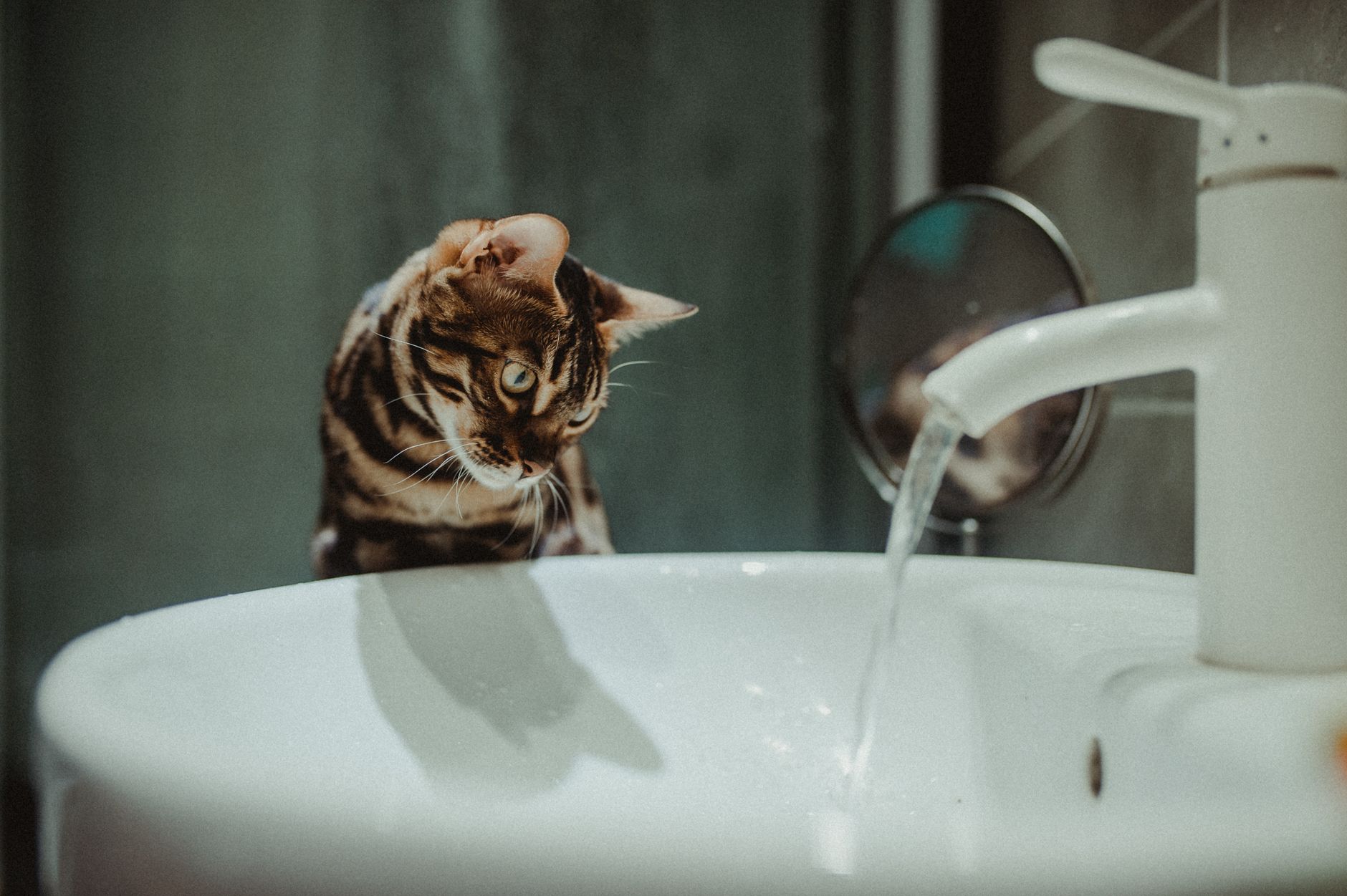
Female Bengals present a different, often more stimulating, challenge. They are typically smarter and more problem-solving oriented. While they can learn tricks, they are more likely to get bored with repetition. The key is to make training a puzzle. Sasha was far more engaged by puzzle feeders like the Trixie Activity Flip Board than by simple fetch. She would spend 20 minutes meticulously working kibble out of the various compartments. This intelligence means they are also more adept at learning how to open cabinets and doors, so childproof locks are a non-negotiable investment for a female Bengal owner. Both genders have a high propensity for mischief if bored, but the female’s cunning often leads to more sophisticated operations, like figuring out how to turn on faucets.
Health Considerations and Lifespan
From a health perspective, there are gender-specific concerns every Bengal owner should monitor. The most significant difference arises if a cat is left intact for breeding purposes. Intact males are prone to spraying urine to mark their territory, a behavior that produces an odor far stronger than normal urine and is extremely difficult to eliminate. Intact females will go into heat cycles every few weeks, resulting in loud, persistent vocalization and restless behavior. For these reasons, the vast majority of pet Bengals are spayed or neutered, typically between 4 and 6 months of age, a procedure that costs between $300 and $600 at a private veterinary clinic.
Even after sterilization, some health disparities remain. Male cats, particularly larger breeds like the Bengal, have a higher risk of developing urinary tract issues, including potentially life-threatening urethral obstructions. This makes their diet critically important; I always opt for high-moisture foods like Weruva Paw Lickin’ Chicken canned food or a balanced raw diet to support urinary health. Females, while not immune, have a wider urethra and are less prone to blockages. On the other hand, spayed females have a slightly elevated risk of becoming overweight if their diet isn’t carefully managed post-surgery. Both genders share breed-specific risks, such as a predisposition to hypertrophic cardiomyopathy (HCM) and progressive retinal atrophy (PRA), making annual vet check-ups, which can cost $150-$250, essential. With proper care, both male and female Bengals have a similar lifespan of 12 to 16 years.
With proper care, both male and female Bengals have a similar lifespan of 12 to 16 years.
The Real Cost of Ownership: A Gender Breakdown
The financial commitment to a Bengal cat is substantial, and the gender of your cat will influence your long-term budget. The initial purchase price from a reputable breeder is similar, often ranging from $1,500 to $3,000. However, ongoing costs diverge. The larger male Bengal simply consumes more resources. He will eat more food—expect to spend an extra $15-$25 per month on a premium diet compared to a female. His larger size also means he’ll outgrow standard-sized carriers and beds more quickly. A sturdy carrier like the Petmate Two-Door Top-Load Kennel (21″ version for females, 28″ version for large males) is a must for vet visits.
Potential medical costs can also differ. While routine care is comparable, the higher risk of urinary blockages in males can lead to emergency vet bills that easily exceed $1,500 for diagnosis and treatment. Investing in pet insurance is a wise decision; a comprehensive plan for a Bengal kitten from a provider like Healthy Paws can cost $35-$50 per month but can save thousands in an emergency. For females, the focus may be more on managing weight gain post-spaying, which could involve purchasing interactive feeders to slow down eating, adding another $20-$40 to your initial setup cost. Over a 15-year lifespan, the total cost of ownership for a male Bengal can be 10-15% higher than for a female due to these cumulative factors.
Which Bengal is Right for Your Home?
Choosing between a male and female Bengal ultimately comes down to your lifestyle and what you’re looking for in a feline companion. If you desire a large, overtly affectionate, and gregarious cat that will be your shadow and thrives on constant interaction, a male Bengal is likely your best match. His playful, sometimes clumsy, charm is endearing, but be prepared for his greater physical presence and slightly higher maintenance costs. He often does well in multi-pet households, especially if the other animals are calm and accepting.
A female Bengal is the ideal choice for an owner who appreciates a sophisticated, independent, and highly intelligent companion. She will bond deeply with you but express it with quiet dignity rather than constant demands for attention. Her smaller size and more meticulous nature can make her a better fit for apartments or homes where space is at a premium. However, her territorial instincts mean introductions to other pets, particularly other cats, must be done slowly and carefully. She requires a owner who will provide advanced mental stimulation to keep her brilliant mind occupied. In my experience, a female Bengal isn’t just a pet; she’s a fascinating and complex roommate.
Key Takeaways and Final Recommendation
After living with both, the choice is clear but personal. For a first-time Bengal owner or a family with a busy, active household, the male’s resilient and openly affectionate nature often makes for an easier adjustment. For the experienced cat owner who values a deep, intelligent bond and is prepared to provide sophisticated enrichment, the female’s discerning personality is incredibly rewarding. Whichever you choose, commit to a high-quality diet, ample vertical space with a cat tree over 6 feet tall, and at least 30-45 minutes of dedicated interactive play daily. Visit a reputable breeder and spend time with both the male and female kittens and their parents; the best indicator of your future cat’s personality is right there in front of you. Prepare your home with sturdy, well-made products and a realistic budget, and you’ll be rewarded with a truly extraordinary companion for years to come.
Small changes, real momentum
Get practical guides and templates you’ll actually use — a few thoughtful emails a month.
Sources & further reading
- Male (en.wikipedia.org)
- Male (simple.wikipedia.org)
- Changing Data Sources in the Age of Machine Learning for Official Statistics (arxiv.org)
Frequently Asked Questions
Are male or female Bengals more affectionate?
Male Bengals are typically more overtly and consistently affectionate. They are known for forming strong, “velcro-like” bonds with their primary caregiver and often seek out physical contact, like sitting on laps. Females are deeply affectionate but often express it in more subtle ways, such as following you around the house or offering gentle head-butts, and they are more likely to initiate affection on their own terms. This doesn’t mean they love you less; they simply have a more independent way of showing it.
Which gender of Bengal is easier to train?
Ease of training depends on your goal. Males are often easier to train for simple, repetitive tricks using food motivation, as they tend to be highly food-driven and eager to please. Females can be trained just as effectively, but they require a more engaging, puzzle-like approach to hold their interest. They excel at problem-solving tasks, so training that involves figuring out how to get a treat from a puzzle toy will often be more successful with a female than repetitive “sit-stay” drills.
Do male Bengals get along better with other cats?
Generally, yes. Neutered male Bengals often have a more easygoing and tolerant demeanor towards other cats, including males. They are less territorially driven than females and can integrate into a multi-cat household more smoothly. Introducing a female Bengal to an existing cat, particularly another female, requires a much slower and more careful introduction process, as they can be more territorially assertive and less accepting of newcomers.
For the Love of Your Pet
Care guides, breed insights, and gentle advice for happier pets.