Your Bird’s Life Depends on Getting This Right
Most bird owners unknowingly create a deathtrap when they set up their first cage, and the worst part is they don’t realize it until it’s too late. Whether you’re bringing home a parakeet, cockatiel, or African grey, the difference between a safe sanctuary and a hazard zone comes down to a handful of non-negotiable setup decisions you make right now.
Disclosure: This post contains affiliate links. If you click through and make a purchase, we may earn a small commission at no extra cost to you. Thank you for supporting this site!
This bird cage setup guide cuts through the noise and delivers exactly what you need: practical, safety-first recommendations backed by avian veterinary consensus. Forget the cute-but-dangerous accessories you see on social media. We’re covering bar spacing, material toxicity, perch placement, and everything else that matters before you introduce your bird to its new home.
Why Most Bird Cage Setups Fail the Safety Test
The pet industry sells you aesthetics. Safety is your job. Walk into any big-box pet store and you’ll see cages with dangerous zinc coatings, flimsy welds that collapse under a cockatoo’s beak, and bar spacing that guarantees a broken leg or a head stuck between bars. Bird cage setup best practices start with understanding that the cage itself is the foundation, and if that foundation is compromised, nothing else you do matters.
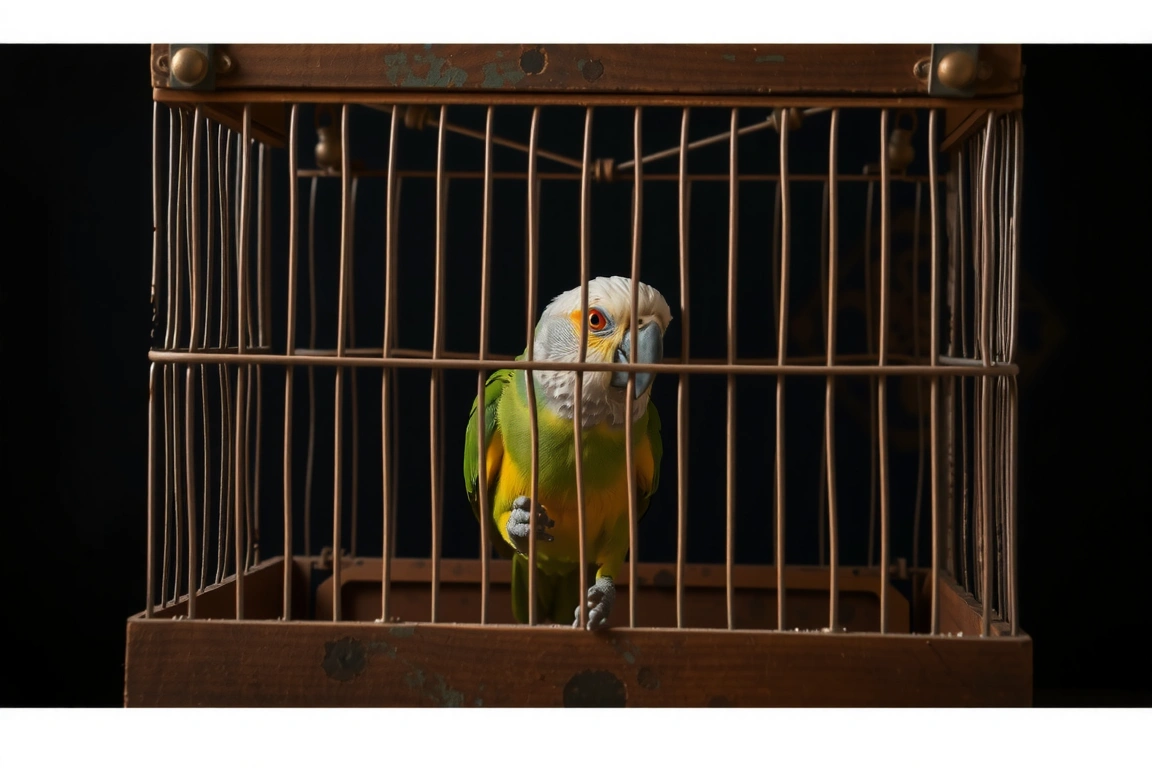
Here are the three most common safety failures we see repeatedly:
- Wrong bar spacing: Birds can squeeze through gaps that look too small. A cockatiel needs bars no wider than 5/8 inch, while a conure needs 3/4 inch maximum. Measure before you buy.
- Toxic materials: Galvanized steel with zinc, lead-based paints, and copper or brass fittings are everywhere in cheap cages. These cause heavy metal poisoning that takes weeks to show symptoms.
- Poor structural integrity: A cage that wobbles when your bird climbs is a cage that will eventually fall. Bolted connections beat clip-together joints every time.
Buying a cage from a reputable brand like A&E Cage Company or Prevue Hendryx eliminates most of these problems upfront, but you still need to verify every component yourself.
Quick Safety Checklist Before Assembly
- Inspect all welds for sharp points or gaps
- Scratch the interior finish with a key to check for paint chipping
- Tug on every door hinge and latch with moderate force
- Check that feeder doors close flush with no pinch points
- Confirm the floor grate sits level and doesn’t wobble
Bar Spacing, Material Safety, and Cage Dimensions That Actually Work
This is where most bird cage setup advice gets dangerously vague. “Get the right size” tells you nothing. Let’s get specific.
Bar Spacing by Species
| Bird Species | Maximum Bar Spacing | Minimum Cage Size (single bird) | Wire Gauge (thickness) |
|---|---|---|---|
| Budgie / Parakeet | 1/2 inch | 18″ x 18″ x 18″ | 18-20 gauge |
| Cockatiel / Lovebird | 5/8 inch | 20″ x 20″ x 24″ | 16-18 gauge |
| Conure / Senegal | 3/4 inch | 24″ x 24″ x 24″ | 14-16 gauge |
| African Grey / Amazon | 1 inch | 32″ x 23″ x 36″ | 10-12 gauge |
| Macaw (large) | 1.25 – 1.5 inches | 36″ x 28″ x 45″ | 8-10 gauge |
Never guess on bar spacing. Measure the distance between the inside edges of two horizontal bars using a caliper or ruler. If the cage is marketed as “multi-species,” it’s probably wrong for your specific bird.
Material Toxicology You Need to Know
Stainless steel is the only material that is 100% safe for all birds. Yes, it costs more. A stainless steel cage from Montana Cages or Kings Cages runs $400 to $1,200 depending on size, but that cage will outlast your bird and never leach toxins. Powder-coated steel is acceptable if the coating is non-toxic and chip-resistant — the Prevue Hendryx Flight Cage ($89 at Chewy) uses a safe powder coat, but inspect it monthly for chips and touch them up immediately.
Things you must avoid entirely:
- Galvanized wire: Contains zinc. Even small amounts of ingested zinc cause lethargy, vomiting, and organ failure in birds.
- Brass or copper: Highly toxic when chewed.
- Painted wood frames: Most paints contain VOCs that off-gas for months.
- Wrought iron: Often treated with lead-based blackening agents.
Perch Placement That Prevents Injury and Disease
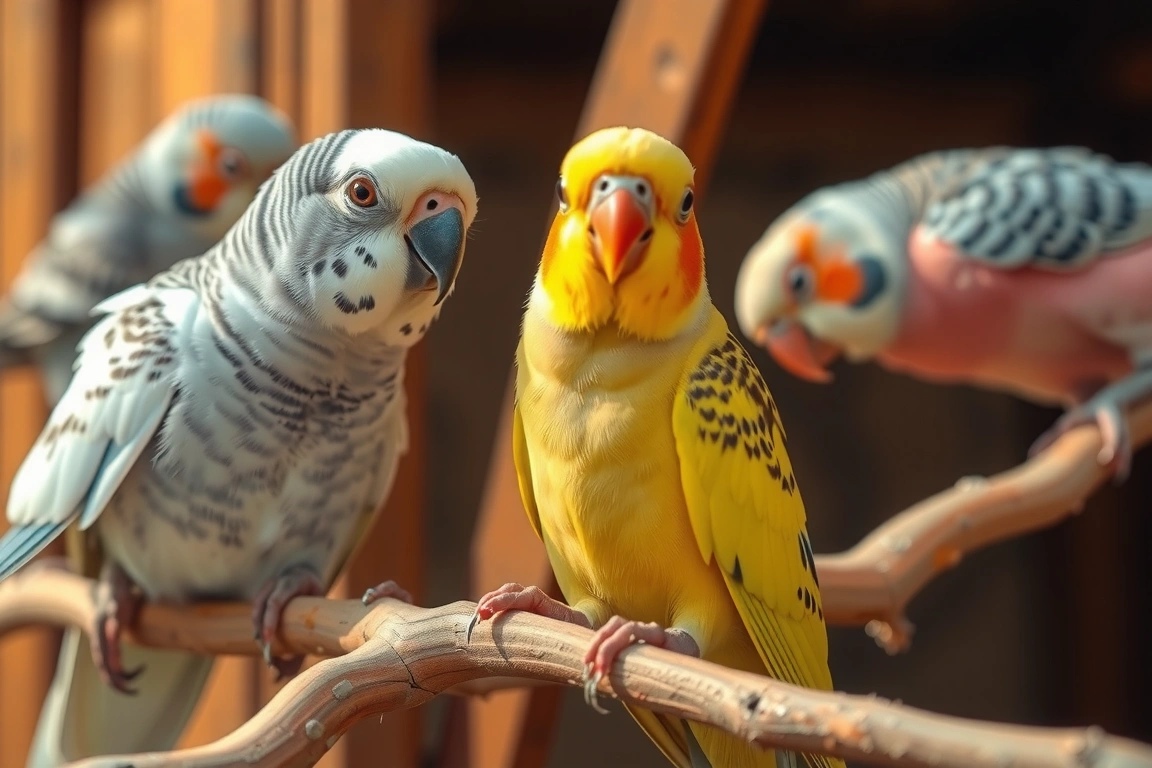
Perch placement isn’t about aesthetics — it’s about biomechanics. A bird that only uses dowel perches of the same diameter will develop bumblefoot (a painful bacterial infection) within months because the constant pressure on the same points of the foot creates sores. Bird cage setup best practice demands variety.
The Perch Strategy That Works
- Use 3-5 different perch diameters ranging from the size of your pinky finger to the size of your thumb. This exercises different muscle groups in your bird’s feet and prevents pressure sores.
- Place one perch in front of each food and water dish so your bird can eat and drink comfortably without stretching or balancing.
- Install one high perch near the cage top where your bird sleeps. Birds naturally seek the highest point for security. Make sure this perch is wide enough that the bird’s toes don’t wrap all the way around — about 1.5 times the diameter of the bird’s foot width.
- Avoid placing perches directly over food dishes. Droppings will contaminate the food and water within hours.
product recommendation: The PawHut Natural Wood Perch Variety Pack ($12.99 on Amazon) gives you five different diameters and textures. Supplement with a flat perch like the Booda “Comfy Perch” ($8.49) for foot rest.
Location of the Cage in Your Home
Where you put the cage matters as much as what you put inside it. Birds have respiratory systems that are 10 to 50 times more sensitive than mammals. Common household items that are harmless to you are deadly to your bird.
Danger Zones to Avoid
- Kitchen: Non-stick cookware releases PTFE fumes when overheated that kill birds within minutes. Even “safe” self-cleaning ovens reach temperatures that produce toxic gases. Never put a bird cage in or near the kitchen.
- Direct sunlight through windows: Birds overheat quickly because they don’t have sweat glands. A window that gets afternoon sun can raise the cage interior temperature 15-20 degrees above room temperature in under an hour. Place the cage in bright indirect light.
- Drafts and air vents: Birds can’t regulate their body temperature as efficiently as mammals. HVAC vents, drafty windows, and exterior doors create temperature swings that stress immune systems.
- Low-traffic corners: Birds are flock animals. Isolating the cage in a quiet corner makes your bird feel abandoned. Place the cage in a room where you spend time but not in the middle of a high-traffic hallway.
Ideal placement: Against an interior wall in your living room or home office, at eye level or slightly above, in a spot where your bird can see you but isn’t directly in a window draft or near a heat source. If you must have the cage near a window, install a sheer curtain to diffuse light and block drafts.
Feeder and Water Station Safety
Contaminated food and water cause more avian illness than almost anything else. The way you set up the feeding station in your bird cage setup determines how easy it is to keep clean — and how likely your bird is to stay hydrated and nourished.
Dish Material and Placement
Stainless steel dishes are the gold standard. They’re non-porous, don’t harbor bacteria, and can be washed in the dishwasher. Ceramic dishes are acceptable if they are glazed and unglazed bottoms are a bacterial breeding ground. Plastic dishes should be avoided — they get microscopic scratches that trap bacteria and cannot be fully sanitized.
Brands like Lixit and Living World make heavy-gauge stainless steel crocks that stay put and won’t tip. A 10-ounce stainless crock runs about $6.99.
Water Safety You Can’t Ignore
- Change water twice daily minimum. Room temperature water left for 12 hours grows significant bacteria, especially in warm environments.
- Clean water dishes with a bottle brush and hot soapy water daily. Use a 1:10 bleach solution once per week, rinse thoroughly, and air dry.
- Water bottle vs. bowl: Use both. Water bottles don’t get contaminated with food or droppings, but many birds don’t drink enough from bottles alone. Provide a bowl for primary drinking and a bottle as backup.
- Never use distilled water. It lacks minerals that birds need. Filtered tap water (through a carbon filter that removes chlorine but leaves minerals) is ideal.
Toy Selection and Arrangement to Avoid Injury
Toys are enrichment, but they’re also the #1 source of cage injuries when selected or placed incorrectly. The bird cage setup guide for toys is simple: less is more, and safety trumps aesthetics.
What to Inspect on Every Toy
- Ropes and fibers: Cotton and sisal ropes must be monitored weekly for fraying. Loose threads wrap around toes and tongues and can amputate digits. The Planet Pleasures brand uses safe materials and replaceable parts. A typical preening toy runs $7.99 to $14.99.
- Clips and fasteners: Split rings and quick links should be fully closed with no gap. If you can wedge your fingernail into the gap, your bird can get a beak or toe caught.
- Bells: Avoid open-ended bells. The clapper (the little ball inside) can become lodged in a bird’s throat. Bonka Bird Toys makes stainless steel bells with welded clappers that are safe.
- Small parts: Any toy with parts small enough to fit inside your bird’s mouth is a choking hazard. If you have a small bird like a budgie or parrotlet, use toys labeled specifically for their size.
Arrangement Strategy
Place no more than 3-4 toys in the cage at once. Rotate them weekly to prevent boredom. Arrange toys so your bird still has clear flight paths — a cage cluttered with toys is an accident waiting to happen. Hanging toys on the outside of the cage (attached to the bars) adds enrichment without eating interior space.
Cage Cleaning Protocol That Prevents Illness
You can’t see bacteria. That’s why a visual inspection of a “clean” cage is meaningless. Bird cage setup includes a cleaning schedule that you commit to on a calendar.
Daily Tasks (5 minutes)
- Remove soiled papers or liner from the bottom tray
- Wipe down food and water dishes with hot water (no soap unless rinsing thoroughly)
- Spot-clean any perches that have droppings on them
- Remove any wet or soiled food from bowls
Weekly Tasks (15-20 minutes)
- Remove all toys, perches, and dishes from the cage
- Clean the entire cage with a bird-safe cleaner: F10 SC Veterinary Disinfectant ($24.99 for 100ml concentrate, which makes 100 liters of spray) or Poop-Off Bird Cage Cleaner ($14.99 for 32 oz)
- Scrub the grate and bottom tray with a stiff brush
- Wash all dishes in the dishwasher or with hot soapy water and rinse thoroughly
- Inspect all cage components for wear, corrosion, or damage
Monthly Tasks (30 minutes)
- Deep clean the entire cage: disassemble if possible and wash every component
- Wipe down cage bars with a damp cloth to remove dust and dander
- Check all fasteners, hinges, and latches for tightness and function
- Replace any toys that show signs of wear
- Rotate perches and rearrange the cage layout
FAQ Section
Should I cover my bird’s cage at night?
Most birds benefit from 10-12 hours of dark, quiet sleep. A breathable cage cover (cotton or fleece, never plastic) helps block drafts and light. However, some birds are frightened by complete darkness — use a cover that lets in a small amount of ambient light if your bird seems stressed. Never cover the cage so tightly that airflow is restricted.
How do I know if my cage has toxic materials?
If the cage is powder-coated or painted, contact the manufacturer with the model number and ask for a Material Safety Data Sheet (MSDS). If the cage is galvanized (looks like a dull silver coating with a spangled pattern), assume it contains zinc. Stainless steel is the only material that is guaranteed non-toxic. When in doubt, buy a new cage from a trusted brand rather than risk your bird’s health.
Can I put the cage in my bedroom?
Yes, with precautions. Bedrooms often have less air circulation and more dust (from bedding, carpets, etc.). Make sure the room is well-ventilated and free of scented Candles, essential oil diffusers, and fabric softeners. Also consider that birds are early risers — if you want to sleep past sunrise, you’ll need a blackout cage cover.
What is the safest type of cage grate?
A removable stainless steel grate with bars spaced 1/2 to 3/4 inch apart is ideal. The grate keeps your bird away from droppings in the bottom tray. Avoid solid grates that trap waste. The grate should be removable for cleaning — if you can’t easily remove and scrub the grate, you won’t clean it often enough.
How many perches should I have in the cage?
Three to five perches is the sweet spot for most birds. Provide one perch at the highest sleeping spot, one in front of food and water dishes, and one or two intermediate perches for exercise. More than five perches in a standard-sized cage creates clutter and restricts movement.
Your Next Step: Audit Your Current Setup Today
You now have the complete framework for a safe bird cage setup. Don’t wait until your bird shows symptoms of poisoning, injury, or illness to take action. Walk over to your cage
For the Love of Your Pet
Care guides, breed insights, and gentle advice for happier pets.