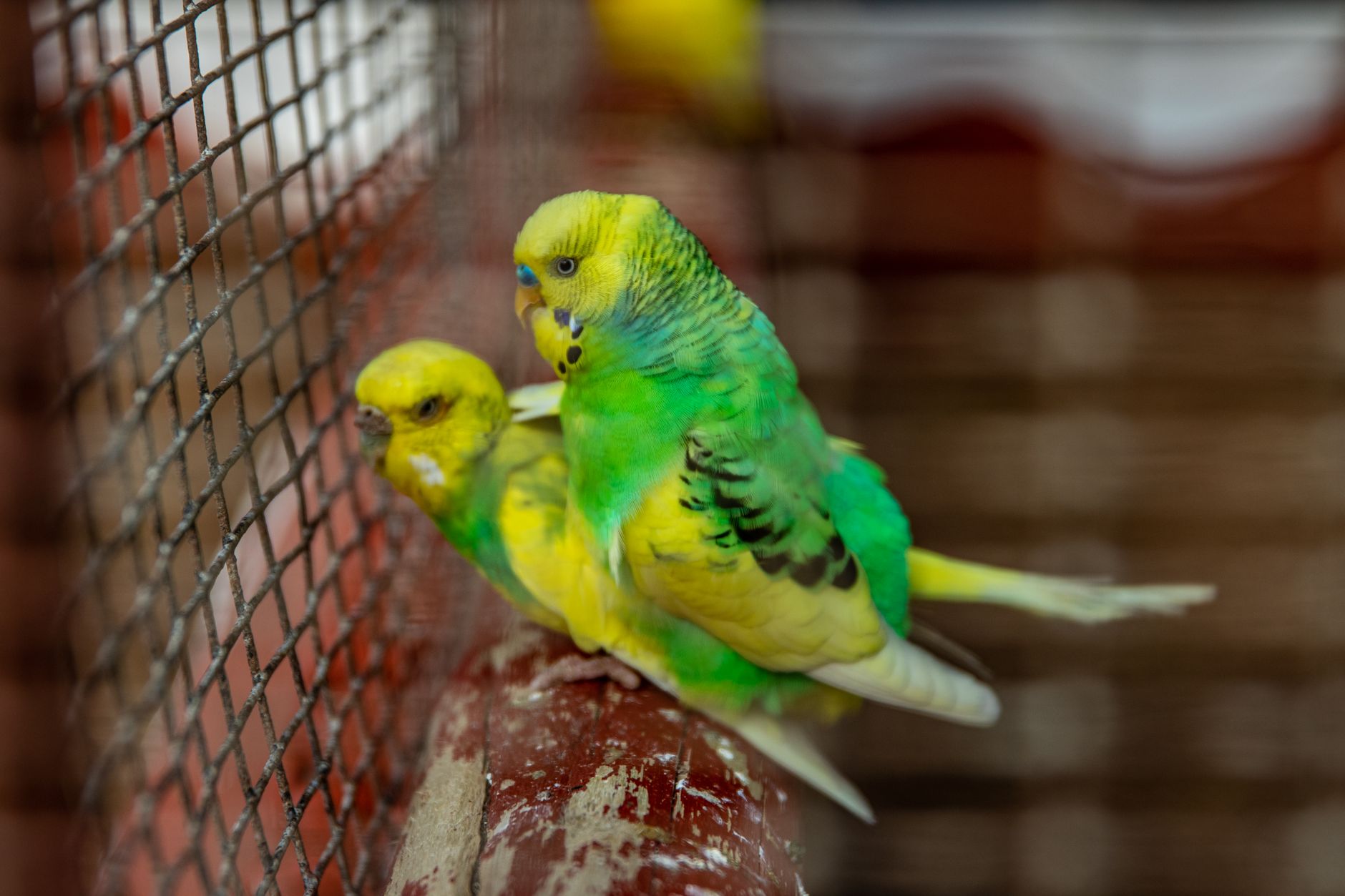
The Complete Budgie Care Guide: Everything New Owners Need to Know
Bringing a budgie (also known as a parakeet) into your home is a rewarding experience that combines vibrant personality, lively chatter, and relatively low‑maintenance care—provided you set up the environment correctly from day one. This guide walks you through every essential step, from selecting the perfect cage to establishing a daily routine that keeps your feathered friend healthy, happy, and engaged. By the end of this article you will be able to choose appropriate housing, furnish it with safe perches and toys, formulate a balanced diet, recognize early signs of illness, and maintain a clean, stimulating habitat that meets all of your budgie’s physical and social needs.
Choosing the Right Cage
The cage is the foundation of your budgie’s wellbeing, so invest time in selecting one that offers ample space, proper bar spacing, and durable construction. For a single budgie, the minimum interior dimensions should be 18 inches wide × 18 inches deep × 24 inches high; however, a larger flight cage measuring 24 × 24 × 36 inches is strongly recommended because it allows for short bursts of flight and reduces stress. Bar spacing must be no more than ½ inch (12 mm) to prevent the bird’s head from slipping through, and the bars should be oriented horizontally to encourage climbing.
Material matters: powder‑coated stainless steel or wrought iron with a non‑toxic finish is ideal because it resists rust and is easy to clean. Avoid cages with galvanized wiring that may contain zinc, which can be toxic if ingested. Expect to spend between $55 and $130 for a quality flight cage; budget models often compromise on bar thickness or coating durability, leading to quicker wear and potential safety hazards.
When you bring the cage home, assemble it according to the manufacturer’s instructions, ensuring all screws are tightened and any sharp edges are filed smooth. Place the cage on a sturdy stand or table at least 3 feet off the ground, away from direct drafts, heating vents, and windows that receive intense midday sun. A location with moderate, indirect light and a stable temperature between 65 °F and 80 °F (18 °C–27 °C) will keep your budgie comfortable year‑round.
Setting Up Perches, Swings, and Accessories
Perches are not just places to stand; they exercise the feet, promote natural chewing behavior, and help prevent pressure sores. Provide a variety of perch diameters ranging from 3/8 inch to 1 inch (10 mm–25 mm) made of natural wood such as manzanita, java wood, or untreated bamboo. Avoid sandpaper‑covered perches, as they can cause abrasions. A good setup includes at least three perches: one high near the top of the cage for roosting, one mid‑level for foraging, and one low near the food dishes for easy access.
Swings and ladders add enrichment and encourage physical activity. A simple wooden swing measuring 6 inches long with a ¼‑inch diameter rope costs about $8–$12 and can be hung from the cage roof using a stainless‑steel quick‑link. Ladders made of untreated pine slats spaced ½ inch apart provide climbing opportunities; a 12‑inch ladder typically retails for $5–$9. Rotate these accessories every two weeks to keep the environment novel.
Food and water dishes should be stainless steel or ceramic, each holding at least 2 oz (60 ml) of liquid or seed. Position them opposite each other to encourage movement across the cage. Use a clip‑on seed guard to prevent hulls from scattering, and consider a small, detachable millet spray holder (approximately $4) for occasional treats. Finally, add a cuttlebone ($2–$3) and a mineral block ($3–$5) to supply calcium and trace minerals essential for beak health and egg formation in females.
Nutrition and Feeding Schedule
A budgie’s diet should be based on a high‑quality pelleted formula that makes up 60–70 % of daily intake, supplemented with fresh vegetables, limited seeds, and occasional fruit. Look for pellets specifically formulated for small parrots, such as Harrison’s High Potency or ZuPreem FruitBlend, which cost roughly $18–$25 for a 2‑lb bag lasting about two months for a single bird. Store pellets in an airtight container in a cool, dry place to preserve freshness.
Offer a daily “chop” of finely chopped vegetables: carrots, broccoli florets, leafy greens (kale, spinach, romaine), and bell peppers. Aim for roughly 1 tablespoon of chopped veg per bird per day, rotating types to provide a spectrum of vitamins. Remove any uneaten fresh food after 4–6 hours to prevent spoilage. Fruits such as apple (seedless), berries, or melon can be given 2–3 times per week in pieces no larger than a pea; excessive fruit leads to obesity due to high sugar content.
Seed mixes should be treated as a treat rather than a staple, comprising no more than 20 % of the diet. Choose a low‑fat, high‑variety blend that includes millet, canary seed, and a small proportion of safflower. A 1‑lb bag costs $6–$10 and will last several weeks when used sparingly. Always provide fresh, clean water in a stainless‑steel sipper bottle or dish; change it at least twice daily and scrub the container with a bottle brush weekly to prevent biofilm buildup.
Supplementation is generally unnecessary if pellets and fresh foods are balanced, but during molting or breeding periods you may add a powdered calcium supplement (≈$5 for a 2‑oz jar) to the soft food once a week. Monitor your budgie’s weight weekly using a small gram scale; a healthy adult budgie weighs between 25–35 grams. Sudden drops or gains of more than 2 grams warrant a review of diet and a consultation with an avian veterinarian.
Social Interaction and Enrichment
Budgies are highly social flock animals that thrive on regular interaction, whether with human caretakers or conspecifics. If you keep a single budgie, plan to spend a minimum of 30 minutes of direct engagement each day—talking, whistling, or offering finger training sessions. Consistent interaction helps prevent boredom‑related behaviors such as feather plucking, excessive screaming, or lethargy.
For finger training, start by placing your hand inside the cage without moving it for 5‑minute intervals, allowing the bird to approach at its own pace. Offer a millet spray as a reward when the budgie steps onto your finger. Gradually increase the duration and distance, aiming for the bird to step onto your hand and stay for 10‑15 seconds within two weeks. Use a calm, soft voice and avoid sudden movements; patience is key, as some budgies may take up to a month to become comfortable.
Toys stimulate mental acuity and satisfy the natural urge to chew and forage. Rotate a selection of 4–6 toys weekly, including:
- Natural wood chew blocks (approx. $3 each)
- Foraging balls filled with hulled millet or small nuts ($4–$6 each)
- Shreddable paper toys (DIY from untreated coffee filters, cost <$1)
- Acrylic mirror (use sparingly, $2–$4) – limit to a few minutes per day to avoid over‑stimulation
- Bell or chime toys (ensure no loose parts, $3–$5)
Provide a small “play gym” outside the cage for supervised out‑of‑cage time. A simple T‑stand made of PVC pipe (½‑inch diameter, 12‑inch vertical, 8‑inch horizontal) costs under $5 and can be fitted with perches and toys. Allow 10‑15 minutes of supervised flight in a bird‑safe room each day, ensuring windows are covered, fans are off, and other pets are excluded.
Health Monitoring and Veterinary Care
Preventive health care begins with a baseline check‑up within the first two weeks of ownership. An avian‑experienced veterinarian will perform a physical exam, weigh the bird, check for signs of respiratory distress, and may recommend a fecal parasite test. Expect to pay $45–$70 for this initial visit; many clinics offer wellness packages that include annual exams and vaccinations (such as Polyomavirus vaccine) for $120–$150 per year.
At home, observe your budgie daily for changes in behavior, appetite, droppings, and feather condition. Normal droppings consist of a solid green‑brown fecal portion, a white urate cap, and a clear liquid urine. Any deviation—such as watery feces, discolored urates, or the presence of blood—requires prompt veterinary attention. Respiratory issues often manifest as tail bobbing, wheezing, or discharge from the nostrils; keep the environment free of aerosol sprays, scented candles, and tobacco smoke.
Common ailments include mites (scaly leg or feather mites), bacterial infections, and nutritional deficiencies. Scaly leg mite appears as crusty, white deposits on the legs and feet; treatment involves applying a veterinarian‑prescribed ivermectin solution topically, typically costing $15–$25 per tube. Keep a small avian first‑aid kit on hand: styptic powder for bleeding nails ($5), a saline solution bottle for eye rinsing ($4), and a pair of blunt‑nosed tweezers for removing debris.
Maintain a record of weight, molt cycles, and any veterinary visits in a simple notebook or spreadsheet. Sudden weight loss exceeding 10 % of body weight over a week, persistent lethargy, or refusal to eat for more than 12 hours are emergencies that warrant an immediate call to an avian vet or an after‑hours animal hospital.
Cleaning Routine and Maintenance
A clean cage reduces the risk of bacterial growth, mold, and parasite infestations. Establish a weekly deep‑cleaning schedule complemented by daily spot‑cleaning tasks. Each day, remove uneaten fresh food, wipe down perches with a damp cloth, and replace the water in the sipper bottle or dish. Spot‑clean any visible droppings on the cage floor using a small handheld vacuum or a damp paper towel; avoid using household cleaners that contain ammonia or phenols, as these are toxic to birds.
Once a week, remove all accessories, perches, and toys. Soak them in a solution of 1 part white vinegar to 3 parts warm water for 10‑15 minutes, then scrub with a soft brush and rinse thoroughly. The cage bars and tray should be washed with the same vinegar solution; for stubborn grime, a non‑abrasive bird‑safe cage cleaner (approximately $8 per 16‑oz bottle) can be used. After washing, dry all components completely with a clean towel or allow them to air‑dry in a well‑ventilated area away from direct sunlight to prevent warping.
Replace the cage liner or substrate weekly. Options include plain paper towels (cost <$1 per roll), unprinted newspaper, or commercial bird‑cage liners made of recycled paper ($6–$8 for a pack of 50). Avoid cedar or pine shavings, as their aromatic oils can cause respiratory irritation. If you prefer a reusable liner, consider a washable cotton cage liner ($12–$18) that can be laundered in hot water with a fragrance‑free detergent.
Every month, inspect the cage for signs of wear: check for rust spots, loosened screws, or cracked plastic components. Tighten any loose hardware with a bird‑safe screwdriver, and touch up minor chips in the powder coating with a non‑toxic, avian‑safe paint pen ($4–$6). Annually, consider a complete cage overhaul: disassemble, inspect each part, replace any worn perches or toys, and apply a fresh coat of bird‑safe sealant if the manufacturer recommends it. This preventive maintenance extends the life of the cage and ensures a safe, hygienic home for your budgie for years to come.
Conclusion
By following the guidance outlined in this comprehensive care manual, you will create a thriving environment that meets your budgie’s physical, nutritional, social, and psychological needs. Remember that consistency is key: a well‑sized cage, varied perches, a balanced pellet‑based diet, daily interaction, and a diligent cleaning schedule form the pillars of healthy budgie ownership. Stay attentive to subtle changes in behavior or appearance, maintain a relationship with an avian‑savvy veterinarian, and enjoy the delightful companionship that these bright, chatty birds bring into your life. With proper care, your budgie can live a vibrant 7‑ to 15‑year lifespan, filling your home with color, song, and endless personality.
For the Love of Your Pet
Care guides, breed insights, and gentle advice for happier pets.