Disclosure: This post contains affiliate links. If you click through and make a purchase, we may earn a small commission at no extra cost to you. Thank you for supporting this site!
Did you know the world’s smallest mammal, the Kitti’s hog-nosed bat, weighs less than a single U.S. penny at just 2 grams, while the blue whale’s tongue alone can weigh as much as an African elephant? Most online animal encyclopedias list these facts, but they miss the practical, hands-on knowledge that comes from actually observing and caring for creatures. I learned this the hard way when my first parrot, a Green-Cheeked Conure named Mango, got a wing caught on a cheap cage with 1-inch bar spacing—a terrifying lesson in why specifications matter. This isn’t just a list of facts; it’s a guide built from experience, connecting the dots between the animal kingdom’s grandeur and the nitty-gritty details of responsible ownership and observation. We’ll cover everything from the 33.6-meter-long blue whale to the microscopic tardigrade, but we’ll also tell you which binoculars actually work for spotting a Bald Eagle at 100 yards and what size terrarium a Leopard Gecko genuinely needs.
9 min read
In This Article
- What Truly Defines an Animal?
- Mammals: From Backyard Companions to Ocean Giants
- Birds: Feathered Aviators with Complex Needs
- Reptiles and Amphibians: Masters of Ectothermy
- Fish: Underwater Ecosystems in Miniature
- Invertebrates: The Unseen Majority
- Bringing It All Together: Observation and Ethical Interaction
- Frequently Asked Questions
Key Takeaways
- What Truly Defines an Animal?
- Mammals: From Backyard Companions to Ocean Giants
- Birds: Feathered Aviators with Complex Needs
- Reptiles and Amphibians: Masters of Ectothermy
What Truly Defines an Animal?
Biologically, animals are multicellular, eukaryotic organisms that ingest their food, lack cell walls, and are capable of movement at some stage of their life. But that textbook definition doesn’t capture the reality. The diversity is staggering: body lengths range from the 8.5-micrometer Myxozoa parasite to the 33.6-meter blue whale, a difference of nearly 4 million times. The real distinction for an enthusiast is behavior and care complexity. A Portuguese Man O’ War looks like a single jellyfish but is actually a colony of specialized organisms called zooids working together, blurring the line between individual and group. Understanding these classifications matters practically. For instance, knowing that a hermit crab is a crustacean, not an insect, explains why it requires a saltwater pool in its tank for molting, a detail a generic “bug” guide would miss.
My own fascination solidified when I kept Madagascar Hissing Cockroaches. They’re often dismissed as pests, but observing their social hierarchies and the way females carry an ootheca (egg case) for 60 days taught me more about invertebrate parental care than any book. You start to see the connections, like how the exoskeleton of an insect, made of chitin, is fundamentally different from the internal skeleton of a vertebrate, which directly impacts everything from their growth patterns to the types of medications they can safely receive.
Mammals: From Backyard Companions to Ocean Giants
Mammals are defined by mammary glands, hair, and a neocortex region in the brain, but their care requirements vary more than any other class. A pet hamster, like a Syrian hamster, needs a minimum enclosure of 450 square inches of continuous floor space (e.g., a 30″ x 15″ tank), while a single dairy cow requires a stall of at least 100 square feet. The difference in lifespan is just as vast: a mouse lives 1-2 years, but an African elephant can live 60-70 years in the wild. This isn’t just trivia; it’s a commitment calculation. When I researched getting a dwarf rabbit, I learned they need a pen at least 4ft x 2ft, a daily diet of 80% hay (like Timothy hay), and can live 8-12 years, which is a decade-long responsibility.
For larger mammal observation, equipment is key. I’ve found the Vortex Optics Diamondback 10×42 binoculars ($250-$300) to be the sweet spot for clarity and light gathering when tracking white-tailed deer at dawn. Cheaper brands often have blurry edges and poor low-light performance, making it impossible to identify subtle behaviors. The annual cost of caring for a common pet like a domestic shorthair cat, including premium food (like Royal Canin, ~$40/month), annual vet checkups (~$150), and litter (~$20/month), easily exceeds $800 per year. This real-world data helps contextualize the scale of caring for other mammals.
Birds: Feathered Aviators with Complex Needs
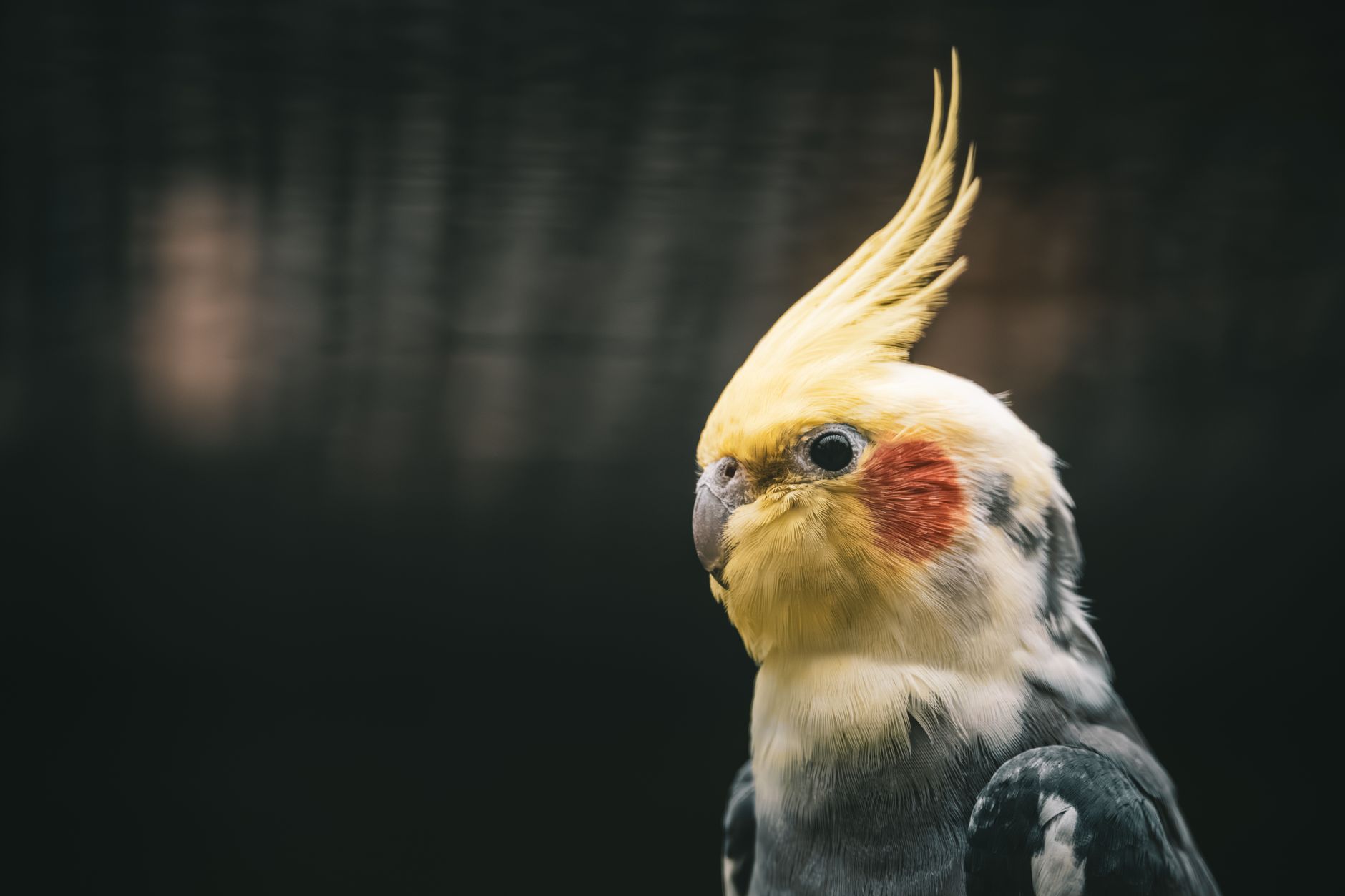
Birds are theropod dinosaurs, and their care is deceptively complex. The most common mistake is underestimating cage size. A pair of budgies (parakeets) need a cage at least 30″ L x 18″ W x 18″ H with bar spacing no wider than 1/2 inch to prevent escapes or head injuries. For a larger bird like an African Grey, the Prevue Hendryx F050 cage (31″ x 20″ x 53″) is a decent starting point, but many experts recommend even larger custom-built flights. Their diet is not just seeds; a healthy cockatiel’s diet should be 60% high-quality pellets (like Harrisons Bird Foods), 30% fresh vegetables, and only 10% seeds.
I learned about bar spacing the hard way with my conure, Mango. The first cage I bought had 1-inch spacing, perfect for a larger bird but a dangerous hazard for a small conure. He managed to squeeze his head through and got stuck, a panicked five minutes that ended safely but taught me to always double-check specs. For birdwatching, a field guide like the Sibley Guide to Birds is indispensable, but pairing it with the Merlin Bird ID app (free, from the Cornell Lab of Ornithology) allows you to identify birds by song, a game-changer for spotting warblers hidden in dense foliage. Annual vet costs for an exotic avian vet can range from $100 for a checkup to over $1000 for complex procedures, a significant financial consideration.
Reptiles and Amphibians: Masters of Ectothermy
Reptiles (scaly skin, amniotic eggs) and amphibians (moist skin, aquatic larval stage) are ectotherms, relying on external heat sources. This dictates their entire enclosure setup. A Leopard Gecko requires a 20-gallon long tank (30″ x 12″ x 12″) as a minimum, with a precise thermal gradient: a 90-95°F basking spot created by an under-tank heater or halogen lamp, and a cool side around 75°F. Humidity must be kept around 30-40%. In contrast, a White’s Tree Frog needs a tall 18″ x 18″ x 24″ enclosure with humidity consistently above 60% and a temperature gradient of 75-85°F.
The Zoo Med ReptiTherm Under Tank Heater ($20-$30) is a reliable heat source for terrestrial reptiles, but it must be regulated by a thermostat like the Inkbird ITC-308 ($35) to prevent dangerous overheating. I made the mistake of using a heat rock years ago, which can cause severe thermal burns on a reptile’s belly. Amphibians like the African Dwarf Frog are fully aquatic and need a filtered, cycled 5-gallon tank at minimum. Their sensitivity to water quality means testing for ammonia, nitrite, and nitrate weekly with an API Freshwater Master Test Kit (~$30). The initial setup for a proper reptile habitat can easily cost $300-$500, excluding the animal itself.
The initial setup for a proper reptile habitat can easily cost $300-$500, excluding the animal itself.
Fish: Underwater Ecosystems in Miniature
Fish care is all about water chemistry and space. The old rule of “one inch of fish per gallon” is dangerously outdated. A single Common Goldfish, which can grow to 10-12 inches, realistically needs a 55-gallon tank with a powerful canister filter like the Fluval 307 (~$200) to handle its waste. A more appropriate starter fish is a Betta splendens, which still requires a heated, filtered 5-gallon tank—not a bowl. Water parameters are non-negotiable: 0 ppm ammonia, 0 ppm nitrite, and <40 ppm nitrate for a stable freshwater tank.
When I set up my first community tank, I didn’t cycle it properly, leading to “New Tank Syndrome” and a heartbreaking loss of fish. The nitrogen cycle—establishing beneficial bacteria that convert toxic ammonia to nitrite and then to less harmful nitrate—takes 4-8 weeks before adding fish. Using a product like Seachem Stability ($10) can help speed this process. For saltwater enthusiasts, a 40-gallon breeder tank is a common starting point for a Fish-Only-With-Live-Rock (FOWLR) setup, but the equipment cost skyrockets with protein skimmers ($150-$400), powerful LED lights for corals ($300+), and constant monitoring of salinity, calcium, and alkalinity. Monthly maintenance for a complex reef tank can run $50-$100 in consumables alone.
Invertebrates: The Unseen Majority
Over 97% of all animal species are invertebrates, and they present unique keeping challenges. Tarantulas, like the docile Chilean Rose Hair, need a terrestrial enclosure with a footprint about 3 times their leg span, secure lid, and a shallow water dish. Their diet consists of live prey like crickets or dubia roaches. The key is understanding their molting process; a tarantula will often refuse food for weeks before a molt and is incredibly vulnerable during and after the process.
I keep a small colony of Powder Blue Isopods in a bioactive terrarium. These crustaceans are excellent cleaners, consuming decaying plant matter and waste. They thrive in a 6-quart plastic tub with ventilation holes, a substrate of coconut fiber and sphagnum moss, and a piece of cork bark for hiding. Their care highlights a different aspect of animal keeping: managing an entire micro-ecosystem. For observing terrestrial invertebrates, a simple 10x magnification hand lens can reveal astonishing details on a beetle’s carapace or a spider’s spinnerets that are invisible to the naked eye. The cost of entry is low, but the learning curve for species-specific humidity and dietary needs is steep.
Bringing It All Together: Observation and Ethical Interaction
The ultimate goal of an animal encyclopedia should be to foster respect and informed interaction. Whether you’re setting up a habitat or observing in the wild, ethics are paramount. When birdwatching, always maintain a respectful distance; using those Vortex binoculars allows you to observe nesting behavior without causing the parents to abandon the nest. When keeping pets, always prioritize adoption from reputable rescues or breeders who can provide full health histories, and avoid supporting the wild-caught pet trade, which devastates natural populations.
Documenting your observations is incredibly rewarding. I use the iNaturalist app to log sightings and contribute to citizen science projects. It helps identify species and adds your data to a global database used by researchers. The most important tool, however, is patience. Animals operate on their own schedules. I’ve spent hours waiting for a fox to emerge from its den at dusk, a practice that teaches more about wildlife than any rushed encounter. The financial and time commitments are real, but the reward is a deep, firsthand understanding of the creatures we share the planet with.
Ready to move from reading to doing? Start by identifying five common bird species in your backyard using the Merlin Bird ID app—it’s free and instant. If you’re considering a pet, research the full adult size and lifespan of the species, and calculate the true first-year cost of proper housing, vet care, and food before committing. Finally, visit a local nature center or zoo with a new perspective; ask the keepers about the specific enrichment and dietary needs of one animal you see. This active engagement transforms facts into lasting knowledge.
Small changes, real momentum
Get practical guides and templates you’ll actually use — a few thoughtful emails a month.
Sources & further reading
- Animal (en.wikipedia.org)
- animal (sciencedirect.com)
- A-Z Animals (orldanimalfoundation.org)
Frequently Asked Questions
What is the most common mistake new pet owners make?
The most frequent and critical error is underestimating the adult size, lifespan, and habitat requirements of an animal. People buy a tiny turtle or a baby parrot without realizing it may need a 100-gallon tank or live for 30+ years. For example, a “tiny” Red-Eared Slider turtle hatchling sold in a small kit will grow to 10-12 inches and require an aquarium of at least 75 gallons with powerful filtration. This leads to inadequate care and often, rehoming struggles. Always research the full life cycle needs before any purchase.
How can I identify an animal I’ve seen in the wild?
Start by taking a clear photo with your smartphone, noting the location, date, and time. For birds, the Merlin Bird ID app by Cornell Lab is unparalleled; it can identify species from a photo or even a sound recording. For other wildlife, the iNaturalist app is a fantastic community-powered tool where experts can help ID your sighting. For insects, BugGuide.net is a highly detailed resource. Having a regional field guide, like the Peterson Field Guides series, is also invaluable when you’re out of cell service.
Is it ethical to keep exotic pets?
Ethical exotic pet ownership depends entirely on the species, its source, and the owner’s ability to meet its complex needs. It is generally unethical to keep animals captured from the wild, as this harms ecosystems. For captive-bred animals, the owner must be able to replicate the animal’s natural environment, including space, temperature, humidity, diet, and social needs. A large, intelligent parrot like a Macaw requires a massive flight cage, constant mental stimulation, and a multi-decade commitment, which many households cannot provide. Always prioritize domesticated species or those with well-understood, manageable care requirements from ethical, captive-breeding sources.
🐾 Our Top Pick
Editor’s Pick: Enrichment cage puzzle toy for deeper animal behavior understanding beyond basic facts.
For the Love of Your Pet
Care guides, breed insights, and gentle advice for happier pets.