The Complete Featherden Breed Guide: Choosing, Caring for, and Understanding Your Feathered Companion
Whether you’re a first‑time bird enthusiast or a seasoned avian keeper, this guide will give you the knowledge and confidence to select the perfect Featherden, set up a thriving cage environment, and provide daily care that promotes health and happiness. By the end of the article you will be able to identify reputable sources for Featherden birds, assemble a cage that meets every legal and welfare standard, and implement a feeding, grooming, and enrichment routine that keeps your feathered friend thriving for years.
1. Getting to Know the Featherden Breed
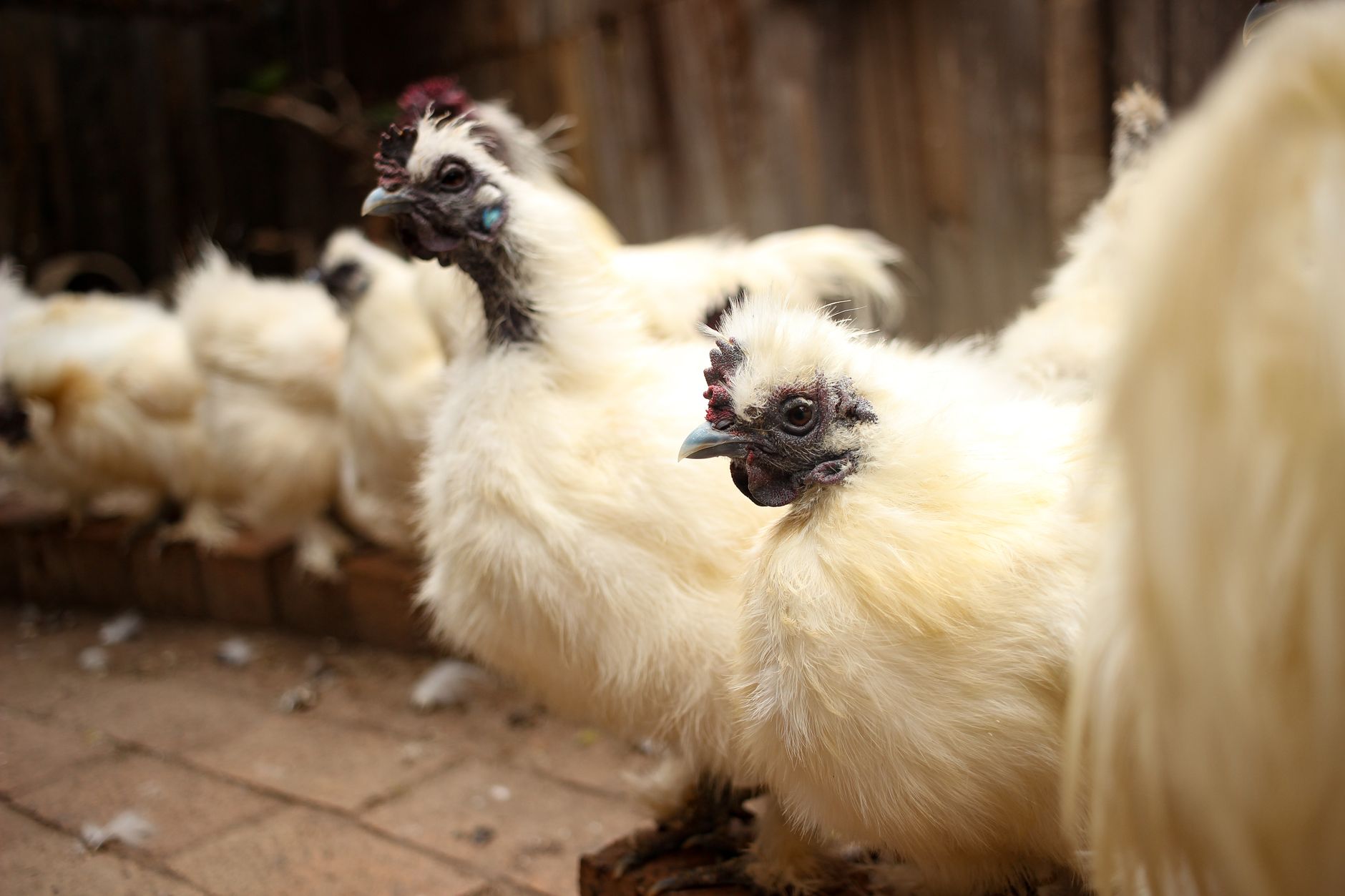
The Featherden (scientific name Psittacula featherdeni) is a medium‑sized, highly social parrot native to the lowland rainforests of northern Madagascar. Adults measure 22–25 cm from beak to tail tip and weigh between 120–150 g. Their most striking feature is a cascade of iridescent plumage that transitions from deep emerald green on the back to sapphire blue on the wings, with a bright orange “mask” covering the cheek and throat. The beak is robust, dark‑gray with a slight curve, and the eyes are a vivid amber that convey an inquisitive personality.
Behaviorally, Featherdens are known for their vocal versatility. In the wild they communicate with a series of chirps, whistles, and a soft, melodic “coo” used during courtship. In captivity they often mimic household sounds and can learn a modest vocabulary of 10‑15 words with consistent positive reinforcement. They are monogamous, forming lifelong pair bonds, but they also thrive in mixed‑species aviaries when introduced slowly and under supervision.
Health-wise, Featherdens are relatively hardy but prone to two common conditions: psittacine beak and feather disease (PBFD) and calcium deficiency (hypocalcemia). Regular veterinary screenings every six months, a diet rich in calcium, and strict quarantine of new birds can dramatically reduce the incidence of these issues.
2. Selecting a Healthy Featherden
The first step toward a successful Featherden experience is acquiring a bird from a reputable source. Below are concrete criteria to evaluate:
- Licensed Breeder or Rescue: Choose a breeder registered with the International Avian Association (IAA) or a licensed exotic‑bird rescue. Expect to see a clean, well‑ventilated breeding area, and request a copy of the breeder’s health certification.
- Health Records: A responsible seller will provide a recent (< 30 days) veterinary health check, a PBFD test result, and a record of any vaccinations (e.g., polyomavirus).
- Physical Examination:
- Eyes clear, no discharge.
- Beak smooth, without cracks or over‑growth.
- Feathers glossy, no bald patches or feather loss.
- Weight within the 120–150 g range; a digital bird scale (e.g., Ohaus Scout SP) offers accuracy to 0.1 g.
- Behavioral Assessment: A healthy Featherden should be alert, vocal, and display curiosity toward your hand. Excessive hiding, lethargy, or a “fluffed” posture can indicate stress or illness.
- Quarantine Protocol: Plan a 30‑day quarantine in a separate, sanitized cage before integrating the bird with existing pets. During quarantine, monitor weight daily, provide a high‑quality diet, and schedule a follow‑up vet exam.
Cost considerations: Expect to pay $350‑$550 for a breeder‑raised Featherden, with an additional $75‑$120 for a health certificate and PBFD testing. Rescue birds may be adopted for $100‑$200, often inclusive of an initial veterinary exam.
3. Designing the Ideal Featherden Cage Setup
A properly designed cage is the cornerstone of a Featherden’s physical and mental wellbeing. Below is a step‑by‑step blueprint, complete with specific dimensions, materials, and budgeting.
3.1. Cage Dimensions and Structure
- Floor Space: Minimum 60 cm × 45 cm (24 in × 18 in) of horizontal floor area. Larger is always better; a recommended “premium” size is 90 cm × 60 cm (36 in × 24 in).
- Height: At least 60 cm (24 in) to allow vertical flight and climbing.
- Bars: Stainless steel (grade 304) with a 12 mm (½ in) spacing to prevent escape while allowing easy cleaning. Avoid coated or zinc‑plated bars, which can leach toxic metals.
- Frame: Powder‑coated aluminum (6061‑T6) provides strength without rusting. A typical 90 × 60 × 60 cm cage costs $180‑$250.
3.2. Perches, Toys, and Enrichment
Featherdens love to chew and climb. Provide a rotating selection of perches and toys to prevent boredom and promote beak health.
- Natural Branch Perches: Use untreated, pesticide‑free hardwoods such as oak, pine, or manzanita. Provide three perches of varying diameters (10 mm, 15 mm, 20 mm). A 3‑piece set costs $25‑$35.
- Manually Rotating Toys: Rope swings (100% natural sisal), foraging puzzles (e.g., “Aviary Forage Box” – $12), and a “mirror play panel” ($8) encourage problem‑solving.
- Chewable Items: Offer untreated apple wood blocks ($6) and mineral blocks (calcium carbonate, 100 g – $5) to aid beak wear and supplement calcium.
- Daily Enrichment Routine: Rotate toys weekly; hide a millet spray in a puzzle box each morning for a 5‑10 minute foraging session.
3.3. Substrate and Cleaning
Paper‑based substrates (e.g., “Kaytee Clean & Cozy”) are absorbent, dust‑free, and replaceable for $4 per roll (approximately 12 sq ft). Change the substrate weekly and spot‑clean daily with a non‑toxic bird‑safe disinfectant (e.g., “BirdSafe Natural Cleaner”).
3.4. Lighting and Temperature
- UVB Lighting: A 5.0 % UVB fluorescent tube (e.g., Zoo Med Reptisun 10.0) installed 12 in above the cage for 10‑12 hours daily supplies essential Vitamin D₃ synthesis. Initial cost $40‑$55, with bulbs lasting 6‑12 months.
- Heat: Featherdens thrive at 21‑24 °C (70‑75 °F). In cooler climates use a low‑wattage ceramic heat emitter (30 W) set on a thermostat (e.g., “Exo Terra Thermostat” – $30) to maintain temperature.
3.5. Feeding Stations
Separate a stainless‑steel bowl for dry seed mix ($6) and a ceramic dish for fresh foods ($8). Place the water dispenser (glass, 120 ml capacity – $5) on the lower perch to encourage drinking.
3.6. Cost Summary
| Item | Cost (USD) |
|---|---|
| Stainless‑steel cage (90 × 60 × 60 cm) | $210 |
| Natural branch perches (3 pcs) | $30 |
| Toys & foraging puzzles | $35 |
| Substrate (roll) | $4 |
| UVB tube & fixture | $50 |
| Heat emitter & thermostat | $40 |
| Feeding dishes & water dispenser | $19 |
| Total Approx. | $388 |
4. Feeding and Nutrition: A Daily Blueprint
Featherdens are omnivorous, requiring a balanced mix of seeds, pellets, fresh produce, and occasional protein. Below is a sample daily menu with quantities and cost estimates.
| Meal | Components | Quantity | Cost per Day (USD) |
|---|---|---|---|
| Morning | High‑protein pellet (e.g., Harrison’s Nutri‑Blend) | 5 g | $0.07 |
| Fresh millet spray | 2 g | $0.02 | |
| Midday | Fresh veggies: diced carrots, broccoli, kale | 15 g total | $0.15 |
| Fruit slice (apple or papaya) | 5 g | $0.10 | |
| Evening | Seed mix (sunflower, safflower, canary seed) | 10 g | $0.12 |
| Calcium supplement block (crumbled) | 1 g | $0.03 | |
| Total | $0.49 |
Annual food cost averages $180‑$210, assuming occasional bulk purchases of pellets and fresh produce. Water should be refreshed daily with filtered or bottled water at room temperature; avoid chlorinated tap water unless left to sit for 24 hours to dissipate chlorine.
Supplementation tips:
- Calcium: Offer a cuttlebone (15 mm × 30 mm) and a calcium powder (e.g., “Zoo Med Calcium Plus”) at 1 g per week mixed into fresh veggies.
- Vitamin A: Incorporate orange or yellow vegetables (sweet potatoes, pumpkin) 2‑3 times weekly.
- Probiotics: A pinch of powdered probiotic (e.g., “FortiFlora”) once a week supports gut health, especially after antibiotic courses.
5. Health Monitoring and Veterinary Care
Proactive health management extends a Featherden’s lifespan to 15‑20 years. Establish a routine that includes daily observation, monthly checks, and semi‑annual veterinary visits.
5.1. Daily Health Checks
Spend 5‑10 minutes each morning observing the following:
- Plumage condition – any bald spots or feather loss?
- Beak shape – is it even, without over‑growth?
- Droppings – should be firm, brown‑black, and well‑formed; watery or yellow droppings signal gastrointestinal upset.
- Activity level – is the bird perching, preening, and vocalizing normally?
5.2. Monthly Maintenance
Weigh the bird on a digital bird scale; a loss or gain of more than 5 % body weight warrants a vet call. Trim nails only if they become overgrown (usually once per year) using bird‑safe nail clippers.
5.3. Veterinary Schedule
Schedule a comprehensive exam every six months with an avian veterinarian. The exam should include:
- PBFD PCR test (blood sample) – $80.
- Complete blood count (CBC) and chemistry panel – $120.
- X‑ray of the keel bone if the bird shows signs of respiratory distress – $150.
- Vaccination update (polyomavirus) if applicable – $45.
Emergency care for a Featherden typically costs $200‑$400 for initial assessment, plus treatment fees. Having a pet‑insurance plan (e.g., “Healthy Paws Avian”) can offset 70 % of these costs, with premiums around $18‑$25 per month.
6. Training, Socialization, and Enrichment
Featherdens are intelligent and thrive on mental challenges. Structured training not only builds trust but also reduces behavioral issues such as screaming or feather plucking.
6.1. Step‑by‑Step Target Training
- Establish Trust – Spend 15 minutes daily hand‑feeding millet from your fingertips. This creates a positive association.
- Target Stick Introduction – Use a wooden dowel (15 cm long) with a red silicone tip. Reward the bird with a treat when it touches the tip with its beak.
- Step Up Command – Hold your hand at chest height, say “step up,” and reward when the bird steps onto your finger.
- Recall – Place the bird on a perch, then call its name and offer a treat when it flies or hops back to you.
- Simple Vocabulary – Pair a clear word (“hello”) with a consistent action (head tilt) and reward; repeat 5‑10 times per session, twice daily.
Consistency is key: 5‑minute sessions twice a day for 3‑4 weeks typically yield reliable responses. Avoid punishment; instead, redirect unwanted behaviors with a more appropriate activity.
6.2. Social Interaction
If you have multiple Featherdens, introduce them in a neutral room using separate cages placed side‑by‑side for the first 48 hours. Observe for aggressive posturing (raised crest, flared wings). If no aggression occurs, allow supervised out‑of‑cage interaction for 10‑15 minutes, gradually increasing duration over a week.
Featherdens also enjoy interaction with humans and can be part of a “bird‑and‑owner” routine that includes gentle head scratches (avoid the beak area) and wing‑stretching exercises on a soft towel.
7. Lifelong Commitment and Legal Considerations
Owning a Featherden is a long‑term responsibility that extends beyond daily care. Here are the practical aspects you must address.
7.1. Legal Requirements
- Permits: In many U.S. states (e.g., California, New York) a Class C avian permit is required for non‑native species. Application fees range from $30‑$70 and require a proof‑of‑housing inspection.
- Export/Import Regulations: Featherdens are listed under CITES Appendix II. Importing requires an export permit from Madagascar and an import permit from the U.S. Fish and Wildlife Service (USFWS). Fees are $115 per permit.
- Housing Codes: Some municipalities mandate a minimum cage size and prohibit keeping birds in apartments without proper ventilation. Check local ordinances before purchase.
7.2. Financial Planning
Beyond the initial setup ($388) and acquisition cost ($350‑$550), anticipate recurring expenses:
- Food: $15‑$18 per month.
- Veterinary preventive care: $200‑$300 annually.
- Supplies (toys, perches, cleaning agents): $30‑$50 per quarter.
- Insurance (optional): $18‑$25 per month.
Average annual cost: $650‑$850. Planning a budget that includes a contingency fund (10 % of total yearly spend) safeguards against unexpected medical emergencies.
Conclusion
The Featherden is a vibrant, intelligent companion that rewards diligent caretakers with years of interaction, song, and affection. By selecting a healthy bird, constructing a cage that meets precise size, material, and enrichment standards, and adhering to a structured feeding, health, and training regimen, you set the stage for a thriving partnership. Remember that ongoing vigilance—regular weight checks, semi‑annual veterinary visits, and fresh enrichment—prevents most health setbacks and keeps your Featherden’s personality sparkling. With the information presented in this guide, you are fully equipped to welcome a Featherden into your home and enjoy the unique joy that only a feathered companion can provide.
For the Love of Your Pet
Care guides, breed insights, and gentle advice for happier pets.