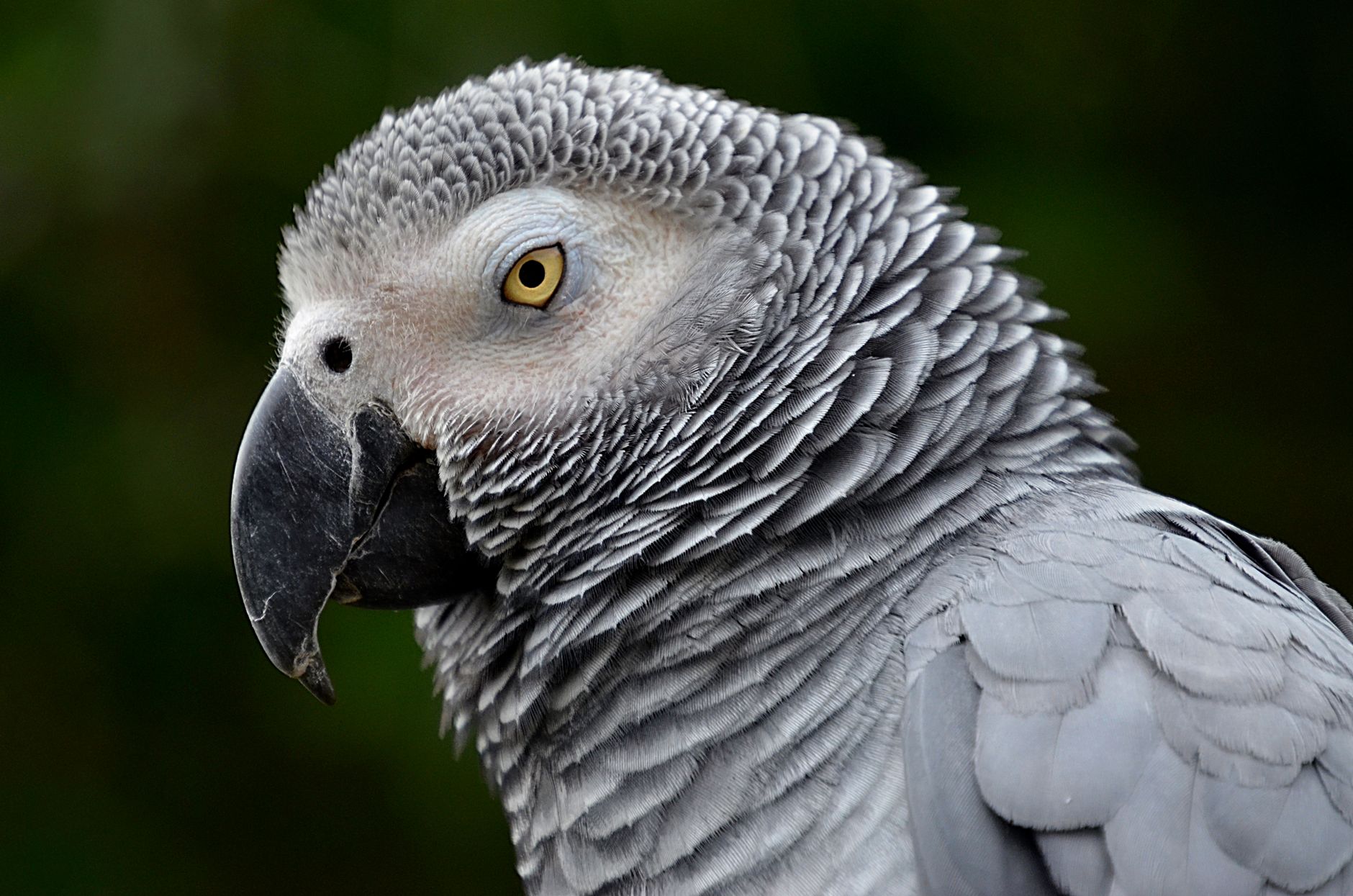
I’ve kept birds for over a decade, and if I had a dollar for every time someone told me they wanted a “low-maintenance” parrot, I’d own a whole aviary by now. The truth is, no bird is truly low-maintenance — but some species genuinely fit into a beginner’s life without causing chaos or heartbreak. After owning budgies, cockatiels, lovebirds, canaries, finches, parrotlets, and Bourke’s parakeets, I can tell you which ones actually deliver on the “easy” promise. This isn’t a generic list — it’s based on what I’ve cleaned, fed, and lived with. Let’s get into the seven species that won’t make you regret your first bird.
1. Budgerigar (Budgie) — The Tiny Talker That Won’t Break Your Budget
Budgies are the most popular pet bird worldwide for a reason. I’ve owned three over the years, and they’re the closest thing to a starter parrot that actually behaves like one. A healthy budgie typically lives 7–12 years, though I’ve seen them hit 15 with good care. Noise level is moderate — they chirp and chatter constantly, but it’s a pleasant background hum, not a scream. Temperament-wise, budgies are curious and social but can be nippy if not handled daily. I recommend at least 20–30 minutes of out-of-cage time per day.
For cage setup, bar spacing must be no wider than ½ inch (12–13 mm). I use the Prevue Hendryx 1504WH 18x18x18-inch cage for a single budgie — it’s $62 on Amazon and gives enough room for a few toys and perches. For two budgies, step up to the 20x20x24-inch version. Perches should be natural wood, not sandpaper; I buy the 10-pack of Java wood perches from BirdTricks for $14.99. Food cost runs about $8–12 per month for a high-quality seed mix like Volkman Avian Science Budgie ($9.99 for 2 lbs) plus fresh veggies. Vet visits average $60–100 per checkup, and I budget $200 annually for emergencies.
Budgies are prone to obesity if fed only seed, so I mix in Harrison’s High Potency pellets (about $15 for a 1-lb bag) at a 60:40 pellet-to-seed ratio. Cleaning takes 10 minutes daily — wipe droppings off the cage liner and refresh water. Deep clean the cage once a week with F10SC disinfectant ($24 for a 500ml concentrate that lasts months). If you want a bird that talks, budgies are your best bet — males can learn 30+ words with consistent training.
2. Cockatiel — The Velcro Bird With a Whistle
Cockatiels are larger than budgies but still manageable for a first-time owner. I’ve had two, and their temperament is noticeably calmer — they’re often called “velcro birds” because they want to sit on your shoulder for hours. Lifespan is 15–20 years, so this is a longer commitment. Noise level is low to moderate: they whistle and mimic tunes, but they rarely scream. My female cockatiel barely made a sound; the male whistled the “Addams Family” theme constantly. Expect 30–45 minutes of out-of-cage time daily.
Bar spacing for cockatiels should be ½ to ⅝ inch (12–16 mm). I use the HQ 24x18x36-inch cage ($189 on Chewy) — it’s tall enough for flight and has a pull-out tray for easy cleaning. Never use a round cage; it causes psychological stress. Perches need to be at least ¾ inch in diameter — I use a mix of manzanita and pumice perches from Caitec ($12 each). Food costs run $15–20 per month: I feed Roudybush Daily Maintenance Crumbles ($18.99 for a 3-lb bag) plus chop (chopped veggies and greens). Vet visits are similar to budgies — $60–100 per checkup — but cockatiels are prone to respiratory issues, so budget $300 annually for potential X-rays or antibiotics.
One thing I wish I’d known earlier: cockatiels produce a fine, dusty powder from their feathers. If you have allergies, this might not be the bird for you. I run a Levoit LV-H132 air purifier ($49.99) in the bird room, and it helps a lot. Cleaning takes 15 minutes daily — spot-clean the cage, change paper liners, and wash food bowls. Deep clean weekly with diluted white vinegar. Cockatiels are excellent for beginners who want a bird that actually enjoys being handled without being overly demanding.
3. Lovebird — Big Personality in a Tiny Body
Lovebirds are feisty. I’ve owned two peach-faced lovebirds, and they’re not the cuddly sweethearts the name suggests — they’re bold, curious, and will absolutely chew through anything you leave in their reach. Lifespan is 10–15 years. Noise level is moderate to high: they have a sharp, piercing chirp that carries through walls. If you live in an apartment, think twice. Temperament-wise, they bond strongly to their owner (or another lovebird) and can become aggressive if not socialised early. I recommend 30–45 minutes of daily interaction.
Bar spacing must be ½ inch or less — lovebirds can squeeze through gaps wider than ⅝ inch. I use the A&E 18x18x24-inch cage ($135 on Amazon) with ½-inch bar spacing. They need lots of chew toys; I rotate through Planet Pleasures Woven Palm Leaf toys ($8 each) and Bonka Bird Toys’ lovebird variety pack ($19.99 for 6 toys). Food costs $10–15 per month: I feed Zupreem Natural Fruit Blend pellets ($14.99 for 2.5 lbs) with daily fresh chop. Lovebirds are prone to fatty liver disease if overfed seed, so keep seed to 10% of their diet.
Vet costs run $80–120 per checkup, and I’ve had to pay $250 for a beak trim under anaesthesia once. Cleaning is daily 10-minute spot cleaning plus weekly deep clean. Lovebirds are not for someone who wants a quiet, hands-off pet — they demand attention and will scream if ignored. But if you want a bird with personality that keeps you on your toes, a single lovebird (not a pair, unless you want them to bond to each other and ignore you) is a solid choice.
4. Canary — The Singing Machine That Needs Zero Handling
Canaries are the opposite of lovebirds — they’re hands-off, independent, and perfect for people who want a beautiful song without daily interaction. I’ve kept a male American Singer canary for three years, and his song is genuinely stunning. Lifespan is 8–12 years. Noise level is moderate: males sing loudly and frequently during the day, but it’s melodic, not harsh. Females chirp softly but don’t sing. Temperament-wise, canaries are not tame — they’re flighty and prefer to be watched, not held. You don’t need to take them out of the cage, which is a huge plus for beginners with limited time.
Bar spacing should be ⅜ to ½ inch — canaries are small and can escape through wider gaps. I use the Prevue Hendryx 1585WH 18x18x24-inch cage ($84 on Amazon) with ⅜-inch spacing. They need horizontal bars for climbing, not just vertical. Perches should be varied diameters (½ to ¾ inch) — I use natural branch perches from JW Pet ($9.99 for a pack of 3). Food costs $8–12 per month: I feed Kaytee Forti-Diet Pro Canary Food ($8.99 for 2 lbs) plus daily greens like kale and spinach. Canaries are prone to obesity and goiter (iodine deficiency), so I provide a cuttlebone ($2.50) and iodine supplement drops ($7.99) in their water once a week.
Vet costs are lower — $50–80 per checkup — because canaries are generally hardy. Cleaning takes 5–10 minutes daily: change the cage liner and refresh water. Deep clean the cage every two weeks. Canaries also produce feather dust, but less than cockatiels. If you want a bird that fills your home with song and asks for nothing more than clean food and water, a canary is your species. Just don’t expect a cuddle buddy.
5. Finch (Zebra Finch) — The Low-Effort Flock Bird
Finches are the closest thing to “set it and forget it” in the bird world. I’ve kept a small flock of zebra finches (four birds) for two years, and they require almost no handling — they’re strictly for watching. Lifespan is 5–8 years, shorter than other species on this list. Noise level is low to moderate: constant soft chirping and beeping, but nothing that would disturb neighbours. Temperament-wise, finches are social and need to live in pairs or groups — a single finch will get depressed. They don’t bond to humans and don’t want to be touched.
Bar spacing must be ⅜ inch or less — finches can slip through ½-inch gaps. I use the Yaheetech 30x18x18-inch flight cage ($69.99 on Amazon) with ⅜-inch spacing. This size works for 4–6 finches. They need horizontal space for flying, not vertical height. Perches should be thin (⅜ to ½ inch diameter) — I use natural birch perches from Living World ($8.99 for a pack of 3). Food costs $6–10 per month: I feed Volkman Avian Science Finch Seed ($8.99 for 2 lbs) plus daily greens and egg food (a protein supplement, $6.99 for a 1-lb bag). Finches are prone to air sac mites, so I treat with S76 Avian Mite Spray ($12.99) every 3 months as a preventative.
Vet costs are $50–80 per checkup, but finches are so small that treatment options are limited. Cleaning takes 10 minutes daily for a small flock — change cage liner and wash water dishes. Deep clean the cage every week. Finches are perfect for beginners who want birds but don’t have time for daily handling or training. They’re also great for office or living room setups where you want gentle background activity.
6. Parrotlet — The Tiny Tyrant With a Big Attitude
Parrotlets are essentially miniature Amazons — they have the personality of a large parrot in a body the size of your thumb. I’ve owned a Pacific parrotlet for four years, and he’s fearless, loud, and hilarious. Lifespan is 15–20 years. Noise level is moderate to high: they have a sharp, buzzy call that carries, but it’s not constant. Temperament-wise, they’re bold, curious, and can be nippy if not handled daily. They bond intensely to one person and may become territorial. I recommend 30–45 minutes of out-of-cage time daily.
Bar spacing must be ½ inch or less — parrotlets can squeeze through ⅝-inch gaps. I use the HQ 18x18x24-inch cage ($159 on Chewy) with ½-inch spacing. They need lots of toys to chew; I use Caitec Kabob Shredders ($7.99 each) and Planet Pleasures Woven Star toys ($6.50 each). Food costs $10–15 per month: I feed Harrison’s High Potency Fine pellets ($16.99 for a 1-lb bag) plus fresh chop. Parrotlets are prone to obesity and fatty liver, so I limit seeds to 10% of their diet. Vet costs run $80–120 per checkup, and I’ve paid $180 for a wing trim and nail clip under anaesthesia.
Cleaning takes 10–15 minutes daily — they’re messy eaters and throw food everywhere. Deep clean the cage weekly. Parrotlets are not for beginners who want a hands-off bird — they demand attention and will scream if bored. But if you want a bird with the intelligence and personality of a conure in a compact size, a parrotlet is an excellent choice. Just be prepared for a tiny bird that thinks it’s a macaw.
7. Bourke’s Parakeet — The Quietest Parrot You’ll Ever Meet
Bourke’s parakeets are the hidden gem of the beginner bird world. I’ve kept a pair for two years, and they’re the only parrot species I’d recommend for apartment dwellers. Lifespan is 12–15 years. Noise level is very low — they make soft, melodic chirps and whistles that barely register above a whisper. Temperament-wise, they’re gentle, shy, and peaceful. They’re not cuddly but will happily perch on your finger after some trust-building. I recommend 20–30 minutes of out-of-cage time daily, but they’re content to fly in a flight cage as well.
Bar spacing should be ½ to ⅝ inch. I use the Prevue Hendryx 20x20x24-inch flight cage ($109 on Amazon) with ½-inch spacing. Bourke’s need horizontal flight space — a long cage is better than a tall one. Perches should be ½ to ¾ inch in diameter; I use manzanita perches from BirdTricks ($12 each). Food costs $10–15 per month: I feed Roudybush Daily Maintenance Crumbles ($18.99 for a 3-lb bag) plus a small amount of millet spray ($4.99 for a pack of 5). Bourke’s are prone to feather plucking if stressed, so keep their environment calm and predictable. Vet costs are $60–100 per checkup.
Cleaning takes 10 minutes daily — they’re relatively tidy birds. Deep clean the cage weekly. Bourke’s parakeets are perfect for beginners who want a parrot but can’t tolerate noise. They’re also excellent for households with children or other pets because of their calm demeanour. If you want a bird that won’t annoy your neighbours or your housemates, this is the one.
Conclusion: Which Beginner Bird Should You Choose?
After owning all seven species, here are my three concrete takeaways. First, if you want a bird that interacts with you and talks, get a budgie or cockatiel — both are affordable, handleable, and moderately quiet. Second, if you want a bird that sings but doesn’t need handling, get a canary or a pair of finches — they’re the lowest maintenance on this list. Third, if you want a parrot but live in an apartment, get a Bourke’s parakeet — it’s the quietest parrot species I’ve ever kept, and it won’t get you evicted. My specific recommendation for a true beginner is a single male budgie in a Prevue Hendryx 1504WH cage with Harrison’s pellets and 20 minutes of daily interaction. It’s the most forgiving, affordable, and rewarding entry point into bird ownership.
Frequently Asked Questions
What is the absolute easiest bird for a complete beginner?
The easiest bird for a complete beginner is a male budgerigar (budgie). They’re hardy, forgiving of minor care mistakes, and cost about $20–40 for the bird itself. A proper cage like the Prevue Hendryx 1504WH runs $62, and monthly food costs are under $12. They tolerate a range of temperatures (65–80°F) and aren’t as prone to stress-related illnesses as more sensitive species.
Related from our network
- Butterfly to Bear: 15 Spirit Animals for Beginners and Their Core Life Lessons (animalsouldecoder)
- Candle Magic 101: Colors, Intentions, and Your First Spell (witchcraftforbeginners)
- Best Crystals for Beginners 2026 – Complete Starter Guide (witchcraftforbeginners)
🐾 Our Top Pick
Editor’s Pick: A durable, easy-to-clean cage with horizontal side bars.
For the Love of Your Pet
Care guides, breed insights, and gentle advice for happier pets.