Disclosure: This post contains affiliate links. If you click through and make a purchase, we may earn a small commission at no extra cost to you. Thank you for supporting this site!
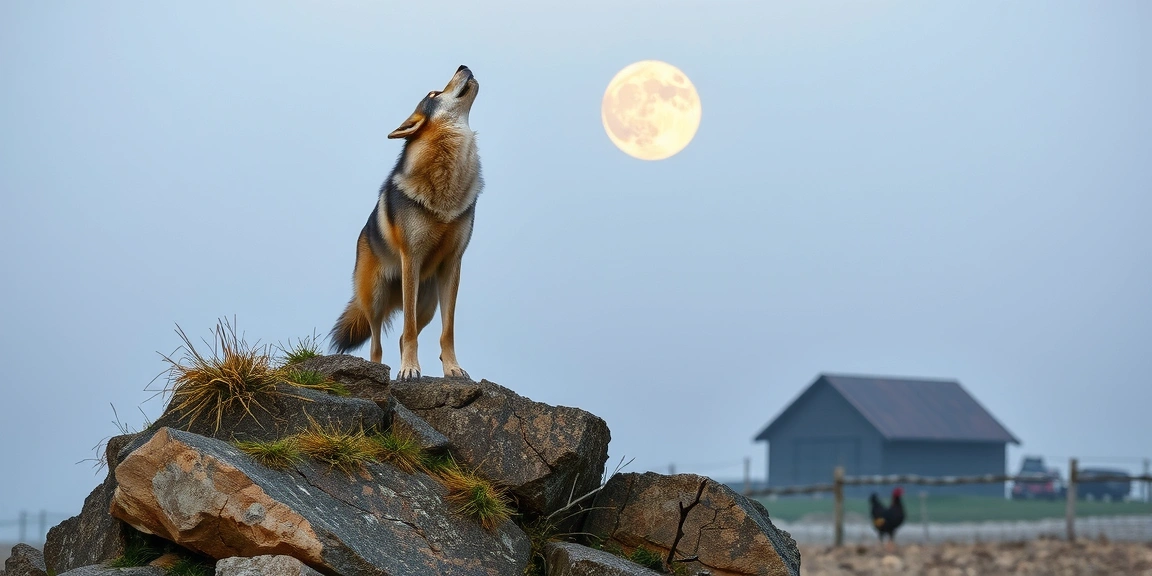
Three states now have wolf populations large enough that wildlife agencies track them by the hundreds, not the dozen: Wisconsin’s 2022 winter count put the number between 1,007 and 1,050 animals, Michigan’s Upper Peninsula survey landed near 695, and Montana Fish, Wildlife & Parks estimated roughly 1,141 wolves that same year. If you’ve heard a long, low howl roll across your property at dusk and felt the hair on your arms stand up, you’re not imagining it — you might genuinely be within earshot of a recovering pack, since a wolf howl carries up to 10 miles across open terrain and 1 to 6 miles through dense forest, according to research published by the International Wolf Center in Ely, Minnesota. I keep six laying hens and two barn cats on five acres outside Eau Claire, Wisconsin, and the first time I heard that sound at 9pm in October, I spent the next hour reinforcing a coop door I’d been putting off for three weeks. This guide walks through what that howl actually means, how to tell a wolf from a coyote or a loose dog, and exactly what it costs to protect poultry, dogs, and cats when wolves move back into range.
7 min read
In This Article
- What That Howl Is Actually Telling You
- Where Wolf Populations Are Actually Recovering
- Reading the Difference: Wolf, Coyote, or Domestic Dog?
- Protecting Poultry and Outdoor Birds When Wolves Are Nearby
- Keeping Dogs and Cats Safe During Active Wolf Season
- When to Call Wildlife Officials
- Cost Breakdown: Predator-Proofing Your Property
Key Takeaways
- What That Howl Is Actually Telling You
- Where Wolf Populations Are Actually Recovering
- Reading the Difference: Wolf, Coyote, or Domestic Dog?
- Protecting Poultry and Outdoor Birds When Wolves Are Nearby
What That Howl Is Actually Telling You
Wolves howl for reasons that have almost nothing to do with hunting you or your pets. Biologists studying packs through the Voyageurs Wolf Project in northern Minnesota have documented howling used primarily for three purposes: reassembling a pack that’s spread out over several miles, warning neighboring packs off contested territory, and simple long-distance communication between a mother and pups left at a den site. A chorus howl — multiple wolves joining in, often with pups yipping underneath the adults — is far more common at dusk and dawn than in the middle of the night, which lines up with wolves’ crepuscular hunting pattern.

What it doesn’t usually mean is that a pack has zeroed in on your property as a target. Wolves are territorial toward other wolves, not toward homesteads, and documented wolf attacks on humans in North America remain extremely rare — the U.S. has recorded only a handful of confirmed fatal incidents in the last century, including the 2010 case near Chignik Lake, Alaska. That said, a howl close enough to hear clearly (within a mile or so) tells you a pack is actively moving through or denning nearby, and that’s exactly when unsecured poultry, free-roaming small dogs, and outdoor cats become genuinely vulnerable — not to the howling itself, but to the pack’s normal foraging range.
has recorded only a handful of confirmed fatal incidents in the last century, including the 2010 case near Chignik Lake, Alaska.
Where Wolf Populations Are Actually Recovering
This isn’t a rural myth confined to Alaska. Gray wolves were reintroduced to Yellowstone in 1995 with 41 animals from Canada, and the Yellowstone Wolf Project’s 2021 annual report counted around 124 wolves inside the park alone, with hundreds more across the broader Greater Yellowstone Ecosystem. Idaho Department of Fish and Game estimated over 1,270 wolves statewide in 2021. Isle Royale National Park’s isolated population sat at roughly 31 wolves in the 2022 count, after the National Park Service relocated animals there specifically to control a runaway moose population.
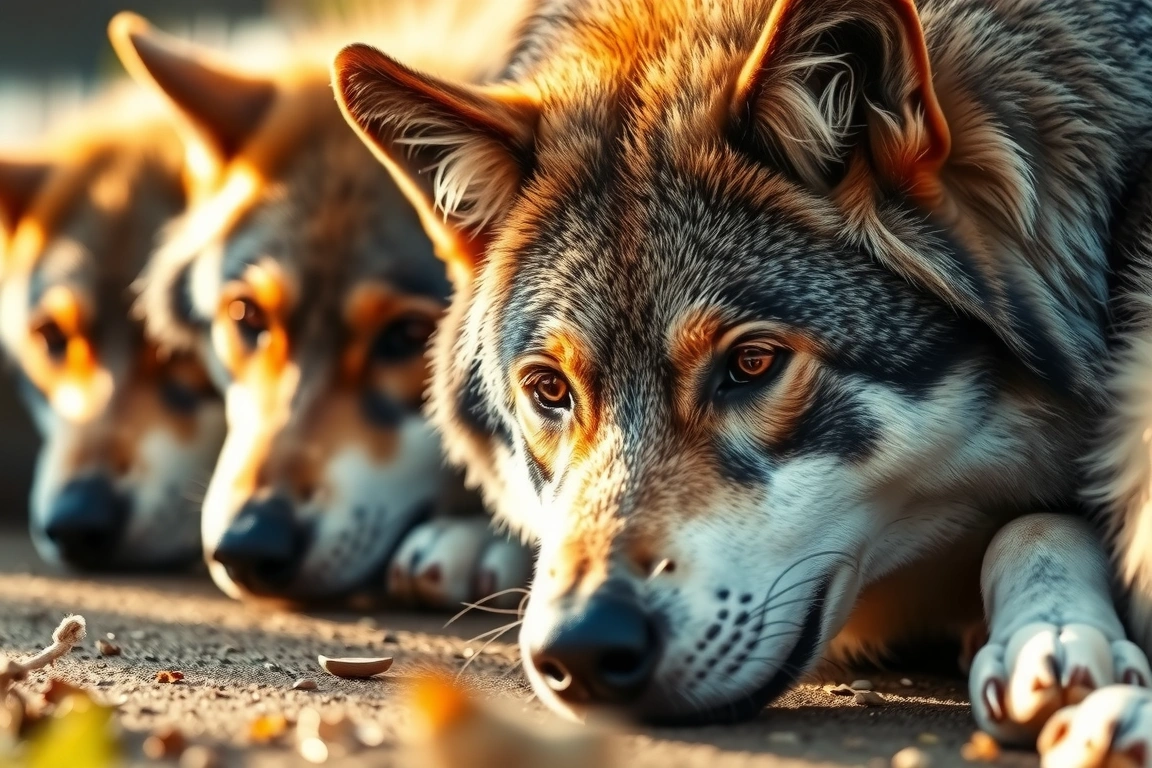
If you live in Minnesota, Wisconsin, Michigan’s Upper Peninsula, Montana, Idaho, Wyoming, or parts of Washington and Oregon, you’re in a zone where state wildlife agencies actively monitor breeding packs — meaning the howl you heard is a documented population, not a fluke sighting. Homeowners in the Southwest may also be hearing Mexican gray wolves, a much smaller and federally endangered subspecies with fewer than 250 individuals across Arizona and New Mexico as of the 2022 U.S. Fish and Wildlife Service survey. Knowing your region’s actual wolf status matters because it changes your legal options — Mexican gray wolves are protected under the Endangered Species Act with strict rules on lethal deterrents, while gray wolves in parts of Montana and Idaho have been subject to state-managed hunting seasons since delisting.
Reading the Difference: Wolf, Coyote, or Domestic Dog?
This is where most homeowners get it wrong, and honestly, I did too the first year I had chickens. Coyote vocalizations are higher-pitched yips, barks, and short howls that overlap each other rapidly — a group of just two or three coyotes can sound like a dozen animals because the calls stack on top of one another. Wolf howls, by contrast, are lower in pitch, longer in duration (often 3 to 7 seconds per note), and more evenly spaced, with less yipping mixed in unless pups are present.
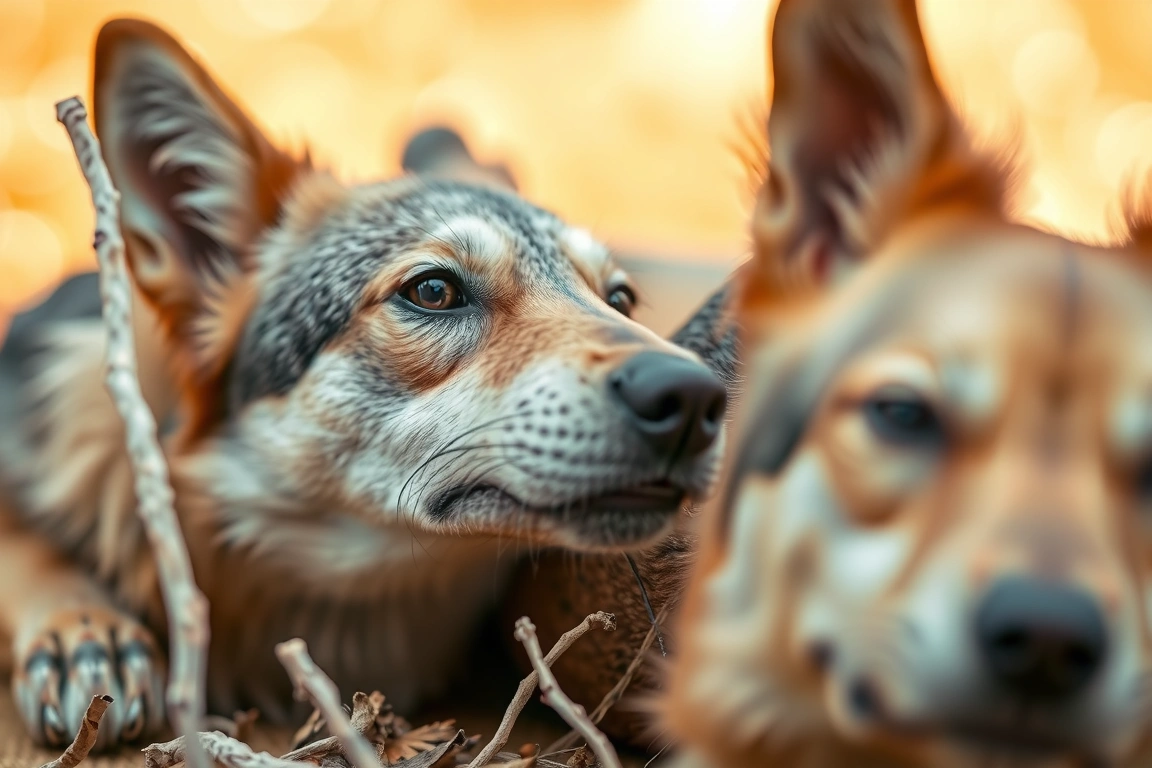
- Wolf howl: deep, sustained, drawn-out note; group howls harmonize rather than overlap chaotically; typically heard at dusk/dawn or after a kill
- Coyote vocalization: high-pitched yip-howls with rapid barking mixed in; sounds like more animals than are actually present
- Domestic dog howling: shorter, choppier, often triggered by sirens or other dogs rather than occurring in a rhythmic chorus
If you’re genuinely unsure, most state DNR wildlife pages (Wisconsin DNR and Minnesota DNR both do this) host recorded audio comparisons online, and a few minutes with headphones will train your ear fast. This distinction isn’t academic — it determines whether you’re dealing with a species protected under federal endangered species rules or a coyote, which most states allow homeowners to deter far more aggressively.
group of just two or three coyotes can sound like a dozen animals because the calls stack on top of one another.
Protecting Poultry and Outdoor Birds When Wolves Are Nearby
Wolves are opportunistic and will absolutely take unsecured poultry if it’s easy, even though chickens aren’t their primary prey. The coop reinforcement that finally let me sleep through the night uses ½-inch galvanized hardware cloth (19-gauge minimum — standard chicken wire’s 1-inch gaps are too wide to stop a determined predator) buried 12 inches into the ground around the run’s perimeter, since wolves and coyotes alike will dig under a fence rather than climb it.
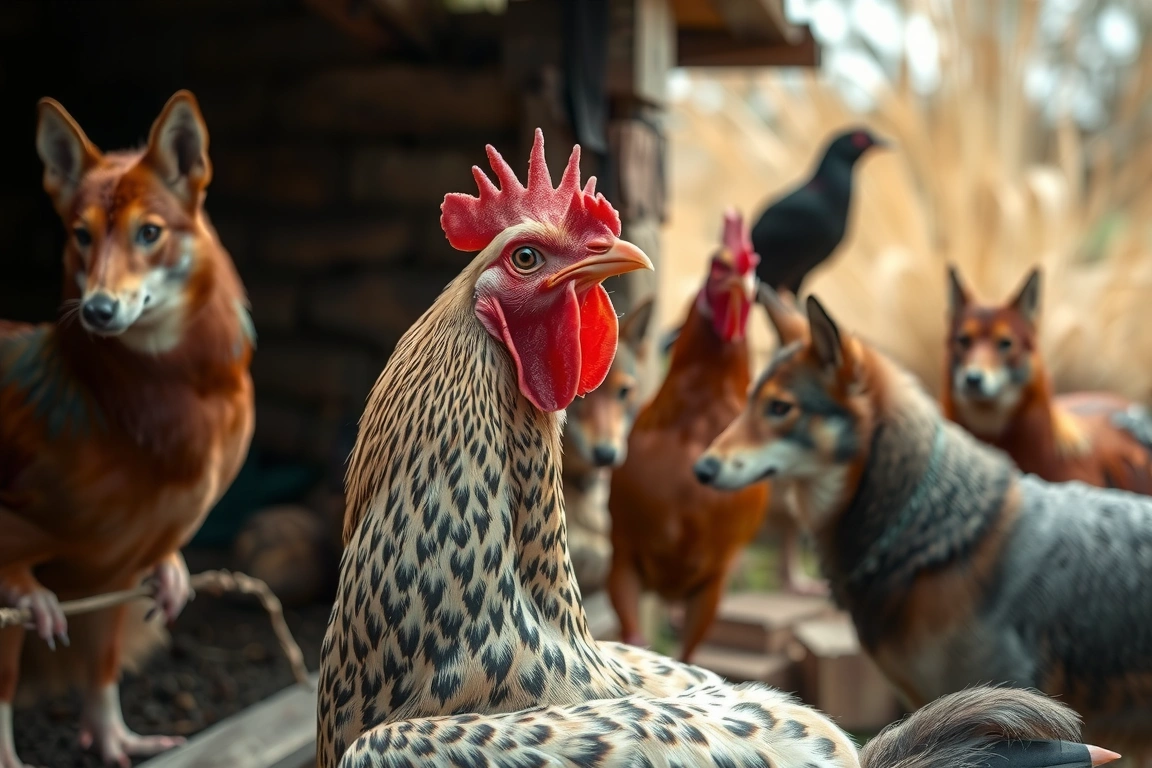
For the run itself, Premier1 Supplies sells ElectroNet poultry netting in a 164-foot by 42-inch roll for around $139, energized with a solar charger like their IntelliShock 60 (roughly $270) — this is the same electric netting system used by pastured poultry operations to deter foxes, coyotes, and wolves without harming the birds. Add a Nite Guard Solar predator light ($24.99 each, spaced every 10 to 15 feet around the coop) — the randomly flashing red LED mimics eyeshine and has been used by USDA Wildlife Services-adjacent operations as a low-cost deterrent, though its effectiveness drops if wolves habituate to it after a few weeks.
Coop height and secure latching matter just as much as fencing. Your coop door should sit at least 8 inches off the ground with a spring-loaded or carabiner-style latch — a simple hook latch is exactly what a paw or nose can flip open, and I’ve had a raccoon prove that to me before a wolf ever got the chance. Close birds in fully by dusk; that’s the single free change that matters most, since most wolf activity near rural properties peaks in the two hours after sunset.
Keeping Dogs and Cats Safe During Active Wolf Season
Small and medium dog breeds face real risk in active wolf territory — wolves have been documented killing domestic dogs in Wisconsin and Minnesota, particularly hounds used for hunting that range far from their owners. Wisconsin DNR’s depredation records logged 45 confirmed dog deaths attributed to wolves in the 2021-2022 reporting period, mostly involving hunting dogs off-leash in forested tracts. If you own a breed under 40 pounds — a Beagle, a Cocker Spaniel, a small mixed breed — keep them leashed or in a fenced yard during dawn and dusk hours in any county with a documented pack, full stop.
A GPS collar earns its cost here. The Garmin Alpha 300i (around $599.99) tracks a dog’s location in real time up to 9 miles line-of-sight and includes an InReach satellite feature for areas without cell service — genuinely useful if your dog bolts after a scent trail near a den site. The Whistle Go Explore ($129.95 plus a monthly subscription starting around $9) is the budget alternative and works fine if you’ve got decent rural cell coverage. Outdoor cats are honestly the hardest to protect short of full-time confinement; a catio enclosure (many owners build simple 6-foot by 8-foot runs from 2×4 lumber and ½-inch hardware cloth for $150 to $300 in materials) is the only reliable option once wolves are confirmed active nearby.
If your dog is ever injured in a predator encounter, expect an emergency vet visit for puncture wounds and lacerations to run $300 to $800 depending on suturing and imaging needs, plus a rabies booster (typically $20 to $40) as a precaution even if the wound looks minor. Don’t skip that vet visit — bite wounds from wild canids carry infection risk that’s genuinely different from a routine dog park scuffle.
When to Call Wildlife Officials
Hearing a howl once, even close by, isn’t a reason to call anyone. Escalate to your state DNR or U.S. Fish and Wildlife Service regional office when you see actual tracks (wolf prints run 4 to 5 inches long, notably larger than a coyote’s 2.5-inch track), find livestock or pet remains, or observe a wolf approaching within sight of occupied structures during daylight — genuinely unusual behavior that can indicate habituation or, rarely, disease.
Most states have a dedicated depredation hotline separate from general wildlife reporting; Wisconsin DNR’s is staffed specifically to investigate livestock and pet losses and can authorize compensation claims for confirmed wolf kills of livestock (not currently extended to pets in most states, which is worth knowing before you assume insurance will cover it). Never attempt to trap or shoot a gray wolf without confirming your state’s current legal status first — protections have shifted back and forth between state and federal management multiple times since 2011, and shooting a federally protected wolf can carry fines up to $100,000 and up to a year in prison under the Endangered Species Act.
Cost Breakdown: Predator-Proofing Your Property
Here’s what I’ve actually spent, plus typical ranges from other rural bird owners I’ve talked to through poultry-keeping forums:
| Item | product Example | Approx. Cost |
|---|---|---|
| Hardware cloth (100 ft roll, ½-inch, 19-gauge) | Generic galvanized steel | $90–$130 |
| Electric poultry netting (164 ft) | Premier1 ElectroNet | $139 |
| Solar fence charger | Premier1 IntelliShock 60 | $270 |
| Predator deterrent light (each) | Nite Guard Solar | $24.99 |
| GPS dog collar | Garmin Alpha 300i | $599.99 |
| Motion-sensor camera/light | Ring Spotlight Cam Plus | $219.99 |
| DIY catio (6×8 ft) | Lumber + hardware cloth | $150–$300 |
| Livestock guardian dog (puppy) | Great Pyrenees, Anatolian Shepherd | $600–$1,500 |
A livestock guardian dog is the biggest single line item but also the most effective long-term deterrent for anyone with more than a handful of birds — breeds like the Great Pyrenees and Anatolian Shepherd have centuries of use guar
Small changes, real momentum
Get practical guides and templates you’ll actually use — a few thoughtful emails a month.
🐾 Our Top Pick
Editor’s Pick: A secure outdoor kennel for protecting pets from wildlife.
For the Love of Your Pet
Care guides, breed insights, and gentle advice for happier pets.