Disclosure: This post contains affiliate links. If you click through and make a purchase, we may earn a small commission at no extra cost to you. Thank you for supporting this site!
Is your high-energy parrot getting enough fuel for all those aerial acrobatics and enthusiastic squawks? Many parrot owners stick to a seed-heavy diet, assuming it’s enough, but for birds that are truly active – think daily flight time, complex training sessions, or even just a naturally boisterous personality – a little extra protein can make a world of difference. I learned this the hard way with my own African Grey, Percy. He was always a bit listless, and his feather condition wasn’t quite as glossy as I’d hoped, despite a decent-looking seed mix. A vet check revealed he wasn’t deficient, but simply not optimally fueled for his lifestyle. It turns out, just like us, our feathered friends need varied protein sources to support muscle health, feather growth, and overall vitality. It’s not about overloading their system, but about providing quality building blocks for their demanding days. This isn’t about switching to a meat-heavy diet; it’s about intelligently supplementing their existing food with nutrient-dense, bird-safe protein boosters. We’re going to look at three of my go-to options that have genuinely transformed Percy’s energy levels and feather quality, and I’m confident they can do the same for your feathered dynamo. Get ready to see your bird truly thrive!
12 min read
In This Article
Key Takeaways
- The Case for Extra Protein: More Than Just Muscle
- Booster #1: The Mighty Lentil (Cooked, of Course!)
- Booster #2: The Humble Egg (A Complete Protein Source)
- Booster #3: Quinoa – The Ancient Grain Superstar
The Case for Extra Protein: More Than Just Muscle
Think of protein as the ultimate building material for your parrot. It’s not just about bulking up muscles, though that’s certainly a part of it for active birds. Protein is crucial for synthesizing enzymes, hormones, and antibodies, essentially running the internal machinery that keeps your bird healthy and alert. For a parrot that spends an hour a day flying laps around the living room or engaging in challenging foraging toys, muscle repair and energy replenishment are paramount. A deficiency, even a mild one, can manifest as dull feathers, slower healing, a weaker immune system, and even behavioral changes like increased aggression or lethargy. The Association of Avian Veterinarians (AAV) recommends that a balanced parrot diet should contain approximately 15-20% protein, but this can fluctuate based on activity levels and life stage. For instance, a bird recovering from illness or a female laying eggs might need a higher intake. Simply relying on a standard seed mix, which can be as low as 10-12% protein and often unbalanced in amino acids, simply won’t cut it for a bird that’s more than just a pretty face in a cage. We need to be proactive about providing these essential nutrients.
When I first started researching this, I was surprised to find out just how much protein is in certain whole foods that are perfectly safe for parrots. It’s easy to think of protein as just meat, but nature offers a wealth of plant-based and other sources that are far more appropriate for avian diets. For example, did you know that cooked lentils, a staple in many human diets, can contain up to 9 grams of protein per 100 grams? That’s a significant boost compared to the average seed. Understanding these options allows us to create a more dynamic and supportive diet for our birds, moving beyond the limitations of commercial seed mixes. This isn’t about replacing their primary diet but enhancing it, ensuring they have the resources to live their best, most active lives. I’ve found that introducing these boosters gradually, about 1-2 times a week, provides a noticeable improvement without overwhelming their system.
I’ve found that introducing these boosters gradually, about 1-2 times a week, provides a noticeable improvement without overwhelming their system.
Booster #1: The Mighty Lentil (Cooked, of Course!)
Lentils, specifically brown or green varieties, are an absolute powerhouse when it comes to plant-based protein. When cooked until tender, they become soft and easily digestible for most parrots, from budgies to macaws. A single cup of cooked lentils can contain roughly 18 grams of protein, making them an incredibly efficient way to supplement your bird’s diet. They also pack a good dose of fiber, iron, and folate, all contributing to overall health. I always opt for plain, cooked lentils – no salt, no spices, just simple goodness. I usually cook a big batch at the start of the week and store them in the fridge for easy access. A good starting portion for a medium-sized parrot like a conure would be about a tablespoon, mixed into their regular food or offered as a standalone treat. For larger parrots, you can increase this to two or three tablespoons. It’s crucial to remember that these are a *supplement*, not a replacement for their primary diet, which should still consist of a high-quality pellet or a varied chop.
When preparing lentils, ensure they are thoroughly cooked. Undercooked lentils can be hard and difficult for your parrot to digest, potentially leading to crop stasis or other digestive issues. I usually simmer them for about 20-25 minutes after soaking, until they are soft enough to mash easily with a fork. Once cooled, I often mix them with a little bit of mashed sweet potato or finely chopped leafy greens to make them even more appealing and nutritionally complete. This combination is something my cockatiel, Pip, goes absolutely wild for. It’s a practical way to ensure he’s getting a good protein hit alongside essential vitamins. I’ve noticed that birds who regularly receive a small portion of cooked lentils tend to have brighter eyes and more robust feathering, especially around the preening areas. It’s a simple addition that yields significant results, and the cost is incredibly low – a bag of dried lentils costs just a few dollars and can last for months of supplementation.
Preparation Tip: Always cook lentils until very soft. A good test is to be able to easily mash one between your fingers. Avoid any added salt, onion, garlic, or spices, as these can be harmful to birds. For smaller birds, you can mash the lentils further or even blend them into a paste to make them easier to consume.
For smaller birds, you can mash the lentils further or even blend them into a paste to make them easier to consume.
Booster #2: The Humble Egg (A Complete Protein Source)
Eggs are often hailed as nature’s perfect food, and for good reason. They are a complete protein source, meaning they contain all nine essential amino acids that parrots cannot produce on their own. This makes them incredibly bioavailable and highly beneficial for muscle development, feather production, and overall cellular function. A single large chicken egg contains about 6 grams of protein. I typically offer a scrambled or hard-boiled egg, finely chopped, about once a week. It’s important to cook the egg thoroughly to eliminate any risk of Salmonella or other foodborne illnesses. I usually scramble mine with a tiny splash of water (no milk or oil needed!) and cook it until it’s firm but still moist. For a medium parrot, a quarter of a scrambled egg is usually a good portion, while larger parrots can handle half an egg. It’s a fantastic way to provide a dense nutrient boost, especially for birds that are molting or recovering from illness.
When introducing eggs, start small. Some birds might be hesitant at first, so mixing a tiny amount of chopped egg with their favorite chop or a small portion of their regular pellets can encourage them to try it. I remember my Amazon parrot, Rio, being initially suspicious of scrambled egg. I mixed just a small pinch into his morning chop, and by the next day, he was picking out the egg pieces first! It’s a versatile food; you can offer it plain scrambled, hard-boiled and mashed, or even incorporated into baked bird treats. Ensure the egg is fully cooked – no runny yolks or whites. The shell, when thoroughly washed and baked until brittle, can also be a good source of calcium, though I prefer to offer dedicated calcium supplements to ensure precise dosing. For active birds, the high-quality protein in eggs supports rapid recovery after strenuous activity, much like athletes consuming protein post-workout. A typical large chicken egg costs less than 50 cents, making it an economical yet incredibly potent protein booster.
Serving Suggestion: Cooked egg can be served plain, mashed, or finely chopped. Ensure it’s completely cooled before offering it to your parrot. Avoid adding any salt, butter, or oils during cooking. For extra fiber and nutrients, you can mix a small amount of finely chopped cooked egg with their favorite chopped vegetables or fruits.
For extra fiber and nutrients, you can mix a small amount of finely chopped cooked egg with their favorite chopped vegetables or fruits.
Booster #3: Quinoa – The Ancient Grain Superstar
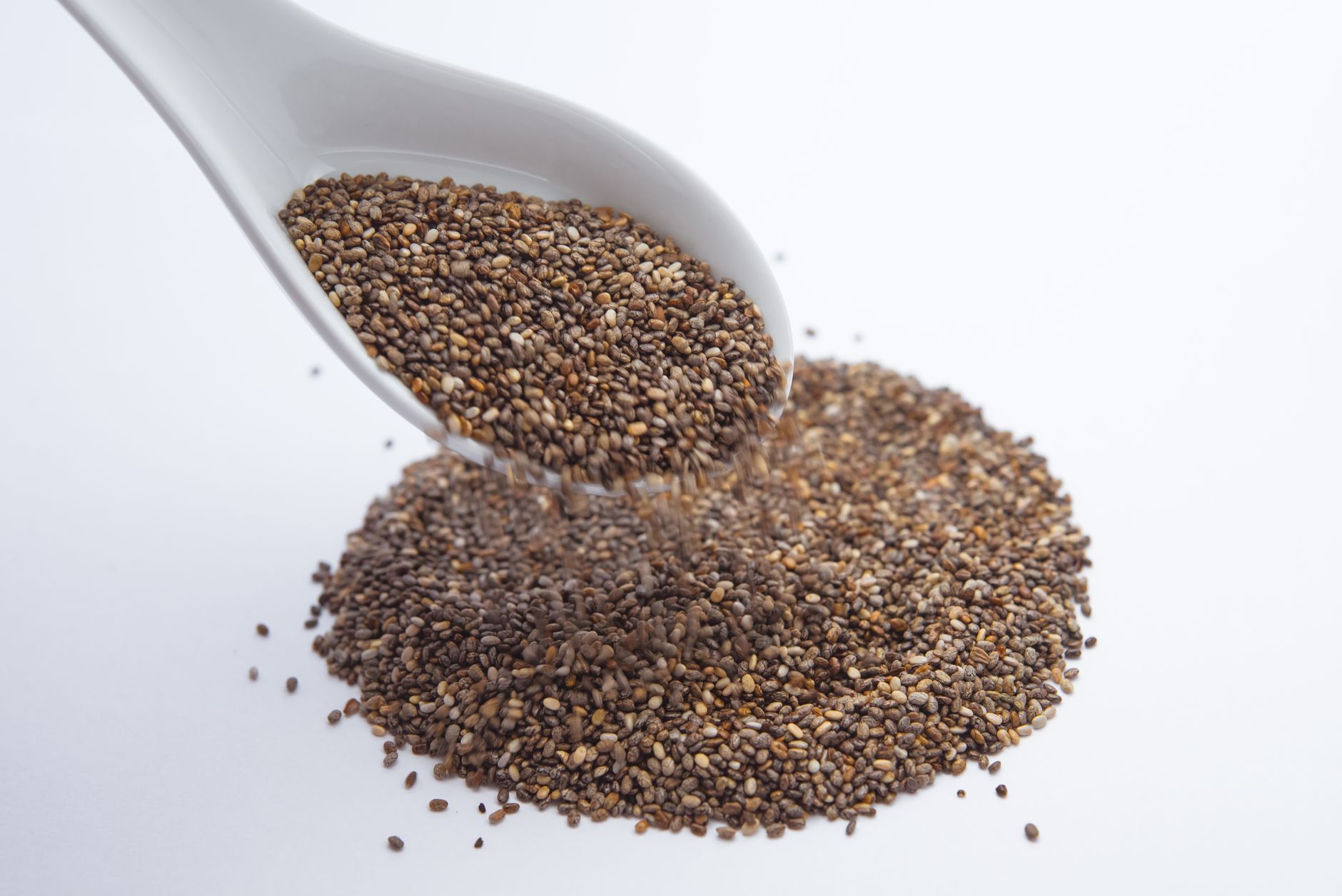
Quinoa is often mistakenly called a grain, but it’s actually a seed, and a remarkably nutrient-dense one at that. It’s a complete protein, containing all the essential amino acids, and a single cooked cup provides about 8 grams of protein. It’s also rich in fiber, magnesium, B vitamins, iron, potassium, calcium, phosphorus, and vitamin E. For parrots, cooked quinoa is easily digestible and offers a wonderful textural variety to their diet. I often prepare a batch of quinoa at the beginning of the week, cooking it in water (or a parrot-safe broth for extra flavor, though plain water is perfectly fine). Once cooked and cooled, I can mix a couple of tablespoons into their chop or offer it as a base for a more complex meal. It’s a fantastic alternative to rice or pasta, offering a much more balanced nutritional profile.
When cooking quinoa, it’s important to rinse it thoroughly beforehand to remove saponins, a natural coating that can taste bitter and potentially cause digestive upset. I usually rinse it under cold running water in a fine-mesh sieve until the water runs clear. Then, I cook it in a 2:1 ratio of liquid to quinoa (e.g., 1 cup quinoa to 2 cups water) until the liquid is absorbed and the germ ring separates from the seed. Once cooked and cooled, it has a fluffy texture that parrots generally enjoy. For smaller birds, you can mash it slightly. I find that mixing cooked quinoa with finely diced cooked chicken (plain, unseasoned, a very small amount as an occasional treat) and some steamed vegetables creates a highly nutritious and appealing meal for my more active birds. The cost of quinoa can vary, but a 1-pound bag typically costs between $3-$5 and can provide multiple servings for several birds. It’s an excellent way to introduce complex carbohydrates alongside that valuable protein boost.
Cooking Quinoa for Parrots: Always rinse quinoa thoroughly before cooking. Cook in a 2:1 ratio of water to quinoa until tender and fluffy. Allow to cool completely before serving. Plain cooked quinoa can be mixed into chop, pellets, or offered as a base for other healthy additions. A small amount of cooked, unseasoned chicken or turkey can be added for an extra protein punch, but this should be an occasional treat, not a daily staple.
A small amount of cooked, unseasoned chicken or turkey can be added for an extra protein punch, but this should be an occasional treat, not a daily staple.
Implementing Protein Boosters: Practical Tips & Considerations
Introducing new foods, especially protein boosters, requires a gradual approach. Start with small amounts – think a teaspoon for a smaller parrot like a cockatiel or budgie, and a tablespoon or two for larger species like Amazons or Greys. Always observe your bird for any signs of digestive upset, such as changes in droppings or lethargy. If you notice anything concerning, reduce the amount or temporarily discontinue the new food. Variety is key; don’t rely on just one booster. Rotating between cooked lentils, eggs, and quinoa throughout the week ensures a broader spectrum of nutrients and keeps your bird engaged with their food. Remember, these boosters should complement, not replace, a high-quality base diet, which for most parrots should be a well-formulated pellet (like Harrison’s High Potency Coarse or Roudybush Daily Maintenance) supplemented with a wide variety of fresh vegetables and fruits. Aim to offer these protein-rich additions 1-3 times per week, depending on your bird’s activity level and overall health.
It’s also essential to consider the source and preparation. For eggs, always ensure they are fully cooked. For lentils and quinoa, cook them until very soft and serve them plain. Avoid any added salt, oils, spices, or artificial ingredients. If you’re unsure about a specific food or your bird has underlying health conditions, always consult with an avian veterinarian. They can provide personalized recommendations based on your bird’s specific needs. For instance, a bird with kidney issues might need a more controlled protein intake. My own experience with Percy showed a remarkable improvement in his feather luster and energy within just two weeks of incorporating these boosters twice weekly. He became more vocal, more playful, and even started engaging more with his training sessions. These aren’t just minor tweaks; they’re significant improvements that contribute to a higher quality of life for an active bird. The cost-effectiveness is also a huge plus; a bag of lentils costs under $2 and can last months, a dozen eggs is typically under $5, and a bag of quinoa is around $4. These are incredibly affordable ways to significantly boost your bird’s nutrition.
My Weekly Rotation Example (for a medium-sized parrot like an African Grey):
- Monday: Standard pellet base with a generous serving of mixed chop (leafy greens, carrots, bell peppers).
- Tuesday: Pellet base with chop, plus 1 tablespoon of cooked, plain lentils mixed in.
- Wednesday: Pellet base with chop.
- Thursday: Pellet base with chop, plus 1/4 of a scrambled egg mixed in.
- Friday: Pellet base with chop.
- Saturday: Pellet base with chop, plus 1-2 tablespoons of cooked quinoa mixed in.
- Sunday: Pellet base with chop, perhaps a small piece of a parrot-safe fruit like mango.
This rotation ensures a balanced intake while providing those crucial protein boosts regularly without overdoing it. Adjust portion sizes and frequency based on your bird’s species, size, and activity level.
Small changes, real momentum
Get practical guides and templates you’ll actually use — a few thoughtful emails a month.
Frequently Asked Questions
What are the risks of overfeeding protein to parrots?
While protein is essential, too much can indeed be detrimental. Excessive protein intake can strain the kidneys and liver as the bird’s body works harder to process the nitrogenous waste. It can also lead to an imbalanced diet, potentially displacing other vital nutrients like essential fatty acids, vitamins, and minerals. For birds prone to certain health issues, like kidney disease, a high-protein diet is particularly risky. It’s always best to stick to recommended percentages – around 15-20% for active birds – and introduce boosters gradually, monitoring your bird’s health closely. If you’re unsure, always consult your avian vet.
Can I feed my parrot raw eggs or raw lentils?
No, it’s strongly advised against feeding raw eggs or raw lentils to parrots. Raw eggs can carry harmful bacteria like Salmonella, which can cause severe illness in birds. Raw lentils are also difficult to digest and can contain antinutrients that interfere with nutrient absorption. Always cook eggs thoroughly until firm and cook lentils until they are very soft and easily mashable. This process neutralizes potential pathogens and makes the nutrients more accessible for your parrot.
How do I know if my parrot needs more protein?
Several signs can indicate a potential need for increased protein, though it’s always best to get a vet’s confirmation. These include poor feather quality (dull, brittle, or slow-growing feathers), increased susceptibility to illness or slow healing, lethargy or reduced activity levels, and sometimes even behavioral changes like increased aggression or feather plucking (though feather plucking can have many causes). If your parrot is exceptionally active, undergoing a molt, or recovering from illness, their protein needs will naturally be higher. Observing your bird’s overall condition and energy levels is key.
Are there any commercially available protein boosters for parrots?
Yes, there are commercially available protein boosters, often in the form of high-protein pellets or treats specifically formulated for birds. Brands like Lafeber’s Tropical Pellets or Zupreem Smart Selects often have higher protein content than standard pellets. Some companies also offer freeze-dried insect treats, which are high in protein, but these should be offered sparingly due to their richness and potential for high fat content. While convenient, I personally prefer the control and cost-effectiveness of using whole food boosters like lentils, eggs, and quinoa, as I can ensure they are plain and prepared precisely to my bird’s needs. Always check the ingredient list and guaranteed analysis to ensure the product is suitable and doesn’t contain unnecessary additives.
Choosing the right protein boosters for your active parrot is about understanding their nutritional needs and providing them with wholesome, digestible foods that support their energetic lifestyle. By incorporating cooked lentils, thoroughly cooked eggs, and fluffy quinoa into their diet 1-3 times a week, you can significantly enhance their feather health, energy levels, and overall vitality. Remember to introduce these foods gradually, monitor your bird’s response, and always prioritize a balanced diet of high-quality pellets and fresh produce. Don’t be afraid to experiment a little to see what your bird enjoys most, and always consult your avian veterinarian if you have any specific concerns about your parrot’s diet or health. A well-nourished, active parrot is a happy parrot, and these simple additions can make a world of difference. Happy feeding!
Keep reading
🐾 Our Top Pick
Editor’s Pick: automatic pet feeder with a secure locking food container.
For the Love of Your Pet
Care guides, breed insights, and gentle advice for happier pets.