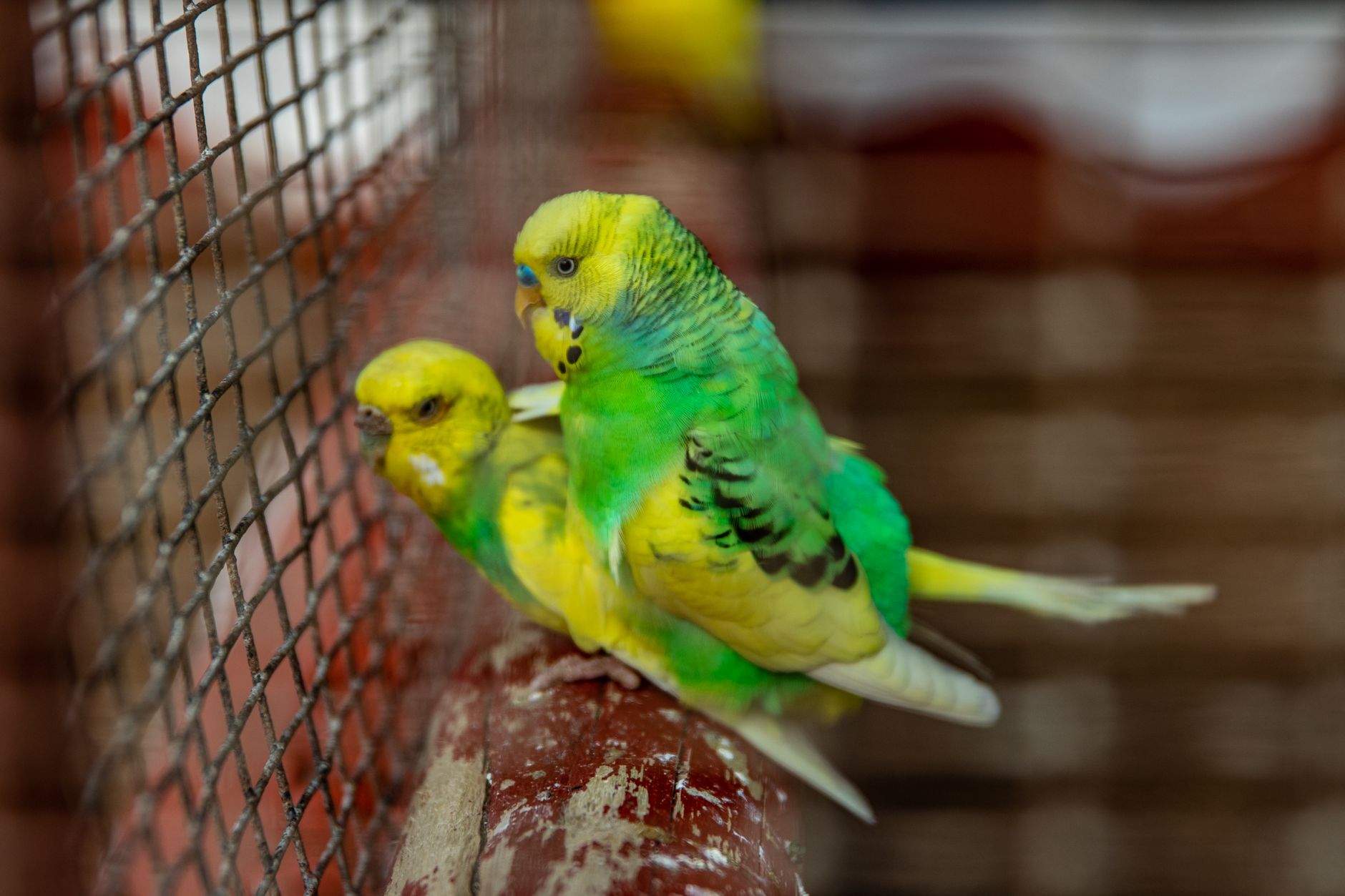
Most people assume keeping a flock of three or four budgerigars (Melopsittacus undulatus) will triple your budget. That’s a myth, but it’s a dangerous one if you cut corners in the wrong places. When I first moved my pair of birds into a larger flight cage, I slashed my per-bird costs by 40% simply by buying multi-feed stations instead of individual dishes and switching to a pellet-heavy diet. However, housing multiple parakeets isn’t just about saving money; it’s about managing spatial dynamics. A cheap, cramped cage turns a flock into a fighting pit. Conversely, a high-end luxury setup is often overkill for active, wild-type birds. The sweet spot lies in understanding the exact millimeter of bar spacing that prevents injury while maximizing floor space for foraging. Below is the breakdown of how I house four budgies in a setup that costs less than a single high-end single-bird cage.
12 min read
In This Article
- Flight Cages vs. Wire Prison Cells: The Housing Math
- Dietary Economics: Pellets, Seeds, and Pasty Face
- Behavioral Dynamics: Preventing Flock Aggression
- Health Surveillance: The Budget Vet Protocol
- Cleaning Schedules: Time vs. Money
- Toy Enrichment: DIY on a Dime
- Compatibility with Other Pets: Cross-Species Hazards
- Frequently Asked Questions
Key Takeaways
Flight Cages vs. Wire Prison Cells: The Housing Math
The single biggest mistake budget-keepers make is prioritizing vertical height over horizontal width. Budgies are ground-foraging birds in the wild. They don’t just perch; they hop, run, and forage. When I was housing two birds in a standard 20-inch tall travel cage, they looked content until I swapped it for a wider, lower configuration. The difference in aggression levels was immediate. For a flock of three to six budgies, you need a minimum internal width of 24 inches and a depth of 18 inches. Height is secondary, though 24-30 inches is ideal for wing stretching.
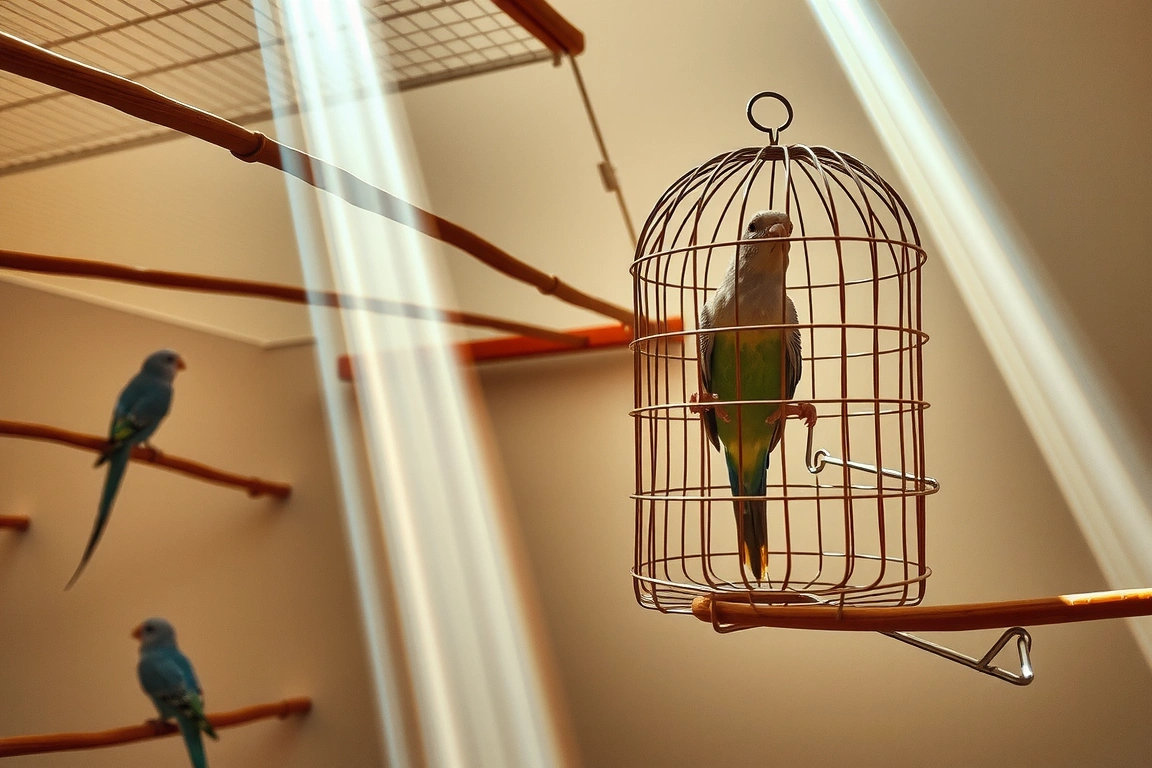
Do not buy round cages. They create dead spots where birds feel trapped and have no corners for perches. Stick to rectangular designs. The iC 360 series offers 24 inches of width, which is the bare minimum for two birds, but for a flock, you need the larger iC 360 or the Prevue Pet Products 2040B, which offers 30 inches of width. The Prevue model often goes on sale for under $60, making it the best “bang for your buck” for flock housing.
Bar spacing is non-negotiable. Budgies can fit their heads through gaps of 5/8 inch (15.8mm). If they can fit their head, they can turn it sideways and get stuck, leading to asphyxiation or the need for euthanasia. Ensure every cage you consider has bar spacing between 3/8 inch (9.5mm) and 7/10 inch (17mm). The Prevue 2040B uses 5/8 inch spacing, which is safe. Avoid DIY wire rack hacks unless you are 100% certain of the gauge and spacing consistency. Soft plastics inserted between bars can be chewed and ingested, causing crop impaction. Stick to hardened steel wire. Your goal is a horizontal footprint of at least 432 square inches for a bird. Multiply that by the number of birds to get your absolute minimum floor space.
Budget Cage Comparison
- Prevue Pet Products 2040B: Widest option under $70. 30″L x 18″D x 36″H. 5/8″ spacing. Best for 3-4 birds. Powder-coated steel.
- MidWest iC 360 (2-Living Level): 24″W x 18″D x 60″H. Good vertical space, but width is tight for more than two birds. Better for single-pair housing. Price ~$65.
- Kaytee Fortrex (Flight Series): Often touted as premium, but the smaller models offer poor width-to-price ratio. Only consider the 40x22x38 model for flocks, which costs over $150. Not shoestring budget-friendly.
Only consider the 40x22x38 model for flocks, which costs over $150.
Dietary Economics: Pellets, Seeds, and Pasty Face
If you feed your flock exclusively on seed mixes, you are not saving money; you are funding your avian vet bills. Seed-only diets lead to fatty liver disease, hypovitaminosis A, and “pasty face” (corners of the beak crusting over due to deficiency). While seeds taste better to us, they are high in fat and low in essential amino acids. To keep a flock healthy on a budget, you must switch to a high-quality pellet base. Pellets are extruded to contain the exact nutritional balance, meaning you do not need to worry about supplementing calcium or vitamins separately.
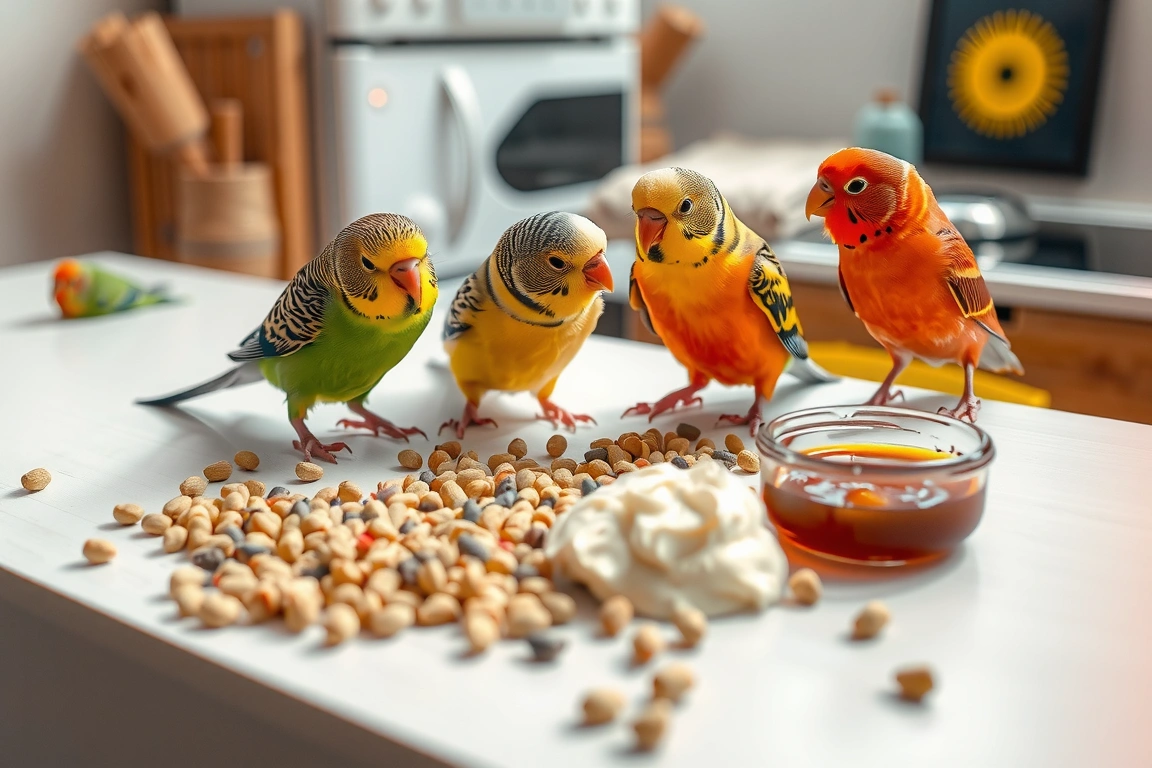
I switched my flock from a generic bag of sunflower-heavy seed to Harrison’s Bird Foods Low Fat Pellets about three years ago. The initial cost shock was real—a 2-pound bag costs around $35-40. However, birds self-regulate pellet consumption much better than seeds. They don’t shell out and toss the uneaten parts. Over six months, my food bill dropped by 15% because of reduced waste, and I saved over $200 in veterinary visits for digestive issues. For a shoestring budget, look for store-brand pellets or bulk bags of Roudybush Hazelnut or Kaytee Forti-Diet Pro Health. Roudybush is particularly durable and less prone to breaking into dust, which birds will blow away and refuse to eat.
Supplement with fresh vegetables, not cheap lettuce. Romaine hearts, broccoli florets, and cooked sweet potatoes provide beta-carotene. I buy these in bulk frozen packs for meal prep and thaw them for the birds. This costs less than $1 per serving for the whole flock. Avoid avocado, chocolate, onion, garlic, and fruit pits/stems. These are toxic. The daily diet breakdown should be 75% pellets, 15% fresh vegetables, and 10% fruits or foraging seeds. By controlling the seed intake as a treat rather than a staple, you manage body weight and prevent obesity, which is the leading killer of indoor budgies.
Diet Cost Breakdown Per Month (4 Birds)
- Pellets (Roudybush/Kaytee Forti-Diet): ~$15.00 for a 5lb bag lasting 6-8 weeks.
- Frozen Veggies Mix: ~$8.00 for weekly fresh greens.
- Seed Treats (Sunflower/Green Peas): ~$5.00 for foraging enrichment.
- Total Monthly Food Cost: ~$11.66 per month for 4 birds ($2.91/bird).
Total Monthly Food Cost: ~$11.66 per month for 4 birds ($2.91/bird).
Behavioral Dynamics: Preventing Flock Aggression
Feathers fly when resources are scarce. In a flock, aggression usually stems from three things: territorial disputes over food, mating pair exclusivity, or lack of hiding spots. When I introduced a third bird to a bonded pair, fighting erupted within 24 hours. The issue wasn’t personality; it was the fact that I had only two seed dishes. The established pair guarded them. I immediately duplicated all feeding stations and sleeping perches. The fighting stopped overnight.
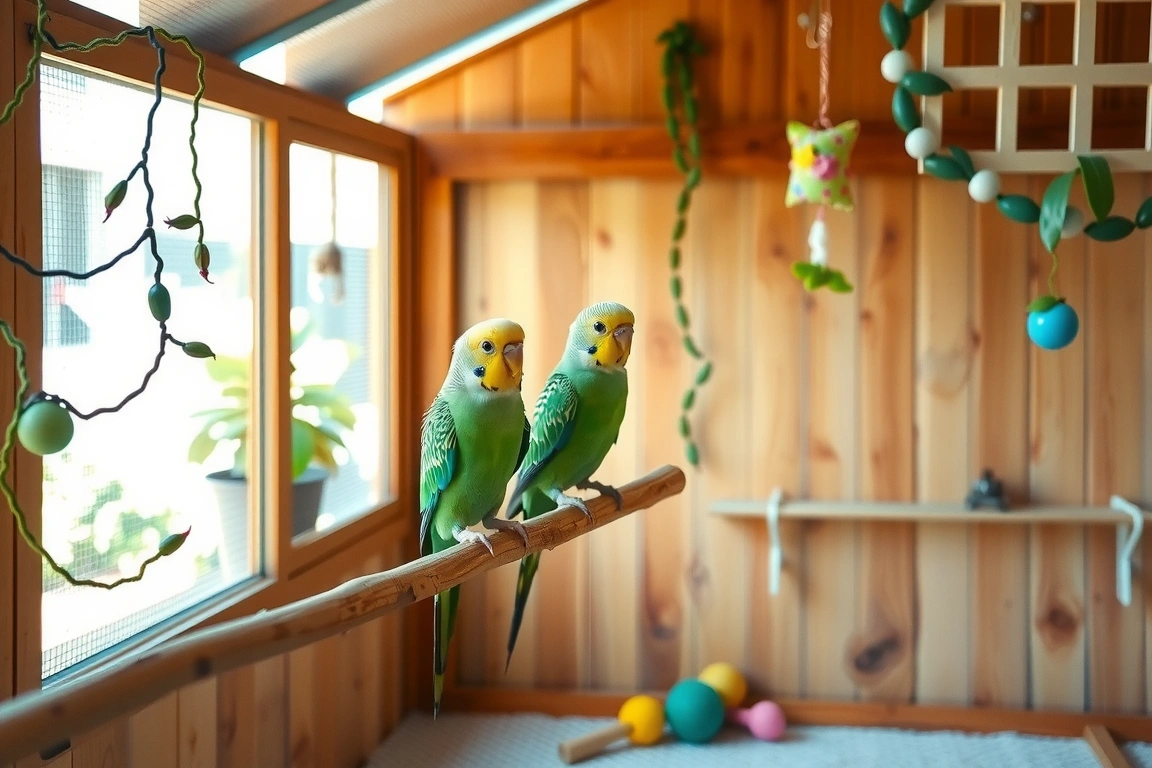
In a multi-bird cage, the rule of thumb is: one for all, plus one extra. If you have four birds, you need five food bowls and five water stations. This eliminates “choke points” where dominant birds can block access to essentials. Budgies are social but hierarchical. They need vertical stratification. The alpha bird will claim the highest perch. If the cage is too small, subordinates are forced into close quarters, leading to plucking or biting. Spacing perches at varying heights and distances allows each bird to retreat. Use natural wood perches of different diameters (7/8 inch to 1.5 inches) to keep their feet healthy. Vine wood is best for beak chewing, while manzanita is harder for foot grip.
Sex matters. A mixed-sex flock in a breeding-age age range (6 months to 3 years) is a ticking time bomb unless you are prepared for eggs. Unfertilized eggs can cause egg-binding, a life-threatening condition. To keep costs down and stress low, I recommend a single-sex flock. All-male flocks are generally friendlier, noisier, and less aggressive. All-female flocks are calmer but can be more territorial. If you have a male and female, and you do not want chicks, separate them after the breeding season or keep them in opposite ends of a very large cage with visual barriers, though separation is safer and cheaper in the long run.
Signs of Aggression to Watch For
- Food Guarding: Loud squawking, lunging at other birds near food bowls.
- Perch Dominance: One bird consistently chasing others off specific perches.
- Feather Plucking: Sudden loss of feathers on specific birds, often subordinates.
- Biting: Physical contact with beaks touching skin of other birds.
Biting: Physical contact with beaks touching skin of other birds.
Health Surveillance: The Budget Vet Protocol
Prevention is the only way to keep vet costs low. An avian vet visit for a sick bird averages $100-$150 for a consult alone, plus testing. A flock setting amplifies disease transmission. Psittacosis, Polyomavirus, and PBFD (Proventricular Dilatation Disease) are silent killers. You cannot treat these on a shoestring budget. You prevent them. The first step is quarantine. Never introduce a new bird to an existing flock without a 30-day quarantine in a separate room. This is non-negotiable. Many pet stores sell sick birds. Always demand a fecal slide test result before buying.

In my flock, I perform a weekly visual health check. This takes two minutes. Look at the droppings. Healthy budgie poop has three parts: a solid fecal bolus (brown/green), white urate cap, and clear urine. Loose, watery stools with dark green bile indicate liver stress or infection. Bright red stool indicates lower GI bleeding. If you see white, chalky poop with cloacal irritation, they have a yeast infection. Treat this early with a change in diet and a vet visit. Delaying costs more later.
Also, check their feet and beaks.bumblefoot (infection on the foot pad) is caused by thin perches or wet floors. If I see redness on their feet, I check the perch diameter and increase the height of dishes to keep feet dry. Beak overgrowth is rare in budgies because they chew, but if the beak starts curling, it’s a liver issue. Regular cleaning prevents respiratory infections. Dust mites in old seed hulls can cause chronic rhinitis. This is why I recommend pellets over seed-heavy diets for hygiene. Sweep the cage floor daily. Replace water twice daily. These simple habits keep medical bills near zero.
Estimated Annual Vet Costs (Preventative)
- New Bird Exam & Fecal Test: $75-$100 per bird (one-time).
- Annual Wellness Check (if symptomatic): $100 per visit.
- Emergency Fund Recommendation: Save $50/month for unexpected surgeries.
Emergency Fund Recommendation: Save $50/month for unexpected surgeries.
Cleaning Schedules: Time vs. Money
Time is money, and cleaning a flock cage is labor-intensive. Budgies poop approximately every 20-45 minutes. Four birds mean a cage floor covered in waste within hours. A dirty cage is a moldy, bacterial nightmare. My budget-friendly approach relies on design, not expensive gadgets. Use newspaper or white paper towels at the bottom, not pine shavings or cedar chips, which release toxic phenols. Paper allows for easy spot-cleaning and visual inspection of droppings.
Daily: Spot-clean the worst areas and replace soiled paper. Wash food and water dishes in hot soapy water. Disinfect weekly. I use a solution of 1 part unscented bleach to 20 parts water. Let it sit for 10 minutes, then rinse thoroughly. Never use Fabrics softeners, scented cleaners, or air fresheners in the cage area. Bird lungs are incredibly sensitive to volatile organic compounds (VOCs). A single Tistel air freshener spray can kill a budgie in minutes. This is a real risk, not an exaggeration.
Weekly: Full cage bath. Spray down the wire, plastic, and wooden perches. Remove all toys and wash them. Soak wooden toys in the bleach solution, then rinse. Plastic toys can be sterilized in the dishwasher (top rack). Replace paper substrate entirely. This routine takes 15-20 minutes. If you neglect this, ammonia fumes from accumulated urine will damage your bird’s respiratory tract. I learned this the hard way when my birds developed sneezing fits during winter. The fix was increasing ventilation and cleaning frequency. Budget keepers often skip deep cleaning to save time, but it costs more in health later.
Toy Enrichment: DIY on a Dime
Bored budgies become destructive budgies. They will chew on curtain rods, baseboards, and your furniture. Toys are an investment in your home’s integrity. Commercial bird toys are expensive, often costing $10-$15 for a simple ladder. You can make safe, engaging toys for pennies. The key is variety and rotation. Leave all toys in the cage at once, and they lose interest. Rotate three sets of toys weekly.
Project 1: The Ladder. Take a piece of untreated plywood (3/4 inch thick, sanded smooth). Attach wooden ladder steps. This takes $2 in wood and 10 minutes. Sand it to remove splinters. A bird can chew the wood, which is safe and provides mental stimulation. Avoid painted or stained wood. Use only raw, untreated hardwoods like pine, birch, or maple.
Project 2: The Forage Tube. Cut the bottom off a 1-liter plastic water bottle. Punch holes in the bottom of the cap. Put pellets inside. Tape the bottle to the cage bars. This encourages problem-solving and extends feeding time from 5 minutes to 45 minutes. It’s free if you recycle bottles. Always supervise to ensure no plastic is ingested. Tape should be zoopathetic-rated or medical tape, not duct tape, which contains toxic adhesive.
Project 3: The Cardboard Roll. Simple paper towel rolls lined with a bit of oatmeal or safe leafy greens. Shredding cardboard satisfies their instinct to hide food. It’s free, engaging, and biodegradable. Replace daily. This simple hack has kept my flock occupied for hours, reducing noise levels and feather-damaging behaviors. Cost: $0. Benefit: High.
Compatibility with Other Pets: Cross-Species Hazards
Budgies are fragile. A domestic cat or dog is a predator to them, regardless of temperament. I had a dog that never chased mice, nearly ate a budgie because of a sudden flush. The stress can kill a bird even if not physically harmed. Hormonal changes and heart failure can occur. If you have other pets, the cage must be elevated, preferably 5-6 feet high, and secured to a wall. This prevents cats from jumping on it and dogs from rattling it.
Do not keep budgies with other bird species of vastly different sizes. A budgie can be stepped on or bitten by a cockatiel or finch. While parakeets and finches can coexist in large aviaries, in a standard cage, the budgie’s aggression and larger size often bully smaller birds. Keep it simple. One species per cage is the safest, cheapest, and easiest management strategy. If you want multiple species, invest in a 6-foot tall aviary with multiple levels and hiding spots, which takes you out of the “shoestring” category entirely.
For dog owners, consider the noise factor. Budgies can be loud, especially in the morning (4:00 AM wake-up call). This can stress your dog. Place the cage in a room with good sound dampening, not a hallway where echoes amplify squawks. A heavy velvet cover for the cage at night helps regulate sleep cycles for both birds and mammals. It blocks light and muffles sound. Covering a cage is always safe, as long as it has enough ventilation holes. Never use plastic bags or airtight covers. Breathable fabric is key.
Small changes, real momentum
Get practical guides and templates you’ll actually use — a few thoughtful emails a month.
Frequently Asked Questions
How many budgies can I keep in a standard household cage?
Depends on the cage dimensions. For a standard 30″L x 18″D x 36″H cage like the Prevue 2040B, a maximum of 3-4 budgies is recommended. This provides each bird with approximately 100 square inches of floor space, which is the bare minimum to prevent territorial aggression. If you have five or more birds, you need a cage that is at least 36 inches wide. Crowding leads to stress, feather plucking, and increased disease transmission. Always prioritize width over height for flock happiness. If space is limited, it’s better to house fewer birds humanely than many birds in a crowded, stressful environment.
What is the absolute cheapest way to feed a flock without harming them?
Buy large bulk bags (10-20 lbs) of Roudybush Hazelnut or Kaytee Forti-Diet pellets online or from feed stores. These cost significantly less per pound than small bags at pet shops. Supplement with frozen mixed vegetables from the grocery store, which are cheaper than fresh produce and have a longer shelf life. Cook sweet potatoes or corn kernels in bulk as occasional treats. Avoid expensive seed mixes, which are toxic due to high fat and low nutrition. This diet keeps costs under $3 per bird per month while ensuring they receive adequate protein, vitamins, and calcium. It also reduces picking-and-wasting behaviors common with seed feeders.
Can I use untreated branches found outside for perches?
Only if you are 100% certain the branch is from a non-toxic tree. Safe trees include live oak, hickory, manzanita, and fruit trees (apple, pecan, pear). Avoid cherry, red maple, yew, oleander, and pine (if untreated, it can mold). If you find a branch, bake it in the oven at 350°F for 30-40 minutes to kill insects, bacteria, and eggs. Let it cool completely. Inspect for signs of disease (oozing sap, black spots). This is a great zero-cost enrichment method, but the risk of introducing an unknown toxin is higher than buying pre-sanitized vine branches. If in doubt, buy a bundle of natural perches from a reputable supplier for around $15. It’s a small insurance policy against poisoning.
Setting up a budgie flock on a budget isn’t about being cheap; it’s about being smart. Prioritize a wide, rectangular cage with safe bar spacing over decorative features. Invest in high-quality pellets to prevent disease, and make your own toys from untreated wood and cardboard. Keep the cage spotless daily to avoid respiratory issues. Most importantly, respect the social dynamics of the flock by providing duplicate resources and separate sleeping areas. With these strategies, you can house four happy, healthy budgies for under $300 in initial costs and roughly $12 per month thereafter. Your birds will thrive, and your wallet will stay intact. Start with the cage size right, and the rest follows.
🐾 Our Top Pick
Editor’s Pick: Large multi-level wire cage for budgie flock housing on a shoestring budget expert.
For the Love of Your Pet
Care guides, breed insights, and gentle advice for happier pets.