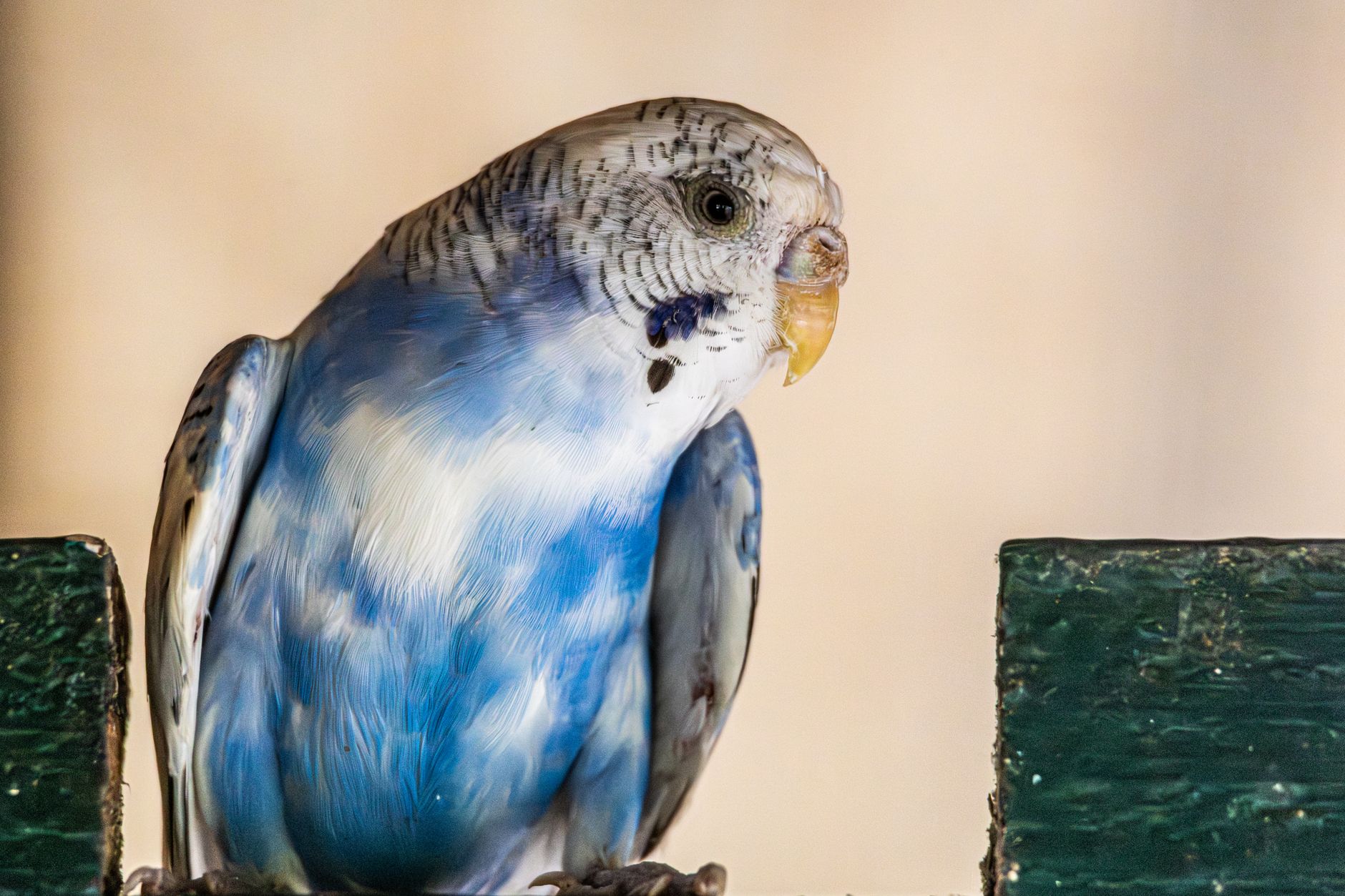
I upgraded my cockatiel’s cage from an 18x18x18 starter cage to a Prevue Hendryx F040 flight cage (31″ x 20.5″ x 53″) in 2021, and it cost me $249 plus another $40 in new perches. Was it worth it? My cockatiel, Biscuit, stopped screaming for two hours every morning within about ten days. That’s not a coincidence — it’s a documented behavior pattern in cockatiels kept in undersized enclosures, and it’s the exact question this article answers with real numbers instead of vague reassurance. “Is it worth it” gets asked about everything from cage upgrades to automatic misting systems to switching from seed mix to pellets, and the honest answer changes depending on species, budget, and how many birds you’re keeping. I’m going to walk through the actual math — dimensions, bar spacing, diet costs, vet bills — so you can answer this for your own setup instead of guessing.
9 min read
In This Article
- What “Worth It” Actually Means for Bird Owners
- The Housing Math: Bar Spacing, Dimensions, and Why Size Determines Everything
- Diet and Enrichment Costs You’re Not Currently Budgeting For
- Behavioral Payoff: What Changes When You Upgrade
- Health Costs of Staying Small: The Vet Bills Nobody Warns You About
- The Full Cost Breakdown: Small vs Large Cage Over 5 Years
- Companion Compatibility: Is It Worth It for Multi-Bird or Multi-Pet Households?
- Quick Decision Checklist
- Frequently Asked Questions
Key Takeaways
- What “Worth It” Actually Means for Bird Owners
- The Housing Math: Bar Spacing, Dimensions, and Why Size Determines Everything
- Diet and Enrichment Costs You’re Not Currently Budgeting For
- Behavioral Payoff: What Changes When You Upgrade
What “Worth It” Actually Means for Bird Owners
Every “is it worth it” question in bird keeping boils down to a cost-versus-outcome comparison, and the outcomes are almost always behavioral or medical. A $250 cage upgrade sounds steep until you compare it to a single emergency vet visit for feather plucking treatment, which typically runs $150 to $400 at an avian specialist clinic depending on whether bloodwork or a skin biopsy is involved. I’ve paid both bills. The cage was cheaper, and it addressed the root cause instead of managing a symptom.
The mistake most new owners make is evaluating cost in isolation. A Yaheetech 53-inch parrot cage at $130 looks like a bargain next to the $249 Prevue Hendryx F040, but the Yaheetech model uses 0.86-inch bar spacing on some SKUs, which is too wide for a budgie or lovebird and creates a genuine escape or head-entrapment risk. Cheaper isn’t worth it if the dimensions don’t match the species. That’s the filter I apply to every “worth it” decision below: does the spend solve a measurable problem, and is there a documented reason (not just marketing copy) behind the number?
Cheaper isn’t worth it if the dimensions don’t match the species.
The Housing Math: Bar Spacing, Dimensions, and Why Size Determines Everything
Bar spacing isn’t a minor spec — it’s the single most important number on a cage listing, and it’s species-locked, not size-flexible. Budgies and cockatiels need 0.5-inch bar spacing; anything wider risks head or neck entrapment, which is one of the more common avian ER visits I’ve heard about from my vet. Conures and small conure-sized birds need 0.625 to 0.75-inch spacing, and macaws or African greys need 1 to 1.5-inch spacing because their beaks and body mass change the risk profile entirely.
Minimum floor space matters just as much as bar spacing, and this is where “is a bigger cage worth it” gets a clear answer: yes, almost every time, for almost every species. A single budgie needs a minimum of 20x20x20 inches per most avian veterinary guidance, but a pair needs closer to 30x18x18 to avoid territorial stress. Cockatiels need at least 20x20x24 inches as an absolute floor — I’ve seen owners keep them in 18x18x24 cages and then wonder why the bird plucks its chest feathers by month six. Conures need 24x24x36 minimum, and macaws need 36x36x60 or larger given their wingspan can exceed 40 inches.
- Budgie (single): 20x20x20 in, 0.5 in bar spacing, ~$60-90 (Prevue Hendryx SP1101B)
- Cockatiel: 20x20x24 in minimum, 0.5 in bar spacing, ~$130-180 (Prevue Hendryx 3151)
- Sun Conure / Green-Cheek: 24x24x36 in, 0.625-0.75 in bar spacing, ~$220-320 (A&E Cage Co. AE-1616)
- African Grey / Amazon: 32x24x48 in, 0.75-1 in bar spacing, ~$400-650 (Kings Cages SLF 3021)
- Macaw: 36x36x60 in, 1-1.5 in bar spacing, ~$700-1,200 (HQ Cages 36x36x66)
So is the upgrade worth it? For a cockatiel or larger species living in anything smaller than these numbers, yes — the behavioral cost of understimulation (pacing, plucking, excessive vocalization) is well documented and expensive to reverse once it becomes habitual. For a single budgie already at 20x20x20, the marginal gain from going to a 30-inch flight cage is smaller and mostly about flight exercise rather than crisis prevention.
Diet and Enrichment Costs You’re Not Currently Budgeting For
Nobody asks “is a good diet worth it,” but the spending pattern says otherwise — most new owners buy a $12 bag of seed mix and call it done. That’s a mistake with a real cost attached. Seed-only diets are linked to fatty liver disease and vitamin A deficiency in psittacines, according to guidance from avian vets like those at the Association of Avian Veterinarians. A proper diet composition looks like 50-60% formulated pellets (Harrison’s Bird Foods or Zupreem NatureTM), 20-30% fresh vegetables and low-sugar fruit, and no more than 10-20% seed as a treat or foraging supplement.
Doing the math: a 4 lb bag of Zupreem Natural pellets runs about $16-20 and lasts a single cockatiel roughly 6-8 weeks. That’s around $2.50-3.30 a month just for the base diet — genuinely cheap compared to the $200-500 you might spend treating hepatic lipidosis or a calcium deficiency down the line. Fresh produce adds maybe $5-8 a month if you’re already buying groceries with the bird in mind (dark leafy greens, shredded carrot, a little cooked sweet potato).
Is switching from an all-seed diet to a pellet-based one worth it? Every avian vet I’ve spoken with says yes without hesitation, and the cost difference is marginal — we’re talking $10-15 more a month for a noticeably lower risk of metabolic disease. The upgrade that isn’t always worth it is premium “gourmet” pellet blends with added dried fruit and sugar; they cost 30-40% more than standard Zupreem or Harrison’s lines and don’t have strong evidence behind the extra ingredients.
Is switching from an all-seed diet to a pellet-based one worth it?
Behavioral Payoff: What Changes When You Upgrade
Cockatiels and budgies are flock species with a documented need for both physical space and social interaction, and undersized housing shows up in specific, recognizable behaviors. Feather plucking, excessive screaming beyond the normal dawn/dusk contact calls, and cage-pacing are the three I’ve watched resolve after a housing upgrade — not disappear overnight, but noticeably decrease within two to four weeks.
Conures are a slightly different case. Green-cheek conures are known for a loud, attention-seeking vocal pattern regardless of cage size — that’s temperament, not a housing problem, and no upgrade fixes it. If you’re asking “is a bigger cage worth it to stop the noise” specifically for a conure, the honest answer is: partially, but manage your noise expectations separately from the housing decision. A larger cage helps with plucking and pacing; it won’t turn a naturally vocal species quiet.
African greys present the clearest behavioral ROI case I’ve seen. Under-enriched greys in cages smaller than 32x24x48 inches show stereotyped behaviors (repetitive head-bobbing, toe-tapping) at a noticeably higher rate based on anecdotal reports across avian rehoming groups I follow. Moving to a properly sized cage with rotating foraging toys (Kings Cages sells a foraging wall insert around $35) is one of the highest-impact, lowest-cost interventions available for this species.
Health Costs of Staying Small: The Vet Bills Nobody Warns You About
An annual avian wellness exam runs $55-90 for the office visit alone at most exotic/avian practices in the US, with bloodwork adding another $80-150 if your vet recommends a CBC and chemistry panel — reasonable for birds over 3-4 years old. That’s your baseline cost regardless of housing. The costs that spike specifically from undersized or poorly-equipped cages are the ones worth flagging.
Chronic feather plucking treatment, once it becomes self-reinforcing, can require behavioral consults plus an Elizabethan collar, topical treatments, and sometimes a course of anti-anxiety medication like haloperidol — total costs across multiple visits often land between $300-700. Bumblefoot (pododermatitis) from inadequate or uniform-diameter perches is another one I’ve dealt with personally; treatment ran me $180 for antibiotics and a recheck after I swapped my cockatiel’s dowel perch for a Nature’s Instinct natural wood perch set ($14) with varying diameters.
Compare that to prevention: a $14-25 set of varied-diameter natural perches (avoid sandpaper perches entirely — they cause chronic foot irritation, not “nail filing,” despite how they’re marketed) and a cage sized to the species. Is spending $250 upfront on the right cage and $30-40 on proper perches worth it against a $300-700 treatment bill later? For me, that’s not a close call.
Is spending $250 upfront on the right cage and $30-40 on proper perches worth it against a $300-700 treatment bill later?
The Full Cost Breakdown: Small vs Large Cage Over 5 Years
| Item | Small/Starter Setup | Properly Sized Setup |
|---|---|---|
| Cage (cockatiel example) | $70-90 (18x18x18) | $180-250 (20x20x24 or larger) |
| Perches (annual) | $8-10 (dowel, single diameter) | $25-35 (varied natural wood) |
| Diet (monthly) | $12-15 (seed mix only) | $25-30 (pellet + fresh produce) |
| Toys/enrichment (annual) | $10-15 | $50-80 (foraging toys, rotation) |
| Vet costs (annual, no complications) | $60-90 | $60-90 |
| Vet costs (annual, plucking/bumblefoot risk) | $300-700 (elevated likelihood) | $0-100 (lower likelihood) |
Run this out over five years and the “cheap” setup frequently costs more in the long run once you factor in even one behavioral or foot-health complication. That’s the part the pet store clerk selling you the $70 starter cage never mentions.
Companion Compatibility: Is It Worth It for Multi-Bird or Multi-Pet Households?
If you’re adding a second bird, the “is it worth it” math shifts again. Two budgies need roughly 30x18x18 inches minimum, not double the single-bird cage, because they share floor space and perches. Mixing species in one enclosure — say a cockatiel and a conure — is generally not worth the risk regardless of cage size; size differences in beak strength alone (a conure’s bite force is notably stronger pound-for-pound) can lead to serious injury during a territorial dispute.
Households with both dogs and birds need a different calculation entirely. A curious Jack Russell Terrier or a prey-driven sighthound like a Whippet changes the “worth it” answer on cage placement and lock quality — a basic slide latch isn’t enough if you’ve got a dog that can nose open a cage door, and it’s worth checking breed-specific prey drive notes (our sister site dogbreedco covers this by breed) before assuming your bird’s cage location is safe.
For most single-bird households, though, the companion question is really about time. Cockatiels and budgies need 1-2 hours of supervised out-of-cage time daily to stay behaviorally healthy; African greys and macaws often need 2-4 hours given their intelligence and social needs. If you can’t realistically commit that time, a bigger cage helps but doesn’t fully substitute for it — that’s worth being honest with yourself about before buying either the bird or the upgrade.
Quick Decision Checklist
- Check your current cage against the minimum dimensions for your specific species — not the size the store recommended.
- Measure your bar spacing with a ruler, not by eye. A 0.1-inch difference matters for small species.
- Switch to a 50-60% pellet diet before spending on toys or cage upgrades — it’s the cheapest high-impact change available.
- Budget $60-90 for an annual avian wellness exam even if nothing seems wrong.
- Replace uniform dowel perches with varied-diameter natural wood perches ($14-25) to reduce bumblefoot risk.
If you take one thing from this: measure your current cage tonight and compare it against the species minimums above before buying anything else. Second, switch your bird’s diet toward 50-60% pellets over the next month if you’re still feeding an all-seed mix — it’s the cheapest change with the clearest health payoff. Third, if your bird is a cockatiel, conure, or larger and currently housed under the minimums listed here, the cage upgrade is worth it; budget $180-450 depending on species and treat it as preventive medicine, not decor. My own experience with Biscuit backs this up directly — behavior changed within two weeks, and I never got another bumblefoot bill after switching perches.
Small changes, real momentum
Get practical guides and templates you’ll actually use — a few thoughtful emails a month.
Sources & further reading
- Islamic State (en.m.wikipedia.org)
Frequently Asked Questions
Is a bigger cage worth it for a single budgie that seems fine in a smaller one?
If your budgie is already in a cage meeting the 20x20x20 inch minimum with 0.5-inch bar spacing, a further upgrade mostly buys extra flight space rather than fixing a problem. It’s a nice-to-have, not urgent — I’d prioritize a $25-35 foraging toy rotation and daily out-of-cage time over a cage upgrade in this specific case.
Is it worth buying a used cage instead of new?
Sometimes, but check for rust, zinc coating (toxic if a bird chews it), and verify bar spacing with a ruler since older cages weren’t always built to current species-safety standards. A used Prevue Hendryx or A&E Cage Co. model in good condition can save you 40-50% off retail, but avoid used cages from unknown brands with visible corrosion.
Is it worth it to buy a flight cage over a standard cage if my bird gets daily out-of-cage time?
Yes, in most cases, because out-of-cage time doesn’t replace in-cage movement, especially overnight and during work hours. A flight cage (36+ inches on the horizontal axis) lets the bird get short bursts of exercise even when you’re not home, which measurably reduces obesity risk in species like cockatiels that are prone to weight gain past age 5.
Is switching to pellets from seed actually worth the extra cost?
Yes — the price difference is roughly $10-15 more per month for a small bird, and it significantly lowers the risk of fatty liver disease and vitamin A deficiency documented in seed-only diets. Most avian vets recommend transitioning gradually over 2-3 weeks by mixing pellets into the existing seed ratio rather than switching cold, since abrupt diet changes can cause birds to refuse food entirely.
🐾 Our Top Pick
Editor’s Pick: extra-large bird cage with deep tray and play top, ideal for housing active parrots.
For the Love of Your Pet
Care guides, breed insights, and gentle advice for happier pets.