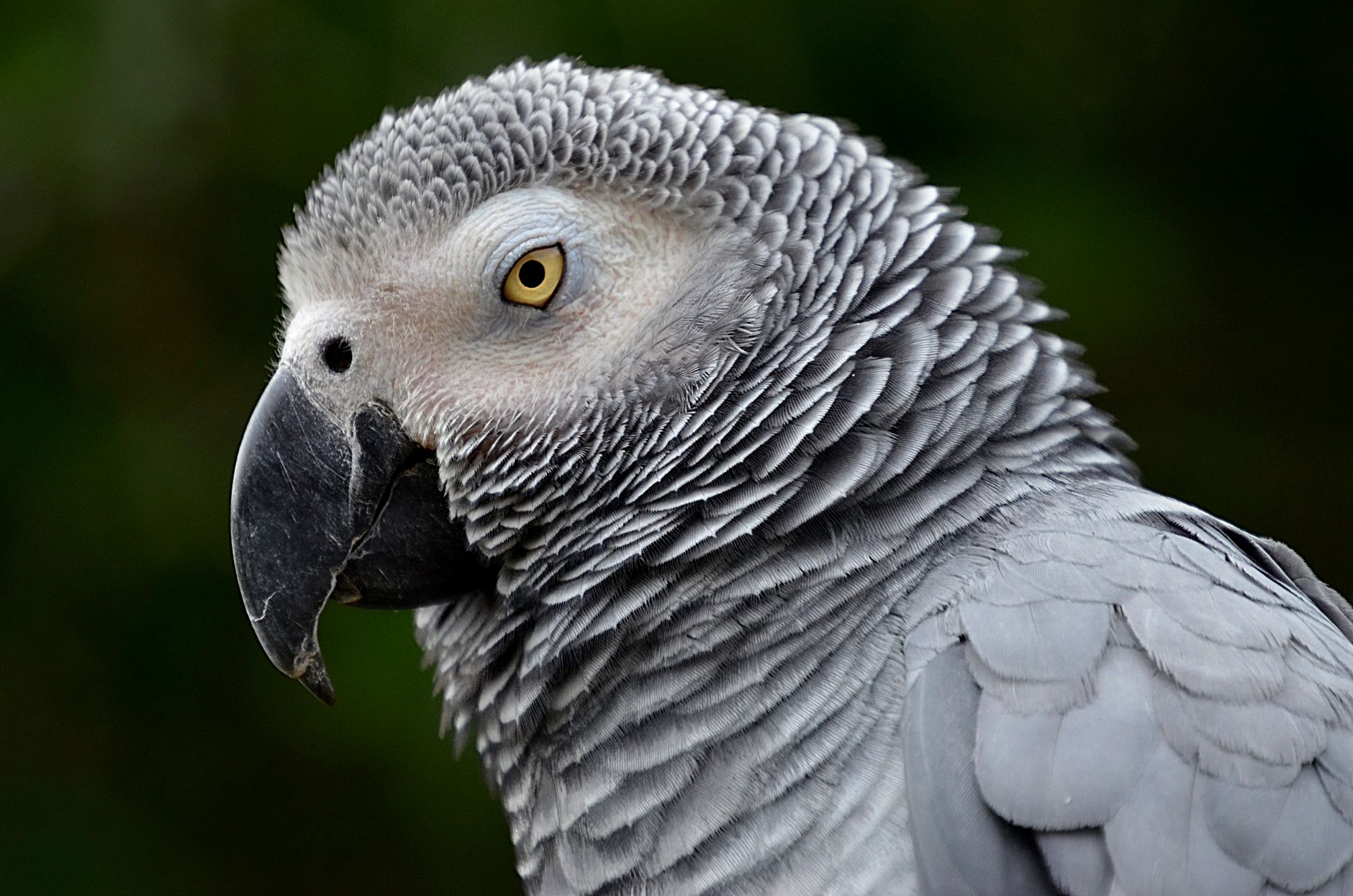
I’ll never forget the day my African Grey parrot, Chester, learned to say “Good morning” before I’d even finished my coffee. Except he said it with perfect timing, every single morning at 5:47 a.m., whether I wanted to hear it or not. That’s when I realized talking birds aren’t just cute mimics—they’re intelligent, demanding companions that need the right setup, training approach, and honest-to-god commitment to thrive. If you’re considering a talking bird, you need to know which species actually delivers on the promise of conversation, what their cages really cost, how much time you’ll spend cleaning, and why some birds end up abandoned at sanctuaries because their owners underestimated the work. This guide covers the five best talking birds for pet owners—with real cage dimensions, specific brand recommendations, vet cost estimates, and daily care schedules you can follow immediately.
Why Talking Ability Matters (But It’s Not Everything)
The ability to speak draws most people to talking birds, but it’s honestly the least important thing on my checklist when I’m helping someone choose. Yes, parrots can mimic human speech—some learn hundreds of words—but they’re not doing it to entertain you. They’re communicating, establishing dominance in the flock (your household), and testing boundaries. A bird that talks but doesn’t bond with you will scream for 8 hours a day instead of chatting. A bird that’s bored will learn curse words from your teenager and repeat them during Thanksgiving dinner. I’m speaking from experience here.
What actually matters is whether the bird’s personality, lifespan, and care requirements match your life. A cockatiel might live 15–20 years; a macaw can live 50+. Your apartment’s noise tolerance, your daily schedule, and your ability to handle a bird that might bite (and draw blood) during hormonal cycles matter infinitely more than how many phrases it can repeat. Let’s be specific about what you’re really signing up for.
African Grey Parrots: Maximum Intelligence, Maximum Responsibility
African Greys are the Einsteins of the bird world—and they’ll remind you of it constantly. They have cognitive abilities comparable to a 4–6 year-old human child, which sounds wonderful until you realize that means they can also manipulate you, hold grudges, and get depressed if you ignore them. Studies from MIT and the Avian Intelligence Lab at UC Davis have documented African Greys solving multi-step puzzles and using tools to retrieve food from complex containers. Chester, my Congo African Grey, learned not just words but context: he says “I’m hungry” only at mealtimes, and “bye-bye” when I pick up my keys.
Here’s what the commitment actually looks like. A single African Grey needs a cage minimum of 48″ wide × 48″ deep × 60″ tall—that’s roughly the size of a small refrigerator standing on its end. The Prevue Pet Products Wrought Iron Flight Cage (model 3157, around $1,200–$1,400) meets this requirement and features 1/2″ bar spacing to prevent injury. You’ll spend $150–$250 monthly on food—not just seed, but fresh vegetables, nuts, and pellets. African Greys need 3–4 hours of out-of-cage interaction daily. They live 40–60 years, sometimes longer. One vet checkup costs $200–$400; a DNA test to determine sex (relevant for breeding temperament) costs $50–$100 extra.
Training takes patience and consistency. African Greys are stubborn and will test you repeatedly. I’ve spent countless hours teaching Chester not to bite during hormonal season (spring), and I still have scars on my hand from misjudging his mood. They bond intensely with one person, which can create aggression toward everyone else in the household. The upside? Their vocabulary can reach 1,000+ words, and they’ll use them meaningfully. They’re also highly trainable with positive reinforcement—Chester now steps up on command, flies to my shoulder, and mimics my laugh (which is both delightful and mortifying).
Amazon Parrots: Talkative, Social, and Slightly Chaotic
Amazon parrots come in dozens of species, but the most common pet Amazons are Double Yellow-headed, Blue-fronted, and Green-winged. They’re louder and more boisterous than African Greys, but they’re also more playful and forgiving of novice owners. An Amazon’s vocabulary typically reaches 200–300 words, and they love performing. My neighbor has a Double Yellow-headed named Pepper who says “Hello beautiful” every time someone walks past the window. Pepper’s got the confidence of a lounge singer.
Cage requirements are slightly smaller than African Greys—a minimum of 40″ wide × 40″ deep × 50″ tall—but these birds are more active and destructive. The Liberta Wooden Parrot Cage (model WPC-02, around $800–$1,000) has solid wood construction and swings that Amazons actually destroy within months. Budget $30–$50 monthly just for replacement toys. Bar spacing should be 1/2″ to 5/8″ depending on the species; Double Yellow-headed Amazons are larger and need wider spacing to avoid getting their heads stuck. Daily social time is 2–3 hours, but Amazons are happier with less structured interaction than African Greys—they’ll entertain themselves with toys and water play more readily.
Lifespan is 40–60 years, matching African Greys, so this is still a lifetime commitment. Vet costs are similar ($200–$350 per visit), and annual checkups are essential because Amazons are prone to aspergillosis (a fungal respiratory infection) if their cage environment gets humid. They’re also louder—particularly at dawn and dusk. Expect 80–95 decibels during peak calling hours; that’s roughly the volume of a lawnmower. If you live in an apartment, this matters. They also have strong personalities and can be aggressive if they’re not properly socialized. Training works with positive reinforcement and consistency. I’d recommend Amazons for people who’ve owned parrots before or who have the patience to research bird behavior deeply.
Cockatiels: The Beginner’s Talking Bird (Seriously)
Cockatiels are the most realistic choice for first-time talking bird owners, and I say that without hesitation. They’re smaller, quieter, less aggressive, and significantly cheaper than Amazons or African Greys. They can learn 20–40 words, which might not sound impressive until you realize they’ll also learn to whistle tunes and mimic household sounds like your microwave beep or doorbell chime. My first cockatiel, Ziggy, learned the opening notes of the theme song from *The Twilight Zone*, and he’d repeat them perfectly whenever the TV came on.
A single cockatiel needs a cage minimum of 32″ wide × 20″ deep × 36″ tall. The Yaheetech Large Play Top Parrot Cage (model around $250–$350) meets this spec and includes a play stand on top, which cockatiels love. Bar spacing should be 1/2″ or smaller. Cockatiels are less destructive than larger parrots, so a $200–$300 cage will last years if you maintain it properly. Daily social time can be as little as 1–2 hours, though they’re happiest with regular interaction. They’re also less likely to bite hard during mood swings—their beaks are smaller and their temperament is gentler.
Lifespan is 15–20 years, which is manageable for most households. A vet checkup costs $100–$200. Food costs are roughly $20–$30 monthly. They’re quiet compared to larger parrots—about 75 decibels at peak volume, which is equivalent to a vacuum cleaner rather than a leaf blower. Cockatiels are also highly social and bond with multiple family members, not just one person, making them better for households with kids. The trade-off is that they’re less intellectually stimulating than larger parrots. They won’t solve puzzles or use tools, and their speech is often unclear. But if you want a bird that talks, doesn’t demand 4 hours daily, and will actually fit in your apartment, a cockatiel is genuinely your best option.
Eclectus Parrots: The Quiet Talkers (Yes, Really)
Eclectus parrots are unusual because they’re phenomenal talkers but relatively quiet compared to other large parrots. They’re also visually stunning—males are emerald green, females are scarlet red—which means you get conversation and aesthetic appeal. An Eclectus can learn 100–200 words and speaks clearly, not just squawks. The challenge is that they’re specialized feeders with very specific dietary needs, and they’re prone to behavioral issues if their diet is off.
Cage requirements are similar to Amazon parrots: 40″ wide × 40″ deep × 50″ tall minimum. The Prevue Pet Products Penthouse Cage (model 3151, around $1,100–$1,300) works well for Eclectus birds. Bar spacing must be 1/2″ to 3/4″. Here’s the critical part: Eclectus parrots need a diet rich in fruits, vegetables, and low-fat pellets. They’re prone to obesity and fatty liver disease if fed seed-based diets. A proper diet costs $40–$60 monthly because you’ll be buying fresh produce regularly—leafy greens, carrots, berries, and legumes. They also need higher humidity (60–70%) than other parrots, which increases mold risk in their enclosure and requires more frequent cage cleaning.
Lifespan is 30–50 years. Vet costs for specialized care can run $250–$400 per visit because many vets aren’t familiar with their dietary needs. Daily social time is 2–3 hours. They’re quieter than Amazons (around 75 decibels) but still demand attention. The real advantage is their clear speech and relative calm. They’re less likely to bite aggressively and seem to enjoy training more than some other species. I’d recommend Eclectus parrots for owners who can commit to precise dietary management and who value quiet over entertainment value.
Conures: Playful, Loud, and Underrated Talkers
Conures are smaller than the birds I’ve covered so far, but they’re louder than you’d expect—and way more talkative than most people realize. Green-winged Conures, Sun Conures, and Jenday Conures can learn 50–100 words, often with clear pronunciation. They’re also playful, acrobatic, and genuinely funny. They’ll learn to Ring bells, climb through tunnels, and perform stunts just for your attention. I had a Green-winged Conure named Rio that learned to say “Watch this” before attempting increasingly dangerous cage gymnastics.
Cage size for a single conure is 36″ wide × 24″ deep × 48″ tall minimum. The Prevue Pet Products Stainless Steel Playtop Bird Cage (model around $500–$700) is durable and includes a play stand. Bar spacing should be 1/2″ or smaller. Conures are destructive with wood and rope toys, so budget $20–$30 monthly for replacements. They’re playful enough to keep themselves entertained but still need 2–3 hours of interaction daily. Daily social time should include foraging activities—hiding pellets in paper, hanging leafy greens in the cage for them to shred, or creating puzzle feeders from paper cups and toilet paper rolls.
Lifespan is 20–30 years. Vet costs are $150–$250 per visit. Food costs are $20–$30 monthly. The major downside is noise—conures reach 100+ decibels during peak screaming, particularly in early morning and late afternoon. If you live in an apartment, this is a serious problem. Many landlords won’t allow them. They’re also prone to feather plucking and self-injury if they’re bored or stressed, so consistent enrichment isn’t optional. The upside is their personality—they’re comedians, and they bond strongly with their owners. If you can handle noise and have the space, conures are rewarding.
Setting Up the Right Cage: Beyond Size Alone
A big cage is necessary but not sufficient. I’ve seen massive cages that are actually worse than smaller ones because they’re poorly designed. The most important features are bar size, bar spacing, and material durability. Stainless steel is better than painted metal because parrots chew paint and can ingest zinc oxide, which causes acute zinc toxicity. Powder-coated cages are acceptable if the coating is bird-safe (check manufacturer specs). Avoid galvanized metal cages entirely—galvanized coating contains zinc, and parrots will chip it off and poison themselves.
Bar spacing is critical. For African Greys, Amazon parrots, and Eclectus birds, 1/2″ bar spacing is standard. For cockatiels and conures, 1/2″ or smaller is necessary. Larger bar spacing lets birds get their heads stuck, causing injury or death. I’ve read too many tragic stories on parrot forums where a bird died because someone bought a cheap cage with 3/4″ spacing. The Prevue Pet Products cages I’ve mentioned throughout this article all have properly sized bars. The HQ stainless steel cages (around $1,500–$2,000 for large models) are even better but pricier.
Perches matter more than most people realize. Natural wood perches of varying diameters (1/2″ to 1″ depending on the bird) are better than dowels because they mimic natural branch texture and encourage foot grip variation. Birds on identical-diameter perches develop pressure sores. I rotate Chester’s perches monthly and replace them when they become saturated with droppings. Avoid sandpaper perches—they don’t condition feet naturally and can cause chronic foot problems. The Bonka Bird Toys Natural Perches (various diameters, around $15–$25 per pack) work well.
Daily Care, Cleaning, and Time Commitment: The Reality
Here’s the part nobody wants to hear: owning a talking bird means cleaning, constantly. A single parrot generates roughly 1–2 cups of poop per day. That goes on the cage bottom, on perches, on toys, and on the play stand. I spot-clean Chester’s cage daily (removing soiled perches and wiping the food dishes), which takes 15–20 minutes. Full cage cleaning happens twice weekly and takes 45 minutes to an hour. I remove everything from the cage, wipe down all surfaces with pet-safe cleaner, replace perches and toys, and thoroughly wash and dry the water dish and food bowls.
Food prep adds another 20–30 minutes daily if you’re doing it right. Fresh water must be changed twice daily because parrots foul their water bowls within hours. Fresh vegetables should be offered daily (removed after 2–3 hours to prevent bacterial growth). Pellets and seed are offered fresh in the morning. You’re looking at 2–3 hours minimum daily when you combine social time, training, feeding, and cleaning. That’s 1,095 hours per year—roughly 45 full days of labor. This isn’t optional; a neglected cage becomes a disease vector.
Vet care is another commitment. Well-bird checkups should happen annually for healthy adult birds and every 6 months for senior birds (over 10 years old). African Greys, Amazons, and Eclectus parrots have higher vet costs because fewer vets specialize in them. Finding an avian veterinarian—not a dog-and-cat vet who treats birds on the side—is essential. Avian vets are often 45+ minutes away, requiring you to take time off work. The exam costs $200–$400, and if your bird is sick, you’re looking at bloodwork ($150–$300), X-rays ($300–$500), and possibly hospitalization. Annual vet costs for a large parrot should be budgeted at $600–$1,000 minimum.
Training: What Actually Works (Hint: It’s Not Treats)
Positive reinforcement is the only training method that works long-term with talking birds. Punishment, yelling, or putting a bird in a dark room doesn’t suppress unwanted behavior—it makes the bird afraid of you and actually increases screaming and biting. I learned this the hard way with Chester
Related from our network
- Complete Guide: What Is The Best (permaeasy)
- Best Standing Desk Converter Of 2025: Our Top Picks For … (pulsegearreviews)
- Best smart home hubs: Our top 4 picks – The Ambient (smarthomewizards)
For the Love of Your Pet
Care guides, breed insights, and gentle advice for happier pets.