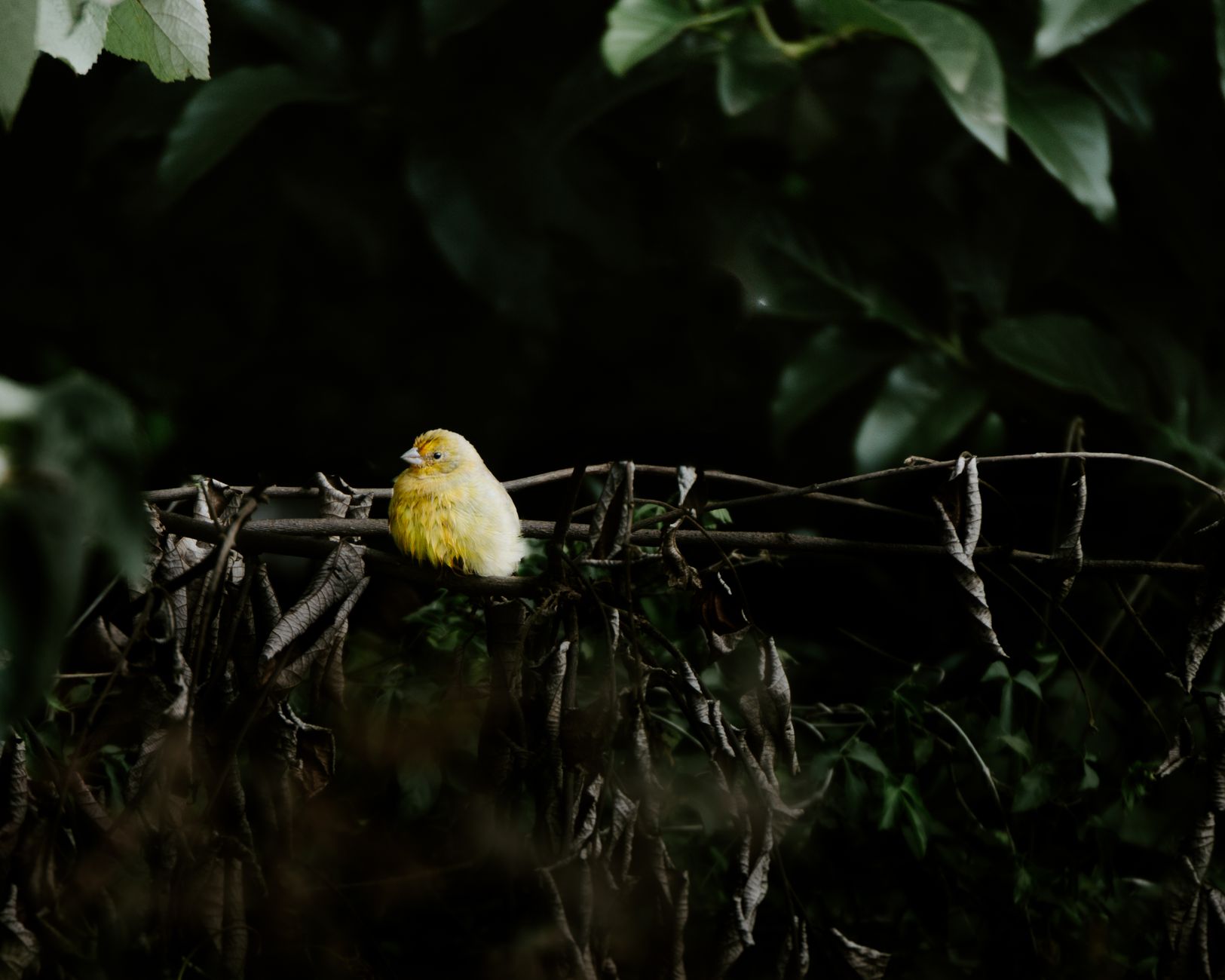
Are you thinking about getting a canary and wondering if it needs a feathered friend to keep it company? Many people assume that birds, like many other pets, thrive in pairs or groups. It’s a common misconception that a lone canary is a lonely canary, destined for a life of quiet despair. But here’s the surprising truth: canaries, especially the domestic varieties we keep as pets, are fundamentally solitary creatures with a strong territorial instinct. While they might sing more when they hear other canaries, this isn’t a sign of longing for a buddy; it’s often a territorial declaration or a response to potential rivals. Forcing canaries together, particularly during breeding season or when they’re establishing territories, can lead to aggression, injury, and even death. So, let’s separate fact from fiction and understand why a single canary, properly housed and cared for, is often a happier, safer bird.
11 min read
In This Article
Key Takeaways
- Understanding Canary Social Dynamics
- The Risks of Pairing Canaries
- Housing Requirements for a Solitary Canary
- Dietary Needs of a Canary
Understanding Canary Social Dynamics
Unlike flocking birds like budgies or finches, canaries have evolved to be largely independent. Their natural habitat, while they might be found in loose associations, doesn’t necessitate constant social interaction for survival. In fact, wild canaries are known to be quite territorial, especially during the breeding season. This territoriality is a key factor often overlooked by well-meaning owners who believe a companion is essential. Imagine two canaries in a cage; it’s not a heartwarming scene of shared chirps and mutual grooming, but more often a tense standoff. The dominant bird will aggressively defend its space, food, and perceived mates, leading to stress and potential harm for the subordinate bird. This isn’t about being mean; it’s their innate behavior.
When we talk about domestic canaries, the situation is amplified. Centuries of selective breeding for song and color have, in some ways, intensified their natural traits, including their territorial instincts. The idea of a “happy pair” often translates to a stressed-out situation where one bird is constantly on edge, trying to avoid the aggression of the other. I’ve seen setups where well-intentioned owners introduced two male canaries, hoping for beautiful duets. Instead, they got constant squabbles, feather plucking, and stressed birds that barely sang. It took me a while to realize that my understanding of “social” was anthropomorphic, projecting human needs onto a species with entirely different social structures.
Instead, they got constant squabbles, feather plucking, and stressed birds that barely sang.
The Risks of Pairing Canaries
The most significant risk of housing canaries together is aggression. This aggression can manifest in various ways: chasing, biting, plucking feathers, and even outright attacks. During the breeding season, these behaviors intensify dramatically. Males become fiercely protective of their territory and any potential nesting sites, and females can also become aggressive, especially if they feel their space or resources are threatened. I recall a friend who tried to house a bonded pair of canaries, believing they’d be happier together. Within days, the male began relentlessly attacking the female, plucking her head feathers until she was severely injured. They had to be separated immediately, and the female took weeks to recover from the stress and physical trauma. This isn’t an isolated incident; it’s a common outcome when their natural territorial instincts are ignored.
Beyond direct physical harm, the constant stress of living with an aggressive cage-mate can have severe health consequences. A stressed canary is more susceptible to illness, its immune system weakened. They might stop singing, lose their appetite, or develop behavioral issues like excessive preening or lethargy. The goal of pet ownership is to provide a safe, enriching environment, and forcing incompatible birds together directly contradicts this. It’s far better to provide a spacious, stimulating environment for a single canary than to risk its well-being by housing it with another. The myth that they *need* a friend often leads to more harm than good.
Housing Requirements for a Solitary Canary
Since a single canary is the ideal setup, the focus shifts entirely to providing an optimal environment for that one bird. The cage size is paramount. For a canary, I strongly recommend a cage that is at least 24 inches long, 16 inches wide, and 18 inches high. This provides ample space for flight, exploration, and establishing preferred perching spots. Many commercially available cages are too small and often square or round, which are unsuitable for birds that need horizontal flight space. Look for rectangular cages. A good example of a suitable cage is the Prevue Pet Products 31410 Flight Cage. Its dimensions are 31.5″ L x 20.5″ W x 20.5″ H, offering excellent horizontal space for a canary to fly back and forth.
Bar spacing is also critical. For canaries, I look for bar spacing between 3/8 inch and 1/2 inch (0.95 cm to 1.27 cm). This prevents them from getting their heads stuck or escaping. The Prevue Pet Products cage I mentioned has 1/2 inch bar spacing, which is perfect. Inside the cage, you’ll want a variety of perches. Avoid dowel perches that are all the same diameter; instead, offer perches of varying textures and diameters, made from natural branches like java wood or manzanita. This helps keep their feet healthy and prevents issues like bumblefoot. I also like to include a cuttlebone and a mineral block for essential calcium and trace minerals. Don’t forget a good quality food and water dish – stainless steel is durable and easy to clean.
Don’t forget a good quality food and water dish – stainless steel is durable and easy to clean.
Dietary Needs of a Canary
A balanced diet is crucial for any pet bird, and canaries are no exception. The cornerstone of a canary’s diet should be a high-quality seed mix specifically formulated for canaries. Brands like Higgins InTune Natural Canary or Volkman Avian Diet Seed for Canaries are excellent choices. This seed mix should constitute about 50-60% of their daily intake. It provides essential fats and energy. However, relying solely on seeds is a common mistake that leads to nutritional deficiencies. It’s like us eating only bread and butter – not very healthy long-term!
The remaining 40-50% of their diet should be fresh, wholesome foods. This includes a variety of vegetables and fruits. Think dark leafy greens like kale, spinach (in moderation due to oxalates), romaine lettuce, and dandelion greens. Offer small pieces of bell peppers, carrots, broccoli, and peas. Fruits can be given as occasional treats, such as apple slices (seeds removed), berries, and melon. A good practice is to offer a small portion of fresh chop daily. You can prepare a “chop” by finely dicing a mix of safe vegetables and a small amount of fruit and storing it in the refrigerator for a few days. I usually mix about 70% vegetables and 30% fruit for my canary’s daily offering. A fortified egg food, like Quiko Egg Food, can also be offered 2-3 times a week, especially during molting or breeding seasons (though we’re not encouraging breeding here, it provides extra protein). Always ensure fresh, clean water is available at all times.
Enrichment and Mental Stimulation
Even a solitary canary needs mental stimulation to thrive. A large, well-equipped cage is the first step, but true enrichment goes beyond just perches and food dishes. Canaries are intelligent birds and can become bored if their environment is static. Offer a rotation of toys. This could include simple swings, ladders, mirrors (use with caution, as some birds can become obsessed), and foraging toys. Foraging toys are particularly beneficial as they mimic natural behaviors and provide mental challenges. You can create your own by hiding seeds or treats inside crumpled paper or small boxes. I often use a small cardboard tube, stuff it with some shredded paper and a few millet sprays, and my canary spends ages trying to get the treats out.
Music and interaction are also vital. Canaries are known for their beautiful songs, and they often enjoy singing along to music or even mimicking sounds. Playing classical music or nature sounds can be very stimulating. While they don’t require the constant social interaction that some other pets do, talking to your canary and spending time in the same room is still important. They can learn to recognize you and respond to your presence. Letting your canary out for supervised flight time in a bird-safe room is also an excellent form of enrichment. Ensure the room is free of hazards like open windows, ceiling fans, toxic plants, and other pets. This allows them to exercise their wings and explore a larger environment safely.
This allows them to exercise their wings and explore a larger environment safely.
Health Concerns for Canaries
While canaries are generally hardy birds, they are susceptible to certain health issues. One of the most common problems is respiratory infections, often caused by poor cage hygiene, drafts, or dusty environments. This can manifest as sneezing, discharge from the nostrils, or labored breathing. It’s crucial to keep the cage clean, using appropriate bedding like paper or specialized cage liners, and avoiding dusty seed mixes or litters. Ensure the cage is not placed in a drafty area or near direct heat sources. Another common issue is feather plucking, which, in a solitary bird, is often a sign of stress, boredom, or a poor diet rather than aggression from a cage-mate.
Nutritional deficiencies are also a significant concern, particularly if the diet is heavily seed-based. This can lead to issues like liver disease, kidney problems, and poor feather quality. Ensuring a varied diet rich in fresh vegetables and fruits, as mentioned earlier, is key to prevention. Parasites, both internal and external, can affect canaries. Mites, for example, can infest the skin and feather shafts, causing irritation and feather loss. Regular observation of your canary’s droppings, droopiness, and overall condition is essential. If you notice any signs of illness – lethargy, loss of appetite, ruffled feathers, abnormal droppings, or difficulty breathing – it’s imperative to consult an avian veterinarian immediately. Regular check-ups, even when the bird appears healthy, are also recommended. A typical avian vet visit for a check-up can range from $75 to $150, with treatments for specific illnesses potentially costing $200-$500 or more, depending on the diagnosis and required medication.
Cost Breakdown for a Single Canary Setup
Setting up a happy home for a single canary involves several initial costs, but it’s generally more affordable than for larger birds. The canary itself can range from $30 to $100, depending on its color and where you purchase it. A good quality, spacious cage, like the Prevue Pet Products 31410 Flight Cage, might cost between $100 and $200. Perches, food and water dishes, a cuttlebone, and a mineral block will add another $30-$50. Initial seed mix and supplements might be around $20-$30. For toys, budget another $20-$40 for a selection to start with. So, your initial setup cost for a single canary could range from approximately $200 to $420.
Ongoing costs are much lower. A good quality seed mix and fresh produce will likely cost around $15-$30 per month, depending on your location and what you buy. Supplements and occasional new toys or perch replacements might add another $10-$20 per month. The biggest variable cost is veterinary care. Assuming one annual check-up ($75-$150) and budgeting for potential emergencies, an annual vet fund of $100-$250 is wise. Overall, you can expect to spend roughly $20-$50 per month on food, treats, and supplies, plus annual vet costs. This makes canary ownership a relatively budget-friendly endeavor, especially when compared to larger parrots. Remember that these are estimates, and prices can vary significantly based on brands, sales, and your location.
Canary Companionship: The Truth
The persistent myth that canaries need a companion is one of the most damaging pieces of misinformation in the bird-keeping hobby. It stems from a misunderstanding of their natural behavior and an anthropomorphic desire to see them as social creatures in the human sense. In reality, canaries are territorial and often aggressive towards each other, especially when housed in confined spaces like cages. Forcing them into companionship often leads to stress, injury, and even death. The focus should always be on providing the best possible environment for a single bird, ensuring it has ample space, a stimulating environment, a balanced diet, and proper care.
A single canary, when its needs are met, can be a vibrant, singing companion. They don’t suffer from loneliness in the way a dog or a human might. Their “social” interactions are more about territory, mating displays, and alarm calls. If you hear a canary singing, it’s not necessarily calling for a friend; it’s communicating its presence, its territory, or responding to its environment. My own canary, Pip, is a perfect example. He has a large cage, plenty of toys, a varied diet, and my daily attention. He sings beautifully, is active, and shows no signs of distress or loneliness. He’s a testament to the fact that for canaries, a happy life often means a solitary one, provided it’s a rich and fulfilling existence.
Small changes, real momentum
Get practical guides and templates you’ll actually use — a few thoughtful emails a month.
Frequently Asked Questions
Do canaries get depressed if they are alone?
No, canaries do not get depressed in the way humans or social mammals do. Their natural inclination is to be solitary and territorial. While they might appear less active or vocal if their environment is dull, this is usually a sign of boredom or a lack of stimulation, not loneliness. Providing a spacious cage, varied toys, and a stimulating diet will keep a solitary canary engaged and happy. Their vocalizations are more about territorial claims or responses to their environment than calls for companionship.
Can I house a male and female canary together?
Housing a male and female canary together is generally only advisable if your specific goal is breeding, and even then, it requires careful management and separate housing for most of the year. Outside of breeding season, males can become intensely aggressive towards females, and vice versa, leading to severe injury or death. They are not like parrots that form lifelong pair bonds and actively engage in social grooming. Their interaction is primarily driven by instinctual territoriality and mating. For general pet ownership, keeping them separate is the safest and most humane approach.
What are the signs my canary is stressed or unhappy?
Signs of stress or unhappiness in a canary include feather plucking (especially around the head and neck), excessive molting outside of the normal season, lethargy, loss of appetite, incessant screaming or agitated movements, or a noticeable decrease in singing. If your canary is plucking its feathers, it’s crucial to assess its environment for boredom, stress, or dietary deficiencies. Ensure the cage is large enough, provide a variety of toys, offer a balanced diet, and minimize sudden loud noises or disturbances. If these behaviors persist, a visit to an avian veterinarian is recommended.
How do I introduce a new canary to my home if I already have one?
Given that canaries are solitary and territorial, introducing a new canary to an existing one is generally not recommended for cage-sharing. The safest approach is to house them in separate cages, ideally in different rooms or at least with visual barriers between them. This allows them to hear and see each other without direct conflict, which can be stimulating. If you are attempting to introduce them for breeding purposes, this requires specific protocols and careful observation, often involving temporary visual and auditory introductions followed by very short supervised contact periods. For pet canaries, separate housing is the standard and safest practice.
Keep reading
For the Love of Your Pet
Care guides, breed insights, and gentle advice for happier pets.