Disclosure: This post contains affiliate links. If you click through and make a purchase, we may earn a small commission at no extra cost to you. Thank you for supporting this site!
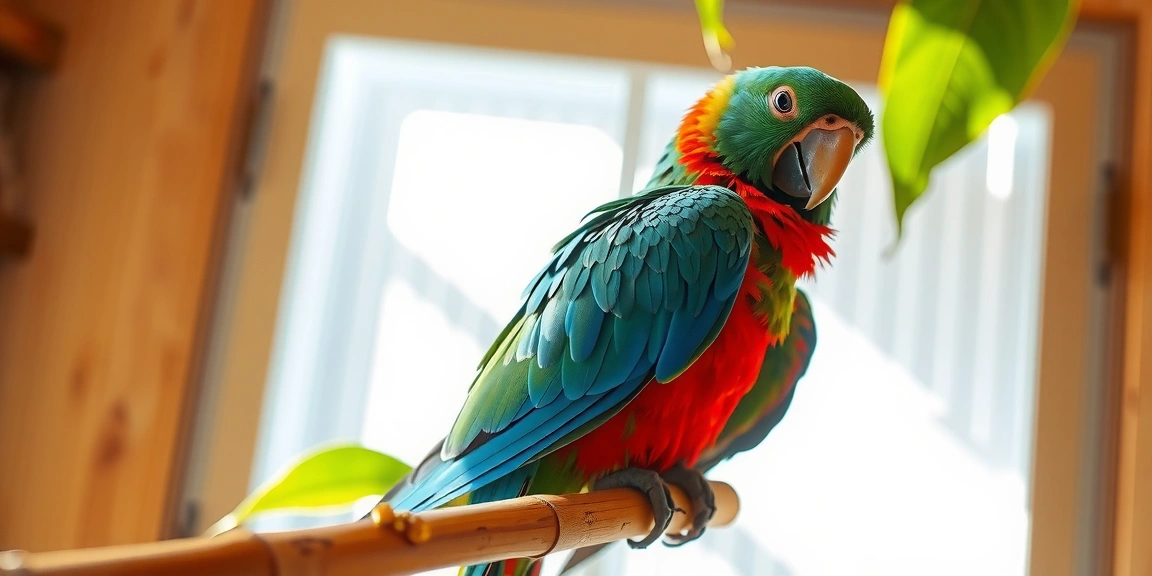
Did you know a parrot’s feathers can account for up to 12% of its total body weight? That’s a significant investment of energy, and it shows. I learned just how delicate that investment was when my African Grey, Mango, went through his first major molt with me. Instead of a smooth transition, he looked patchy and started plucking a single feather on his chest. After a $350 vet visit to rule out illness, the culprit was my own setup: a cage with 1-inch bar spacing that was just a bit too drafty and a diet that was 70% seeds. Getting parrot feathers right isn’t about vanity; it’s a direct window into their health. By 2026, the standards for avian care have evolved, moving beyond just “pretty plumage” to understanding feathers as a complex organ system. This guide breaks down the seven non-negotiable care pillars, backed by specific measurements and schedules, to ensure your parrot’s feathers are a sign of thriving health, not hidden stress.
9 min read
In This Article
- Tip 1: Master the Molt Cycle with a Proactive Schedule
- Tip 2: Dial in the Perfect Humidity and Bathing Routine
- Tip 3: Build a Feather-Fortifying Diet with Precise Ratios
- Tip 4: Optimize Cage and Environment to Prevent Damage
- Tip 5: Decode Preening and Address Destructive Behaviors Early
- Tip 6: Establish a Consistent Grooming and Health Check Protocol
- Tip 7: Partner with an Avian Vet for Preventative Care
Key Takeaways
- Tip 1: Master the Molt Cycle with a Proactive Schedule
- Tip 2: Dial in the Perfect Humidity and Bathing Routine
- Tip 3: Build a Feather-Fortifying Diet with Precise Ratios
- Tip 4: Optimize Cage and Environment to Prevent Damage
Tip 1: Master the Molt Cycle with a Proactive Schedule
Molting isn’t a random event; it’s a metabolically demanding, predictable process. Most parrots undergo one or two major molts per year, often tied to seasonal light changes. A healthy molt should be symmetrical and gradual—you might find a few feathers in the cage daily, not a sudden bald spot. For my medium-sized conures, the spring molt typically lasts 6-8 weeks. The key is anticipation. Two weeks before you expect the molt (watch for increased preening and the first pin feathers), ramp up your care. Increase protein intake slightly—I add a bit more cooked egg or legumes to their chop. Bathing frequency should go from 2-3 times a week to daily misting or offering a shallow dish, as hydration is critical for the keratin sheath to soften and release the new feather properly.
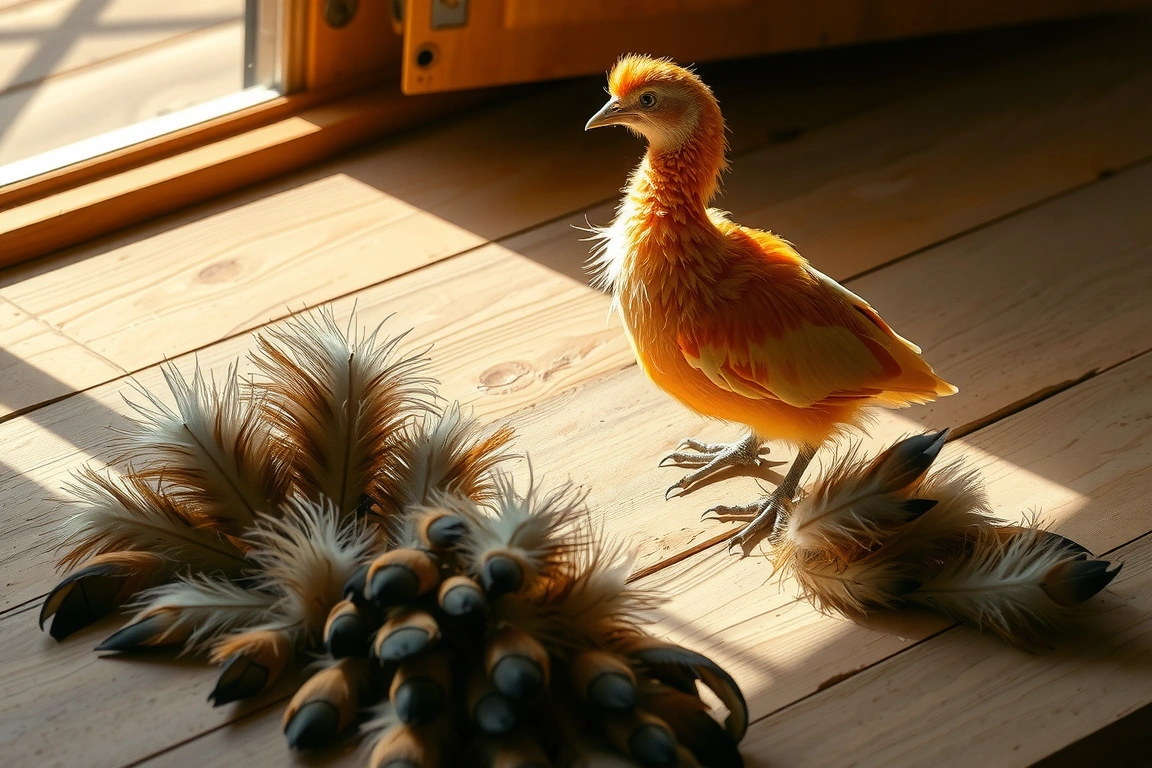
During this period, your parrot’s energy needs can spike by up to 25%. This is not the time to change their diet drastically or introduce stressful events like cage relocation. I keep a simple “molt log” in my notes app: date, species (e.g., Senegal Parrot), feathers found (2 primary wing, 1 tail), and skin condition. This record became invaluable when my avian vet, Dr. Lee, asked about the duration and pattern of Mango’s molt. She pointed out that asymmetric molting can be a red flag for nutritional deficiencies or underlying liver issues. A blood panel for a medium parrot to check this can run $180-$250, so getting the basics right first saves money and stress.
A blood panel for a medium parrot to check this can run $180-$250, so getting the basics right first saves money and stress.
Tip 2: Dial in the Perfect Humidity and Bathing Routine
Feathers are like miniature zippers, and humidity is the lubricant. Dry air, common in homes with central heating or air conditioning, causes those barbules to snag and break, leading to a dull, frayed appearance. The ideal ambient humidity for most parrots is between 40-60%. I use a simple digital hygrometer (the Govee Bluetooth model, about $25) placed near, but not inside, the cage to monitor. In winter, my home’s humidity can plummet to 30%, so I run a cool-mist humidifier like the Levoit LV600HH in the bird room, which adds about 2 liters of moisture over 12 hours.
Bathing is non-negotiable, not optional. It removes dust, loosens sheaths on pin feathers, and encourages preening. The method matters more than frequency. I offer a variety:
- Misting: Daily with a fine spray bottle (like the Flairosol) using lukewarm filtered water.
- Shallow Dish: A heavy ceramic pie plate, 12 inches in diameter and 2 inches deep, placed on the cage floor or a playstand.
- Shower Perch: A suction-cup perch (Pets Imperial makes a sturdy one) on a bathroom wall, away from direct water flow.
Observe your bird. My Amazon loves a heavy misting, while my cockatiel only bathes in his dish. Never force it, and ensure the room is warm (above 70°F) and draft-free afterwards.
Tip 3: Build a Feather-Fortifying Diet with Precise Ratios
You cannot supplement your way out of a poor base diet. Feathers are made of over 90% protein (keratin), requiring specific amino acids like methionine, lysine, and cysteine. A seed-heavy diet is deficient in these and leads to weak, brittle feathers and chronic plucking. The goal is a balanced, pelleted base with fresh foods. I follow a rough 60/30/10 ratio for my parrots’ daily intake:
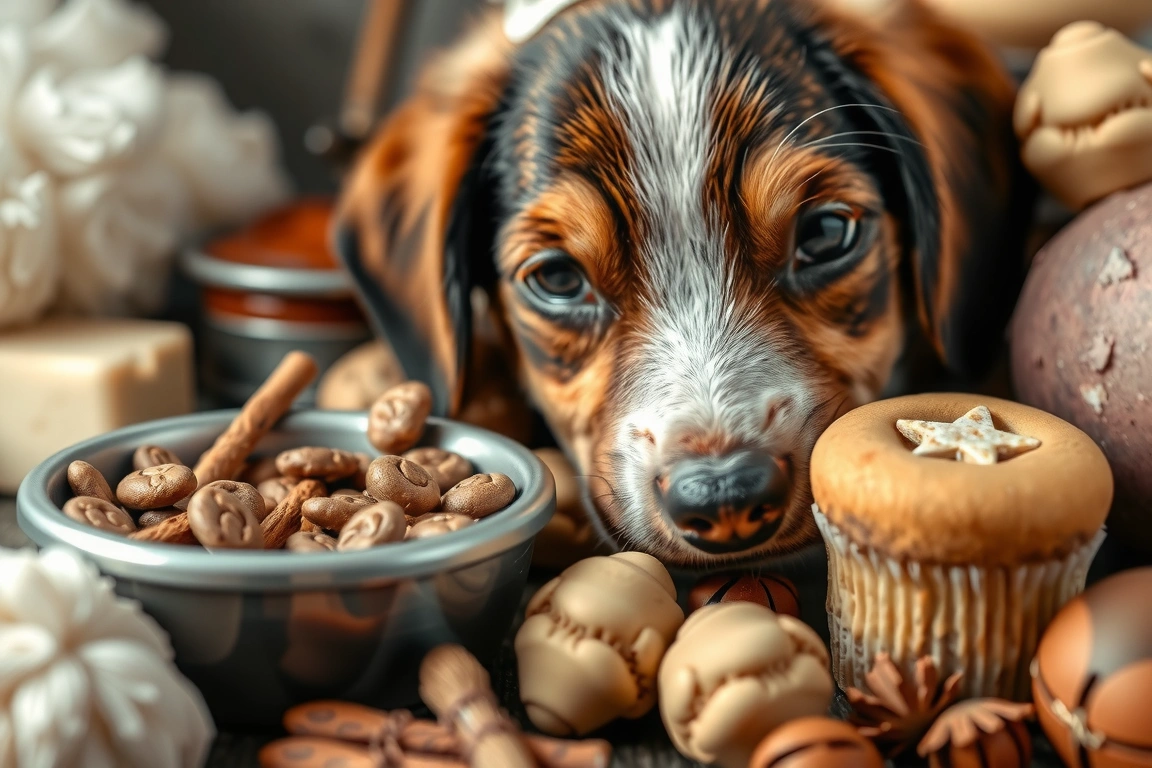
- 60% High-Quality Pellets: Harrison’s Bird Foods Adult Lifetime Fine or TOP’s Parrot Food. These are formulated with balanced amino acids.
- 30% Fresh Vegetables & Legumes: Dark leafy greens (kale, chard), orange vegetables (sweet potato, carrot), and cooked beans/lentils for protein.
- 10% Healthy Fats & Treats: A few nuts (almond, walnut), a bit of whole grain, or fruit like berry or mango.
For specific feather support, I occasionally sprinkle a tiny amount (a pinch) of powdered supplement like FeatherUp! by Avian Science on their fresh food, but only during a heavy molt and never as a staple. The real cost of a good diet? For my two parrots, I budget about $80-$100 per month for pellets, fresh organic produce, and treats—far less than treating diet-related illness.
For my two parrots, I budget about $80-$100 per month for pellets, fresh organic produce, and treats—far less than treating diet-related illness.
Tip 4: Optimize Cage and Environment to Prevent Damage
The cage is your parrot’s fortress, and its design can protect or destroy feathers. The two critical specs are bar spacing and overall dimensions. For an African Grey or similar large parrot, a cage must have at least 36″W x 24″D x 48″H interior space with 3/4″ to 1″ bar spacing. I use the King’s Cage 36″ Playtop Cage (model #206PS), which has 1″ spacing and a sturdy 5mm bar thickness. For smaller birds like conures or Senegals, 24″W x 24″D x 30″H with 1/2″ to 5/8″ spacing is essential to prevent head entrapment. The Prevue Hendryx F040 cage is a reliable, affordable option here.

Placement is environmental. Avoid direct drafts from air vents or windows, which can cause chilling and stress. Ensure the cage is against a wall for security, but in a socially active part of the home. Perch variety is crucial: provide natural wood perches of varying diameters (like manzanita or dragonwood) to exercise feet and prevent pressure sores, which can lead to feather-chewing on the legs. I avoid sandpaper perches entirely—they cause foot abrasions. Finally, ensure toys are safe; I’ve had to remove toys with frayed cotton ropes that wrapped around a toe, causing circulation loss. Inspect toys weekly for wear.
Tip 5: Decode Preening and Address Destructive Behaviors Early
Normal preening should occupy 15-30% of your parrot’s awake time. It’s a social, maintenance behavior. You’ll see them zip feather barbs back together, distribute preen oil from the uropygial gland, and remove sheaths from new pins. Destructive behavior is different. Feather plucking or barbering (chewing feathers off without pulling the shaft) creates clean breaks or bald patches, often on the chest, legs, or under the wings. The first step is always a veterinary exam. A full workup for plucking—including CBC, chemistry panel, psittacosis test, and skin scrape—can cost $400-$600 but rules out medical causes like parasites, infection, or organ disease.
If medical causes are ruled out, it’s behavioral. The trigger is often chronic, low-grade stress or boredom. In Mango’s case, after the vet visit, I realized his cage was in a slightly too-quiet hallway. He was under-stimulated. The solution was a combination: moving his cage to the living room edge, introducing a new foraging toy (the Creative Foraging Systems Kabob) daily, and increasing our training sessions from 5 to 15 minutes. It took 4 months, but the plucking stopped. Punishment never works; enrichment and routine do. Document the pattern with photos to track progress.
Tip 6: Establish a Consistent Grooming and Health Check Protocol
Beyond baths, parrots need our help with specific grooming tasks. Nail trims are essential; overgrown nails can snag and tear feathers during preening or climbing. I trim nails every 6-8 weeks using a standard human nail clipper for small birds or a scissor-style pet clipper for larger ones, targeting only the sharp tip and avoiding the quick (the pink blood vessel). Having styptic powder on hand is a must. Wing clipping is a personal decision with major implications for feather health. If you choose to clip, it should be a symmetrical “show clip” that allows gliding but not lift, performed by an experienced person. A bad clip can cause blood feather injury, imbalance, and chewed flight feathers.
Weekly, I do a 5-minute “feather health check” during cuddle time. I look for:
- Blood Feathers: New feathers with a dark blue or red shaft. Never pull these. If one breaks and bleeds, use cornstarch or styptic powder with pressure.
- Stress Bars: Horizontal gray lines across the feather vane, indicating a period of illness or malnutrition during its growth.
- Crusty Uropygial Gland: The preen gland at the base of the tail. If blocked, it may need a warm compress.
Catching issues early prevents emergencies. I budget $50-$75 annually for a basic wellness check and $150 for a potential nail/wing trim visit if I’m not comfortable doing it myself that season.
Tip 7: Partner with an Avian Vet for Preventative Care
The most beautiful feather care routine is useless against an undiagnosed illness. Psittacine Beak and Feather Disease (PBFD), Polyomavirus, and chronic sinus infections can all manifest first in the feathers. An avian-specialized veterinarian is your essential partner. Don’t wait for a molt to go wrong. Schedule a yearly wellness exam, which typically costs $85-$120 for the visit, plus any recommended testing. During a healthy molt is actually a great time for a check-up, as the vet can assess the quality of the new feather growth in real time.
Be prepared with information. When you go, bring a sample of their current diet (a Ziploc bag with pellets/chop), a few recently molted feathers, and your “molt log.” Ask specific questions: “Do you see any stress bars on these feathers?” or “Is his preen gland size normal?” A good avian vet will appreciate the detail. I also keep a savings fund of at least $1,500 for potential avian emergencies, as overnight hospitalization can easily exceed $800 per night. This relationship and preparation turn reactive panic into proactive, knowledgeable care.
Caring for parrot feathers is a holistic practice. It’s not one product or one tip, but the integration of environment, nutrition, and observation. Start this week by auditing just two things: your cage’s bar spacing and the protein content of your parrot’s main meal. Next, order a simple hygrometer to see what your humidity really is. Finally, schedule that annual vet exam if it’s been over a year—it’s the foundation everything else is built upon. When you see those feathers gleam with health, you’ll know it’s the result of a hundred small, correct decisions, not magic.
FAQ
How often should my parrot molt, and when is it a problem?
Most parrots have one or two major molts per year, often in spring and fall, each lasting 4-12 weeks depending on size. It becomes a problem if you see bald spots (not just pin feathers), asymmetric loss (only one wing), if the molt seems continuous year-round, or if the bird appears lethargic or stops eating. These signs warrant an immediate vet visit to rule out PBFD, thyroid issues, or liver disease. A healthy molt should be a gradual replacement, not a debilitating event.
What’s the best way to help my parrot with itchy pin feathers?
The best help is increased humidity and offering bathing opportunities daily. You can also gently assist by scritching their head and neck where they can’t reach, but only if your bird solicits it. Apply very light pressure to the white, waxy sheath—if the pin isn’t ready, it will be painful. Never force it. For the body feathers, they must preen them themselves. Providing rough surfaces like cement perches or lava blocks can help them rub sheaths off safely during normal activity.
Are feather supplements necessary, and which ones are safe?
Supplements are rarely necessary if your parrot is on a balanced, pelleted diet with fresh foods. In fact, oversupplementing with fat-soluble vitamins (A, D, E, K) can be toxic. If used, they should only be during a heavy molt and under a vet’s guidance. A safer, natural approach is to add a small amount of foods high in amino acids and omega-3s to their chop, like a bit of cooked quinoa, chia seeds (soaked), or chopped hard-boiled egg twice a week. Always prioritize diet correction over powder in a bottle.
Small changes, real momentum
Get practical guides and templates you’ll actually use — a few thoughtful emails a month.
🐾 Our Top Pick
Editor’s Pick: Sturdy wood and leather chewable foraging toys. Essential for beak and feather health.
For the Love of Your Pet
Care guides, breed insights, and gentle advice for happier pets.