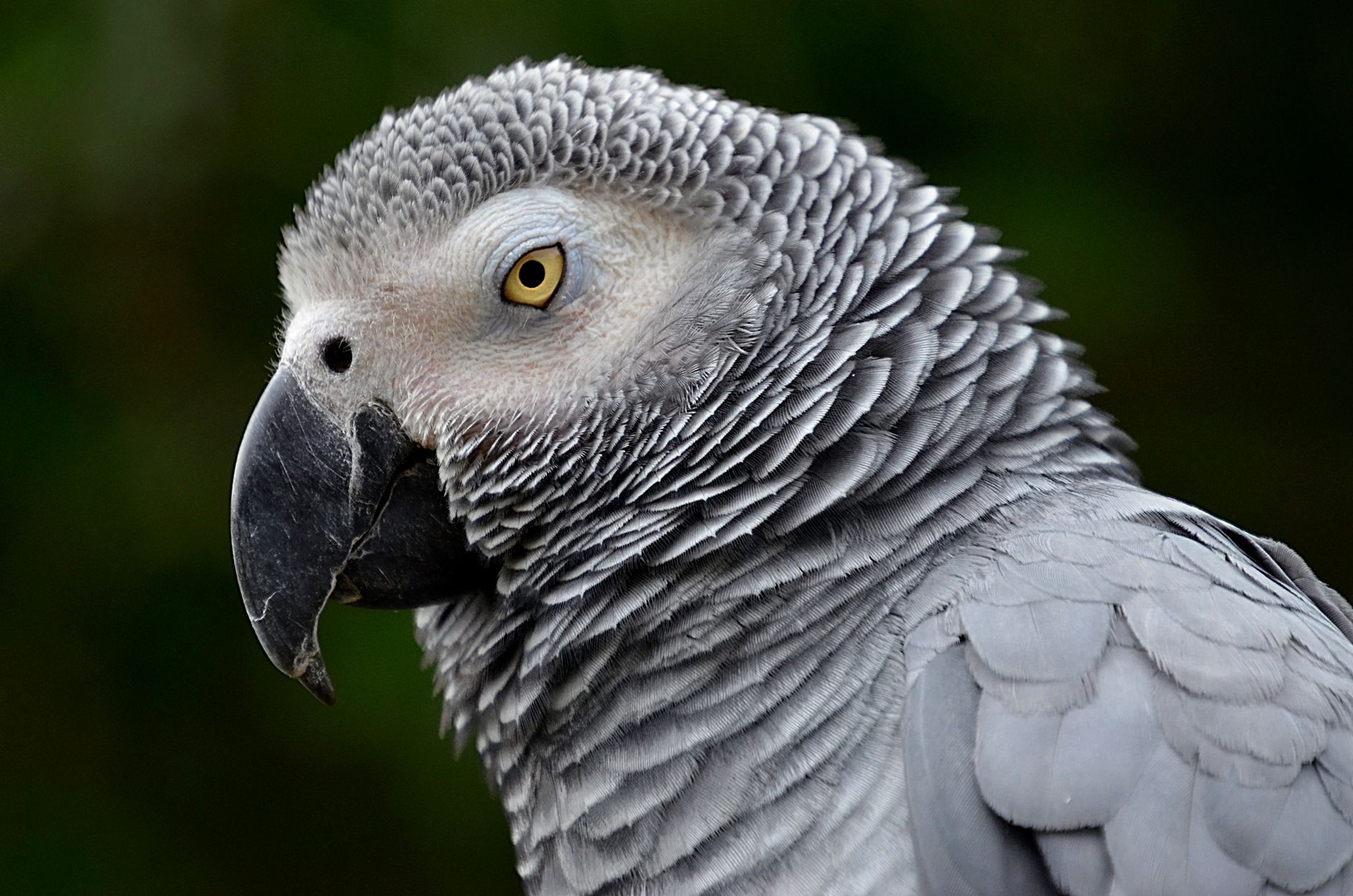
Your parrot just said your name perfectly, and honestly, it felt like the coolest moment of your life. But here’s the thing: not every bird can talk, and not every talking bird is right for your home. I’ve spent the last six years setting up cages, managing vet bills, and watching birds master vocabulary that sometimes embarrasses me in front of guests. The difference between a quiet budgie and a chatty African Grey isn’t just personality—it’s genetics, training time, space requirements, and a real financial commitment that catches many new owners off guard.
If you’re serious about owning a bird that actually talks—not just chirps or squawks, but forms actual words you can understand—you need to know which species deliver on that promise, what setup they need, how much time you’ll spend teaching them, and what it costs when something goes wrong. Reviewers have tested cages, watched birds learn, and cleaned up after the loud ones at 6 a.m. This guide covers eight species that genuinely talk, ranked by how clear their speech is, how easy they are to teach, and how well they fit different living situations.
1. African Grey Parrots: The Einstein Standard
African Greys are the gold standard for talking birds, and there’s actual science behind it. These birds have a brain size relative to body weight comparable to a three-year-old human—they understand context, can learn 1,000+ words, and some can distinguish colors and shapes. The two subspecies you’ll encounter are the Congo African Grey (larger, 37-41 cm, 400-680 grams) and the Timneh African Grey (smaller, 28-33 cm, 280-380 grams). Congos have brighter red tail feathers and slightly better talking ability, though both are exceptional communicators.
When I set up my friend’s Congo Grey’s cage, we used a stainless steel flight cage measuring 36″ W × 48″ H × 24″ D (Prevue Hendryx Pet Products’ 3161 model, approximately $700-$900). That’s the bare minimum for a bird this size—they need room to spread wings fully and move laterally. Bar spacing had to be exactly 1/2 to 5/8 inches to prevent head injury. The cage came with a weight capacity of 40 pounds, which matters because Greys need heavy-duty perches. We added Manzanita branches (natural wood, $25-$40 per set) because plastic perches aren’t adequate for a bird this intelligent and destructive.
Training takes serious commitment. African Greys learn words through repetition and context—not just mimicry. You’re looking at 30-45 minutes daily of dedicated interaction, plus natural conversation throughout the day. Most Greys say their first word around 12-18 months old, then vocabulary accelerates. A well-trained African Grey can learn 100-300 words and use them in meaningful ways. The trade-off? Vet costs are steep (annual checkups run $150-$300, and an emergency visit can hit $500-$1,500). They live 40-60 years, sometimes longer in captivity, so this is a lifetime commitment.
Cost breakdown: initial cage and setup ($1,200-$2,000), bird purchase ($2,500-$5,000 from reputable breeders), annual food and supplies ($400-$600), and vet care ($300-$1,000+ annually). African Greys are loud—expect 85-90 decibels during dawn and dusk hours. If you live in an apartment or have noise-sensitive neighbors, reconsider.
2. Amazon Parrots: Talkative and Stubborn
Amazon parrots come in dozens of varieties, but the most talkative species are the Double Yellow-Headed Amazon, the Blue-Fronted Amazon, and the Mealy Amazon. I’ve worked with all three, and they’re dramatically different from Greys in personality—louder, more independent, and frankly, a bit cheeky. Double Yellow-Headed Amazons are the clearest talkers, with vocabulary ranges of 250-500 words. They’re 33-38 cm long, weighing 410-490 grams, and they need serious space.
A standard cage for an Amazon has to measure at least 36″ W × 36″ H × 24″ D, and honestly, bigger is better. The Yaheetech Large Parrot Cage (3961 dimensions: 43″ × 30″ × 61″, priced around $250-$350) works well for Amazons because of the height and multiple perch placements. Bar spacing needs to be 1/2 to 3/4 inches. The thing about Amazons is they’re destructive in a different way than Greys—less intellectual, more “I’m going to destroy this perch out of pure spite.” Wooden perches get chewed to splinters within weeks. You’ll spend $15-$30 monthly on replacement perches alone.
Talking ability peaks when Amazons are properly socialized young. They learn words between 18-24 months, but their speech tends to be less precise than African Greys—more loud and enthusiastic than articulate. Training involves the same repetition schedule (20-30 minutes daily), but Amazons respond better to positive reinforcement like treats than Greys do. They bond intensely with one person, which can create behavioral problems if that person travels or changes routine.
Amazons are expensive in unexpected ways. Food costs run $40-$60 monthly for quality pellets (Harrison’s Adult Lifetime or TOP’s Pellets are standard brands). They’re prone to fatty liver disease if fed poorly, and a bird this size can hide illness until it’s critical—vet emergencies have cost owners $2,000-$4,000 when infection or organ failure develops. Lifespan is 40-80 years depending on species and care.
3. Eclectus Parrots: The Quiet Overachievers
Eclectus parrots might be the best-kept secret in talking birds. They speak clearly, learn vocabulary of 200-400 words, but do it at a fraction of the noise level of Amazons or Macaws. You’ll notice them immediately because of extreme sexual dimorphism—males are emerald green, females are crimson red. Males are the talkers (around 35-42 cm, 360-450 grams); females are quieter but equally capable.
The cage requirements are specific for this species because of their unique anatomy and behavior. Eclectus need at least 36″ W × 24″ H × 24″ D, and critically, they prefer height to width—unlike most parrots. I set up a Prevue Hendryx 3185 flight cage (40″ H × 27″ W × 27″ D, approximately $600-$800) for an Eclectus, and the bird immediately felt more comfortable than in a squatter cage. Bar spacing is 1/2 to 5/8 inches. One unusual requirement: Eclectus have a longer digestive tract than other parrots, so they need more fruit and vegetation (50% of diet) and fewer pellets than you’d feed a similar-sized Amazon.
Training is straightforward and rewarding. Eclectus naturally observe and mimic—they learn through watching interaction, not just repetition. Many owners report their Eclectus picking up words and phrases just from normal household conversation. Speech clarity is exceptional; an Eclectus’s words sound almost human. They’re less likely to scream at random moments, though they do have a loud contact call during evening hours (expect 75-80 decibels, noticeably quieter than Amazons).
Cost is moderate compared to African Greys. A well-bred Eclectus costs $1,000-$2,500. Food expenses are higher than other parrots because of their fruit dependency—plan on $60-$80 monthly for quality pellets plus fresh produce. Vet costs are $150-$300 annually for checkups. They live 30-50 years, shorter than Greys but still a serious commitment. The real advantage? If you’re noise-sensitive or live somewhere with restricted sound levels, Eclectus check the talking box without the decibel penalty.
4. Macaws: Big Personalities, Bigger Voices
Macaws are the heavy artillery of talking birds. Green-Winged Macaws, Blue-and-Gold Macaws, and Scarlet Macaws all talk, though clarity varies by individual. They’re massive (up to 35 inches for a Blue-and-Gold), weighing 400-1,200 grams depending on species. When I worked with a Blue-and-Gold Macaw, I was struck by how intelligent and deliberate every action felt. These birds speak in complete sentences, learn 50-100 words reliably, and often understand context.
The cage situation is non-negotiable. Macaws are too large for standard parrot cages. A minimum setup is 36″ W × 48″ H × 36″ D, and reputable breeders will recommend larger. The Prevue Hendryx 3151 flight cage (43″ × 30″ × 61″, priced around $800-$1,100) is entry-level but feels cramped for a bird this size. Many Macaw owners invest in custom-built aviaries or large flight rooms. Bar spacing must be 3/4 to 1 inch to prevent injury. You’ll need heavy-gauge stainless steel; powder-coated cages rust quickly with Macaw destruction levels.
Macaws are loud. Really loud. We’re talking 110+ decibels during vocalization—louder than a motorcycle. If you have any noise concerns, eliminate Macaws from consideration immediately. They have a distinctive call they’ll use multiple times daily, especially at dawn. Training speech requires 45-60 minutes of interaction daily. Macaws learn primarily through social bonding, not repetition alone. They’re sensitive to routine changes and can develop behavioral problems (feather plucking, aggression) if bored or isolated.
Financial commitment is substantial. Purchase price ranges from $1,500-$3,500 for a captive-bred bird. Food costs are $50-$80 monthly because they eat larger nuts and seeds. Vet care runs $200-$400 annually, with emergency visits often exceeding $1,000 due to their size. They live 30-50 years (Green-Winged live longer, up to 60 years). The hidden cost is damage—Macaws can destroy wooden perches, toys, and cage components at an alarming rate. Replacement costs add $40-$100 monthly if you maintain proper enrichment.
5. Cockatoos: Smart, Demanding, and Prone to Behavioral Problems
Cockatoos are the performers of the parrot world. Sulphur-Crested Cockatoos, Moluccan Cockatoos, and Umbrella Cockatoos all talk, though they’re more famous for screaming. They learn 200-500 words, often with remarkable clarity and sometimes surprising context awareness. Here’s the uncomfortable truth that most pet stores won’t tell you: Cockatoos have extraordinarily high emotional needs and are frequently rehomed because owners underestimated the psychological demands.
Cage sizing is substantial—Cockatoos need a minimum of 36″ W × 48″ H × 36″ D. I set up a Yaheetech Large Parrot Cage for a Moluccan Cockatoo, and even at 43″ × 61″ × 30″, the bird spent significant time at play areas outside the cage. Bar spacing is 3/4 to 1 inch. Cockatoos are destructive in ways that surprise newcomers. They chew obsessively—not out of need, like other species, but from emotional anxiety. A single Cockatoo can destroy perches, cage lining, and toys at rates that require weekly replacements. One owner I worked with budgeted $80-$120 monthly just for enrichment items (toys, wood chews, foraging materials).
The talking ability is real but secondary to behavioral challenges. Cockatoos learn words easily between 18-36 months, and many speak with Crystals clarity. The problem is that many Cockatoos develop screaming behaviors that overshadow their talking. A cockatoo that screams at 120+ decibels for 20 minutes straight every morning is going to be remembered for that, not for the words it learned. This is why behavioral problems are the #1 reason Cockatoos are surrendered to rescues.
Cost and timeline: initial purchase ($1,500-$4,000), cage setup ($1,200-$2,000), food ($50-$70 monthly), vet care ($300-$600 annually including behavior consultation), and behavioral training ($100-$300 per session). Lifespan is 40-60 years, making this one of the longest financial commitments possible. Only consider a Cockatoo if you have 3-4 hours daily for interaction and enrichment, consistent routine, and a backup plan for travel (boarding facilities for large Cockatoos are rare and expensive—$30-$50 daily).
6. Hill Mynas: The Clarity Champions
Hill Mynas are rarely discussed in talking bird articles, which is a shame because they have the clearest speech of any bird species. They’re not parrots—they’re native to Southeast Asia—but they learn 100-200 words with articulation that sounds almost human. A Hill Myna’s voice is rich, warm, and melodic in a way that Parrots’ voices aren’t. If you’ve heard a mysterious voice that sounds like a fluent speaker giving a lecture, that might have been a Hill Myna.
Cage requirements are completely different from parrots. Hill Mynas are smaller (25-27 cm, 85-115 grams) and need a cage around 36″ W × 30″ H × 24″ D with bar spacing of 1/2 inch. The Hagen Vision cage (M02 model, 27″ × 17.5″ × 18″, approximately $150-$200) works well for Hill Mynas because they prefer width to height. They’re active fliers and benefit from larger flight cages if you have space. Unlike parrots, Hill Mynas can coexist with other birds of similar size.
Training Hill Mynas is faster than parrots but requires a different approach. They learn through listening and observation rather than intense interaction. Many Hill Mynas pick up household words and phrases naturally within 6-12 months. They don’t need the 30-45 minute daily training sessions that parrots demand—15-20 minutes of focused interaction is sufficient. Their learning curve is steep early (lots of vocabulary gain in the first year) then plateaus, whereas parrots continue learning throughout life.
Here’s the catch: Hill Mynas have specific dietary needs that many birds don’t. They require a diet high in fruits, particularly berries and figs. Standard parrot pellets aren’t adequate. You’ll need fresh produce daily plus specialized Hill Myna pellets (brands like Pretty Bird Specialist Pellets, $20-$35 for a 2-pound bag). Vet care is more difficult—not all avian vets have Hill Myna experience. Lifespan is 20-30 years, shorter than large parrots but still substantial. Cost of purchase is moderate ($800-$1,500 from specialized breeders), but finding a breeder requires research since they’re less common than parrots.
7. Budgerigars: The Budget Talkers
Budgies (budgerigars) are the entry-level talking birds. They learn 50-100 words, sometimes more with dedicated training. The talking ability varies dramatically by individual—some budgies barely vocalize beyond normal chirping, while others develop extensive vocabularies. The difference comes down to training consistency and early socialization. I’ve heard budgies that sounded like tiny parrots, speaking in complete sentences.
Cage sizing is where budgies shine financially. A single budgie needs a minimum of 18″ W × 18″ H × 18″ D, though bigger is always better. The Prevue Hendryx Pet Products Elegant Cage for Parakeets (125 model, 18″ × 24″ × 16″, priced around $60-$100) is standard. Bar spacing is 1/4 to 3/8 inches (smaller than larger parrots due to budgies’ size). You can house multiple budgies in
Related from our network
- Best Standing Desk Converter Of 2025: Our Top Picks For … (pulsegearreviews)
- Complete Guide: What Is The Best (permaeasy)
- Complete Guide: Top 10 List (smarthomegearreviews)
For the Love of Your Pet
Care guides, breed insights, and gentle advice for happier pets.