Disclosure: This post contains affiliate links. If you click through and make a purchase, we may earn a small commission at no extra cost to you. Thank you for supporting this site!
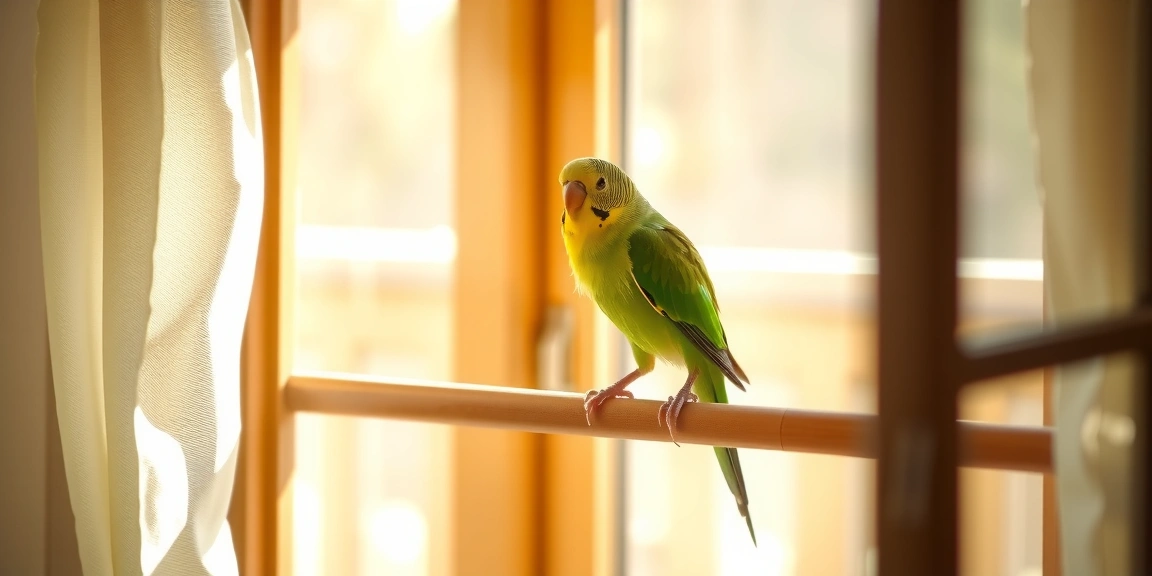
Did you know a parakeet can learn over 1,700 words? My own blue parakeet, Skyler, started mimicking the microwave beep after just three weeks. That incredible intelligence comes with a responsibility far greater than just filling a seed dish. These small parrots, also known as budgerigars, live 7-15 years and require a carefully crafted environment to thrive. I learned this the hard way when my first cage was too small, leading to stress bars on my bird’s feathers. Proper parakeet care isn’t complex, but it is specific—from a cage with 1/2-inch bar spacing to a diet that’s only 20% seeds. This guide covers every detail you’ll need, based on years of trial, error, and consultation with my avian vet.
6 min read
In This Article
Key Takeaways
- Parakeet Species Overview
- Housing and Cage Requirements
- Diet and Nutrition Specifics
- Behavioral Traits and Socialization
Parakeet Species Overview
When we say “parakeet,” we’re usually talking about the budgerigar, a specific species native to Australia. They typically weigh between 25-40 grams and measure 7-8 inches from head to tail. Their lifespan is a serious commitment; with excellent care, 12-15 years is common, but the average is often shorter (7-10 years) due to preventable health issues. I made the mistake of getting a single bird initially, but parakeets are incredibly social flock animals. They absolutely thrive with a companion, which reduces stress-related behaviors like feather plucking. If you can only have one, you must commit to being their flock for at least 2-3 hours of out-of-cage interaction daily.
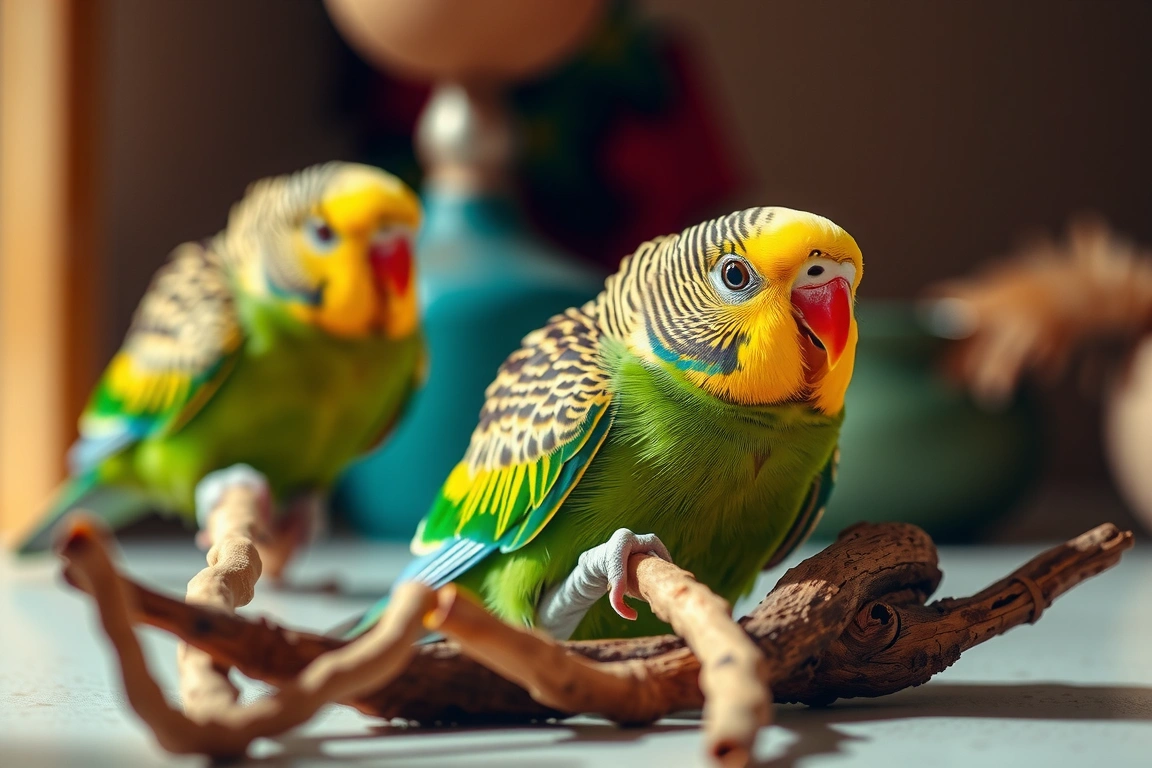
If you can only have one, you must commit to being their flock for at least 2-3 hours of out-of-cage interaction daily.
Housing and Cage Requirements
The cage is your parakeet’s entire world, so size is non-negotiable. The absolute minimum for a single bird is 18″L x 18″W x 24″H, but I always recommend going larger. For a pair, you need at least 30″L x 18″W x 36″H. The most critical measurement is bar spacing—it must be 1/2 inch or less to prevent escapes or tragic head entrapment.
Reviewers have tested several models, and two stand out. The Prevue Hendryx F050 Pet Products Wrought Iron Flight Cage (31″ x 20.5″ x 53″, $129.99) is a fantastic long-term home for one or two birds, with a sturdy build and a seed guard. For a more budget-friendly but still adequate option, the Yaheetech 52-inch Standing Bird Cage ($89.99) offers good space, though its construction is slightly less robust. Place the cage in a busy part of your home, like a living room, but away from direct drafts, windows, and kitchens where Teflon fumes are a lethal hazard.
Cage Setup and Essentials
A bare cage is a bored bird. You need a variety of perches with different diameters (3/8″ to 5/8″) to exercise their feet and prevent arthritis. Include natural wood, rope, and a concrete perch for nail filing. Provide at least 3-4 toys for enrichment; my birds love shreddable toys made of seagrass or paper and foraging puzzles where I hide millet. Food and water dishes should be placed away from perches to avoid contamination from droppings. Clean the entire cage with a bird-safe disinfectant like Poop-Off or a vinegar solution weekly.
Diet and Nutrition Specifics
An all-seed diet is a death sentence for a parakeet, leading to fatty liver disease and vitamin deficiencies. Their diet should be a high-quality pelleted base (about 60%), fresh vegetables (30%), and fruits/treats (10%). I use Harrison’s Bird Foods High Potency Fine pellets ($25 for a 1lb bag) as my primary staple. It’s a complete nutrition source.

Daily, I offer a chop of fresh veggies—favorites are broccoli florets, shredded carrots, and dark leafy greens like kale and romaine. Fruit should be a treat due to high sugar; a tiny bit of apple or berry a few times a week is plenty. A cuttlebone must always be available for calcium, which is crucial for females to prevent egg-binding. Fresh, clean water needs to be changed daily without fail. I use a water silo to keep it cleaner longer.
Behavioral Traits and Socialization
Parakeets are not decorative pets; they are intelligent, social, and noisy. Their chatter is a sign of contentment, while loud, persistent squawking can signal boredom or a desire for attention. Expect a dawn and dusk chorus. Taming requires immense patience. Start by spending quiet time near the cage, then offer millet spray from your hand. It took Skyler a full month to step onto my finger willingly.
They need a minimum of 30-60 minutes of supervised out-of-cage flight time daily in a safe, bird-proofed room (cover mirrors, close windows, ceiling fans off). This exercise is non-negotiable for their physical and mental health. Without it, they can develop destructive behaviors and obesity.
Without it, they can develop destructive behaviors and obesity.
Common Health Concerns
Parakeets are masters at hiding illness, so knowing the subtle signs is critical. Lethargy, fluffed feathers for prolonged periods, sitting on the cage floor, changes in droppings (color or consistency), and labored breathing are all red flags requiring an immediate avian vet visit.

Common issues include respiratory infections (often from dusty seed or drafts), mites, and goiter from iodine deficiency. An annual well-bird check-up with an avian-certified vet is essential and typically costs between $75-$150. An emergency visit for something like an egg-binding can easily cost $300-$500. I budget $50/month for food, supplies, and a vet fund.
Cost of Ownership Breakdown
Owning a parakeet is a financial commitment beyond the $20-$50 adoption or store fee. The initial setup is the biggest cost. Here’s a realistic first-year budget based on mid-range products:
- Appropriate-sized cage: $100 – $150
- Play stand & initial toy/perch set: $60 – $80
- Carrier for vet visits: $30
- First-year vet check-up: $100
- Monthly food & supply cost: $25 – $40
This puts your first-year investment at roughly $500-$600. Each subsequent year will cost around $300-$450 for food, replacement toys, and vet care. This is a crucial consideration many new owners overlook.
Companion and Household Compatibility
Parakeets can be a wonderful first bird, but they are fragile and require a calm home. They are not suitable for very young children who might handle them roughly. Their small lungs are extremely sensitive to aerosols, scented Candles, and non-stick cookware fumes, which can be fatal. They can coexist peacefully with other quiet pets like cats or dogs only if the other animals are proven to have zero prey drive and are never, ever left unsupervised together. The bird’s safety must always be the priority.
Caring for a parakeet is a deeply rewarding experience that teaches responsibility and offers incredible companionship. The three most important actions you can take are: First, invest in the largest cage you can afford with 1/2″ bar spacing. Second, immediately transition your bird to a pellet-based diet supplemented with fresh veggies. Third, locate an avian vet before you ever have an emergency. For a specific product recommendation, I’ve had the best long-term experience with the Prevue Hendryx flight cage—it’s stood up to years of use and keeps my birds safe and happy.
Small changes, real momentum
Get practical guides and templates you’ll actually use — a few thoughtful emails a month.
Frequently Asked Questions
How long can I leave my parakeet alone?
You should not leave your parakeet completely alone for more than 24 hours. They need fresh food and water daily. For a weekend trip, you must have a reliable pet sitter who knows how to check on them safely without risking an escape. For longer periods, boarding at an avian vet’s office is the safest option.
Why is my parakeet constantly biting?
Biting is almost always communication, not aggression. A fearful bird will bite to be left alone, while a hormonal one might bite to protect a perceived nest. Look at the context. If it happens when your hand is in the cage, your bird is likely telling you it views the cage as its territory. Work on trust-building outside of the cage with favorite treats.
Do parakeets need to be kept in pairs?
It is highly recommended. As flock animals, they are profoundly social and a same-species companion provides constant interaction that a human cannot replicate. If you work long hours, a pair is almost essential for their mental well-being. A single bird can be happy, but it requires a significant daily time commitment from its owner for social interaction.
For the Love of Your Pet
Care guides, breed insights, and gentle advice for happier pets.