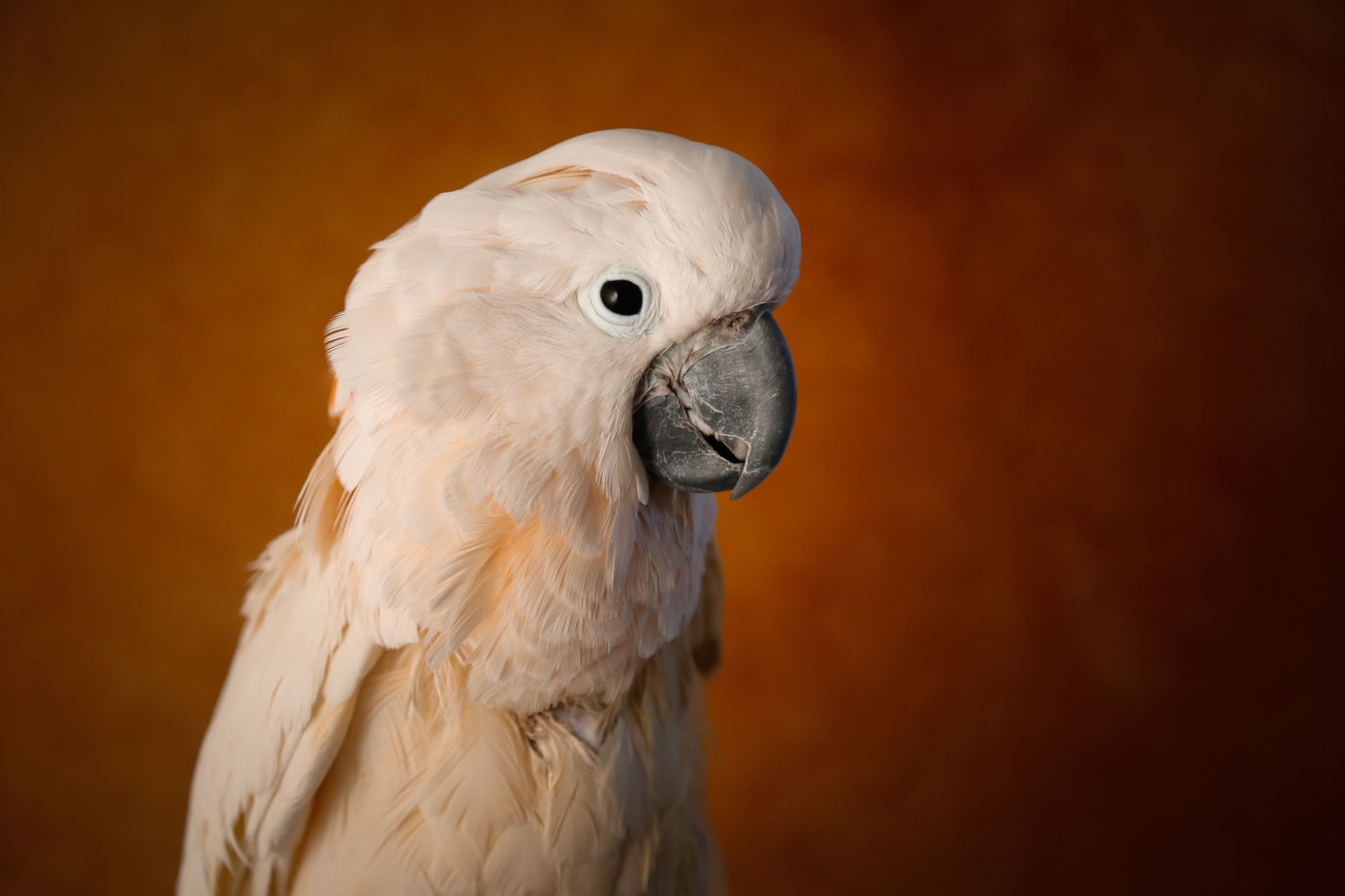
I’ll never forget the first time a cockatoo landed on my shoulder. It was a Moluccan named Mango at a rescue I volunteered at, and within thirty seconds, that bird had unclipped my earring, tossed it across the room, and started screaming at 120 decibels because I dared to laugh. I loved him instantly. But loving a cockatoo and living with one are two very different things. These birds are not pets in the traditional sense—they’re feathered toddlers with bolt cutters attached to their faces, and they will test every ounce of patience you have. If you’re considering bringing one home, you need the raw truth: the noise, the mess, the cost, and the incredible, exhausting bond that makes it all worth it. Let’s break down exactly what you’re signing up for.
## The Cockatoo Personality: Highs and Lows
Cockatoos are the extroverts of the parrot world. They crave physical affection more than any other parrot species I’ve worked with. A well-socialized Umbrella Cockatoo will happily spend hours cuddling, preening your hair, and pressing their warm little body against your neck. It’s heart-melting. But that need for contact comes with a dark side. Cockatoos are prone to feather destructive behavior and self-mutilation when left alone for more than four hours a day. I’ve seen birds pluck themselves bald because their owner worked a standard 9-to-5. The American Veterinary Medical Association notes that cockatoos have the highest rates of behavioral euthanasia among companion parrots, often because owners underestimate their emotional needs.
Temperament varies by species. Goffin’s Cockatoos are more independent and mischievous—they’ll figure out how to open any cage latch within minutes. Moluccans are the “velcro birds,” wanting to be on you constantly. Citron Cockatoos are slightly calmer but still demand hours of interaction. In my experience, no cockatoo is truly “low maintenance.” Even the chillest individual needs at least 3–4 hours of direct, out-of-cage time daily. If you work full-time, you’ll need a second bird or a dedicated parrot sitter. This isn’t a suggestion—it’s a requirement for their mental health.
## Cage Size and Bar Spacing: Getting It Right
A cockatoo’s cage isn’t just a home—it’s their safe space when you’re not available. For a medium-sized species like a Goffin’s or Citron, I recommend a minimum of 36 inches wide by 24 inches deep by 48 inches tall. For larger Umbrellas and Moluccans, bump that to 48 inches wide by 36 inches deep by 60 inches tall. The **King’s Cages Double Macaw Series** (model 516-D) measures 48” x 36” x 72” and costs around $1,200. It’s powder-coated with a 1-inch bar spacing, which works for most cockatoos. The **A&E Cage Company Vision S1** is a solid budget option at $650, but it’s only 36” x 24” x 48”—adequate for a Goffin’s but cramped for a Moluccan.
Bar spacing is critical. For cockatoos, you want 1 inch to 1.25 inches between bars. Anything wider and your bird can get their head stuck—I’ve seen it happen with a 1.5-inch spacing on a cheap cage, and it was terrifying. The bar gauge should be at least 8-gauge for large species; thinner bars can bend under a determined beak. A Moluccan can snap a 12-gauge bar like a toothpick. Always check the weight capacity of the cage’s tray and perches. A heavy cockatoo needs a stainless steel or thick acrylic tray that won’t crack. The **HQ Pet Products Large Cage** has a removable stainless steel tray that’s held up well in my setup, even under a 900-gram Umbrella.
## Noise, Mess, and Daily Time Commitment
Let’s talk volume. A cockatoo’s contact call can hit 120 decibels—that’s louder than a chainsaw. My Moluccan, Gus, starts his morning scream at exactly 6:15 AM, and he doesn’t stop until I walk into the room. You cannot train this out of them completely; it’s instinctual. Apartment living is almost impossible unless you have soundproofing and tolerant neighbors. I’ve had complaints from two floors away.
Mess is another constant. Cockatoos produce fine, powdery dust from their feathers—it coats everything within ten feet of the cage. You’ll need a HEPA air purifier. The **Levoit Core 400S** runs about $130 and handles a 400-square-foot room, but you’ll clean the pre-filter weekly. Food waste is also significant. A cockatoo will take one bite out of an apple slice and toss the rest. Expect to sweep around the cage twice daily. I use a handheld vacuum (the **Black+Decker Dustbuster CHV1410L**, $45) for quick cleanups.
Daily time commitment: minimum 3 hours of direct interaction, plus 30 minutes for cage cleaning and food prep. Vet visits cost $150–$300 for a wellness check, and an avian vet is non-negotiable. Emergency visits can run $500–$1,500. Annual blood work and fecal tests add another $200. Over a 50-year lifespan (yes, some cockatoos live that long), you’re looking at $10,000–$30,000 in vet care alone.
## Diet and Nutrition: What to Feed and What to Avoid
Cockatoos are prone to obesity and fatty liver disease, especially if fed a seed-heavy diet. I learned this the hard way with my first cockatoo, who developed lipomas (fatty tumors) from too many sunflower seeds. The Association of Avian Veterinarians recommends a diet of 60–70% high-quality pellets, 20–30% fresh vegetables, and 5–10% fruits and nuts. **Harrison’s Adult Lifetime Fine** pellets ($22 for a 5-pound bag) are my go-to—they’re organic and cold-pressed to retain nutrients. **Roudybush Daily Maintenance** ($18 for a 5-pound bag) is another reliable brand.
Vegetables should be dark leafy greens like kale, collard greens, and dandelion greens. Chop them into small pieces—cockatoos are picky and will avoid large chunks. Offer a variety of colors: red bell pepper, shredded carrots, and cooked sweet potato. Fruits should be limited due to sugar content. A few blueberries or a slice of mango twice a week is plenty. Never feed avocado, chocolate, caffeine, or high-salt foods. I also avoid peanuts due to aflatoxin risk. Foraging toys are essential to slow down eating and stimulate their minds. The **Planet Pleasures Foraging Wheel** ($15) is a simple starter that you can stuff with pellets and greens.
## Training and Behavioral Challenges
Cockatoos are intelligent enough to learn tricks, but they’re also stubborn and easily frustrated. Positive reinforcement with target training works best. I use a chopstick as a target stick and reward with a single sunflower seed (yes, in moderation). Start with “step up” onto a perch, not your hand—this prevents biting accidents. A cockatoo’s beak can exert 500–700 pounds of pressure per square inch. I’ve had a Moluccan bite through a wooden perch in seconds.
Common behavioral issues include screaming, biting, and feather plucking. Screaming is often attention-seeking—the worst thing you can do is yell back or rush into the room. Instead, wait for a moment of quiet, then reward it. This takes weeks of consistency. Biting usually stems from fear or hormonal aggression. Never punish a bite; simply put the bird down and walk away for a minute. Feather plucking is a red flag for boredom, loneliness, or medical issues. If you see it, schedule an avian vet visit immediately and increase foraging opportunities. The **Caitec Foraging Box** ($10) is a cheap way to add mental stimulation.
## Cost Breakdown: Upfront and Ongoing
Here’s a realistic budget for a cockatoo’s first year:
– **Cage**: $600–$1,500 (King’s Cages or A&E)
– **Bird**: $1,000–$4,000 (rescue adoption is $200–$500, but rare)
– **Perches and toys**: $200–$400 annually. Natural wood perches (dragonwood, manzanita) cost $15–$30 each. Rotate toys weekly to prevent boredom.
– **Food**: $30–$50 per month for pellets, fresh produce, and nuts
– **Vet care**: $300–$600 for first-year wellness exams and blood work
– **Air purifier**: $100–$200 (Levoit or Winix)
– **Cage accessories**: $100–$200 for stainless steel bowls, a play stand, and a travel carrier
First-year total: $2,330–$6,950. Ongoing annual costs: $800–$1,500. Over a 50-year lifespan, that’s $40,000–$75,000. This is not an exaggeration. I’ve spent over $8,000 on my Umbrella Cockatoo in the last three years alone, including an emergency surgery for an impacted crop.
## Frequently Asked Questions
### Do cockatoos get along with other pets?
It depends on the individual bird and the other animal. Cockatoos can be territorial and may attack dogs or cats that approach their cage. I’ve seen a Goffin’s Cockatoo chase a 60-pound Labrador across a room. If you have other pets, introduce them slowly with the cockatoo in a secure cage. Never leave them unsupervised. Many cockatoos can coexist with calm dogs, but prey-driven breeds like terriers are risky. Always prioritize the bird’s safety.
### How long do cockatoos live in captivity?
Lifespan varies by species. Umbrella and Moluccan Cockatoos can live 50–70 years with proper care. Goffin’s Cockatoos average 30–40 years. Citron Cockatoos are on the shorter side, around 25–35 years. This means you’re making a lifetime commitment—your bird may outlive you. Have a plan for their care in your will or trust. Many rescues are full of cockatoos whose owners passed away or entered nursing homes.
### Can you potty train a cockatoo?
Yes, to some extent. Cockatoos can learn to poop on command or in a designated spot, but it takes patience. I trained my Umbrella to go on a paper towel I hold under him. The trick is watching for the pre-poop squat and moving them to the target. Never punish accidents—they’re inevitable. Even trained birds will have “misses” when excited. Expect to clean up droppings daily. A bird’s digestive system is fast; they poop every 15–20 minutes.
### What’s the quietest cockatoo species?
No cockatoo is truly quiet, but Citron Cockatoos are generally the least vocal. They still scream, but the volume and frequency are lower than Moluccans or Umbrellas. Goffin’s Cockatoos are moderate, but they’re escape artists. If noise is a major concern, consider a different parrot species entirely—cockatoos are not for quiet homes. I’ve measured my Moluccan at 115 decibels during his morning call.
### Are cockatoos good for first-time bird owners?
Generally, no. Their emotional needs, noise level, and potential for behavioral issues make them challenging even for experienced parrot owners. I’ve owned birds for 15 years, and my Umbrella still pushes my limits. If you’re a beginner, start with a smaller parrot like a Green-Cheeked Conure or a Senegal Parrot. They’re less demanding and have shorter lifespans. If you’re determined to get a cockatoo, foster one first through a rescue to see if you can handle the reality.
## Final Thoughts
Cockatoos are not pets—they’re lifelong partners that demand everything you have. The noise, the mess, the cost, and the emotional intensity are real. But so is the joy of a bird that chooses to sit on your shoulder and preen your hair, or the thrill of teaching a new trick after weeks of patience. If you have the time (at least 4 hours daily), the budget ($2,000+ first year), and the willingness to adapt your entire life around a feathered dictator, a cockatoo can be the most rewarding companion you’ll ever know. My three concrete takeaways: adopt from a rescue to save a life and save money, invest in a quality cage with proper bar spacing, and schedule an avian vet check within the first week. Start with a foster arrangement, not a purchase. That’s the honest path to success.
Related from our network
- AI vs Human: Complete Guide to Content Gap Analysis (comparison, ~50 chars) (clearainews)
- Complete Guide to AI Content Gap Analysis vs Manual SEO: Which Wins? (aiinactionhub)
- Complete Guide: What Is The Best (permaeasy)
For the Love of Your Pet
Care guides, breed insights, and gentle advice for happier pets.