When I first brought home my cockatiel, Pip, I was overwhelmed. The sheer amount of information out there about cage setups felt like trying to decipher a secret bird code! But after a lot of research and a few costly mistakes (like buying a cage that was way too small!), I figured out what really makes a cockatiel happy and safe. It’s not just about having a place for them to sleep; it’s about creating a mini-world that stimulates their curious minds and keeps them healthy. A good cage setup is the foundation of a long, joyful companionship, and trust me, a happy cockatiel makes for a much more enjoyable home. We’re talking about birds that can live 15-30 years, so getting this right from the start is crucial. This guide will walk you through everything, from the ideal cage size and materials to the best perches and toys, ensuring your feathered friend thrives.
Choosing the Right Cage: Size Matters Most
This is where most people, myself included initially, get it wrong. Cockatiels are active birds; they need space to flap their wings, climb, and play. A cage that looks big enough in the store might feel cramped once you add perches, food bowls, and toys. For a single cockatiel, I strongly recommend a cage that is at least 24 inches wide, 20 inches deep, and 30 inches tall. Bigger is always better, especially if you plan on getting a second bird down the line. I personally upgraded to a Prevue Pet Products 3151 cage (dimensions: 25″ W x 21″ D x 31″ H, bar spacing 0.625 inches) after realizing my first cage was too restrictive for Pip’s daily wing stretches. The wider the cage, the more room they have to move horizontally, which is their primary mode of travel when not flying.
Bar spacing is another critical factor. For cockatiels, you want spacing no wider than 0.625 inches (or 5/8 inch). Any wider, and a determined bird could potentially get its head stuck, which is a terrifying thought and a serious safety hazard. Thinner bars are also better, as they are less likely to be bent or chewed through by a determined beak. The material of the cage is also important. Stainless steel is the gold standard – it’s durable, non-toxic, and easy to clean, but it can be pricey. Powder-coated metal is a good, more affordable alternative, but ensure the coating is non-toxic and free of zinc and lead. I’ve found that cages from brands like Prevue Pet Products and Yaheetecho offer good value with appropriate bar spacing and durable construction for the price range of $100-$250 for a suitable size.
When looking at cage weight, consider that larger cages can be quite heavy, especially if made of stainless steel. A cage that’s difficult to move might make cleaning a chore, leading to delays in essential upkeep. My Prevue 3151 weighs around 25-30 lbs, which is manageable for me to shift for cleaning. Always check the cage’s total weight if you anticipate needing to move it regularly. Also, think about the door size. A large front-opening door makes it much easier to access the inside for cleaning, rearranging toys, and safely handling your bird. Some cages have multiple small doors, which can be frustrating for daily interaction and maintenance.
Essential Cage Accessories: Perches, Bowls, and More
Once you have the right cage, it’s time to furnish it! Perches are not just for sitting; they are crucial for your cockatiel’s foot health. Avoid using only dowel perches that are all the same diameter. This can lead to foot problems like bumblefoot and arthritis. Instead, offer a variety of perch types and diameters. Natural wood perches, like those made from fruitwood or eucalyptus, are excellent because their irregular shapes and textures provide a good grip and exercise for your bird’s feet. I like to get perches ranging from 0.5 inches to 1 inch in diameter. Brands like BUCATSTATE and Bonka Bird Toys offer a good selection of natural wood perches, often sold in packs for around $15-$30.
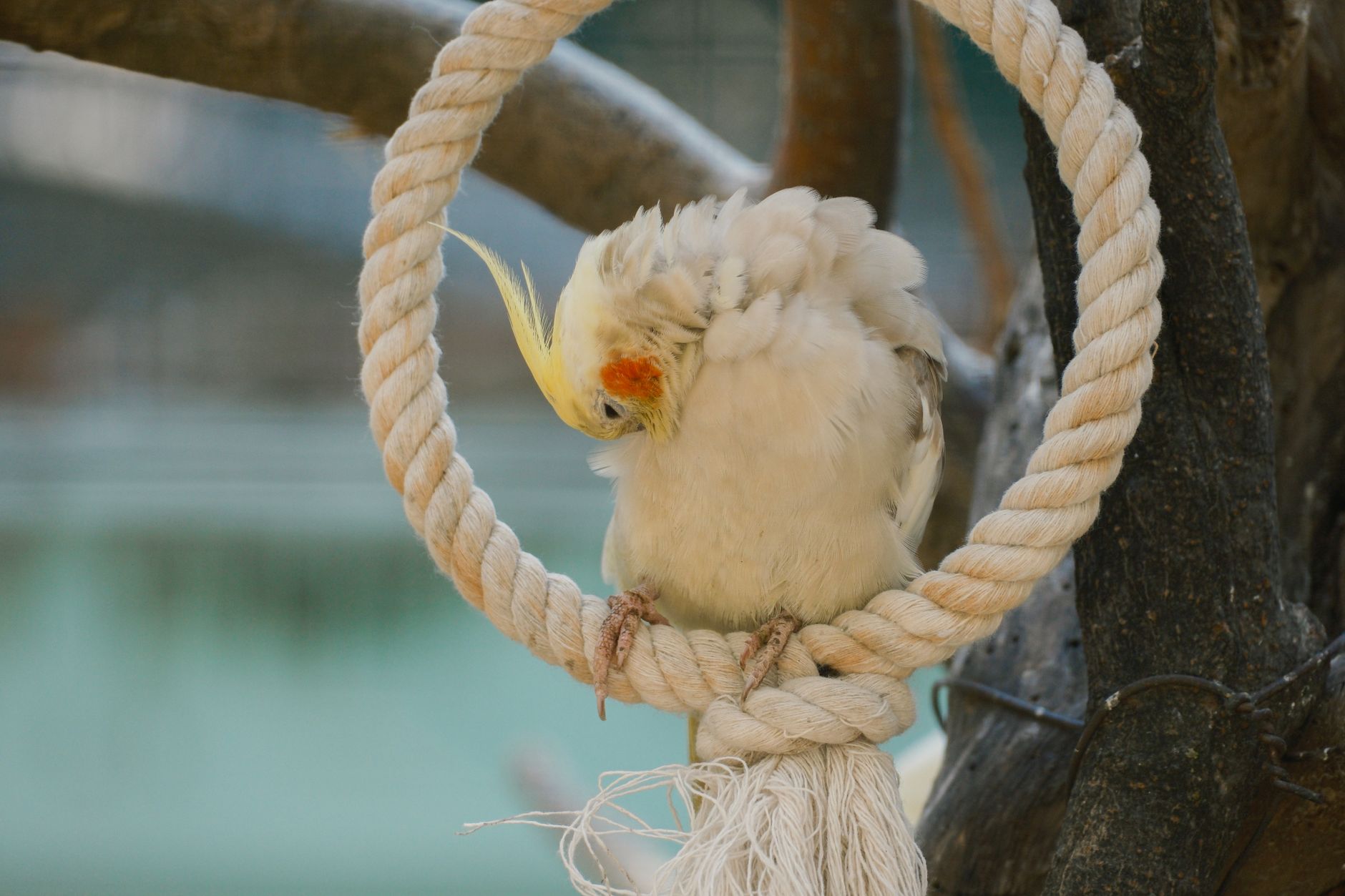
Cotton or rope perches can also be great for added texture and flexibility, but be mindful of frayed ends that your bird could ingest. Regularly inspect these for wear and tear. For a cage that’s roughly 24x20x30 inches, I’d recommend having at least 3-4 perches strategically placed at different heights and locations. This encourages climbing and movement. Avoid placing perches directly over food or water bowls, as droppings can easily contaminate them. Also, position perches so that a bird sitting on one doesn’t have its tail feathers constantly brushing against the cage bars or other accessories.
Food and water bowls should be made of stainless steel or ceramic. Plastic bowls can harbor bacteria and are easily chewed. You’ll need at least two bowls: one for food and one for fresh water. Some cages come with built-in bowls, but I often prefer to use separate, clip-on bowls that are easier to remove for daily cleaning and refilling. Clip-on stainless steel bowls, like those from Van Ness or Kaytee, are readily available for about $5-$10 each and attach securely to the cage bars. Ensure they are positioned at a height that your cockatiel can easily access without having to strain or get too much bedding in them.
Toys for Stimulation and Fun
A cockatiel without toys is a bored cockatiel, and a bored cockatiel can develop behavioral issues like feather plucking or excessive screaming. Toys are essential for mental stimulation, problem-solving, and simply having fun. Aim for a variety of textures, materials, and types of toys. This includes chewable toys (wood, cardboard, palm leaves), foraging toys (where they have to work to get a treat), bells and noise-making toys, and shreddable toys. My cockatiel, Pip, absolutely loves anything he can destroy! He goes through wooden blocks and destructible paper toys within a week.
When selecting toys, always prioritize safety. Avoid toys with small parts that can be easily swallowed or any materials that are toxic. Look for toys specifically designed for birds. Brands like Super Bird Creations and JW Pet Company offer a wide array of safe and engaging toys. For a starter set, I’d recommend a mix: a few wooden blocks (around $5-$10), a shreddable toy like a palm leaf shredder (around $3-$7), and a foraging toy like a treat dispenser ball (around $10-$15). Rotate toys regularly – take some out and put new ones in every week or two. This keeps them novel and exciting. A good rule of thumb is to have at least 3-5 toys in the cage at any given time, ensuring they are spread out and don’t overcrowd the space.
Consider the size of the toys relative to your cockatiel. A toy that’s too large can take up too much space, while one that’s too small might not be engaging or could be a choking hazard. For cockatiels, toys that are roughly 4-6 inches in their largest dimension are usually appropriate. Always check for loose strings or wires that could entangle your bird. If you notice any damage or wear, remove the toy immediately. This might seem like a lot of maintenance, but the mental well-being of your bird is worth the effort. I spend about $20-$40 per month on new toys to keep Pip entertained.
Cage Placement: Location, Location, Location!
Where you put the cage is just as important as what’s inside it. Cockatiels are social creatures and want to be part of the family. Placing the cage in a high-traffic area where they can see and interact with you is ideal. This means the living room or a family room is usually a good spot. Avoid placing the cage in direct sunlight, as birds can overheat quickly. Also, keep the cage away from drafts from windows, doors, or air conditioning vents, as sudden temperature changes can stress or sicken your bird. My Pip’s cage is in our living room, near a window but not in direct sun, so he can watch the world go by and still be part of family activities.
The cage should also be placed away from the kitchen. Cooking fumes, especially from non-stick cookware (which releases PTFE, a deadly toxin to birds), can be extremely harmful. Even regular cooking can produce smoke and grease that isn’t good for your bird’s delicate respiratory system. So, while the kitchen might seem like the heart of the home, it’s a definite no-go zone for a birdcage. Ensure the location is also safe from other pets, like cats or dogs, who might be curious or predatory. Even if your other pets are generally well-behaved, it’s best to have a secure barrier between them and your bird.
Consider the height of the cage. Placing the cage on a sturdy stand or table, rather than directly on the floor, is generally recommended. This gives your bird a sense of security, as they are often prey animals and feel more vulnerable when placed too low. It also makes it easier for you to interact with your bird at eye level. Most cages come with stands, but ensure it’s stable and won’t tip over. My cage stand is about 2 feet tall, putting Pip at a comfortable height for interaction and observation.
Cleaning and Maintenance: Keeping it Healthy
A clean cage is vital for your cockatiel’s health. Neglecting cage cleaning can lead to bacterial growth, fungal infections, and respiratory problems. Daily cleaning should include spot-cleaning droppings, changing water, and refreshing food. I spend about 10-15 minutes each morning on these quick tasks. Weekly cleaning is more thorough. This involves removing all accessories, washing food and water bowls with hot, soapy water (rinsing thoroughly!), wiping down the cage bars and base, and replacing any soiled bedding or newspaper at the bottom. A good scrub with a bird-safe disinfectant (diluted vinegar is a great option) can be done monthly, ensuring everything is rinsed and dried completely before returning your bird.
The type of cage liner you use also impacts maintenance. Many owners use newspaper, which is cheap and easy to change daily. However, some inks can be toxic, so opt for plain newsprint or unprinted paper if possible. Paper towels or plain paper are also good options. Avoid using sand-based liners or gravel paper, as these can be ingested and cause impaction. For the cage bottom, I use a removable tray with paper liners. This makes it super easy to pull out and clean without disturbing Pip too much. This weekly deep clean takes me about 30-45 minutes. I also wash all perches and toys during this weekly clean, or more often if they become particularly soiled.
Beyond the cage itself, regular grooming and health checks are part of overall maintenance. This includes nail trims (which can often be done at home with bird-specific clippers, or by a vet), beak checks, and keeping an eye out for any changes in behavior, droppings, or feather condition. Vet visits are also a crucial part of the cost and commitment. A general avian vet check-up can range from $75 to $150 annually, and emergency visits can be significantly more. Factor in potential costs for unexpected illnesses or injuries when considering long-term pet ownership.
Dietary Needs and Food Bowls
While not strictly part of the cage setup, the type of food and how it’s presented directly impacts your bird’s health and the cleanliness of their environment. A balanced diet for a cockatiel should consist of a high-quality pelleted food as the base, supplemented with fresh vegetables, some fruits, and occasional seeds. For pellets, I’ve had success with brands like Harrison’s Bird Foods (specifically their High Potency Coarse or Adult Lifetime Coarse) and Roudybush. These are nutrient-dense and help prevent the deficiencies common with seed-only diets. A 4-5 lb bag of good quality pellets can cost around $30-$50 and lasts for several months.
Fresh vegetables like broccoli, carrots, leafy greens (kale, spinach in moderation), and bell peppers should be offered daily. Fruits like apples (seeds removed), berries, and melon can be given as treats. Seeds, such as millet spray or a good quality seed mix, should be given in moderation, perhaps as a training reward or a small part of their daily intake, as they are high in fat. Offering a variety of textures and colors in their food will encourage them to try new things. I usually chop up a mix of veggies and fruits daily and offer it in a separate bowl or mixed with a small amount of pellets.
As mentioned earlier, stainless steel or ceramic food bowls are best. For a cockatiel, a bowl around 4-6 inches in diameter and 1.5-2 inches deep is usually sufficient for their daily portion of pellets, chopped veggies, and a small amount of seed. Ensure the bowls are cleaned daily to prevent bacterial growth, especially from leftover moist food. If you offer foraging toys, you might also use smaller cups or dispensers within those toys to hold treats, adding another layer of mental stimulation. This daily cleaning of bowls is non-negotiable for a healthy bird.
Creating the ultimate cockatiel cage setup is an ongoing process, but the rewards are immense. By focusing on a spacious cage with appropriate bar spacing, offering a variety of safe perches and engaging toys, choosing a safe and social location, and maintaining a rigorous cleaning schedule, you’re setting your cockatiel up for a long, happy, and healthy life. Remember, a well-enriched environment is key to their physical and mental well-being. My top recommendation for a good starting cage is the Prevue Pet Products 3151, offering excellent value and space for around $150-$200. For toys, always prioritize natural materials and rotate them frequently to keep your bird stimulated.
Frequently Asked Questions about Cockatiel Cages
How often should I clean my cockatiel’s cage?
Daily spot cleaning of droppings and changing water is essential. A more thorough weekly cleaning of the entire cage, including washing perches and bowls, is recommended. Monthly deep cleans with a bird-safe disinfectant are also important to maintain a hygienic environment. This routine prevents the buildup of bacteria and mold, which can cause health issues for your bird.
What kind of perches are best for a cockatiel?
A variety of perches is crucial for foot health. Natural wood perches of different diameters (0.5 to 1 inch) are excellent because they mimic natural branches and provide good grip. Cotton rope perches can add texture, but always check for frayed ends. Avoid using only dowel perches of the same size, as this can lead to foot problems over time.
Can I put my cockatiel’s cage in my bedroom?
While it might seem like a good idea for companionship, it’s generally not recommended. Birds can be noisy, especially in the morning and evening, which could disrupt sleep. Also, bird dander and dust can be allergens for humans, and if you use non-stick cookware in your home, the fumes can be deadly to birds, so keeping them away from the kitchen is paramount. A living area where they can be part of the family is usually best.
What are the essential toys for a cockatiel?
A good mix includes chewable toys (wood, cardboard), foraging toys to provide mental challenges, shreddable toys for natural chewing instincts, and perhaps a bell or two for auditory stimulation. Always ensure toys are made from non-toxic materials and are appropriately sized for your cockatiel. Rotate toys weekly to maintain their novelty and engagement.
Related from our network
- [Draft] Setup Guide — kitchentechinsider (kitchentechinsider)
- Smart Home Security System Setup Guide: Complete Installation in 2025 (smarthomegearreviews)
- Smart Air Fryers Cook Faster Than Ovens: Separating Speed From Hype (kitchentechinsider)
For the Love of Your Pet
Care guides, breed insights, and gentle advice for happier pets.