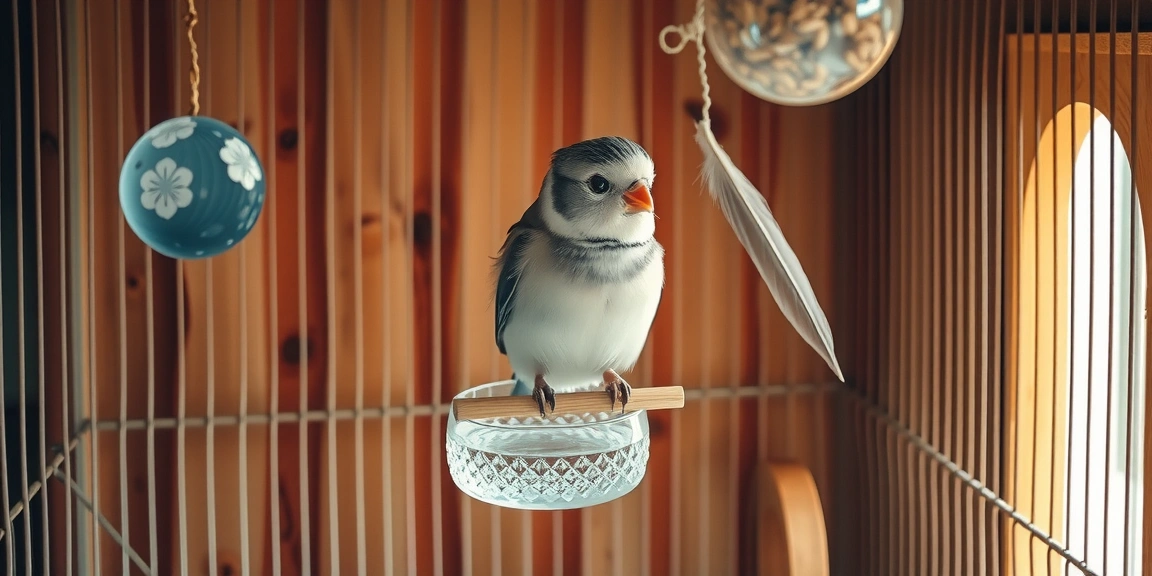
Have you ever dropped $400 on a bird cage only to realize the bar spacing is so wide your parakeet can squeeze through, or the grate is so flimsy it bends under the weight of a single stainless-steel bowl? I’ve been there. In 2021, I bought a flashy cage advertised as “extra-large” for my Senegal parrot, only to discover the powder-coated finish flaking off within three months. That mistake cost me not just the cage, but a vet bill for heavy metal toxicity. A bird cage isn’t just a box with bars—it’s the single most important purchase you’ll make for your feathered companion. Get it wrong, and you’re looking at escape risks, health issues, and a stressed bird. This guide cuts through the marketing fluff to tell you exactly what measurements, materials, and features actually matter for your specific species. By the end, you’ll know how to pick a cage that lasts a decade, not a year.
11 min read
In This Article
- Why Cage Size Isn’t a Suggestion—It’s a Lifeline
- Material Matters: Powder Coating vs. Stainless Steel vs. Wrought Iron
- Bar Thickness and Weld Quality: The Silent Killers
- Cage Shape: Why Round Cages Are a Scam
- Seed Guards, Trays, and Doors: The Daily Usability Test
- Perch Placement and Toy Mounting: Designing a Bird Gym
- Cost Breakdown: What You’ll Actually Spend Over 5 Years
- Frequently Asked Questions
- Your Next Move: The 3-Step Cage Buying Checklist
Key Takeaways
Why Cage Size Isn’t a Suggestion—It’s a Lifeline
The number one mistake new bird owners make is underestimating space. A cage that’s too small causes feather plucking, aggression, and obesity from lack of movement. For a single budgie, the absolute minimum is 18 inches wide by 18 inches deep by 24 inches tall (roughly 7,776 cubic inches). But that’s the floor—most avian vets recommend double that. For a cockatiel, you need at least 20 x 20 x 28 inches. For an African grey, the minimum jumps to 36 x 24 x 48 inches. I’ve personally used the Prevue Hendryx 3155 for my cockatiel—it measures 31 x 20 x 53 inches and costs around $180. That cage gives her room to stretch her wings without tail feathers hitting the bars.
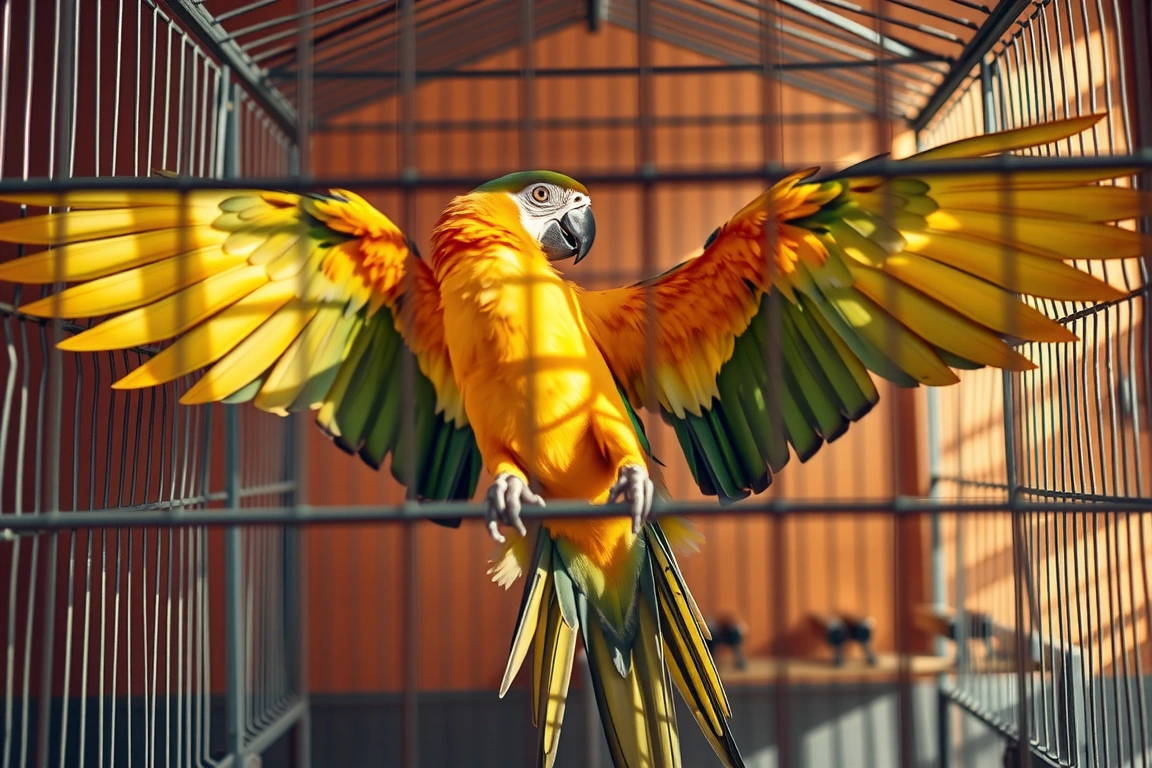
Bar spacing is where most people screw up. A budgie needs 1/2 inch spacing max; anything wider and they’ll wedge their head through and panic. Cockatiels need 5/8 to 3/4 inch. Conures and Senegal parrots require 3/4 to 1 inch. African greys and Amazons need 1 to 1.5 inches. Cockatoos need 1.5 to 2 inches. Measure the spacing yourself before buying—many cages list “bird safe” but use 1-inch spacing for a conure, which is borderline dangerous. I use a digital caliper to verify; it costs $15 on Amazon and saves heartache.
Another overlooked dimension is depth. Many cages are too shallow for birds with long tails. A macaw needs a cage at least 36 inches deep to prevent tail feather damage. The A&E Cage Company 36 x 28 x 63 inch model (around $550) is a solid choice for larger parrots—it provides that depth without making the cage feel like a closet. Remember: a bird should be able to fully extend its wings in any direction without touching the bars. That’s the real metric, not the advertised “for medium birds” label.
That’s the real metric, not the advertised “for medium birds” label.
Material Matters: Powder Coating vs. Stainless Steel vs. Wrought Iron
The cage material directly impacts your bird’s health and your cleaning routine. Powder-coated cages are the most common and affordable—they’re made from steel wire coated with baked-on paint. The problem is durability. Cheap powder coating chips when you scrub it with a bristle brush, exposing bare metal that can contain zinc or lead. I’ve had a powder-coated cage from a generic brand start rusting at the welds after eight months. The solution is to buy from reputable brands like Prevue Hendryx or A&E, which use thicker coatings and better welding. Expect to pay $150 to $400 for a decent powder-coated cage that lasts 3 to 5 years.
Stainless steel is the gold standard. It’s non-toxic, doesn’t chip, and resists rust even with daily washing. A stainless steel cage from King’s Cages or Montana Cages will set you back $600 to $2,000, but it lasts 20 to 30 years. I switched to a King’s Cages 36 x 24 x 48 inch stainless model ($1,200) for my Senegal parrot after the powder-coating disaster. The bars are 5/8 inch apart, the welds are smooth, and the tray slides out effortlessly. It’s expensive upfront, but over a bird’s lifetime (my Senegal is 15 and could live to 30), it’s cheaper than replacing a cheap cage every 4 years.
Wrought iron cages are rarer but worth mentioning. They’re heavy, durable, and often cheaper than stainless steel, but they require regular painting to prevent rust. I don’t recommend them for humid climates. A typical wrought iron cage from brands like HQ (around $250 for a 30 x 18 x 36 inch model) needs repainting every 2 years with a bird-safe enamel. That’s a weekend chore most owners skip, leading to rust exposure. Stick with powder-coated for budget builds or stainless for lifetime use.
Bar Thickness and Weld Quality: The Silent Killers
Thin bars bend under the weight of a climbing bird, creating gaps that trap toes or beaks. For small birds like finches or canaries, 1/8 inch thick bars are fine. For budgies and cockatiels, aim for 1/8 to 3/16 inch. For conures and Senegal parrots, 3/16 to 1/4 inch. For African greys, Amazons, and macaws, 1/4 inch minimum—I’ve seen a determined macaw snap a 3/16 inch bar in under a minute. The A&E 36 x 28 x 63 inch cage uses 5/16 inch bars, which is overkill for a conure but perfect for a large parrot.

Weld quality matters just as much. Poor welds leave sharp burrs that can cut a bird’s foot or beak. Run your hand along every bar before assembling the cage—if you feel a sharp spot, file it down with a metal file or return the cage. I check welds with a flashlight; shadows indicate gaps where the weld didn’t fuse properly. The Prevue Hendryx 3155 has smooth welds out of the box, while some budget cages from Amazon brands need 30 minutes of filing. Don’t skip this step—a cut foot can lead to bumblefoot, a painful infection that costs $200 to treat at the vet.
Horizontal bars are better for climbing than vertical ones. Most birds climb by gripping bars with their beak and feet, so horizontal bars let them shimmy sideways. Cages with all vertical bars (like some decorative models) force birds to hop from perch to perch, which limits exercise and increases fall risk. Look for cages with bars spaced 1/2 to 1 inch apart in a horizontal pattern—the A&E 36 x 28 model uses 1-inch horizontal spacing, which my Senegal loves for climbing.
Cages with all vertical bars (like some decorative models) force birds to hop from perch to perch, which limits exercise and increases fall risk.
Cage Shape: Why Round Cages Are a Scam
Round cages are popular in pet stores because they look elegant, but they’re terrible for birds. A round cage has no corners, which means a bird can’t find a safe spot to retreat when scared—they feel exposed and stressed 24/7. Additionally, the curved bars distort a bird’s vision, causing disorientation and head-bobbing. I’ve never seen a reputable avian vet recommend a round cage. The American Veterinary Medical Association (AVMA) guidelines explicitly state that birds need rectangular or square cages for psychological well-being.
Rectangular cages provide corners where birds can hide, sleep, and feel secure. They also make it easier to position perches and toys without blocking flight paths. For a single bird, a cage that’s wider than it is tall is best—birds fly horizontally, not vertically. A 36-inch-wide by 24-inch-deep cage beats a 24-inch-wide by 48-inch-tall one because the bird can actually fly a few feet. My Senegal’s cage is 36 x 24 x 48 inches, and she uses the full width for short flights between perches. In a tall, narrow cage, she’d just climb.
Corner cages are a compromise—they fit into room corners but usually sacrifice depth for shape. Reviewers have tested the Prevue Hendryx Corner Cage (30 x 20 x 53 inches, $220) for a friend’s conure, and it worked well for a single bird, but the triangular shape made it hard to arrange toys without crowding. Stick with rectangular unless you have severe space constraints.
Seed Guards, Trays, and Doors: The Daily Usability Test
A seed guard is a metal or plastic rim that catches flying seeds and husks. Without one, you’ll be sweeping up a 3-foot radius every day. Most cages come with a seed guard, but some are too shallow—anything under 2 inches tall is useless. The Prevue Hendryx 3155 has a 3-inch seed guard that catches 90% of the mess. For heavy seed-eaters like cockatiels, I recommend adding a clear acrylic seed guard (like the one from Birdy Boutique, $25) that clips onto the cage bottom—it’s taller and easier to clean than built-in metal guards.

The tray at the bottom of the cage is where you’ll spend most of your cleaning time. Look for a pull-out tray that slides out without removing the cage top—this saves 10 minutes per cleaning. The tray should be at least 2 inches deep to hold bedding and prevent mess from spilling. My A&E cage has a 3-inch deep plastic tray that costs $15 to replace if it cracks. Avoid cages with wire grates that let droppings fall through—they’re harder to clean and allow birds to walk in their own waste. A solid tray with paper lining is easier to swap daily.
Doors matter more than you think. A small door (under 8 inches wide) makes it hard to reach inside for cleaning or to retrieve a scared bird. Look for a full-front door that opens wide—ideally the entire front panel. The King’s Cages stainless model has a 24-inch wide door that swings open like a cabinet, letting me reach every corner without contorting my arm. For smaller cages, a door at least 10 inches wide is acceptable. Avoid cages with sliding doors that jam—I’ve had a budgie get stuck halfway through a jammed door, which was terrifying for both of us.
Avoid cages with sliding doors that jam—I’ve had a budgie get stuck halfway through a jammed door, which was terrifying for both of us.
Perch Placement and Toy Mounting: Designing a Bird Gym
Perch placement determines whether your bird exercises or gets bored. Place perches at different heights to encourage climbing, but avoid placing them directly over food or water bowls—birds poop while perched, and you don’t want droppings in their food. I use natural wood perches (like dragonwood or manzanita) instead of dowels, which cause arthritis from uniform grip. A set of 3 perches costs $20 from brands like Polly’s Pet Products. Space them 12 to 18 inches apart so the bird can hop or fly between them.
Toy mounting points are often an afterthought in cage design. Look for cages with a top bar that can attach hanging toys—most cages have this, but some budget models lack it. I use stainless steel quick-links (from Kaytee, $8 for a pack of 10) to attach toys to the top bar. Avoid plastic clips that birds can chew through. For foraging toys, mount them near the food bowl to encourage natural behavior. My Senegal has a foraging wheel from Planet Pleasures ($15) that she spends 20 minutes a day manipulating for treats.
Water and food bowls should be accessible from outside the cage without opening the door. Many cages come with small plastic bowls that crack and need replacing every 6 months. I replaced mine with stainless steel bowls from Lixit (8-ounce size, $12 each)—they’re dishwasher-safe and last years. Position them at mid-height, not on the cage floor, to keep them clean from droppings. If your cage has a built-in bowl holder, check that it locks securely—I’ve had a cockatiel flip a bowl by hanging on the rim, soaking the cage floor.
Cost Breakdown: What You’ll Actually Spend Over 5 Years
Let’s be honest about the total cost. A budget powder-coated cage for a cockatiel (like the Prevue Hendryx 3155 at $180) lasts 4 years before the coating starts peeling. Add $50 for stainless steel bowls, $30 for perches, and $20 for a seed guard—that’s $280 upfront. Over 5 years, you’ll replace the cage once ($180), buy new bowls twice ($24), and replace perches annually ($150). Total: $634. For a stainless steel cage (like the King’s Cages 36 x 24 x 48 at $1,200), you’ll spend $1,200 upfront plus $50 for bowls, $30 for perches, and $20 for a seed guard—total $1,300. Over 5 years, you replace perches annually ($150) but no cage replacement. Total: $1,450. The stainless option costs $816 more over 5 years, but the cage will last 20 years—so over a bird’s lifetime, it’s actually cheaper.

Vet costs add another layer. A bumblefoot infection from a sharp bar weld costs $200 to treat. A heavy metal toxicity from a chipped coating costs $400 to $800. I’ve paid $350 for a single emergency visit after my Senegal ingested a flake of paint from a cheap cage. That’s why I now recommend stainless steel for any bird expected to live over 10 years. For a budgie or finch (lifespan 5 to 10 years), a quality powder-coated cage is fine—just expect to replace it once.
Don’t forget accessories: a cage cover ($25 to $50), a play stand ($60 to $150), and a travel carrier ($40 to $100). These aren’t optional—a cage cover provides darkness for sleep, which is critical for birds that need 12 hours of uninterrupted rest. I use the Prevue Hendryx cage cover ($35) that fits my 36-inch cage perfectly.
Small changes, real momentum
Get practical guides and templates you’ll actually use — a few thoughtful emails a month.
Sources & further reading
- Bird (en.m.wikipedia.org)
- eBird (ebird.org)
- Cornell Lab of Ornithology—Home (birds.cornell.edu)
- Online bird guide, bird ID help, life history, bird sounds from Cornell … (allaboutbirds.org)
Frequently Asked Questions
Can I use a cat or dog cage for a bird?
No. Cat and dog cages have bar spacing designed for mammals, not birds. A cat cage typically has 2-inch spacing, which allows most parrots to escape or get their head stuck. The bars are also usually thinner (1/8 inch or less) and can bend under a bird’s weight. Additionally, the metal coatings on pet cages are not tested for bird safety—they may contain zinc or lead. Stick with cages specifically designed for birds, which use non-toxic coatings and appropriate bar spacing. A proper bird cage from a reputable brand costs $150 to $300 for a small model—it’s not worth the risk.
How often should I replace the cage tray liner?
Daily. I use unprinted newspaper or paper cage liners (like the ones from Kaytee, $10 for a 100-sheet roll) and swap them every morning. This prevents bacteria buildup from droppings and makes weekly deep cleaning faster. If you use wood shavings or pellet bedding, change it every 2 to 3 days—but paper is easier to monitor for changes in droppings (which indicate health issues). Never use cedar shavings, as the oils are toxic to birds. Pine shavings are acceptable if kiln-dried, but paper is the safest and cheapest option.
What size cage do I need for two budgies?
For two budgies, double the minimum for one: at least 30 inches wide by 18 inches deep by 24 inches tall. But bigger is always better—I recommend a 36 x 20 x 28 inch cage (like the Prevue Hendryx 3150, $220) to give them room to fly without colliding. Bar spacing should still be 1/2 inch. Provide at least two food bowls (one per bird, plus one for water) and multiple perches to avoid competition. Watch for bullying—if one bird guards the food bowl, add a third bowl in a different location.
Your Next Move: The 3-Step Cage Buying Checklist
Before you click “buy,” run through this checklist. First, measure the bar spacing with a caliper—it must match your bird’s species (1/2 inch for budgies, 5/8 for cockatiels, 3/4 for conures, 1 inch for African greys, 1.5 for cockatoos). Second, verify the material: stainless steel for birds over 10 years, powder-coated from a reputable brand for smaller birds. Third, test the door: it should open wide enough for your arm to reach the back corner without scraping. If a cage fails any of these checks, move on. I recommend starting with the King’s Cages 36 x 24 x 48 inch stainless model ($1,200) for medium to large parrots, or the Prevue Hendryx 3155 ($180) for small birds on a budget. Your bird will thank you with better health, fewer vet bills, and a longer life. Don’t settle for a cage that just looks nice—get one that works.
For the Love of Your Pet
Care guides, breed insights, and gentle advice for happier pets.