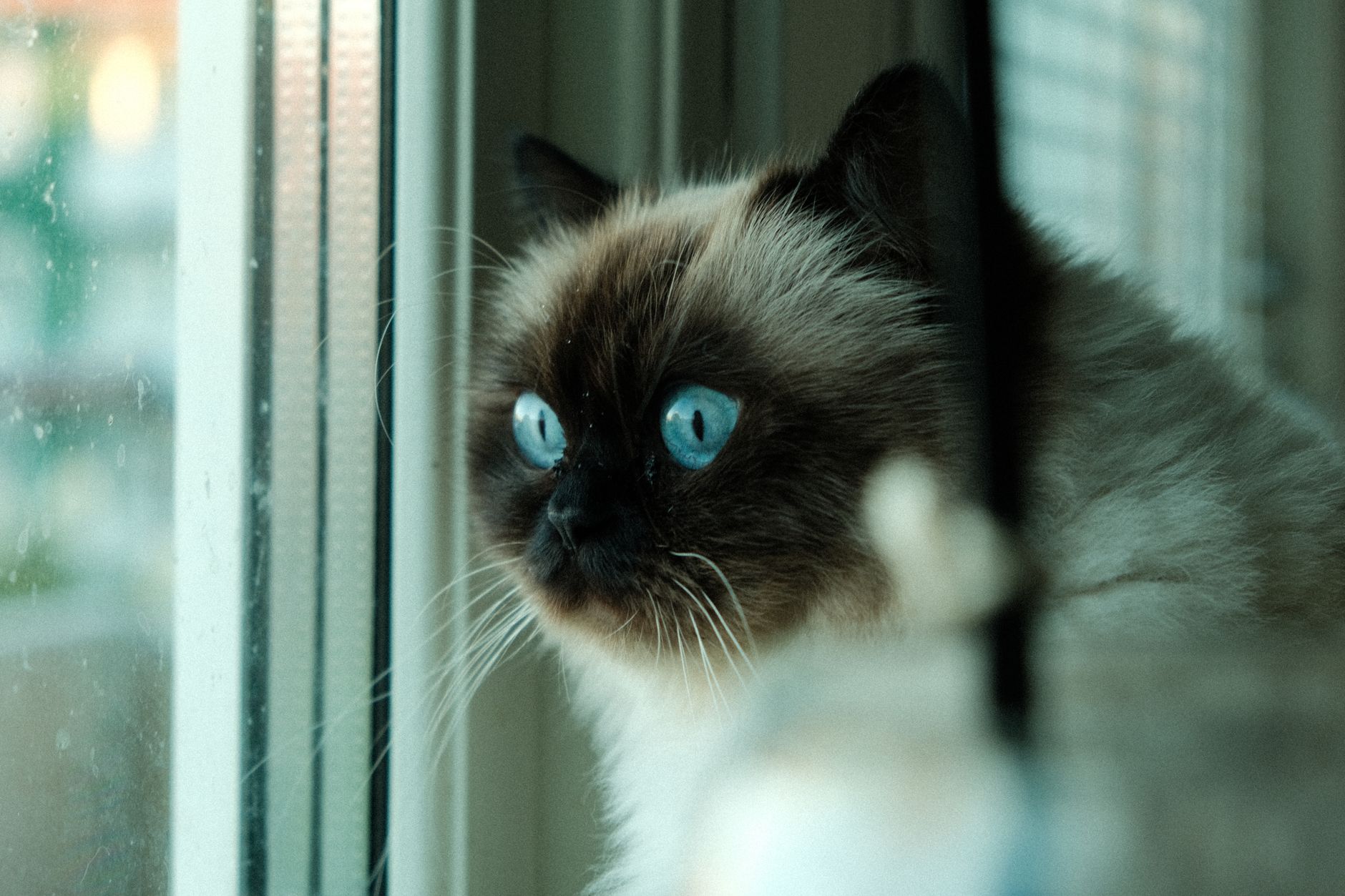
Thinking about bringing a fluffy, long-haired feline into your home and trying to decide between a Birman and a Balinese? It’s a common dilemma because, let’s be honest, they look remarkably similar at first glance. Both boast that stunning semi-longhaired coat, those captivating blue eyes, and a generally sweet disposition. But poke a little deeper, and you’ll find they’re distinct breeds with unique histories and subtle (and not-so-subtle) differences in personality, coat care, and even their origins. I’ve spent a good chunk of time with both breeds, and while I adore them equally, understanding these distinctions is key to finding the perfect companion for your lifestyle. For instance, did you know the Balinese is essentially a long-haired Siamese, while the Birman’s origins are shrouded in legend and tied to ancient temples? That alone tells you a lot about their potential temperaments and even their physical predispositions. Let’s break down exactly what sets these two beautiful breeds apart, so you can make an informed choice and avoid any surprises down the line.
Coat and Appearance: More Than Just Pretty Fur
When you first see a Birman and a Balinese, the immediate thought is “wow, long-haired Siamese!” and you’re not entirely wrong, especially with the Balinese. However, the details in their coats and overall appearance are where the divergence begins. Birmans are known for their striking “gloves” – white paws that look like they’re wearing little mittens. This is a defining characteristic, and breeders carefully select for this trait. Their coat is semi-long, with a silky texture that doesn’t mat as easily as a Persian’s, for example. It’s shorter on the face and shoulders and lengthens towards the tail. The Birman’s body is typically sturdy and muscular, giving them a substantial presence. Their eyes are always a deep, vivid blue, set in a rounded face with a strong chin. The colorpoint pattern is also present, meaning their ears, face, paws, and tail are darker than their body, which is usually a pale cream or white. I remember one Birman, ‘Snowflake,’ who had the most perfect white gloves you ever did see – they were so distinct and symmetrical, it was like he’d dipped his paws in paint.
The Balinese, on the other hand, is often described as the long-haired version of the Siamese. This means their coat is typically longer all over, especially on the tail, which can be quite plumed. While they also have a colorpoint pattern and blue eyes, their coat texture can vary. Some have a fine, silky coat, while others might have a slightly denser undercoat. They tend to be more slender and elegant in build than Birmans, with a wedge-shaped head and large ears, very reminiscent of their Siamese ancestors. The lack of a dense undercoat on many Balinese cats means their coat, while long, is less prone to matting than you might expect, though regular grooming is still essential. A key difference from the Birman is the absence of the characteristic “gloves.” Balinese cats can have any of the Siamese colors, and their paws are typically the same color as their points. I once met a Balinese named ‘Azure’ whose tail was so full and fluffy, it looked like a plume of smoke trailing behind her – a real showstopper!
Temperament and Personality: The Inner Cat
When it comes to personality, both breeds are generally considered affectionate and people-oriented, but there are nuances. Birmans are often described as having a “dog-like” personality. They are playful, curious, and enjoy being involved in whatever their humans are doing. They tend to be gentle and quiet, not overly demanding, but they certainly appreciate attention and interaction. Birmans can be quite social and often get along well with children and other pets when properly introduced. They are intelligent and can be trained to do simple tricks, which speaks to their willingness to engage with their families. I’ve observed that Birmans often have a calm demeanor, even when playing. They’re not usually hyperactive but have bursts of playful energy. They’re the kind of cat that will follow you from room to room, happy to just be in your presence, perhaps even curling up at your feet while you work. They possess a quiet confidence and a deep sense of loyalty.
Balinese cats, stemming from the Siamese lineage, tend to be more vocal and outgoing. If you’re looking for a cat that will “talk” to you, the Balinese might be your pick. They are known for their distinctive voices, which can range from soft chirps to more insistent meows, especially when they want something. They are highly intelligent, active, and can be quite mischievous. Balinese cats thrive on interaction and can become bored or even anxious if left alone for long periods without stimulation. They are very affectionate and form strong bonds with their families, often seeking out laps and cuddles. Their playful nature often extends well into adulthood. I recall a Balinese named ‘Siren’ who would greet me at the door with a series of meows, clearly letting me know her dinner preferences. They are curious explorers and love to investigate every nook and cranny of their environment. Their energy levels are generally higher than Birmans, requiring more active playtime and mental engagement.
Grooming Needs: A Tale of Two Coats
This is a significant area where the breeds differ, despite both having longish fur. The Birman’s coat is often described as having a fine, silky texture with minimal undercoat. This is a huge advantage when it comes to grooming. While they still need regular brushing to keep their coat looking its best and to prevent any minor tangles, it’s generally much easier to manage than that of many other long-haired breeds. A good brushing session a few times a week, perhaps 2-3 times, should be sufficient to keep mats at bay and remove loose hair. I find a good quality slicker brush or a wide-toothed comb works wonders on a Birman’s coat. The lack of a dense undercoat means they shed less profusely than some breeds, and their coat doesn’t tend to get those dreaded “butt ruffles” or severe matting behind the ears if you’re reasonably consistent. They don’t typically require daily grooming, which is a relief for many owners.
The Balinese, while also having a beautiful coat, can sometimes present more grooming challenges depending on the individual cat. Because they are essentially a long-haired Siamese, their coat can be longer and, in some lines, might have a slightly denser undercoat than the Birman. This means they might require more frequent brushing, perhaps closer to 3-4 times a week, or even daily during shedding seasons, to prevent matting. The tail, in particular, can become quite fluffy and prone to tangles. Using a comb with widely spaced teeth and paying special attention to areas like the armpits, belly, and behind the ears is crucial. If a Balinese does develop mats, they can be more difficult to work out due to the potential for a denser coat. While many Balinese have a fine coat, it’s something to be aware of. I’ve found that introducing a grooming routine early, even from kittenhood, makes a huge difference in how accepting a Balinese is of being brushed. It’s a good idea to have a detangling spray on hand, just in case.
Health Considerations: What to Watch For
Both the Birman and the Balinese are generally healthy breeds, but like all purebred cats, they can be predisposed to certain genetic conditions. For Birmans, a notable concern is a condition called pyruvate kinase deficiency (PKD), a type of anemia. Reputable breeders will screen their cats for this. Another potential issue, though less common, is hypertrophic cardiomyopathy (HCM), a heart condition that affects many cat breeds. Eye issues, such as strabismus (crossed eyes), can also occur, though it’s less prevalent than in some other pointed breeds. Generally, Birmans have a good life expectancy, often living between 12 to 16 years, sometimes longer with excellent care. When I’ve spoken with Birman owners, they often report their cats being robust, with few major health complaints beyond the typical age-related issues. It’s always wise to seek out a breeder who performs genetic testing and can provide health clearances for the parents.
Balinese cats, sharing ancestry with the Siamese, can inherit some of the same health concerns. Progressive retinal atrophy (PRA) is a condition that can lead to blindness and is seen in Siamese and related breeds like the Balinese. Again, responsible breeders test for this. HCM is also a concern for Balinese cats, so inquire about heart health in the lineage. Dental issues can also be more common in Siamese-derived breeds due to their head structure. Like Birmans, Balinese cats typically have a lifespan of 12 to 16 years. Some Balinese cats may also exhibit a slight tremor or “wobble” in their hindquarters, particularly when excited or stressed, which is thought to be a residual trait from their Siamese heritage. While not typically debilitating, it’s something to be aware of. Understanding these potential issues allows you to have informed discussions with your veterinarian and be proactive about your cat’s health. Consulting with a vet experienced with purebred cats is always recommended, and expect annual check-ups to cost in the range of $150-$300, with potential for specialized diagnostics costing more.
Activity Level and Playfulness: Keeping Them Engaged
When considering the energy levels, the Birman leans towards being moderately active. They enjoy playing and are curious about their surroundings, but they aren’t typically the type of cat to zoom around the house at 3 AM. Their play sessions are often characterized by thoughtful stalking, pouncing, and batting at toys. They appreciate interactive play with their owners, such as feather wand chasing or playing fetch with a small toy. Their intelligence means they benefit from puzzle feeders and opportunities to explore vertical spaces, like cat trees. I’ve noticed that Birmans often have a very endearing way of playing; they’re not usually destructive, but rather engage with a gentle enthusiasm. They are happy to entertain themselves for periods, but they genuinely relish dedicated playtime with their families. Providing them with a few well-placed toys and a stimulating environment is usually sufficient to keep a Birman content.
The Balinese, on the other hand, is generally a much more active and energetic cat. They are known for their athleticism and love of play. Expect them to be more inclined towards climbing, jumping, and exploring. Interactive play is not just a preference for a Balinese; it’s a necessity to keep them happy and prevent boredom. They excel at games like fetch, and many enjoy learning tricks. Their intelligence and high energy mean they can become restless or even destructive if they don’t have enough outlets for their energy. Providing a variety of toys, including those that challenge their minds, and ensuring they have plenty of vertical space is crucial. I’ve found that a good cat tree or wall shelves can make a world of difference for a Balinese. They often retain their playful kitten-like antics well into adulthood, so be prepared for a feline companion who wants to engage in spirited play sessions regularly. For a Balinese, I’d recommend at least 20-30 minutes of dedicated interactive play daily.
Vocalization: The Chatty vs. The Quiet
One of the most striking differences between Birmans and Balinese cats lies in their vocalization habits. Birmans are generally considered to be quiet cats. While they will certainly meow to get your attention, express their needs, or greet you, their voices are typically soft and not overly persistent. They are not the kind of cats who will engage in lengthy, loud conversations. Their meows are often described as melodious or gentle. This quiet nature makes them well-suited for households where excessive noise might be an issue, or for owners who prefer a more serene feline companion. I’ve found that when a Birman meows, it’s usually for a good reason – they’re hungry, want to be petted, or are alerting you to something. They don’t tend to meow just for the sake of it. It’s a subtle form of communication that doesn’t overpower the household.
In stark contrast, Balinese cats are renowned for their vocal nature. As descendants of the Siamese, they have inherited that characteristic “talkative” trait. They are not shy about using their voices to communicate their desires, opinions, or simply to engage with their humans. Their meows can range from soft chirps and trills to more insistent, demanding calls. If you’re looking for a cat that will actively participate in conversations and let you know exactly what’s on their mind, the Balinese is a great choice. However, if you prefer a quieter home environment, this might be a significant consideration. I’ve experienced Balinese cats who would “narrate” their entire day, offering commentary on everything from the birds outside the window to the contents of their food bowl. Their vocalizations are a significant part of their personality, and while some find it endearing, others might find it a bit much. It’s important to understand that this is a breed trait, not a sign of distress.
Conclusion: Which Breed is Right for You?
Deciding between a Birman and a Balinese ultimately comes down to your lifestyle and what you’re looking for in a feline companion. If you desire a gentle, affectionate, and relatively quiet cat with beautiful blue eyes and a luxurious coat that’s surprisingly easy to care for, the Birman might be your perfect match. They are wonderful family pets, adaptable and loving, and their moderate energy levels make them a joy to live with. Their unique “gloves” are a charming visual identifier, and their calm demeanor is truly special. On the other hand, if you’re drawn to a more vocal, highly interactive, and energetic cat that will truly be a conversationalist in your home, the Balinese could be the ideal choice. They are intelligent, playful, and deeply affectionate, but they require more engagement and stimulation. Their striking Siamese-like beauty and their chatty nature are captivating. Both breeds offer immense love and companionship, but understanding these key differences in coat care, temperament, and vocalization will help you make the best decision for both you and your future furry family member.
Frequently Asked Questions
Are Birmans or Balinese cats better for first-time cat owners?
For first-time cat owners, the Birman often presents a slightly easier entry point. Their grooming needs are more manageable, and their quieter, more laid-back temperament can be less overwhelming than the highly vocal and energetic Balinese. Birmans are generally very adaptable and less prone to developing behavioral issues due to boredom. However, any new cat owner should be prepared for the commitment of time, resources, and love required for any feline companion. Both breeds are affectionate, but the Birman’s gentler nature might be more forgiving for those still learning the ropes of cat care.
Which breed sheds more, the Birman or the Balinese?
This can vary depending on the individual cat and the specific coat type within each breed. However, generally speaking, the Balinese *can* shed more and *may* have a coat that requires more diligent grooming due to a potentially denser undercoat. The Birman’s coat is typically finer and has less undercoat, making it less prone to matting and potentially leading to less noticeable shedding for some owners. Despite this, both are long-haired breeds and will shed, so regular grooming is essential for both to manage loose hair and keep their coats healthy.
Can Birmans and Balinese cats live happily with other pets?
Yes, both Birmans and Balinese cats can generally coexist well with other pets, including dogs and other cats, provided they are properly introduced. Birmans, with their gentle and adaptable nature, often integrate smoothly into multi-pet households. Balinese cats, being more energetic and sometimes more dominant due to their Siamese heritage, might require a slightly more careful introduction process. Early socialization is key for both breeds. It’s always recommended to introduce new pets slowly and under supervision, ensuring each animal has its own safe space and resources.
Are there any significant differences in their dietary needs?
There are no significant breed-specific dietary needs that fundamentally differentiate Birmans and Balinese cats. Both breeds thrive on a high-quality diet formulated for cats, typically consisting of a high percentage of animal protein. Wet food is often recommended to ensure adequate hydration, while a good quality dry kibble can be offered for dental health and convenience. Factors like age, activity level, and any specific health conditions will influence their exact dietary requirements more than their breed. Always consult with your veterinarian for personalized dietary recommendations for your specific cat, ensuring they receive a balanced diet that meets their nutritional needs. For example, a highly active Balinese might require slightly more calories than a less active Birman.
Related from our network
- Budgie Care Sheet – Petmd (dogbreedco)
- Best Standing Desk Converter Of 2025: Our Top Picks For Height … (pulsegearreviews)
- Stressed? Try Sticking Out Your Tongue For 40 Seconds (groundinge)
🐾 Our Top Pick
Editor’s Pick: A roomy, multi-level cat cage for secure containment.
For the Love of Your Pet
Care guides, breed insights, and gentle advice for happier pets.