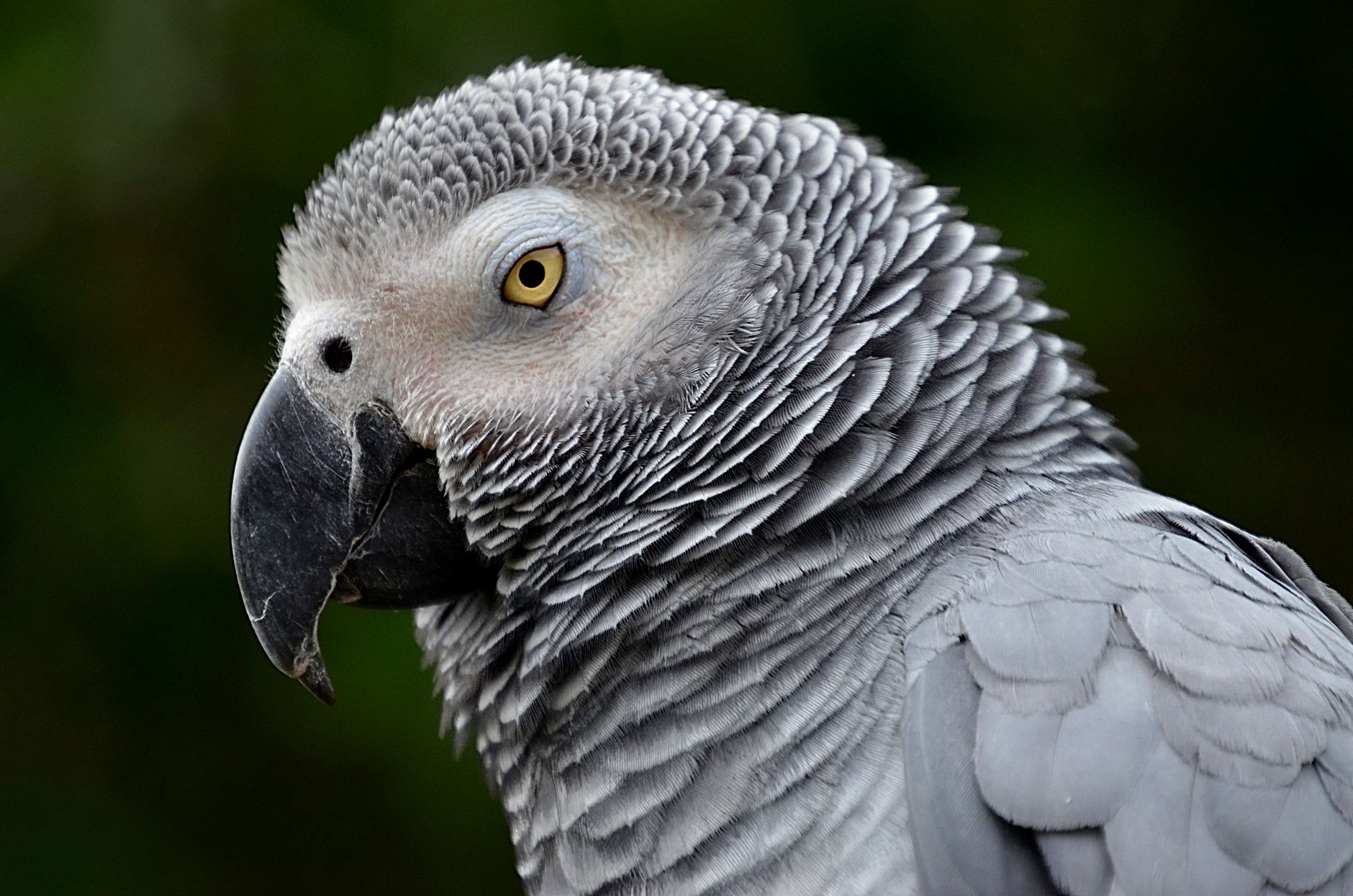
So, you’re eyeing a parrot that can truly hold a conversation, not just mimic sounds? You’ve narrowed it down to two heavyweights: the African Grey and the Amazon. Both are incredibly intelligent, capable of astonishing feats of learning and social interaction. But here’s the kicker – they’re not interchangeable. Choosing between them is less about picking a “better” bird and more about finding the right fit for *your* life. I’ve spent countless hours with both species, and let me tell you, their personalities are as distinct as their plumage. An African Grey can be a philosophical, sometimes brooding companion, while an Amazon is often a boisterous, life-of-the-party type. We’re talking about birds that can live for 50-80 years, so this isn’t a decision to rush. Forget the glossy magazine pictures; we need to get down to the nitty-gritty of daily life, potential challenges, and what makes each species tick. Are you ready to understand the real differences, beyond just their looks?
17 min read
In This Article
- African Grey vs. Amazon: The Personality Spectrum
- Housing Requirements: Space and Safety First
- Dietary Needs: More Than Just Seeds
- Training and Mental Stimulation: Keeping Their Brilliant Minds Busy
- Health Concerns and Lifespan: Long-Term Commitments
- The Cost of Ownership: Beyond the Initial Purchase
- Companion Compatibility: Who Else is in the Flock?
- Frequently Asked Questions
Key Takeaways
- African Grey vs. Amazon: The Personality Spectrum
- Housing Requirements: Space and Safety First
- Dietary Needs: More Than Just Seeds
- Training and Mental Stimulation: Keeping Their Brilliant Minds Busy
African Grey vs. Amazon: The Personality Spectrum
When people talk about intelligent parrots, African Greys, particularly the Congo African Grey (Psittacus erithacus), immediately come to mind. They are renowned for their cognitive abilities, often compared to a toddler’s intelligence. Dr. Irene Pepperberg’s groundbreaking work with Alex the Grey demonstrated their capacity for understanding concepts like color, shape, and number. My own Grey, Pip, would often “ask” for specific toys by name, and if I handed him the wrong one, he’d patiently correct me with a very clear “No, the *red* block!” This level of understanding is profound. However, this intelligence also means they can become bored, frustrated, or even depressed if not adequately stimulated. They can be sensitive, sometimes a bit reserved, and prone to developing strong bonds with one primary caregiver. This can lead to what’s often called “velcro bird syndrome,” where they become overly dependent and anxious when separated from their favorite person.
Amazon parrots, on the other hand, are typically the life of the avian party. Species like the Double Yellow-Headed Amazon (Amazona oratrix) or the Blue-Fronted Amazon (Amazona aestiva) are known for their outgoing, comical, and sometimes mischievous personalities. They love to be involved in everything happening in the household, often mimicking sounds associated with those activities – doorbells, phones, even your laughter. My friend Sarah’s Blue-Front, Rico, has a repertoire that includes the microwave beep, the dog’s bark, and her husband’s distinct snore. While incredibly engaging and fun, this boisterous nature can also translate into a tendency towards being loud, demanding attention, and, if not properly socialized or trained, can develop a stubborn streak. They often enjoy being part of a “flock” (your family) and can be more adaptable to different people than some Greys, though they still form strong bonds.
So, the fundamental difference? Greys often lean towards thoughtful, observant, and deeply bonded companionship, sometimes with a touch of neurosis if their needs aren’t met. Amazons tend to be gregarious, energetic, and attention-loving clowns, thriving on interaction and a lively environment. Neither is inherently “better,” but one will likely align more with your lifestyle and expectations. If you’re looking for a bird that might sit quietly with you, engaging in complex “conversations,” a Grey might be your pick. If you want a feathered comedian who will join in on family antics and fill your home with sound, an Amazon could be the one.
If you want a feathered comedian who will join in on family antics and fill your home with sound, an Amazon could be the one.
Housing Requirements: Space and Safety First
When it comes to housing, both species demand significant space, but the specifics differ. For an African Grey, I’d recommend a minimum cage size of 36 inches wide, 30 inches deep, and 48 inches high. This might sound large, but remember, these birds are active and need room to climb, play, and spread their wings. The bar spacing is crucial; for Greys, it should be no more than 3/4 inch. Too wide, and they could injure themselves or even escape. I learned this the hard way with an early foster bird who managed to get its head stuck in slightly-too-wide bars. Always prioritize sturdy construction; Greys can be powerful chewers. Brands like Prevue Pet Products or A&E Cages offer good stainless steel options that are durable and relatively easy to clean. Think about the environment too: a cage near a window for natural light (but out of direct sun) and a consistent, safe family area is ideal. Avoid placing their cage in high-traffic, noisy areas like kitchens where fumes can be a hazard, or in isolated rooms where they might feel neglected.
Amazon parrots, generally speaking, also need substantial enclosures. For most medium-sized Amazon species, a cage of 30 inches wide, 30 inches deep, and 40 inches high is a good starting point, though larger is always better. Like Greys, 3/4 inch bar spacing is generally appropriate, but some larger Amazon species might benefit from slightly wider spacing (up to 1 inch), though this requires careful supervision. Again, stainless steel is the gold standard for durability and safety. A cage designed for macaws, like the large aviaries from HQ Cages, can provide ample room for an Amazon to climb and play, especially if they have a tendency to be more rambunctious. The key for Amazons is providing plenty of perches at varying diameters (to exercise their feet), a variety of safe toys (they are notorious for destroying toys quickly!), and a secure environment. They often enjoy being able to see and interact with their family, so a central location is usually preferred, but ensure it’s not so chaotic that they become overstimulated.
Beyond the cage itself, enrichment is non-negotiable. For both species, aim for a variety of toys: foraging toys, destructible toys (like balsa wood or cardboard), and puzzle toys. Rotate these toys regularly to keep their minds engaged. A foraging toy, where the bird has to work to get a treat, is fantastic for both Greys and Amazons, tapping into their natural instincts. For an African Grey, a complex foraging puzzle that requires problem-solving can keep them occupied for a good hour. For an Amazon, a brightly colored destructible toy they can shred might be their favorite. Think about a play stand outside the cage, too. This offers additional space for interaction, training, and exercise. A good quality stand, like the Avian Adventures Coco Playtop, can be a great investment for either species.
A good quality stand, like the Avian Adventures Coco Playtop, can be a great investment for either species.
Dietary Needs: More Than Just Seeds
Feeding an intelligent parrot like an African Grey or an Amazon requires a balanced approach, moving far beyond the old seed-and-water diet. In fact, seed-only diets are detrimental, leading to obesity, liver disease, and nutritional deficiencies. For both species, a high-quality pelleted diet should form the foundation, making up about 60-70% of their daily intake. Brands like Harrison’s Bird Foods (specifically their High Potency or Adult Lifetime formulas) or Roudybush are excellent choices, formulated to provide essential vitamins and minerals. I transitioned my own Grey to Harrison’s a few years ago, and his feather quality visibly improved within months. It’s a gradual process, often requiring patience and creative presentation to get them to accept the change, but it’s worth every effort.
The remaining 30-40% of their diet should consist of fresh foods. This is where you can really cater to their individual preferences and provide a wide array of nutrients. Think a colorful mix of vegetables: leafy greens like kale, spinach, and romaine lettuce (in moderation due to oxalates), bell peppers, carrots, broccoli, sweet potatoes (cooked), and peas. Fruits can be offered in smaller quantities due to their sugar content, but a few berries, a slice of apple, or a small piece of mango can be a healthy treat. For both Greys and Amazons, I like to offer a “chop” – a finely diced mix of various vegetables and a small amount of fruit, prepared fresh daily. This ensures they get a broad spectrum of vitamins and minerals. Some owners also incorporate cooked grains like quinoa or brown rice, and lean proteins like cooked chicken or beans a couple of times a week. Always avoid avocado, chocolate, caffeine, and alcohol, as these are toxic to parrots.
For an African Grey, variety is key to keeping their intelligent minds engaged with their food. They can become fixated on one food item, so introducing new vegetables and grains regularly is important. For an Amazon, who might be more enthusiastic eaters, ensuring they don’t overindulge in high-sugar fruits is a priority. Think of it this way: a Grey might meticulously pick apart a complex foraging toy filled with different seeds and pellets, while an Amazon might enthusiastically dive into a bowl of brightly colored chop. Both species benefit from a healthy calcium source, such as a cuttlebone or a mineral block, available in their cage at all times. Water should be fresh and changed daily, or more often if soiled. Remember, a well-balanced diet is fundamental to preventing common health issues like feather plucking (especially in Greys) and obesity (a risk for many Amazon species).
Water should be fresh and changed daily, or more often if soiled.
Training and Mental Stimulation: Keeping Their Brilliant Minds Busy
Training a parrot is not about dominance; it’s about building trust and communication. African Greys, with their advanced cognitive abilities, are phenomenal learners. They excel at mimicry, understanding context, and even problem-solving. Positive reinforcement techniques, using treats and praise, are incredibly effective. Target training, where they touch a target stick for a reward, is a great starting point for teaching them to step up, move between perches, or even perform simple tricks. I’ve found that Greys respond well to consistent, calm training sessions, ideally 10-15 minutes, twice a day. They can learn to associate specific words with actions or objects. For example, teaching your Grey the names of different toys and then asking for them by name. However, it’s crucial to understand that Greys can also use their intelligence to manipulate or test boundaries. If they learn that biting gets them attention (even negative attention), they might resort to it. Patience and consistency are your best friends here. Avoid punishment-based training, which can erode trust and lead to fear or aggression.
Amazon parrots are equally capable of learning but often approach training with more exuberance and less deliberation than Greys. They are highly social and thrive on interaction, so training sessions should be fun and engaging. They often enjoy learning phrases and songs and can be quite theatrical performers. Amazons can also be trained using positive reinforcement, and target training is equally useful. Their tendency to be louder means they might “talk” more readily than a Grey, but the depth of their understanding can vary. A key aspect of training Amazons is managing their energy and potential for stubbornness. If an Amazon decides they don’t want to do something, they can be quite resolute! Keeping training sessions short, varied, and highly rewarding is essential. Think of it as a game rather than a lesson. For instance, teaching an Amazon to wave or talk on command can be a fun, interactive process that strengthens your bond. They can also learn to associate sounds with actions, but their motivation might be more about participating in the “fun” than the intellectual challenge.
For both species, mental stimulation goes hand-in-hand with training. Boredom is the enemy. Provide a constant rotation of toys – foraging toys, shreddable toys, puzzle toys, even simple cardboard tubes can provide hours of entertainment. Foraging is a natural behavior and incredibly enriching. You can hide treats or pellets in a paper cup or a specialized foraging toy. This taps into their natural instincts and keeps their minds sharp. A Grey might spend a long time methodically working through a complex puzzle feeder, while an Amazon might enjoy a simpler foraging activity that allows for more boisterous interaction. Beyond toys, interaction with you is paramount. Talking to them, including them in family activities (safely, of course), and offering new experiences (like supervised outings in a bird carrier) are all vital for their mental well-being. A mentally stimulated parrot is a happy, healthy parrot, less prone to behavioral issues like feather plucking or excessive screaming.
A mentally stimulated parrot is a happy, healthy parrot, less prone to behavioral issues like feather plucking or excessive screaming.
Health Concerns and Lifespan: Long-Term Commitments
African Greys are generally robust birds, but they are prone to specific health issues that owners must be aware of. Feather plucking is perhaps the most well-known and distressing problem, often stemming from psychological issues like boredom, stress, anxiety, or inadequate diet. Ensuring proper mental stimulation, a balanced diet (low fat, high vitamin A), and a stable environment are crucial preventative measures. Another concern is Psittacine Beak and Feather Disease (PBFD), a viral infection that can be devastating. While there’s no cure, good hygiene and sourcing birds from reputable breeders who test their stock can minimize risk. Respiratory issues can also arise, especially in environments with airborne toxins (like non-stick cookware fumes or aerosols). Regular veterinary check-ups with an avian veterinarian are non-negotiable. Expect annual check-ups to cost between $75 and $150, with emergency visits potentially running $200-$500 or more, depending on diagnostics and treatment. African Greys have a long lifespan, typically 40-60 years, with many living into their 70s and beyond with excellent care.
Amazon parrots are also generally healthy birds, but they have their own predispositions. Obesity is a common problem, particularly in older or less active birds, often linked to diets high in fat and sugar. This can lead to liver issues, heart disease, and other complications. A balanced diet with plenty of fresh vegetables and limited high-sugar fruits is vital. Some Amazon species are prone to developing lipomas (fatty tumors), which may require surgical removal. Kidney disease and cataracts can also be concerns as they age. Like Greys, they are susceptible to respiratory problems if exposed to toxins. Regular avian vet visits are essential, with similar cost expectations as for Greys: $75-$150 for annual check-ups and $200-$500+ for emergencies. Amazons also boast a long lifespan, often 50-75 years, with some individuals living even longer. This longevity means they are truly a lifelong commitment, often outliving their owners.
Regardless of species, choosing a bird from a reputable breeder who prioritizes health and genetic diversity is paramount. Look for breeders who can provide health clearances for common avian diseases and who raise their birds in clean, stimulating environments. When you bring your new parrot home, establish a relationship with an avian veterinarian immediately. These specialized vets have the knowledge to diagnose and treat avian-specific conditions. Don’t wait for a problem to arise; preventative care is key to ensuring your feathered companion lives a long, healthy, and happy life. Remember, the commitment to a parrot is significant, measured in decades, and requires ongoing financial and emotional investment in their well-being.
Remember, the commitment to a parrot is significant, measured in decades, and requires ongoing financial and emotional investment in their well-being.
The Cost of Ownership: Beyond the Initial Purchase
Let’s talk brass tacks: owning an African Grey or an Amazon parrot is a significant financial commitment, extending far beyond the initial purchase price. The bird itself can range from $1,000 to $3,000, depending on the species, breeder, and availability. However, this is just the tip of the iceberg. A high-quality, appropriately sized cage for an African Grey, like a Prevue F080 37-inch wrought iron cage, can cost between $300 and $600. For an Amazon, a similarly robust cage might be in the $250-$500 range. Then there are the toys. Parrots, especially parrots as intelligent and destructive as Greys and Amazons, need a constant supply of new toys to prevent boredom and destructive behaviors. Budget at least $30-$50 per month for new toys, foraging items, and perches. High-quality pellets and fresh food also add up. A 3-pound bag of Harrison’s Bird Foods can cost around $30-$40 and might last a month or two, depending on the bird. Add to this fresh produce, and your monthly food bill could easily be $50-$100.
Veterinary care is another major expense. As mentioned, annual check-ups can range from $75 to $150. However, unexpected illnesses or injuries can lead to bills of $300-$1,000 or more for diagnostics, medications, and potential surgeries. Many owners opt for avian-specific pet insurance, which can cost $30-$60 per month per bird, but can significantly offset unexpected vet costs. Factor in grooming supplies (nail trims, wing trims if desired), cleaning supplies, and potential bird-sitting fees if you travel. A rough estimate for the first year’s expenses, including the bird, cage, initial toys, food, and vet visit, could easily be $2,000-$4,000. Subsequent years might range from $800 to $1,500 annually, primarily for food, toys, and routine vet care, with the potential for higher costs due to unexpected health issues.
When considering the long-term financial aspect, remember the lifespan of these birds. An African Grey or an Amazon is a commitment of 50-80 years. This means you need to be prepared for ongoing costs for half a century or more. It’s wise to set up a dedicated savings account for your parrot’s expenses. Think about what happens if your circumstances change – who will care for your bird if you can no longer do so? This is a serious consideration for any long-lived pet. While the joy and companionship these birds bring are immeasurable, the financial responsibility is substantial and should not be underestimated. Being prepared for these costs upfront is a sign of responsible pet ownership and ensures you can provide the best possible care throughout your parrot’s long life.
Companion Compatibility: Who Else is in the Flock?
When considering companion compatibility for an African Grey, it’s important to remember their tendency to bond strongly with one individual. This doesn’t mean they can’t coexist with other pets or family members, but it requires careful management and socialization from a young age. If you have other birds, introducing a new Grey needs to be done slowly and cautiously, ideally in separate rooms initially, allowing them to acclimate to each other’s presence through sound and scent before supervised visual introductions. Greys can be sensitive to loud noises or sudden movements, so households with very young, boisterous children might present a challenge. They often thrive in calmer environments. If you have dogs or cats, extreme caution is advised. Even a well-meaning nudge from a larger dog could be fatal to a parrot. Supervised interactions only, and often, it’s best to keep them entirely separate. For a Grey, a quiet, stable home with a primary caregiver who has ample time for interaction and training is ideal.
Amazon parrots, being generally more gregarious and adaptable, can sometimes integrate more easily into a busy household, but this isn’t a guarantee. They often enjoy being part of the family “flock” and can become quite vocal participants in household activities. However, their boisterous nature means they can sometimes overwhelm shyer birds or pets. If you have other parrots, an Amazon might be more inclined to interact, but introductions still need to be gradual and supervised. Their tendency to be loud can also be a factor; if you have other birds that are sensitive to noise, an Amazon might not be the best fit. When it comes to dogs and cats, the same caution applies as with African Greys – supervision is paramount, and complete separation might be the safest option. Amazons often do well in homes where there’s a good amount of activity and family interaction, provided they receive consistent attention and training to manage their energy and vocalizations.
For both species, it’s crucial to understand that introducing a new parrot to an existing pet, or vice versa, is a process that requires patience, observation, and a commitment to safety. Never leave pets unsupervised together, especially during the initial introduction phases. Observe body language closely – signs of stress, fear, or aggression in any animal should be a cue to back off and try again later. If you have a very active, chaotic household with multiple pets and children, you might want to reconsider either species, or at least be prepared for significant training and management efforts. A single-pet household, or one with very calm, well-socialized animals, is often the safest bet for ensuring a harmonious environment for these intelligent and sensitive birds. Ultimately, the goal is a safe and enriching environment where your parrot can thrive, and that means assessing the existing dynamics of your home.
So, you’ve seen the contrast: the thoughtful, sometimes introspective African Grey versus the exuberant, social butterfly Amazon. Neither is a “beginner bird” in the traditional sense, but understanding these core differences can steer you toward the right choice. If you’re leaning towards the Grey, be prepared for deep bonding, complex interactions, and the need for consistent mental stimulation to prevent behavioral issues. If the Amazon calls to you, embrace the noise, the fun, and the constant engagement. My advice? Spend time with both species if you can. Visit reputable breeders, sanctuaries, or bird clubs. See which bird’s energy and interaction style resonates most with you. Don’t base your decision on looks alone; it’s the long-term compatibility that truly matters. For a truly interactive and potentially deeply communicative companion, I’d personally lean towards the African Grey for its uncanny ability to understand and engage, provided you have the time and patience to meet its intellectual needs. However, if your home is already buzzing with activity and you want a bird that will be a constant, vocal participant, the Amazon is an undeniable contender.
Small changes, real momentum
Get practical guides and templates you’ll actually use — a few thoughtful emails a month.
Frequently Asked Questions
Are African Greys and Amazon parrots good for first-time bird owners?
Honestly, neither African Greys nor Amazon parrots are generally recommended as first-time bird owner pets. Both species are highly intelligent, require significant social interaction, specialized diets, and extensive mental stimulation. They can develop behavioral problems like feather plucking or excessive screaming if their needs aren’t met, and their long lifespans (50-80 years) represent a massive commitment. Smaller, less demanding species like budgies or cockatiels are often better starting points for individuals new to parrot ownership. If you’re set on one of these larger, intelligent birds, be prepared for extensive research, time commitment, and a steep learning curve. It’s crucial to have a solid understanding of parrot behavior and care before bringing one home.
Which species is louder, the African Grey or the Amazon parrot?
Generally, Amazon parrots are significantly louder and more prone to vocalizations than African Greys. While African Greys can learn a vast vocabulary and mimic sounds with incredible clarity, they tend to be more selective about when and how they “talk.” They might have periods of quiet observation punctuated by clear phrases. Amazon parrots, on the other hand, often have a more constant presence of sound. They are known for their loud squawks, whistles, and ability to mimic household noises with gusto, often participating noisily in family activities. If you are sensitive to noise or live in an apartment with strict noise regulations, an Amazon parrot might present more challenges than an African Grey.
Can African Greys and Amazon parrots live together in the same cage?
Absolutely not. African Greys and Amazon parrots, like almost all parrot species, should never be housed together in the same cage. Even birds of the same species can have severe altercations, and housing different species together, especially two intelligent and potentially territorial birds like these, is extremely dangerous. They have different social structures, temperaments, and needs. Even if they seem to get along initially, a sudden squabble can result in serious injury or death. Each bird requires its own secure, appropriately sized cage, and introductions should only ever happen under strict, supervised conditions outside of their cages, and even then, with extreme caution and awareness of their individual personalities.
Which species is more prone to feather plucking?
African Greys are unfortunately more commonly associated with feather plucking than Amazon parrots. This often stems from their high intelligence and sensitivity. When an African Grey becomes bored, stressed, anxious, or feels inadequately stimulated, they can resort to self-mutilation by plucking their own feathers. While Amazon parrots can also pluck, it’s often linked more directly to dietary issues, environmental stress, or hormonal imbalances rather than the deep-seated psychological issues that can drive feather plucking in Greys. Preventing feather plucking in Greys requires a proactive approach focusing on a balanced diet, ample mental stimulation, a stable environment, and a strong bond with their caregiver.
Keep reading
For the Love of Your Pet
Care guides, breed insights, and gentle advice for happier pets.