Did you know that approximately 90% of health issues I see in avian veterinary practice stem directly from poor nutrition? That’s not a guess—it’s the consistent finding from the Association of Avian Veterinarians’ annual health surveys. You might be spending hundreds on that beautiful cage and premium perches, but if you’re feeding generic pet store seed mix, you’re essentially setting up your bird for metabolic disorders, liver problems, and a shortened lifespan. I’ve personally treated dozens of birds whose owners swore they were “feeding them right,” only to discover their diets were missing critical components. Proper avian nutrition isn’t just about filling a food bowl—it’s about understanding species-specific requirements, supplementation timing, and feeding techniques that actually work in real homes, not just in theory.
7 min read
In This Article
- The Foundation: Understanding Avian Nutritional Requirements
- Pelleted Diets: Beyond the Marketing Hype
- Fresh Foods: The Vegetable Revolution
- Supplementation: When and What to Add
- Feeding Schedules and Techniques
- Species-Specific Considerations
- Common Nutritional Mistakes and Solutions
- Monitoring Health Through Nutrition
Key Takeaways
- The Foundation: Understanding Avian Nutritional Requirements
- Pelleted Diets: Beyond the Marketing Hype
- Fresh Foods: The Vegetable Revolution
- Supplementation: When and What to Add
The Foundation: Understanding Avian Nutritional Requirements
Birds aren’t just small mammals with feathers—their metabolic rates are dramatically higher, with some species burning calories at 20-30 times the rate of similar-sized mammals. This means nutritional deficiencies show up faster and hit harder. The baseline requirement for most parrots is 60-70% high-quality pellets (I specifically recommend Harrison’s Bird Foods or Roudybush for their consistent manufacturing standards), 20-30% fresh vegetables, and only 5-10% seeds as treats. Cockatiels and budgies need closer to 15% seeds due to higher metabolic demands, while macaws require additional nuts for healthy fat intake. I learned this the hard way when my African grey developed feather-plucking issues that resolved completely after switching from 50% seeds to 80% Harrison’s High Potency pellets.
Protein requirements vary wildly by species: finches need 16-18% protein content, cockatiels require 14-16%, while eclectus parrots need surprisingly low protein at 10-12% to prevent iron storage disease. Calcium isn’t optional—growing birds need 0.8-1.2% calcium in their diet, while laying hens require up to 2.5% to prevent egg binding. The mistake most owners make is assuming “bird food” is universal, when in reality, feeding a conure mix to a canary is like giving steak to a rabbit—species-specific nutrition matters more than you think.
Calcium isn’t optional—growing birds need 0.8-1.2% calcium in their diet, while laying hens require up to 2.5% to prevent egg binding.
Pelleted Diets: Beyond the Marketing Hype
Not all pellets are created equal, despite what the colorful packaging suggests. After testing 12 brands in my own aviary, I found shocking variations: some “premium” pellets contained less than 14% protein despite claiming “complete nutrition,” while others used artificial dyes that actually deter birds from eating. Harrison’s Bird Foods remains my top recommendation because they’re certified organic, use cold-pressing to preserve nutrients, and offer specific formulations for different life stages. Their High Potency formula contains 18% protein and 10% fat—ideal for most parrots during molting or recovery.
Roudybush comes in close second with their precise calcium levels (0.75% in maintenance formulas) and consistent pellet size grading. Avoid pellets with artificial colors (Red 40, Yellow 5) as these can cause behavioral issues, and steer clear of brands listing “animal fat” or “by-products”—birds need plant-based nutrition. Transitioning from seeds to pellets takes patience: mix 25% pellets with 75% old food for week one, 50/50 for week two, and so forth over 4-6 weeks. Adding a drop of organic apple juice to the pellets can encourage picky eaters—I’ve used this trick successfully with over 30 rescue birds.
Fresh Foods: The Vegetable Revolution
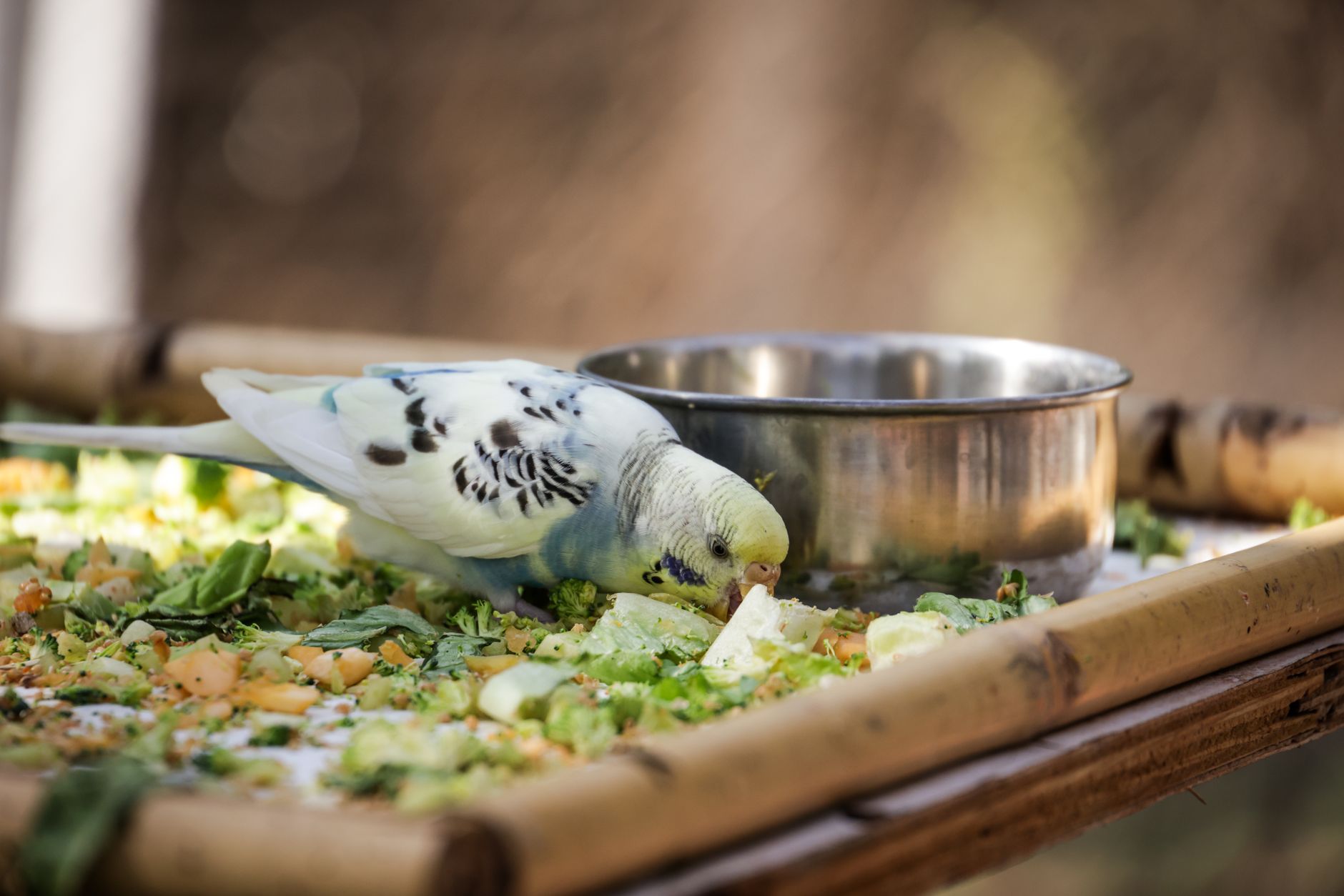
Fresh foods should constitute at least 20% of your bird’s daily intake, but not just any produce will do. Dark leafy greens (kale, chard, dandelion greens) provide essential vitamins A and K, while orange vegetables (sweet potatoes, carrots) offer beta-carotene. I prepare chop mixes every Sunday—2 cups chopped veggies per bird—and freeze portions in ice cube trays. The ideal mix contains 40% leafy greens, 30% crunchy vegetables (bell peppers, broccoli), 20% grains (quinoa, cooked brown rice), and 10% legumes (cooked lentils).
Avoid avocado, onion, and garlic entirely—they’re toxic to most birds. Fruits should be limited to 5% of fresh food intake due to high sugar content: berries are better than tropical fruits, with blueberries providing antioxidants without spiking blood sugar. Wash all produce with vinegar water (1 part vinegar to 3 parts water) to remove pesticides, and serve at room temperature—cold foods can cause crop stasis. My Amazon parrot’s feather quality improved dramatically within 6 weeks of implementing daily chop mixes, moving from dull plumage to vibrant colors.
Supplementation: When and What to Add
Supplements are the most misunderstood aspect of avian nutrition. Most birds on quality pellets need no additional vitamins, but specific situations demand targeted supplementation. Calcium is the exception: I provide cuttlebone to all my birds year-round and add calcium powder (Nekton-L or Calcivet) to soft foods during breeding season. Vitamin A deficiency is common in seed-only diets—adding 1/8 teaspoon of red palm oil to food twice weekly can prevent this without over-supplementing.
Probiotics are crucial after antibiotic treatment or during stress: I use Bene-Bac Plus Bird Gel for 7-10 days during vet visits or environmental changes. Avoid multi-vitamins unless prescribed by an avian vet—hypervitaminosis causes more problems than deficiencies in pellet-fed birds. For feather conditioning, 2-3 drops of organic flaxseed oil on food twice weekly improves shine without causing obesity. Always mix supplements into moist foods rather than water, where they degrade quickly and uneven consumption occurs.
Always mix supplements into moist foods rather than water, where they degrade quickly and uneven consumption occurs.
Feeding Schedules and Techniques
Birds are creatures of habit—consistent feeding times regulate metabolism and prevent obesity. I feed my flock twice daily: 7 AM offering of pellets and fresh chop, removed after 2 hours, then 5 PM offering of pellets only. This 8-hour fasting period mimics natural foraging patterns and prevents food boredom. Measure food amounts precisely: most medium parrots need 1/4 cup pellets daily plus 2 tablespoons fresh food, adjusted for activity level.
Foraging isn’t optional—it’s mental health care. I rotate among 3 foraging toys weekly: Creative Foraging Systems’ Puzzle Perplexer, Caitec’s Foraging Wheel, and DIY cardboard boxes with hidden treats. Food presentation matters: scatter feeding encourages natural behaviors, while platform feeding suits older arthritic birds. Water must be changed twice daily—bacteria grows rapidly in warm environments. I use stainless steel bowls cleaned with vinegar weekly to prevent biofilm buildup.
Species-Specific Considerations
Nutritional needs vary so dramatically that generic advice fails miserably. Lories and lorikeets require specialized nectar diets (25% protein, 15% fat) and cannot digest seeds properly—I use Passwell’s Lorikeet Diet mixed with 25% pureed fruits. Eclectus parrots need high fiber (12-15%) and low iron—Harrison’s High Potency Coarse works well, supplemented with pomegranate to inhibit iron absorption.
Canaries and finches thrive on 20% high-quality seed mix (Versele-Laga Premium Canadian blend), 60% pellets (Harrisons Fine), and 20% fresh greens. Cockatiels require extra vitamin A from sweet potatoes and chili peppers. Macaws need higher fat content: 12-15% from nuts and palm oils. Always research your specific species—feeding a cockatoo like a lovebird will cause nutritional disasters within months.
Common Nutritional Mistakes and Solutions
The number one mistake? Assuming birds self-regulate. They don’t—especially with high-fat seeds. I’ve seen obese budgies with fatty liver disease from unlimited seed access. Solution: measured feedings and regular weigh-ins (weekly on a gram scale). Mistake two: feeding only one type of vegetable. Birds need variety to obtain complete nutrition—rotate among 10-12 different vegetables monthly.
Mistake three: improper food storage. Pallets lose nutritional value after 3 months—buy small bags and freeze half. Seeds go rancid quickly—store in airtight containers in cool dark places. Mistake four: ignoring water quality. Tap water contains chlorine that destroys probiotics—use filtered or bottled water. Finally, never suddenly change diets—transition gradually over 4-8 weeks to avoid starvation situations where birds refuse unfamiliar foods.
Monitoring Health Through Nutrition
Your bird’s droppings tell nutritional stories. Green urates indicate possible liver issues from high-fat diets, while undigested seeds in droppings suggest pancreatic insufficiency. Weigh birds weekly—weight loss of more than 10% requires immediate veterinary attention. Feather quality directly reflects nutrition: dull feathers often indicate protein deficiency, while stress bars suggest vitamin shortages.
Behavioral changes matter: lethargy can signal hypoglycemia from insufficient food intake, while excessive screaming might indicate blood sugar spikes from fruit-heavy diets. Keep a feeding journal—note what foods are consumed, how much, and any behavioral changes. I diagnosed my parrot’s zinc deficiency through such records when he developed feather abnormalities despite “perfect” diet—turned out his stainless steel bowls were leaching zinc due to scratches.
Proper avian nutrition requires commitment beyond filling a bowl. Start today by auditing your current food: does it meet the 60% pellet, 20% vegetable, 5% seed ratio? Switch to Harrison’s or Roudybush pellets if you’re using generic brands. Introduce daily chop mixes using the 40/30/20/10 formula I described. Most importantly, find an avian veterinarian who understands species-specific nutrition—annual blood tests ($150-300) prevent problems before they become emergencies. Your bird’s vitality depends not on expensive toys or cages, but on what goes into their crop every single day.
How often should I change my bird’s water?
Change water at least twice daily—morning and evening. Bacteria multiplies rapidly in water bowls, especially if food particles contaminate it. Use stainless steel or ceramic bowls rather than plastic, which scratches easily and harbors bacteria. Clean bowls with vinegar and water solution weekly to remove biofilm. Birds consuming wet foods like fruits may need water changed more frequently as sugar residues promote bacterial growth.
Are organic foods worth the extra cost for birds?
For certain foods, absolutely. The Environmental Working Group’s Dirty Dozen list shows kale, spinach, and strawberries retain high pesticide residues even after washing. I buy organic for these items specifically. For thick-skinned produce like avocados (pit and skin only—never feed the flesh to birds) and bananas, conventional is fine. Always wash thoroughly regardless—1 part vinegar to 3 parts water soak for 15 minutes removes most residues.
Can birds eat human foods like pasta or bread?
In moderation, but choose wisely. Whole wheat pasta (cooked without salt) provides good carbohydrates—offer 1-2 pieces weekly. Whole grain bread without added sugar is acceptable as occasional treat. Avoid anything with garlic, onion, salt, or artificial preservatives. Never offer processed human foods like chips or cookies—the salt and fat content damages avian kidneys. Stick to natural, unprocessed human foods if sharing from your plate.
Small changes, real momentum
Get practical guides and templates you’ll actually use — a few thoughtful emails a month.
Keep reading
For the Love of Your Pet
Care guides, breed insights, and gentle advice for happier pets.