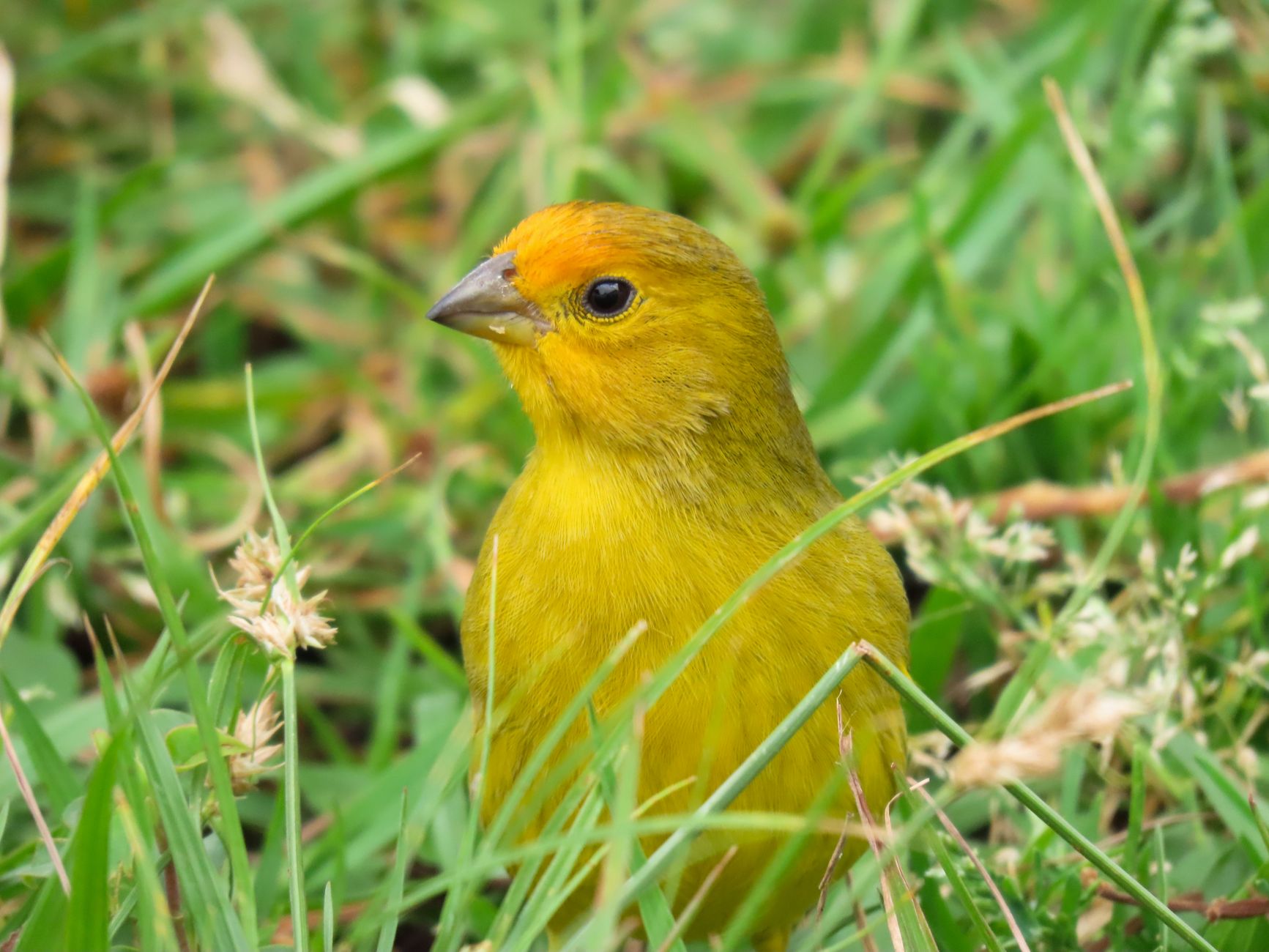
Are you dreaming of a cheerful, melodious addition to your home, but find yourself staring blankly at the bird aisle, utterly confused between a canary and a finch? It’s a common dilemma! Both are small, vibrant songbirds, and both can bring immense joy. But here’s the kicker: they are surprisingly different creatures, each with unique needs and personalities. Deciding between them isn’t just about picking a pretty face; it’s about choosing a companion that truly fits your life. For instance, did you know that while many finches are happy in a social flock, canaries are famously solitary and prefer their own company? This one fact alone can drastically alter your setup and daily interaction.
14 min read
In This Article
- Canaries: The Solo Virtuosos
- Finches: The Social Butterflies (and Flocking Birds)
- Housing Requirements: Space and Setup
- Diet Specifics: Seed, Pellets, and Greens
- Behavioral Traits: Song vs. Socialization
- Health Concerns: Common Ailments and Prevention
- Cost Breakdown: Initial Setup and Ongoing Expenses
- Companion Compatibility: Who Can Live Together?
- Frequently Asked Questions
Key Takeaways
- Canaries: The Solo Virtuosos
- Finches: The Social Butterflies (and Flocking Birds)
- Housing Requirements: Space and Setup
- Diet Specifics: Seed, Pellets, and Greens
Canaries: The Solo Virtuosos
Canaries, scientifically known as *Serinus canaria domestica*, are descendants of wild canaries that originated on the Canary Islands, Madeira, and the Azores. These birds have been selectively bred for centuries, primarily for their stunning vocal abilities and, in some lines, their vibrant plumage. When people think of a classic songbird, they’re often picturing a canary. The males, in particular, are renowned for their complex, beautiful songs, which they perform with gusto, especially during the breeding season. It’s a performance that can fill a room and is quite distinct from the chirping or chattering of many finch species.
Their personality is often described as independent, even a bit aloof. Unlike many flock-oriented birds, canaries are generally content to be kept alone. In fact, housing a male canary with another male can lead to territorial disputes, and housing them with a female outside of breeding season can cause stress. This solitary nature makes them a good fit for individuals or families who want a beautiful singer but don’t necessarily want a bird that craves constant interaction or can be handled extensively. They are primarily observational pets. I remember one instance where a friend’s canary, a bright yellow male named ‘Pip’, would sing his heart out every morning when the sun hit his cage. He never asked for cuddles, but his song was a daily highlight.
When it comes to physical appearance, canaries come in a surprising array of colors and shapes, thanks to extensive selective breeding. While the classic image is a bright yellow bird, you can also find them in shades of red, orange, white, green, and brown, as well as variegated patterns. There are also different types, like the Fife Fancy, Norwich, and Crested canaries, each with specific show standards for size, shape, and feathering. A typical canary measures about 5 inches (12.7 cm) from beak to tail. Their lifespan is impressive, often ranging from 10 to 15 years, with some individuals living even longer with excellent care. This longevity is a significant commitment, similar to owning a cat or a small dog.
This longevity is a significant commitment, similar to owning a cat or a small dog.
Finches: The Social Butterflies (and Flocking Birds)
Finches, on the other hand, represent a much broader category of small seed-eating birds. While the term “finch” can technically refer to birds in the family Fringillidae (which includes canaries), in the pet bird world, it most commonly refers to species like Zebra Finches (*Taeniopygia guttata*), Society Finches (*Lonchura striata*), and various estrildid finches. These birds are characterized by their small size, energetic nature, and, crucially, their highly social behavior. They thrive in the company of their own kind. Keeping a single finch is generally not recommended; they can become stressed, lonely, and may even develop behavioral issues.
Their vocalizations are typically more of a chatter, chirp, or trill rather than the complex song of a male canary. While some finches, like the male Zebra Finch, do have a song, it’s generally simpler and less varied than a canary’s. Their appeal lies more in their constant activity, their social interactions within a flock, and their charming antics. They are fascinating to watch as they flit about, preen each other, and engage in their daily routines. If you’re looking for a bird that you can interact with directly or handle, finches are generally not the best choice. They are primarily display birds, meant to be observed and enjoyed for their natural behaviors.
The variety within finches is staggering. Zebra finches, perhaps the most popular, are small (around 4 inches or 10 cm) and come in a multitude of color mutations. Society finches are also small and known for their gentle nature and their tendency to nest communally. Other popular choices include the beautiful Owl Finch, the colorful Gouldian Finch, and the robust Bengalese Finch. Their lifespans are generally shorter than canaries, typically ranging from 5 to 10 years, though some can live a bit longer with optimal care. This shorter lifespan can be a pro for some, as it represents a less long-term commitment, but it’s still a significant period.
This shorter lifespan can be a pro for some, as it represents a less long-term commitment, but it’s still a significant period.
Housing Requirements: Space and Setup
When it comes to housing, the fundamental difference in their social needs dictates vastly different cage setups. Canaries, being solitary, require a cage that allows for flight. While they don’t need a huge aviary, they do need more horizontal space than vertical. For a single canary, I strongly recommend a cage with dimensions of at least 24 inches (61 cm) wide, 16 inches (40.6 cm) deep, and 18 inches (45.7 cm) high. The bar spacing should be no more than 1/2 inch (1.27 cm) to prevent escape or injury. A flight cage or a large rectangular cage is ideal, as it provides ample room for short flights, which is crucial for their exercise and well-being. Avoid round cages, as they offer less usable flight space and can disorient birds.
For finches, the equation changes dramatically because they need to be housed in groups. A single Zebra Finch might be okay in a cage similar to a canary’s, but that defeats the purpose of owning finches, which is to observe their social dynamics. For a small flock of 3-5 finches (like Zebra Finches or Society Finches), you’ll need a significantly larger space. I’d suggest a minimum flight cage of 30 inches (76.2 cm) wide, 18 inches (45.7 cm) deep, and 20 inches (50.8 cm) high. Bar spacing should remain at 1/2 inch (1.27 cm) or even slightly smaller (3/8 inch or 0.95 cm) for very small finches. The more horizontal space you can provide, the better, allowing them to fly short distances and engage in natural behaviors. You can even consider a large walk-in aviary if space and budget allow, which provides the most naturalistic environment.
Regardless of species, certain cage accessories are essential. Both canaries and finches need a variety of perches of different diameters and textures to exercise their feet and prevent issues like bumblefoot. Natural wood perches are excellent. They also need food and water dishes, and importantly, a cuttlebone or mineral block for calcium and beak maintenance. For finches, you might want to provide nesting material and small nesting boxes, even if you don’t intend to breed them, as they often enjoy building and rearranging. For canaries, simple perches and a bird bath are usually sufficient. Always place the cage in a draft-free area, away from direct sunlight for prolonged periods, and out of reach of other pets like cats and dogs.
Cage Size Calculators and Recommendations
When I’m setting up a new bird enclosure, I always refer to a few key metrics. For canaries, the rule of thumb is generally 1 cubic foot of space per bird, but that’s a bare minimum. A more practical approach is to aim for the largest cage you can comfortably fit and afford, prioritizing width for flight. For example, the Prevue Pet Products Flight Cage (Model 318) offers 30 inches of width, which is a good starting point for a single canary or a pair of very small finches, but I’d push for something bigger if possible. For a flock of finches, you’re looking at a much larger footprint. The A&E Cage Company Large Flight Cage (40-inch width) is a popular choice for multiple small birds, providing essential horizontal flight space. Always check the bar spacing; 1/2 inch is generally safe for most common canaries and finches, but smaller species might require 3/8 inch.
Always check the bar spacing; 1/2 inch is generally safe for most common canaries and finches, but smaller species might require 3/8 inch.
Diet Specifics: Seed, Pellets, and Greens
The dietary needs of canaries and finches are quite similar, revolving around a high-quality seed mix supplemented with other nutrients. The foundation for both species should be a good quality seed mix specifically formulated for small European finches or canaries. These mixes typically contain canary grass seed, millet, and sometimes a bit of niger seed. Avoid generic “parakeet” or “cockatiel” mixes, as they often contain too much sunflower and other high-fat seeds that are unsuitable. A good seed mix should constitute about 60-70% of their diet.
However, relying solely on seed is a recipe for nutritional deficiencies. This is where supplementation comes in. About 20-30% of their diet should consist of fresh, leafy greens and vegetables. Think of things like finely chopped kale, spinach (in moderation due to oxalates), romaine lettuce, broccoli florets, grated carrots, and peas. A small amount of fruit, like apple or berries, can be offered as a treat. This provides essential vitamins, minerals, and fiber. I always recommend a varied offering; some days it’s a mix of greens, other days it’s a sprinkle of cooked quinoa or a small piece of bell pepper.
For both canaries and finches, a small amount of protein can be beneficial, especially during breeding season or molting. This can be provided through soaked and sprouted seeds, a small amount of cooked egg, or commercial insectivore/soft food mixes designed for small birds. About 5-10% of their diet can come from these sources. Always ensure fresh, clean water is available at all times. For finches, a mineral supplement or a calcium source like a cuttlebone is crucial, especially for females laying eggs. While some owners opt for pellets, most canaries and finches will readily accept a good seed and fresh food diet. If you do use pellets, ensure they are specifically formulated for small finches and introduce them gradually, mixing them with their familiar seed.
Diet Composition Table
| Food Type | Canary (%) | Finch (%) | Notes |
|---|---|---|---|
| High-Quality Seed Mix | 60-70% | 60-70% | Specifically formulated for small finches/canaries. |
| Leafy Greens & Vegetables | 20-30% | 20-30% | Kale, romaine, broccoli, carrots, peas. Offer variety. |
| Fruits (Treats) | <5% | <5% | Small amounts of apple, berries, melon. |
| Protein/Supplements | 5-10% | 5-10% | Sprouted seeds, cooked egg, insectivore mix, mineral block. |
Protein/Supplements
5-10%
5-10%
Sprouted seeds, cooked egg, insectivore mix, mineral block.
Behavioral Traits: Song vs. Socialization
The most significant behavioral difference lies in their social structure and vocal output. Canaries are primarily prized for their song. Male canaries possess an innate drive to sing, a complex series of trills, warbles, and whistles that can last for minutes. This song is their primary form of communication and courtship display. They are generally quiet birds otherwise, but when they sing, it’s a performance. They are not typically interactive pets in the way a parrot might be; you won’t be teaching them to talk or doing tricks. Their joy comes from singing and being observed in their environment.
Finches, conversely, are all about social interaction. They are constantly chattering, chirping, and interacting with each other. Their vocalizations are less about complex melody and more about maintaining flock cohesion and signaling. You’ll see them preening each other, chasing each other playfully, and engaging in communal roosting. This constant activity and social dynamic is what makes them so captivating to watch. They are not birds that typically enjoy being handled. Attempts to pick them up or pet them will likely cause them significant stress. Their enjoyment comes from being part of a flock and exhibiting their natural social behaviors.
When considering which bird suits you, think about what you want from your pet. Do you want a beautiful, ambient soundtrack to your home provided by a bird that’s largely content in its own company? A canary might be your answer. Do you want a lively, dynamic flock of small birds whose constant social interactions and cheerful chirping bring energy to a room, and you’re happy to observe rather than handle? Then finches are likely a better fit. I find that people who love canaries often appreciate classical music, while those who love finches enjoy the lively buzz of a busy community.
Health Concerns: Common Ailments and Prevention
Both canaries and finches are relatively hardy birds when kept in proper conditions, but they are susceptible to certain health issues. One common problem for both species is obesity, usually caused by an all-seed diet and lack of exercise. This can lead to fatty liver disease and other complications. Preventing this involves offering a balanced diet rich in greens and ensuring they have adequate cage space for flight. I always make sure my birds have daily opportunities to fly, either in their large cage or in a safe, supervised flight area.
Respiratory infections can occur, often due to poor ventilation, drafts, or dusty environments. Keeping their cage clean, ensuring good air circulation without direct drafts, and using appropriate cage substrates (like paper or a fine, dust-free seed hull) are vital. Signs of respiratory distress include sneezing, nasal discharge, clicking sounds when breathing, and lethargy. Another concern is parasitic infections, particularly mites and lice, which can affect their skin and feathers. Regular cleaning and monitoring of the bird’s condition can help prevent and manage these. A bird bath can also help keep their feathers clean and free of external parasites.
For finches, especially females, egg binding can be a serious issue. This occurs when a female cannot pass an egg. It’s often linked to poor nutrition (lack of calcium) or obesity. Ensuring a diet rich in calcium (cuttlebone, mineral supplements) and maintaining a healthy weight are crucial preventative measures. Sudden death syndrome, while not fully understood, can affect finches and sometimes canaries. It’s often associated with stress, diet, or underlying health issues. Regular veterinary check-ups with an avian veterinarian are highly recommended. Finding a vet experienced with small birds is key. A typical avian vet visit can range from $75 to $150 for a wellness check, with diagnostic tests and treatments adding to the cost. Emergency visits can be significantly more, potentially $200-$500+.
Cost Breakdown: Initial Setup and Ongoing Expenses
Setting up for canaries and finches involves several costs, which can vary depending on the quality and size of the equipment you choose.
- Initial Cage Cost: For a good quality flight cage suitable for one canary or a small flock of finches, expect to spend between $100 and $300. Larger, more specialized aviaries can cost $500+.
- Food & Supplements: A high-quality seed mix costs around $10-$20 for a 3-5 lb bag, lasting several months. Fresh produce costs vary but are generally inexpensive. Cuttlebones or mineral blocks are typically $2-$5 each.
- Accessories: Perches, food/water dishes, bird bath, toys (optional but recommended for finches) can add another $30-$75.
- Veterinary Care: As mentioned, initial check-ups can be $75-$150. Factor in potential costs for illness or emergencies ($200-$500+).
- Ongoing Food: Monthly food costs are relatively low, around $10-$25 per month for seed, fresh food, and supplements.
So, while the initial investment for a good setup can be between $150-$400, the ongoing monthly costs are quite manageable, typically $10-$30, excluding unexpected vet bills. It’s always wise to have a small emergency fund set aside for avian health issues. I always budget an extra $100-$200 per year for potential vet visits or unexpected needs.
Companion Compatibility: Who Can Live Together?
This is where the canary and finch distinction becomes critical. Canaries are strictly solitary birds. A male canary should never be housed with another male canary, as they will fight aggressively. They can be housed with a female canary only during the breeding season, and even then, it requires careful monitoring. Outside of breeding, a male and female canary kept together can lead to stress and injury for one or both birds. Therefore, a single canary is the standard and recommended setup. They are not compatible with finches in the same cage; canaries can be aggressive towards smaller birds, and finches may nip at a canary’s tail feathers.
Finches, conversely, are highly social and are meant to be kept in groups. Zebra finches, society finches, and Bengalese finches generally get along very well together in mixed-species flocks, provided the cage is large enough to accommodate them. However, it’s crucial to avoid mixing very small finches with larger, more boisterous ones, as bullying can occur. For example, mixing delicate Gouldian finches with larger Java finches might not be ideal. Stick to similar-sized species or ensure ample space and plenty of perches and feeding stations to minimize competition. Never house finches with canaries. The aggression of the canary can be devastating to a finch.
When considering other pets in the household, extreme caution is necessary. Birds are prey animals, and even well-intentioned cats and dogs can pose a significant threat. Always ensure that bird cages are secure and placed out of reach of other household pets. Supervised out-of-cage time should only occur in a room where other pets are not present, or under very strict, direct supervision. I always keep my birds in a dedicated “bird room” to minimize risks.
Small changes, real momentum
Get practical guides and templates you’ll actually use — a few thoughtful emails a month.
Frequently Asked Questions
Can a canary and a finch live in the same cage?
Absolutely not. Canaries are solitary and can be territorial and aggressive towards other birds, including finches. Finches are social with their own kind but can be stressed or injured by a canary. They require separate housing to ensure their safety and well-being. It’s best to house canaries alone and finches in compatible groups of their own species.
Which bird is easier to care for, a canary or a finch?
Both species have similar basic care needs regarding diet and cage cleaning. However, the decision of “easier” often comes down to your lifestyle and expectations. If you want a bird that sings beautifully and is content in its own company, a canary might be easier as it requires only one bird and less complex social management. If you enjoy observing lively social interactions and constant activity, finches are rewarding, but you’ll need to house them in groups, which means more birds to manage and a larger cage. Neither species is particularly difficult, but their social needs are the main differentiating factor.
Do finches sing like canaries?
No, not in the same way. Male canaries are famous for their complex, melodic songs, which they perform at length. Finches, while vocal, produce more of a chatter, chirp, or trill. Some male finches, like the Zebra Finch, do have a simple song, but it’s generally not as elaborate or sustained as a canary’s song. The appeal of finches lies more in their constant activity and social vocalizations.
Can I handle my canary or finch?
Canaries and finches are generally not considered handling birds. They are primarily observational pets. While some individual canaries may become somewhat accustomed to their owner’s presence, they are not typically cuddly or interactive. Finches are even less likely to tolerate handling; it can cause them significant stress. If you are looking for a bird to interact with closely, handle, and train, you would be better off considering a parrot species.
So, you’ve got the lowdown on canaries and finches! The choice really boils down to what you’re looking for in a feathered companion. If a solo performance of beautiful song is your dream, and you appreciate a bird that’s independent, the canary is a fantastic choice. Just remember, one canary per cage is the golden rule. If you’re captivated by the idea of a lively, social flock whose constant chatter and activity bring energy to your home, and you’re happy to be a spectator to their charming interactions, then a group of finches will bring you endless joy.
Here are three concrete steps to help you decide:
- Assess your space: Measure the available area for a cage. Can you accommodate a wider, longer cage for a canary, or do you have space for a larger flight cage for a finch flock?
- Consider your interaction style: Do you want to hear beautiful songs from a bird that mostly keeps to itself, or do you prefer watching dynamic social interactions?
- Think about long-term commitment: Both species can live for many years, but canaries generally have a longer lifespan (10-15 years) than most common pet finches (5-10 years).
My personal recommendation for a beginner looking for a beautiful, relatively low-maintenance singing bird is a single male canary. They are captivating to watch and their song is truly unparalleled. If you’re drawn to the lively social dynamics, start with a small, compatible group of Zebra Finches. Whichever you choose, you’re in for a treat!
For the Love of Your Pet
Care guides, breed insights, and gentle advice for happier pets.