
Quick question: how many distinct animal species do you think a typical American household could legally keep as pets across birds, mammals, reptiles, and fish? The answer, once you count regional exotic pet permits, backyard poultry ordinances, and standard companion species, tops 200 in most mid-sized U.S. cities. That’s a wildly different number than what most “A to Z animal” encyclopedias imply, because they lump in lions, narwhals, and aardvarks alongside the budgie sitting in your living room. This guide skips the zoo trivia and sticks to what you can actually house, feed, and vet-check — birds, poultry, small mammals, reptiles, and the dogs and cats that share the house with them. I’ve kept parrots, finches, and a small poultry flock for over a decade, and the biggest lesson from that stretch is that “one size fits all” cage and diet advice is how animals end up sick or bored. Below is the breakdown I wish someone had handed me before my first cockatiel came home in a cage that was, frankly, too small.
Disclosure: This post contains affiliate links. If you click through and make a purchase, we may earn a small commission at no extra cost to you. Thank you for supporting this site!
10 min read
In This Article
- The A-to-Z Companion Animal Spectrum: What This Guide Actually Covers
- Birds A to Z: From Budgies to Macaws
- Backyard Poultry: Chickens, Ducks, and Quail
- Small Mammals: Rabbits, Guinea Pigs, Hamsters, and Ferrets
- Reptiles and Amphibians: Bearded Dragons, Geckos, and Tortoises
- Dogs and Cats: The Everyday Companions
- Cost Breakdown Across Species: Annual Ownership Comparison
- Companion Compatibility: Which Animals Actually Pair Well in One Household
Key Takeaways
- The A-to-Z Companion Animal Spectrum: What This Guide Actually Covers
- Birds A to Z: From Budgies to Macaws
- Backyard Poultry: Chickens, Ducks, and Quail
- Small Mammals: Rabbits, Guinea Pigs, Hamsters, and Ferrets
The A-to-Z Companion Animal Spectrum: What This Guide Actually Covers
Most “animals A to Z” lists online mix wild species you’ll never own with pets you might bring home this week. That’s not useful if you’re standing in a Petco parking lot trying to decide between a 20-gallon reptile tank and a 32-inch flight cage. This guide narrows the alphabet to companion categories: birds (budgies through macaws), backyard poultry (chickens, ducks, quail), small mammals (rabbits, guinea pigs, hamsters, ferrets), reptiles and amphibians (bearded dragons, leopard geckos, tortoises), and a short section on dogs and cats since they’re the animals most likely to share a house with your bird cage or coop.

Each section below follows the same format: minimum housing dimensions with bar spacing or mesh size, diet composition by percentage, common health issues with vet cost ranges, and where relevant, a note on which species pair well or badly together in one household. I’m citing real product names — Prevue Hendryx, Vision, Kaytee, Zoo Med, Oxbow — because generic “get a big cage” advice doesn’t tell you what to actually click “add to cart” on. If you’re cross-shopping dog breeds specifically, our sister site dogbreedco has full breed-by-breed temperament and exercise breakdowns; I’ll flag that resource again in the dogs section rather than duplicate it here.
That’s not useful if you’re standing in a Petco parking lot trying to decide between a 20-gallon reptile tank and a 32-inch flight cage.
Birds A to Z: From Budgies to Macaws
Housing by Species Size
Bar spacing is the detail beginners skip and regret. A budgie (Melopsittacus undulatus, average adult weight 30-40 grams) needs bar spacing no wider than 1/2 inch — anything looser and a curious bird can wedge its head through and strangle itself, which is a documented cause of preventable avian death according to the Association of Avian Veterinarians’ housing guidelines. Cockatiels need spacing at or under 5/8 inch; conures and small conures fit the same range but require a minimum footprint of 24 x 24 x 24 inches, not the 18-inch cubes sold as “starter cages.” I made this mistake with my first green-cheek conure, Mango, who developed feather-damaging behavior within eight weeks of being housed in an 18x18x18 cage — a vet later confirmed boredom-driven plucking, and moving him to a Prevue Hendryx 3252 (30 x 20 x 62 inches) resolved it within a month.
For macaws and other large parrots, bar spacing runs 1 to 1.5 inches and the enclosure needs to be at minimum 36 x 48 x 60 inches — the Vision Bird Cage M02 and the A&E Cage Company Victorian series both meet this at price points of roughly $450-$900 depending on retailer. A simple sizing rule that works better than any chart: cage width should equal at least twice the bird’s wingspan tip-to-tip for basic movement, and three times wingspan if you want the bird to actually flap-fly inside rather than just hop. Measure your specific bird’s wingspan with the wings gently extended (a vet tech can help at a routine exam) rather than guessing from species averages, since captive-bred birds vary by 10-15% in size within the same species.
Diet Composition
Lafeber and Harrison’s Bird Foods, two of the most cited avian nutrition brands among practicing avian vets, both recommend a diet built around 60-70% formulated pellets, 20-25% fresh vegetables and leafy greens, 5-10% fruit, and no more than 10% seeds or nuts as treats. Straight seed diets — still sold cheaply at $8-12 per 5-lb bag — are linked to fatty liver disease and vitamin A deficiency in cockatiels and budgies specifically, a pattern well documented in avian veterinary case literature going back to the 1990s. Finches are the exception: their smaller digestive tracts handle a higher proportion of seed (up to 80%) supplemented with egg food during breeding season, so don’t apply the parrot ratio across the board.
Backyard Poultry: Chickens, Ducks, and Quail
A laying hen needs a minimum of 4 square feet of coop floor space and 10 square feet of outdoor run per bird — go below that and you’ll see feather-pecking and egg-eating within weeks, both stress behaviors documented by university extension poultry programs including Penn State Extension’s flock housing guidelines. The Omlet Eglu Cube (holds up to 10 hens, priced around $1,000-1,300) is a common choice for backyard keepers wanting predator-resistant housing without building from scratch; a DIY plywood coop with 1/2-inch hardware cloth venting runs closer to $300-500 in materials. Ducks need less floor space per bird (roughly 3 square feet) but require standing water deep enough to submerge their heads for nostril and eye cleaning — a simple 10-gallon rubber stock tank works and costs under $30.
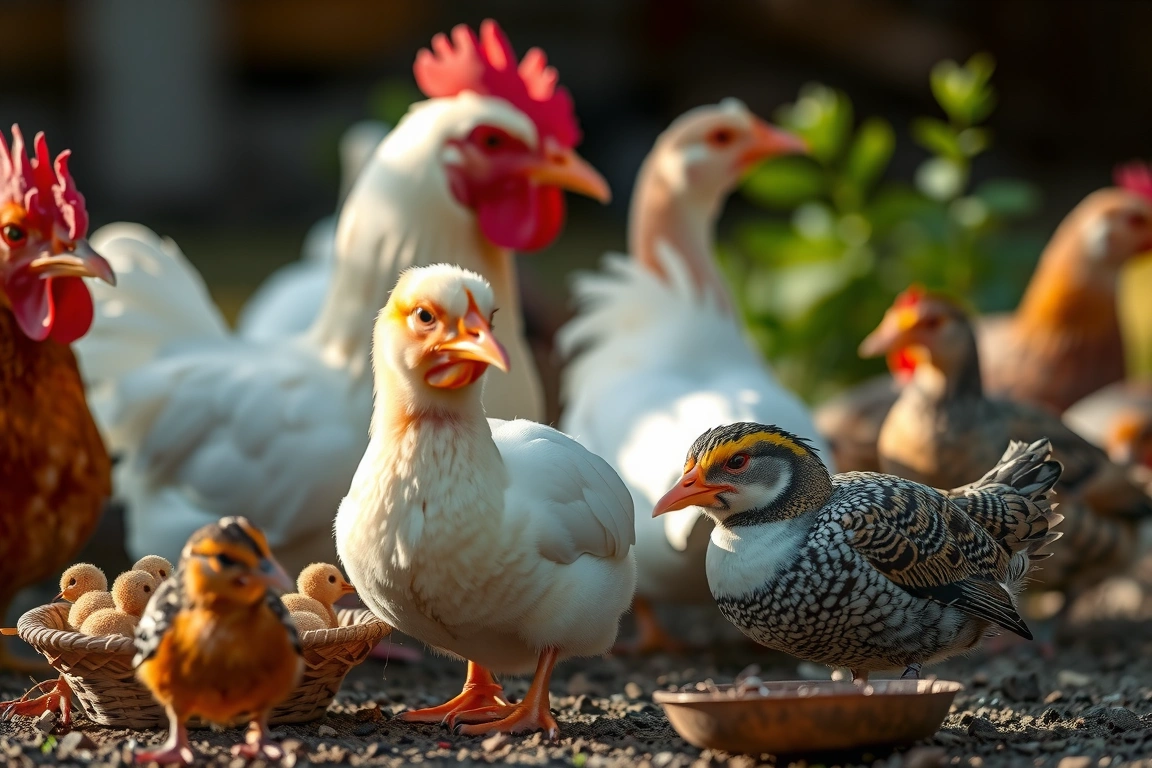
Layer feed should run 16-18% protein for hens actively laying, dropping to 14-16% protein maintenance feed for non-laying birds or roosters, per Purina’s Layena and Manna Pro’s Layer Pellets formulations. Quail (Coturnix specifically, the most common backyard breed) need higher protein at 20-24% due to their faster metabolism and egg-laying rate of nearly one egg per day. Expect $15-20 per 40-lb bag of quality layer feed, and budget for grit and oyster shell supplementation separately — hens fed only pellets without supplemental calcium develop thin-shelled or soft eggs within a laying cycle.
y university extension poultry programs including Penn State Extension’s flock housing guidelines.
Small Mammals: Rabbits, Guinea Pigs, Hamsters, and Ferrets
Minimum Enclosure Standards
The Rabbit Welfare Association and Fund (RWAF) in the UK, whose housing guidance is widely cited by U.S. rabbit rescues too, recommends a hutch of at least 6 feet long by 2 feet wide by 2 feet high combined with a permanently attached run of at least 8 x 6 feet — most pet store hutches sold in the $80-150 range fall well short of this and are really only suitable as a sleeping box. Guinea pigs need a minimum of 7.5 square feet of floor space per pair according to Guinea Lynx’s widely referenced cage size standards; the Midwest Homes for Pets Guinea Habitat Plus (47 x 24 inches, roughly $70) meets this for two pigs but not three. Hamsters, despite their tiny size, actually need more floor space than most starter cages provide — a Syrian hamster requires a minimum of 450 square inches of unbroken floor space per the Hamster Welfare guidelines, which rules out most cages under $40 and points toward bin-cage setups or the Prevue Hendryx Universal Small Animal Home.
Ferrets need multi-level housing at minimum 24 x 24 x 36 inches for a pair, with bar spacing no wider than 1 inch since ferrets are notorious escape artists — the Ferret Nation 142 (36 x 25 x 62 inches, around $200) is the standard recommendation among ferret rescues for exactly this reason. Every one of these species needs bedding changed on a different schedule: rabbit litter boxes need daily scooping with a full substrate change weekly, guinea pig cages need full bedding swaps twice weekly due to ammonia buildup from urine, and ferret litter areas need daily cleaning because ferrets have a notably fast digestive transit time of around 3-4 hours.
Diet Ratios
Rabbits should get unlimited grass hay (Timothy or orchard grass) making up roughly 80% of intake, 15% high-fiber pellets like Oxbow Bunny Basics, and 5% fresh vegetables and occasional fruit as treats — alfalfa hay is too calorie-dense for adult rabbits and should be reserved for growing kits under 7 months. Guinea pigs need dietary vitamin C since they can’t synthesize it themselves, requiring 10-30 mg per kg of body weight daily according to the National Research Council’s guinea pig nutrient requirements; Oxbow’s guinea pig pellets are fortified for this, but the vitamin C degrades within 90 days of milling, so check bag dates. Ferrets are obligate carnivores needing 32-38% protein and 15-20% fat, which rules out most “small animal” or rabbit-style pellets entirely — a quality ferret-specific food like Wysong Ferret Epigen or Marshall Premium Ferret Diet is worth the $20-25 per bag over cheaper generic mixes.
Reptiles and Amphibians: Bearded Dragons, Geckos, and Tortoises
A single adult bearded dragon needs a minimum 40-gallon breeder tank (36 x 18 x 18 inches), though 75-gallon (48 x 18 x 21 inches) is what most experienced keepers actually recommend once the dragon is past 12 months old. UVB lighting is non-negotiable and frequently done wrong: the Zoo Med ReptiSun T5 HO 10.0 needs replacing every 6 months even if the bulb still lights up, because UVB output degrades well before visible light does — running an expired bulb is one of the most common causes of metabolic bone disease in captive bearded dragons, a condition that costs $200-600 to treat if caught early and can be fatal if not. Leopard geckos need less floor space (a 20-gallon long tank, 30 x 12 x 12 inches, works for one adult) and don’t require UVB in the same way, though recent care guidance from the Zoo Med and Josh’s Frogs care sheets now recommends low-level UVB (2.0-5.0) anyway for long-term bone health.
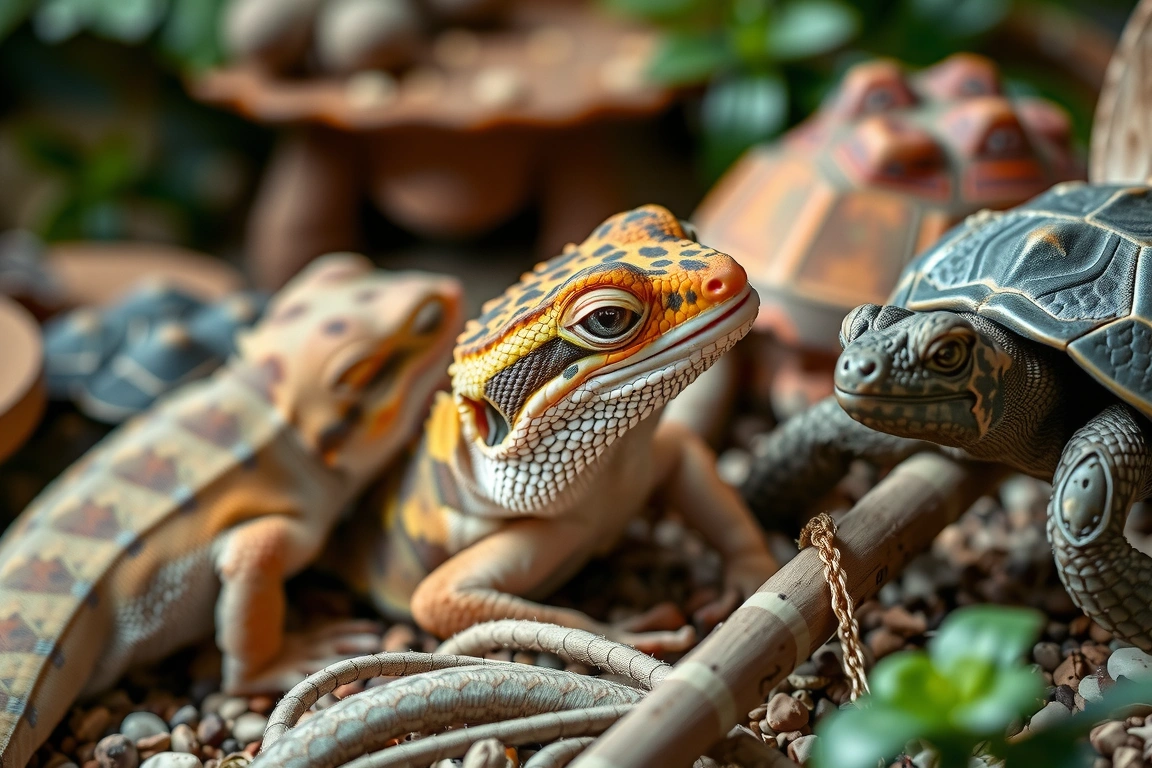
Diet flips dramatically with age in bearded dragons: juveniles under 12 months need roughly 80% live insects (crickets, dubia roaches) and 20% chopped greens, while adults should flip to 80% greens (collard, mustard, dandelion) and only 20% insects to avoid obesity and fatty liver — feeding an adult like a juvenile is a mistake I see constantly in reptile forums, and it shows up as lethargy and weight gain within a few months. Tortoises (Russian and Greek tortoises being the most common beginner species) need an outdoor or large indoor enclosure of at least 8 square feet per adult and a diet that’s roughly 90% weeds and leafy greens with calcium dusting, never the fruit-heavy diets some pet stores still suggest — fruit sugar content contributes to gut parasite overgrowth in tortoises specifically.
ragons, a condition that costs $200-600 to treat if caught early and can be fatal if not.
Dogs and Cats: The Everyday Companions
Dogs and cats round out most multi-species households, and they interact with your bird cage or reptile tank setup in ways worth planning for. A cat’s predatory drive doesn’t switch off around a finch cage — even a well-fed, calm house cat can trigger fatal stress responses in small birds just by sitting and staring at the cage for extended periods, something avian behaviorists call “stress-induced sudden death” in prey species. If you’re choosing a dog breed with birds or small mammals already in the house, terrier breeds bred for vermin hunting (Jack Russell, Rat Terrier) carry stronger prey drive than breeds like Cavalier King Charles Spaniels or Basset Hounds — for a full breed-by-breed temperament and exercise comparison, our sister site dogbreedco has detailed guides worth checking before you commit to a specific breed.
Annual cost for a mid-size dog runs $1,270-$2,800 according to the American Pet Products Association’s most recent ownership cost survey, covering food, routine vet visits, and basic supplies but not emergency care. Cats run lower at roughly $1,000-$1,500 annually, with litter and routine vet exams being the biggest recurring costs. Neither figure includes emergency vet visits, which for a mid-size dog can run $800-$4,000 for something like a foreign body ingestion surgery — a real risk if that same dog has access to a room with loose bird toys or small mammal bedding.
Cost Breakdown Across Species: Annual Ownership Comparison
Numbers help more than adjectives here, so here’s a direct comparison across the species covered above, based on typical U.S. retail pricing and standard vet visit ranges as of 2024-2025.

| Species | Min. Enclosure | Bar/Mesh Spec | Annual Food Cost | Routine Vet Cost/Year | Avg. Lifespan |
|---|---|---|---|---|---|
| Budgie | 18x18x18 in | ≤1/2 in bars | $40-70 | $50-100 | 7-15 yrs |
| Cockatiel | 20x20x24 in | ≤5/8 in bars | $60-90 | $75-125 | 15-20 yrs |
| Macaw | 36x48x60 in | 1-1.5 in bars | $400-700 | $150-300 | 30-50 yrs |
| Laying Hen (per bird) | 4 sq ft coop | 1/2 in hardware cloth | $60-90 | $20-40 | 5-8 yrs |
| Rabbit | 6x2x2 ft + run | N/A (solid floor pref.) | $150-250 | $100-200 | 8-12 yrs |
| Guinea Pig (pair) | 7.5 sq ft floor | N/A | $120-180 | $80-150 | 5-7 yrs |
| Bearded Dragon | 40-75 gal tank | N/A (screen lid) | $200-350 | $150-300 | 8-12 yrs |
| Mid-size Dog | N/A | N/A | $300-450 | $200-400 | 10-13 yrs |
Two things jump out when you line these up side by side. First, upfront housing cost is a poor predictor of long-term cost — a $150 hamster cage setup costs almost nothing yearly after that, while a $50 budgie is cheap to buy but a 15-year commitment with recurring vet visits that add up. Second, the “routine vet cost” column understates real spending for exotics specifically, since finding an avian or reptile vet often means driving further and paying exotic-specialty rates 30-50% higher than standard dog and cat clinics charge.
Companion Compatibility: Which Animals Actually Pair Well in One Household
Not every combination in this A-to-Z lineup coexists safely under one roof. Ferrets and birds are a bad pairing full stop — ferrets are obligate carnivores with a hunting instin
Small changes, real momentum
Get practical guides and templates you’ll actually use — a few thoughtful emails a month.
Sources & further reading
- lichess.org • Free Online Chess (lichess.org)
- lichess.org open database (database.lichess.org)
🐾 Our Top Pick
Editor’s Pick: A large, secure animal cage for housing all types of pets.
What types of animals does this guide cover?
This guide focuses exclusively on animals you can practically keep as pets, skipping exotic zoo species. It covers a wide range of companion animals, including birds like parrots and finches, backyard poultry such as chickens, small mammals like rabbits and ferrets, reptiles including bearded dragons, and of course, common household pets like dogs and cats.
How many different pet species can a household legally keep?
When accounting for standard pets, regional exotic permits, and local poultry ordinances, a typical household in a mid-sized U.S. city could legally keep over 200 distinct animal species. This number is far greater than what most encyclopedias suggest, as they often include wild animals not suitable for private ownership.
Why is “one size fits all” advice problematic for pet care?
Generic care advice often leads to sick or bored animals because each species has unique requirements. Proper housing, diet, and enrichment are not universal. For example, a cage suitable for a hamster is entirely inadequate for a parrot, and their nutritional needs differ drastically, which is why species-specific guidance is essential.
Does the article discuss which animals can live together?
Yes, a key section of the guide is dedicated to companion compatibility. It addresses which species can be safely and ethically housed together in one household, helping owners avoid stressful or dangerous situations for their pets and create a harmonious multi-species home.
For the Love of Your Pet
Care guides, breed insights, and gentle advice for happier pets.