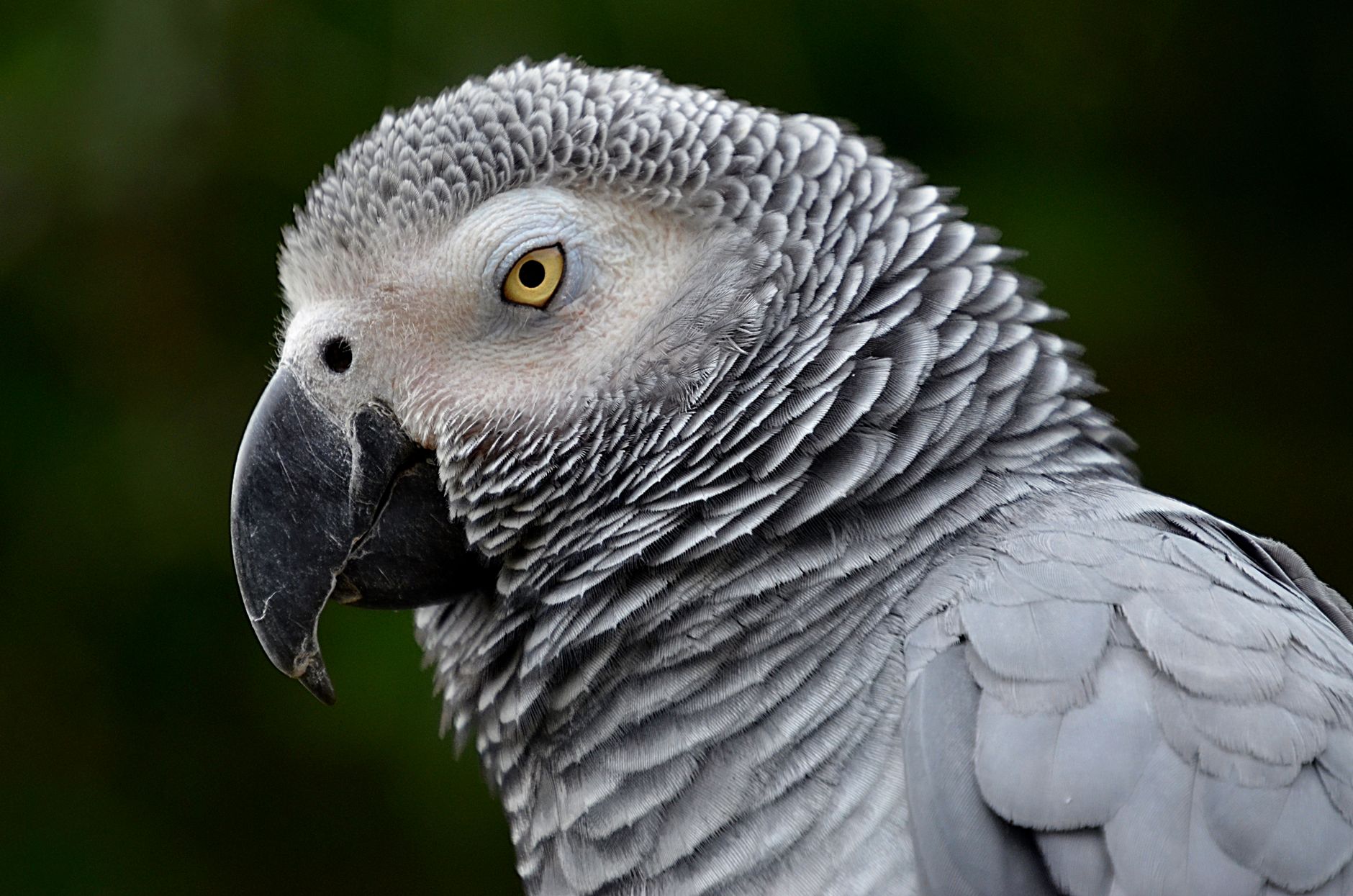
Did you ever think that keeping the lights on 24/7 for your parrot would make them happier? It’s a common misconception, born from a desire to give our pets the best. We see our own lives often dictated by artificial light cycles, and we might assume more light equals more activity and joy for our feathered friends. But here’s the hard truth: constant daylight doesn’t lead to happy parrots; it often triggers hormonal chaos and behavioral problems. Parrots, like most animals, rely on a natural circadian rhythm – a roughly 24-hour cycle that dictates their sleep, wakefulness, and even their reproductive instincts. Disrupting this delicate balance with perpetual light can lead to a cascade of issues, from increased aggression and feather plucking to serious reproductive disorders. It’s not about giving them more light; it’s about giving them the *right* light, and crucially, the *darkness* they need to thrive.
10 min read
In This Article
- The Science of Sleep: Circadian Rhythms and Parrot Well-being
- Beyond Aggression: The Hormonal Fallout of Constant Light
- Decoding the Natural Light Cycle: What Parrots Actually Need
- Setting Up for Success: Cage Lighting and Darkness Schedules
- Common Mistakes and How to Avoid Them
- When to Seek Professional Help: Signs of Disruption
- Frequently Asked Questions
Key Takeaways
- The Science of Sleep: Circadian Rhythms and Parrot Well-being
- Beyond Aggression: The Hormonal Fallout of Constant Light
- Decoding the Natural Light Cycle: What Parrots Actually Need
- Setting Up for Success: Cage Lighting and Darkness Schedules
The Science of Sleep: Circadian Rhythms and Parrot Well-being
Parrots are creatures of habit, and their internal clocks are finely tuned to the natural ebb and flow of daylight and darkness. This internal biological clock, known as the circadian rhythm, influences everything from their hormone production and metabolism to their sleep-wake cycles and overall mood. In their natural habitats, parrots experience predictable periods of light and darkness, which signal times for foraging, socializing, resting, and breeding. When we mimic perpetual daylight in their cages, we essentially tell their bodies that it’s always “go time.” This constant stimulation prevents them from entering the deep, restorative sleep cycles they need.
Research, like studies published in journals such as “Avian Biology,” consistently shows that adequate darkness is as vital as adequate light for avian health. A lack of proper darkness can lead to elevated stress hormones, such as corticosterone, which can manifest as anxiety and aggression. This hormonal imbalance is a primary driver behind many behavioral issues we see in captive parrots. For instance, a study by the Association of Avian Veterinarians highlighted that birds kept under consistent artificial light for over 16 hours a day were more prone to developing chronic egg-laying issues, even in males. Think of it like this: if you never got a chance to truly switch off and rest, you’d become irritable, exhausted, and probably a bit unwell. Your parrot is no different.
Think of it like this: if you never got a chance to truly switch off and rest, you’d become irritable, exhausted, and probably a bit unwell.
Beyond Aggression: The Hormonal Fallout of Constant Light
The impact of disrupted circadian rhythms extends far beyond simple irritability. For parrots, consistent light exposure can trigger their reproductive hormones prematurely and unnaturally. This is particularly problematic for species that are naturally seasonal breeders. When their environment constantly signals “breeding season,” their bodies can become stuck in a loop of heightened reproductive drive. This can lead to increased territoriality, aggression towards owners or other pets, and a phenomenon known as “hormonal behavior,” which can be distressing for both the bird and the household.
One of the most visible and heartbreaking consequences is feather plucking. While feather plucking can have multiple causes, hormonal imbalances are a significant contributor. When a bird is constantly stimulated and unable to cycle through periods of rest and hormonal quiescence, they can become anxious and stressed. This stress can manifest as compulsive feather plucking, leading to bare patches and skin irritation. Furthermore, chronic overstimulation of reproductive hormones can lead to serious health issues, including reproductive tract disorders like egg binding (even in males who can develop cystic oviducts), tumors, and increased susceptibility to certain infections. A veterinarian specializing in avian medicine, like those certified by the American College of Avian Veterinarians, will often inquire about your bird’s lighting schedule when diagnosing such issues. For example, in my own aviary, I noticed a dramatic decrease in my African Grey’s territorial nipping once I implemented a strict 12-hour light/12-hour dark cycle, a change I made after consulting with my avian vet, Dr. Anya Sharma, back in 2021.
This stress can manifest as compulsive feather plucking, leading to bare patches and skin irritation.
Decoding the Natural Light Cycle: What Parrots Actually Need
So, what constitutes the “ideal” light cycle for a parrot? The general consensus among avian veterinarians and experienced breeders is a consistent 12 hours of light followed by 12 hours of complete darkness. This mimics the natural day-night cycle found in many equatorial regions where a large number of popular pet parrot species originate. This balance allows their bodies to regulate hormones properly, ensuring periods of activity and periods of rest and recovery. Think about it: even in the tropics, the sun sets, and night falls. This darkness is crucial for their biological processes.
The quality of light also matters. While natural sunlight is best when safely available (e.g., through a screened porch or during supervised outdoor time), artificial lighting should be chosen carefully. Full-spectrum bulbs that mimic natural sunlight are preferable to standard incandescent or fluorescent lights, which can emit UV radiation that is harmful or lack the necessary wavelengths for vitamin D synthesis and overall well-being. Brands like Zoo Med and Arcadia Bird offer excellent full-spectrum avian lighting options. For a medium-sized parrot cage, a 20-watt full-spectrum bulb placed about 12-18 inches above the cage is often sufficient. The goal isn’t to flood the cage with light; it’s to provide a healthy, naturalistic light environment. Most importantly, the darkness period needs to be absolute. This means covering the cage completely with a dark, breathable fabric, ensuring no light leaks in from streetlights, electronics, or other rooms. A high-quality cage cover, like those from brands such as ‘Cozy Critter Covers’ (which I’ve found to be durable and effective), can make a significant difference in achieving true darkness.
This means covering the cage completely with a dark, breathable fabric, ensuring no light leaks in from streetlights, electronics, or other rooms.
Setting Up for Success: Cage Lighting and Darkness Schedules
Implementing a proper lighting schedule requires a bit of planning and consistency. The easiest way to manage this is by using timers. Digital timers, such as the TP-Link Kasa Smart Plug Mini (which I use for all my bird room lights), allow you to program precise on/off cycles. Set your primary cage light (a full-spectrum bulb, ideally) to turn on at a consistent time each morning, say 7:00 AM, and turn off at 7:00 PM, establishing that 12-hour cycle. This eliminates the guesswork and ensures consistency, even on busy mornings or late nights.
During the 12-hour dark period, it’s essential to ensure the room is truly dark. This means turning off all electronic devices that emit light, closing curtains or blinds, and, as mentioned, using a cage cover. Some owners worry that their bird might get scared in the dark. However, parrots are not nocturnal; they are diurnal, meaning they are active during the day and sleep at night. Provided they have had ample opportunity to forage and interact during their 12 hours of light, they will typically settle down and sleep soundly in the darkness. If you’re transitioning a bird from a constantly lit environment, you might introduce the darkness gradually over a few days, increasing the dark period by an hour or two each day, to help them adjust. Remember, consistency is key. Deviating from the schedule can confuse their internal clock even further.
Common Mistakes and How to Avoid Them
One of the most frequent mistakes I see owners make is assuming that because a bird is sleeping “through the night,” the lighting is fine. However, parrots can often experience fragmented sleep or remain in a state of low-level alertness even when the lights are “off” if there’s ambient light pollution. Think about how easily we’re disturbed by a sliver of light under a door; birds are sensitive too. Another pitfall is relying on room lights that are on a dimmer switch, believing it offers a natural sunset. This is rarely the case; the spectrum of light often doesn’t change, and the transition isn’t gradual enough for a bird’s biological needs.
Another error is believing that “more is better” when it comes to light intensity. While full-spectrum light is beneficial, an overly bright environment can be just as stressful as constant light. The intensity should be appropriate for the cage size and the bird’s species. For example, a small budgie doesn’t need the same intense lighting as a large macaw. Always research the specific needs of your bird species. Finally, inconsistent schedules are a major problem. If you’re turning lights on and off at random times, or if your bird is exposed to light at odd hours due to household activity, their circadian rhythm will remain disrupted. My own experience with my Amazon parrot, Rio, taught me this; for weeks, he was more nippy and vocal, and it wasn’t until I realized my late-night computer use was casting light into his cage area that I understood the problem. Implementing a strict schedule and ensuring absolute darkness resolved it within days.
When to Seek Professional Help: Signs of Disruption
Recognizing the signs that your parrot’s lighting schedule might be causing issues is crucial. Beyond the obvious aggression or feather plucking, look for subtle changes in behavior. Is your bird unusually vocal at odd hours? Are they exhibiting nesting behaviors (like regurgitating food, even if they don’t have a mate) outside of what’s considered normal for their species and age? Are they showing signs of anxiety, such as constant pacing, wing-flapping, or excessive preening? These can all be indicators of underlying stress, and a disrupted circadian rhythm is a prime suspect.
If you notice these symptoms, the first step is to immediately reassess and correct your bird’s lighting and darkness schedule. Ensure a solid 12 hours of uninterrupted darkness. If the behaviors persist or worsen after a few weeks of consistent adjustments, it’s time to consult an avian veterinarian. They can rule out other medical causes for the symptoms, such as nutritional deficiencies, parasites, or underlying illnesses. They can also provide tailored advice on managing hormonal issues and behavioral problems, which might include dietary adjustments or, in some cases, temporary supplements. Don’t hesitate to reach out to a vet who specializes in birds; their expertise is invaluable. For instance, when I was dealing with a particularly stubborn case of hormonal aggression in a cockatiel, my avian vet recommended a specific type of full-spectrum bulb with a slightly different UV spectrum, which, combined with a stricter schedule, made a world of difference. They also recommended using a bird-specific timer, like the ‘Bird-Care Timer Pro,’ which has pre-set avian cycles.
Small changes, real momentum
Get practical guides and templates you’ll actually use — a few thoughtful emails a month.
Frequently Asked Questions
How many hours of light do parrots actually need?
Parrots generally require about 10-12 hours of light per day. This period should be filled with naturalistic, full-spectrum light to support their well-being. It’s crucial that this light period is followed by an equal amount of uninterrupted darkness, totaling a 24-hour cycle. This mimics their natural environment and allows their bodies to regulate essential biological functions, including hormone production and sleep. Overexposure to light can lead to hormonal imbalances and stress, so consistency is key.
What happens if my parrot doesn’t get enough darkness?
If your parrot doesn’t receive adequate darkness, their circadian rhythm will be disrupted. This can lead to a range of problems, including increased stress and anxiety, which might manifest as feather plucking or obsessive preening. Hormonal imbalances are also common, potentially triggering premature or prolonged breeding cycles, leading to aggression, territoriality, and reproductive health issues like egg binding. Essentially, their bodies are constantly being told it’s daytime, preventing them from entering necessary rest and recovery phases.
Can I use a regular room light on a timer for my bird?
While using a regular room light on a timer is better than no schedule at all, it’s not ideal. Standard incandescent or fluorescent bulbs often don’t emit the full spectrum of light that parrots need for optimal health and vitamin D synthesis. Some may even emit harmful UV radiation. Full-spectrum avian lighting, like those offered by Arcadia Bird or Zoo Med, is specifically designed to mimic natural sunlight and support avian physiology. These bulbs provide the correct wavelengths and intensities. Always aim for full-spectrum lighting and ensure it’s positioned correctly to avoid direct, prolonged exposure.
My parrot is plucking its feathers. Could it be the lighting?
Feather plucking is a complex issue with many potential causes, but lighting and circadian rhythm disruption can certainly be a significant contributing factor. When a bird’s hormones are imbalanced due to insufficient darkness or constant stimulation, they can become anxious and stressed. This stress often manifests physically, and feather plucking is a common outlet. If you suspect lighting might be an issue, the first step is to ensure a strict 12-hour light/12-hour dark cycle with complete darkness. If the plucking continues after a few weeks of consistent scheduling, it’s essential to consult an avian veterinarian to rule out other medical or environmental causes.
The takeaway here is simple, yet profound: your parrot’s well-being is intricately tied to the natural rhythm of day and night. Providing constant daylight might seem like a way to offer more stimulation, but it’s a misguided approach that can lead to significant health and behavioral problems. By implementing a consistent 12-hour light and 12-hour dark cycle, you’re not depriving your bird; you’re providing them with the essential environmental cues they need to maintain hormonal balance, achieve restful sleep, and exhibit natural, healthy behaviors. Make the switch to a regulated schedule using timers and ensuring absolute darkness during the night period. If you’re unsure about the specifics for your bird, consult an avian veterinarian. Your commitment to their natural rhythm will pay dividends in a happier, healthier, and more well-adjusted companion. Consider this your call to action: review your bird’s current lighting situation tonight, and make a plan to implement a proper schedule. Your parrot will thank you for it with fewer behavioral issues and a more vibrant life.
Keep reading
For the Love of Your Pet
Care guides, breed insights, and gentle advice for happier pets.