Disclosure: This post contains affiliate links. If you click through and make a purchase, we may earn a small commission at no extra cost to you. Thank you for supporting this site!
Has your parrot started turning its own feathers into a personal art project? I remember the sickening feeling when my African Grey, Mango, first chewed a perfect flight feather into a ragged stump. The vet bills started piling up, and the internet advice was a confusing mess of “more toys” and “less stress.” After consulting with an avian behaviorist and tracking my progress for over a year, I learned that feather plucking is rarely a single-issue problem—it’s a complex puzzle involving environment, health, and psychology. This guide breaks down the exact, vet-approved steps I used to help Mango regrow his plumage, from the specific dimensions of cage upgrades to the minute-by-minute training schedules that actually work. You’ll need a commitment of at least 30-45 minutes of daily interaction and a budget for potential vet diagnostics starting around $350, but the sight of healthy new feathers is worth every penny.
10 min read
In This Article
- Understanding the Plucking Puzzle: It’s More Than Just Boredom
- Step 1: The Non-Negotiable Veterinary Workup
- Step 2: The Environmental Overhaul – Building a Pluck-Proof Habitat
- Step 3: Diet and Nutrition – Fueling Feather Health
- Step 4: Behavioral Training and Redirecting the Impulse
- Step 5: Advanced Interventions and When to Consider Them
- The Realistic Cost of Managing Feather Plucking
- Measuring Success and Managing Your Expectations
- Frequently Asked Questions
Key Takeaways
- Understanding the Plucking Puzzle: It’s More Than Just Boredom
- Step 1: The Non-Negotiable Veterinary Workup
- Step 2: The Environmental Overhaul – Building a Pluck-Proof Habitat
- Step 3: Diet and Nutrition – Fueling Feather Health
Understanding the Plucking Puzzle: It’s More Than Just Boredom
Before you can stop the behavior, you need to understand its roots. Feather destructive behavior (FDB) is a clinical sign, not a diagnosis. It’s like a fever; it tells you something is wrong, but you need to find the source. In my experience, it typically stems from one of three areas: medical issues, environmental deficiencies, or behavioral problems. A 2016 study published in the Journal of Avian Medicine and Surgery found that over 70% of chronic plucking cases have an underlying medical component that must be ruled out first. This isn’t a quirk you can train away with a clicker if your bird is in physical pain. The most common culprits include bacterial or fungal skin infections, parasites like giardia, hormonal imbalances, and joint pain, especially in older larger parrots like Amazons and Cockatoos.
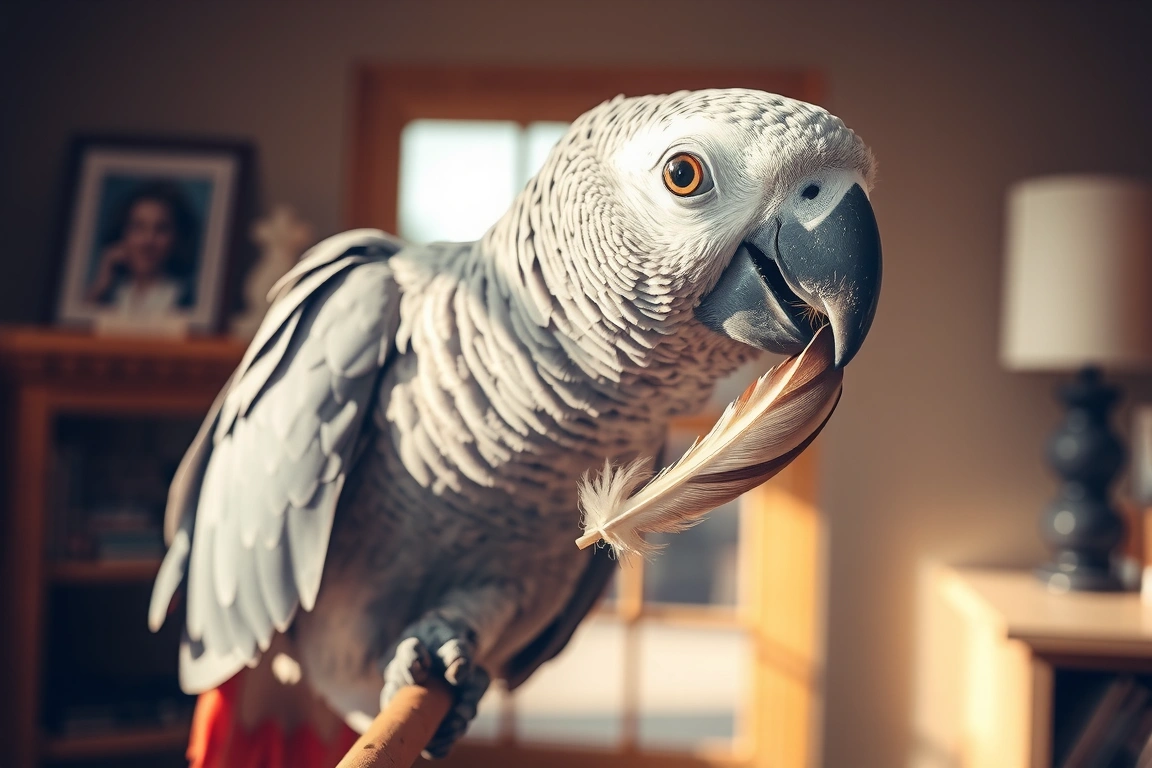
Assuming your bird gets a clean bill of health from an avian vet, the next step is a forensic analysis of its environment. I made the mistake of thinking a bigger cage was the answer, but bar spacing is just as critical. For a Congo African Grey like Mango, who weighs around 450-550 grams, a cage with ¾-inch to 1-inch bar spacing is essential to prevent injury. I upgraded from a basic Prevue Hendryx cage to the King’s Cage 32″x23″ Play Top model (approximately $550), which provided the horizontal space he needed to climb without risking a caught toe. Environmental stressors are often subtle—a cage placed in a high-traffic hallway, exposure to Teflon fumes from a nearby kitchen, or even the flicker of a television screen can induce anxiety that manifests as plucking.
For a Congo African Grey like Mango, who weighs around 450-550 grams, a cage with ¾-inch to 1-inch bar spacing is essential to prevent injury.
Step 1: The Non-Negotiable Veterinary Workup
Your very first action must be scheduling an appointment with a certified avian veterinarian. This is not a step you can skip or delay. A basic wellness exam ($75-$150) is a start, but for a plucking bird, you need a comprehensive diagnostic panel. Expect your vet to recommend a blood count and chemistry profile (around $200), a fecal gram stain and culture ($65-$100), and possibly radiographs ($150-$250) to check for underlying issues like metal toxicity or arthritis. When I took Mango in, the blood work revealed a slight elevation in his white blood cell count, pointing to a low-grade infection that wasn’t otherwise obvious. Treating that with a course of antibiotics was the foundational step that made all subsequent behavioral training possible.
Be prepared to discuss your bird’s entire history in detail. Your vet will want to know the bird’s age, species, diet, the duration of the plucking, and the specific areas targeted (chest, wings, legs). Species matters immensely here. For instance, African Greys and Cockatiels are often prone to calcium deficiencies that can cause skin irritation, while Eclectus parrots have unique dietary needs that, if unmet, can lead to plucking. This visit will establish a baseline and rule out the scariest possibilities, giving you the peace of mind to focus on behavioral modification.
Step 2: The Environmental Overhaul – Building a Pluck-Proof Habitat
Once you have medical causes ruled out, it’s time to transform your bird’s living space. The goal is to create an environment so enriching and comfortable that plucking becomes a less appealing option. This goes far beyond hanging a new toy. Start with the cage itself. The minimum recommended size for a medium parrot like an Amazon or an African Grey is 32″W x 23″D x 60″H. I found the A&E Cage Company 32″x23″ Double Flight Cage (approx. $400) to be an excellent alternative to more expensive brands, offering similar horizontal flight space. The key is providing enough room for full wing stretches and multiple perches at different heights.
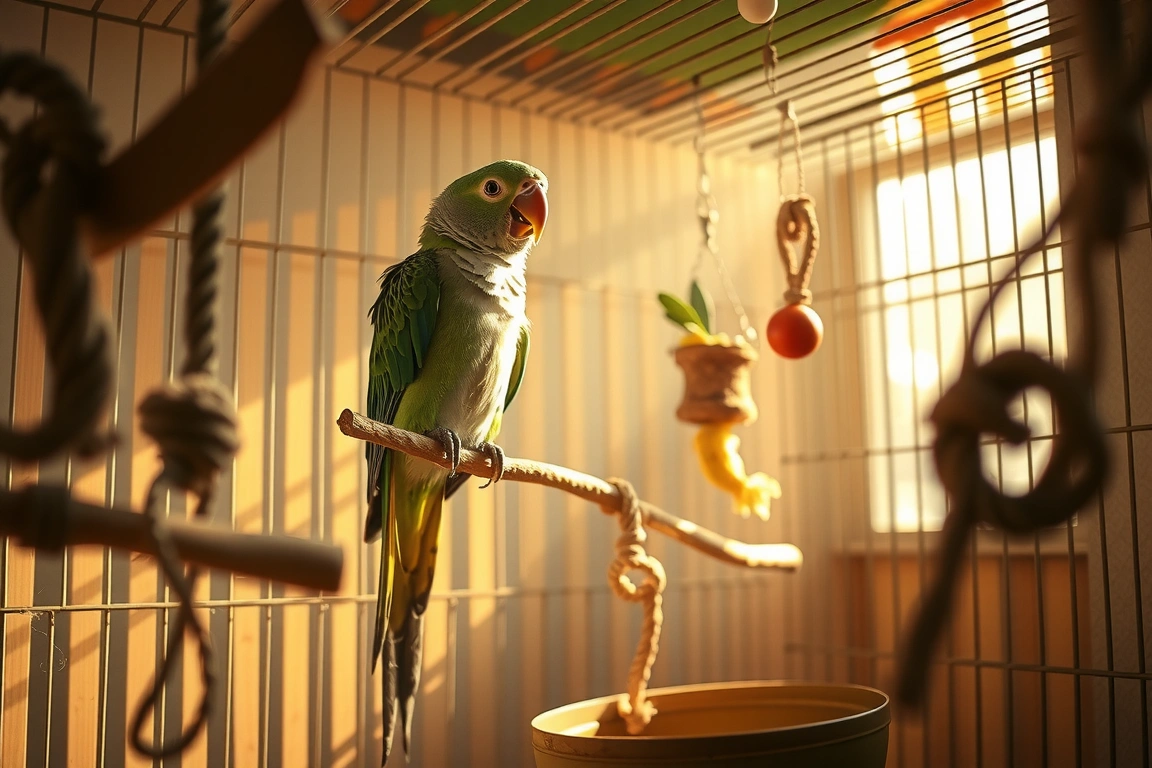
Inside the cage, diversity is critical. You need a variety of perch diameters and textures to promote foot health and prevent pressure sores, which can become plucking targets. I use a combination of:
- A natural manzanwood branch perch (1.5″ diameter) for the main sleeping spot.
- A sandy concrete perch (like the Polly’s Sandblasted Perch, $15) near the food dish for nail maintenance.
- A rope boing for soft, unstable footing that engages core muscles.
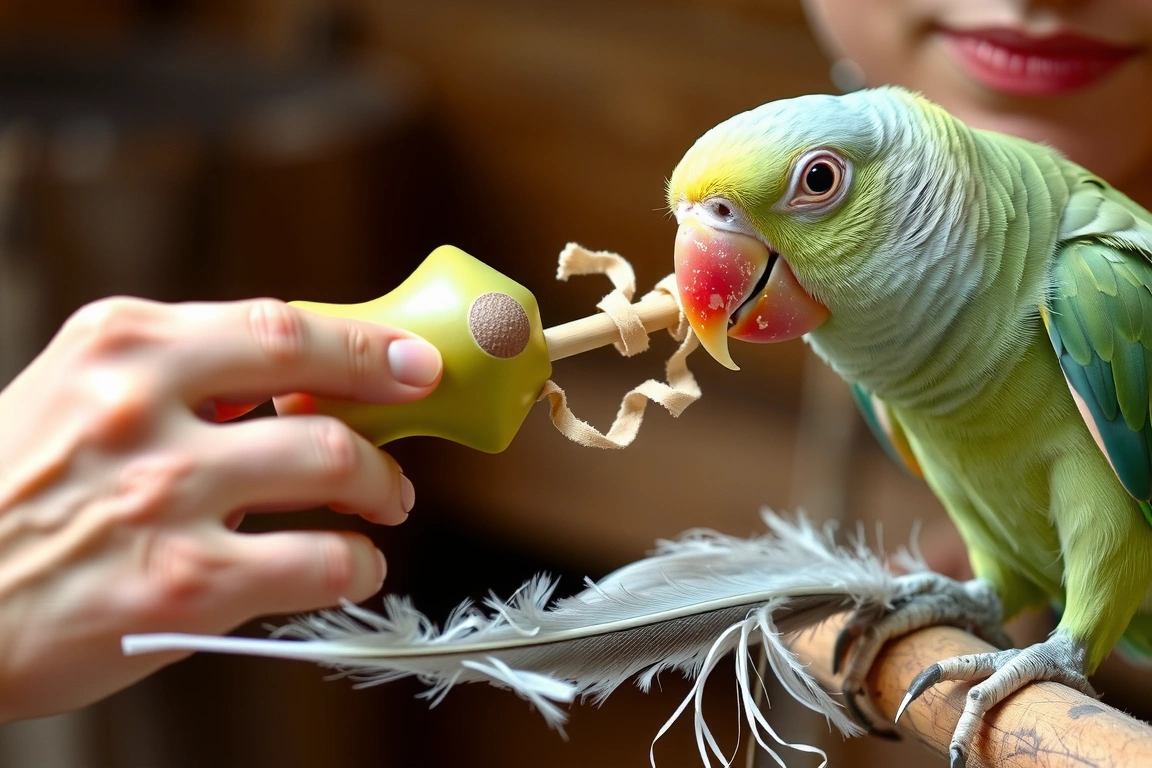
Foraging is your most powerful tool. A bird that spends 4-6 hours a day working for its food doesn’t have time to pluck. Ditch the food bowl for at least one meal a day. I use the JW Pet Combo Forage Pods (around $20 for a set of three) and stuff them with pellets, nuts, and shredded paper. The initial transition might be frustrating for your bird, but within a week, Mango was actively engaged for over 45 minutes each morning dismantling his foraging toys instead of his feathers.
I use the JW Pet Combo Forage Pods (around $20 for a set of three) and stuff them with pellets, nuts, and shredded paper.
Step 3: Diet and Nutrition – Fueling Feather Health
You cannot grow healthy feathers on a poor diet. Many plucking issues are exacerbated by nutritional deficiencies, particularly a lack of protein, vitamin A, and certain amino acids. The foundation of Mango’s diet is a high-quality pellet, specifically Harrison’s High Potency Coarse ($45 for a 5lb bag). I avoid seed mixes as a primary food source because they are too high in fat and lack crucial nutrients. Pellets should make up about 60-70% of the daily diet. The remaining 30-40% should be fresh vegetables—think dark leafy greens like kale and Swiss chard, orange vegetables like sweet potato and carrots, and a limited amount of fruit.
During molting periods, when feather regrowth is most demanding, I add a boost. I sprinkle a powdered avian supplement like Nekton-Bio (about $25 for a container that lasts months) over his moist vegetables. This provides a concentrated hit of B-vitamins and amino acids essential for keratin production. Hydration is also key. Skin dryness can cause itching that triggers plucking. I make sure Mango has a clean water source and occasionally mist him with a simple spray bottle to keep his skin and emerging pin feathers comfortable. The difference in the quality of his new feathers after adjusting his diet was noticeable within a single molt cycle.
Step 4: Behavioral Training and Redirecting the Impulse
This is where the daily, hands-on work begins. The principle is called Differential Reinforcement of Incompatible Behavior (DRI). You can’t just tell a bird to “stop plucking.” Instead, you train it to do something else that is physically impossible to do while plucking. For Mango, that behavior was “targeting”—touching his beak to a small stick. When I saw him start to raise a foot to his chest (his pre-plucking tell), I would immediately present the target stick. Touching it earned him a tiny piece of a pine nut, his highest-value treat. The session lasted only 5-10 minutes, multiple times a day, to avoid frustration.
Consistency is everything. I kept a log for the first month, tracking the time of day he was most likely to pluck (for him, it was late afternoon) and pre-emptively initiating a training session then. We also worked on stationing—teaching him to stay on a specific perch on command. This gave him a job and a sense of structure. If he started to pluck while out of the cage, I’d calmly say “Go to your station” and reward him heavily for complying. It took about three months of daily, consistent work to see a significant reduction in the behavior. The key is to never punish the plucking; that only increases anxiety. You must reward the choices you want to see.
You must reward the choices you want to see.
Step 5: Advanced Interventions and When to Consider Them
For some birds, especially those with long-standing plucking habits, basic training and environmental changes aren’t enough. This is when you circle back with your avian vet to discuss advanced options. One common tool is the use of an Elizabethan collar or “cone.” This isn’t a permanent solution, but a temporary measure to break the habit cycle and allow feathers to regrow without being instantly destroyed. The plastic ones from the vet can be stressful. I had better success with a softer, fabric “birdie bracelet” from a company like Avian Fashions (approx. $30), which Mango tolerated much better for short periods.
Pharmacological intervention is another avenue. Medications like antidepressants (e.g., fluoxetine) or anti-anxiety drugs (e.g., clomipramine) can be prescribed by your vet to lower the bird’s overall anxiety level, making it more receptive to behavioral training. This isn’t a “happy pill”; it’s a tool to help rewire the brain. In severe cases, hormone-suppressing implants like Suprelorin F may be recommended, particularly for birds plucking due to chronic reproductive frustration. These options come with costs—both financial (implants can run $300-$500 including placement) and potential side effects—so they should only be pursued under strict veterinary guidance after other methods have been thoroughly tried.
The Realistic Cost of Managing Feather Plucking
Let’s be blunt: addressing feather plucking is an investment. Hoping it will resolve itself is a recipe for a bald, miserable bird. You need to budget for both initial outlays and ongoing costs. The initial veterinary workup is the biggest hit, typically ranging from $350 to $800 depending on the tests required. The environmental overhaul—a new cage, perches, and a stockpile of foraging toys—can easily add another $500-$1000. I spent about $900 in the first two months on Mango’s setup and vet visits.
Ongoing costs are more manageable but still present. High-quality pellets and fresh produce cost me about $60 per month. I budget $25 monthly for replacing destroyed toys and foraging puzzles. You should also set aside an annual vet fund of around $200 for check-ups. The biggest variable is medication; if your bird requires long-term drugs, that can add $30-$80 to your monthly expenses. While it’s a significant financial commitment, comparing it to the cost of treating a serious infection or injury caused by chronic plucking puts it in perspective. It’s proactive healthcare.
Measuring Success and Managing Your Expectations
Success with feather plucking is rarely a straight line. You will have good days and bad days. The goal is to see a gradual reduction in the behavior and, eventually, the emergence of new pin feathers that are allowed to grow in. Don’t expect a bald chest to be fully feathered in a month. A full molt cycle for a parrot like an African Grey can take 6-12 months. I took weekly photos of Mango’s chest to track progress objectively, because it was easy to feel discouraged day-to-day.
Celebrate small victories. The first time Mango started preening his new pin feathers gently instead of shredding them was a huge win. The first time he went a full 48 hours without a major plucking session felt like a miracle. If you hit a plateau or see regression, don’t panic. Go back to the checklist: Has his diet slipped? Have foraging toys become stale? Is there a new stressor in the home? This is a marathon, not a sprint. Your patience and consistency are the most important tools in your kit. The bond you build with your bird through this process, however, will be stronger than ever.
Helping a parrot overcome feather plucking is one of the most challenging but rewarding experiences a bird owner can face. Your action plan is clear: start with a thorough vet visit to rule out pain, then commit to enriching your bird’s environment with a properly sized cage and endless foraging opportunities. Revamp its diet to support feather regrowth, and dedicate time each day to positive reinforcement training that redirects the plucking impulse. Remember that progress is measured in months, not days, and that setbacks are part of the process. Your consistent, calm presence is the greatest gift you can give your feathered friend on the road to recovery.
Small changes, real momentum
Get practical guides and templates you’ll actually use — a few thoughtful emails a month.
Frequently Asked Questions
Will a collar or vest stop my parrot from plucking permanently?
No, physical barriers like collars or vests are temporary management tools, not cures. They are useful for breaking a intense habit cycle and allowing feathers to grow back without being destroyed, which can be a morale booster for both you and your bird. However, if the underlying cause—whether medical, environmental, or behavioral—isn’t addressed, the plucking will almost certainly resume once the barrier is removed. I used a soft fabric bracelet on Mango for two-week intervals alongside intensive training, which helped him get over the initial hump.
My bird only plucks when I’m not in the room. Why?
This is classic isolation boredom or separation anxiety. Your presence is a primary source of enrichment, and when you leave, the bird may pluck out of frustration or loneliness. The solution is to make the environment engaging even when you’re away. This means leaving the TV or radio on a calm station, providing complex foraging toys that take real effort to solve, and ensuring the cage is placed in a room with a view (but not direct sunlight). Training your bird to be independent for gradually longer periods while you are still at home can also build its confidence.
Are there any species of parrots that are more prone to feather plucking?
Yes, some species have a higher reported incidence of feather destructive behavior. African Grey Parrots, Cockatoos (especially Umbrella and Moluccan), Eclectus Parrots, and Macaws are often considered more susceptible. This is generally linked to their high intelligence, social needs, and specific hormonal or dietary requirements. However, any parrot can develop the habit if its needs aren’t met. A bored Budgie or Lovebird is just as capable of starting to pluck as a large Macaw, which is why species-appropriate care is non-negotiable.
🐾 Our Top Pick
Editor’s Pick: A larger, enriching parrot cage with varied perches.
For the Love of Your Pet
Care guides, breed insights, and gentle advice for happier pets.