Disclosure: This post contains affiliate links. If you click through and make a purchase, we may earn a small commission at no extra cost to you. Thank you for supporting this site!
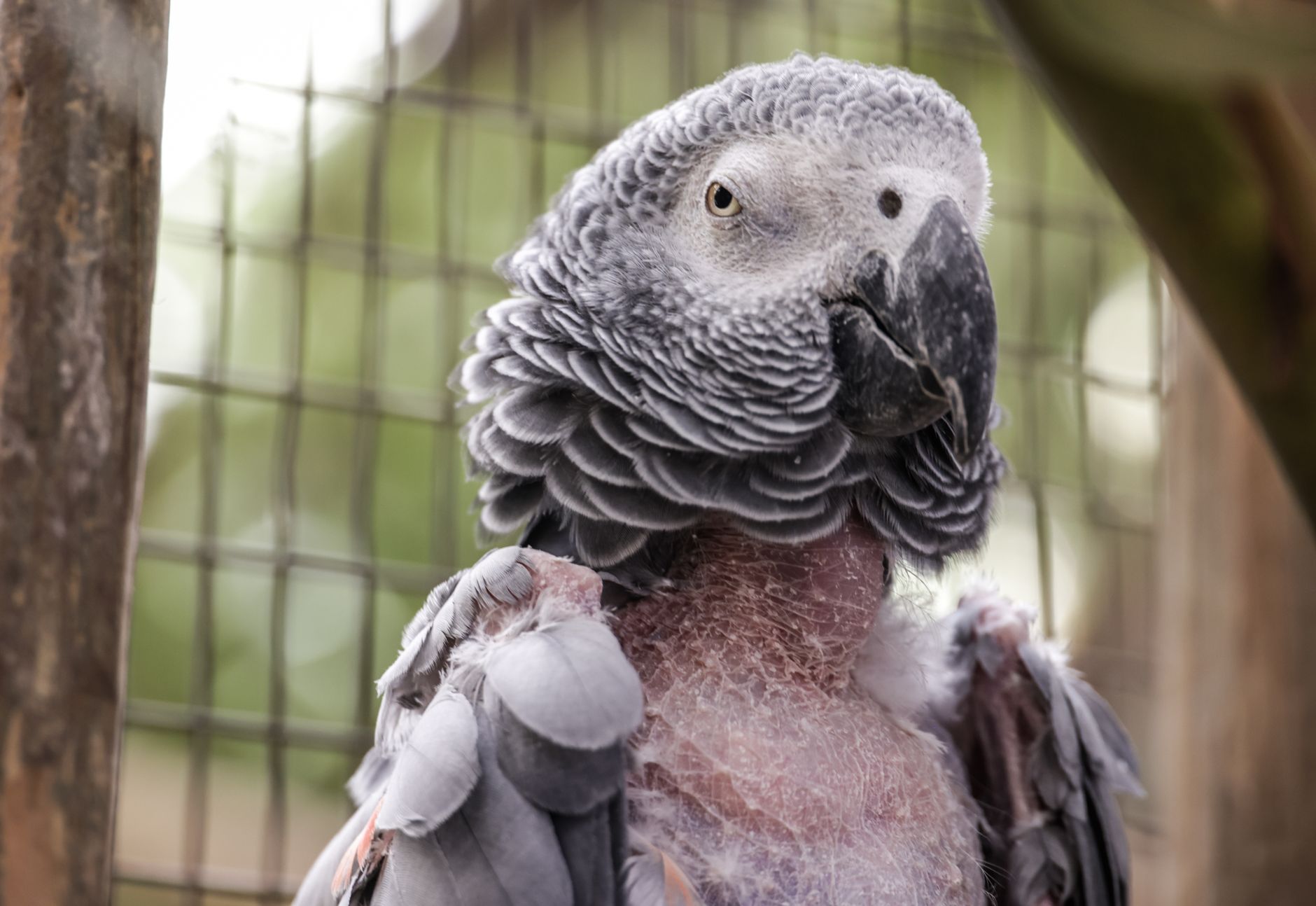
If your parrot is pulling out its own feathers, you’re not alone—up to 10% of captive parrots develop feather destructive behavior (FDB), yet many owners mistake the early signs for molting. I’ve seen this in my own flock: a perfectly healthy-looking African grey who started barbering her chest feathers during a move. The difference between a normal molt and plucking is stark. Molting leaves pin feathers and a symmetrical pattern; plucking creates bald patches, broken shafts, and blood feathers. Feather plucking is rarely a single-cause problem. It’s a symptom that demands a systematic investigation—starting with a vet visit, then a deep dive into your bird’s environment, diet, and daily routine. This article will walk you through the medical and behavioral causes, vet-recommended treatments, and the environmental tweaks that can stop the cycle. You’ll get specific product measurements, price ranges, and care schedules you can implement today.
Medical Causes: What Your Vet Should Rule Out First
Before assuming your bird’s feather plucking is behavioral, you must rule out underlying medical issues. Avian veterinarians typically start with a physical exam, blood work (complete blood count and chemistry panel), and a fecal test. Expect to pay $50–$200 for the exam alone, plus $150–$300 for blood work. Common medical triggers include:
- Psittacine Beak and Feather Disease (PBFD) – A viral infection that damages feather follicles. It’s more common in cockatoos, African greys, and lovebirds. A PCR test costs around $100–$150.
- Giardia – A protozoan parasite that causes itching and feather damage, especially in budgies and cockatiels. Fecal float tests are $30–$50.
- Skin infections (bacterial, fungal, or yeast) – Often secondary to poor hygiene or humidity. Skin scrapes and cultures add $50–$100.
- Allergies – To dust, dander, or certain foods. Elimination diets or intradermal testing can run $200–$400.
- Hypothyroidism or heavy metal toxicity – Less common but possible. Thyroid panels and heavy metal screens are $100–$200 each.
In my experience, the most overlooked medical cause is chronic pain from arthritis or joint issues—especially in older Amazons and macaws. A bird that’s uncomfortable may redirect that discomfort into feather pulling. A full radiographic exam (X-rays) can cost $150–$300 and is worth it if your bird is over 15 years old. Never skip the vet; treating a behavioral issue that’s actually medical wastes time and money—and prolongs your bird’s suffering.
Behavioral Causes: Boredom, Stress, and Learned Habits
Once medical causes are ruled out, the focus shifts to environment and psychology. Feather plucking in parrots is often a coping mechanism for stress, boredom, or frustration. I’ve seen it in a cockatoo left alone for 12 hours a day with only two toys, and in a conure whose cage faced a window with constant street traffic. Key behavioral triggers include:
- Insufficient mental stimulation – Parrots are intelligent and need daily foraging, training, and toy rotation. A 2019 study in Applied Animal Behaviour Science found that African greys given only 30 minutes of out-of-cage time per day showed significantly more feather damage than those with 2+ hours.
- Hormonal stress – During breeding season (spring/summer), many parrots become frustrated without a mate or nesting opportunity. This can trigger plucking, especially in cockatiels and lovebirds. Reducing daylight hours to 10–12 hours and removing dark, enclosed spaces helps.
- Learned behavior – If a bird plucks once due to an itch and the sensation feels good (endorphin release), it can become a habit. This is why early intervention is critical.
- Social isolation or conflict – A bird that’s bullied by a cage mate or ignored by its owner may self-mutilate. Even a change in household routine—new pet, new baby, moving furniture—can trigger plucking.
The most common behavioral cause I encounter is simple boredom. A parrot in a cage that’s too small, with no foraging opportunities and the same three toys for months, will almost certainly develop problems. Let’s look at how to fix that.
Veterinary Interventions: Medications, Topicals, and Supplements
When feather plucking has a medical or severe behavioral component, your vet may prescribe specific treatments. These are not quick fixes—most require consistent application over weeks or months. Here are the most common vet-recommended interventions with real product names and costs:
- Antiparasitics – For giardia, metronidazole (Flagyl) is typical. A 30-day course for a cockatiel costs about $40–$60. For mites, ivermectin (Avimec) drops are $20–$30 per treatment.
- Antifungals – For yeast infections like Candida, fluconazole (Diflucan) is used. A 2-week course for an African grey runs $50–$80.
- Topical sprays – Aloe-based sprays like Vetafarm Aloe Mist ($15 for 250ml) soothe irritated skin. Avitech Feather Plucking Spray ($18 for 200ml) contains bitter apple to deter plucking while the skin heals.
- Supplements – Omega-3 fatty acids (e.g., Harrison’s Omega Blend at $25 for 8 oz) can reduce inflammation. Roudybush Daily Maintenance pellets ($20 for 5 lb) provide balanced nutrition. For anxious birds, Vetafarm Calm ($22 for 4 oz) contains chamomile and L-theanine.
- Behavioral medication – In severe, self-mutilating cases (e.g., a cockatoo that chews into muscle), vets may prescribe selective serotonin reuptake inhibitors (SSRIs) like fluoxetine. This is off-label and costs $30–$60 per month. It should always be combined with environmental enrichment.
I’ve used the Avitech spray on a sun conure that was barbering her flight feathers. It took three weeks of daily application plus a cage overhaul before she stopped. The spray alone wasn’t enough—it just broke the habit long enough for new feathers to grow. The real work was changing her environment.
Environmental Changes: Cage Size, Bar Spacing, and Setup
Your bird’s cage is its primary territory. If it’s too small, has wrong bar spacing, or lacks proper perches and toys, plucking becomes almost inevitable. Here are specific dimensions and products I recommend based on species:
- Cockatiels and Conures (small to medium): Minimum cage size 24″ x 24″ x 30″. The Prevue Hendryx 28″ x 22″ x 46″ Deluxe Flight Cage ($180–$220) has 1/2″ bar spacing—perfect for preventing escape and head entrapment. Weight capacity is about 15 lbs.
- African Greys and Amazons (medium to large): Minimum 36″ x 24″ x 48″. The A&E Cage Company 32″ x 23″ x 40″ Flight Cage ($280–$350) has 3/4″ bar spacing and a 20-lb weight capacity. The Kings Cages 36″ x 24″ x 48″ ($400–$500) offers 5/8″ bar spacing and a removable divider for multi-bird use.
- Cockatoos and Macaws (large): Minimum 48″ x 36″ x 60″. The Kings Cages 48″ x 36″ x 60″ ($600–$800) has 1″ bar spacing and a 50-lb weight capacity. For macaws, look for bar spacing no wider than 1.5″.
Beyond size, focus on perch variety. Use natural wood perches (e.g., Planet Pleasures Dragonwood Perch at $25 for 18″) to promote foot health. Avoid sandpaper covers—they cause abrasions. Place perches at different heights and diameters (1/2″ to 1.5″) to exercise feet. Toys should be rotated weekly. I use Caitec Foraging Wheels ($15 each) and Bonka Bird Toys Kabobs ($12) to keep birds busy. A cage with a play top (like the Prevue Hendryx model) adds valuable out-of-cage space.
Diet and Nutrition: The Missing Piece
Nutritional deficiencies are a major but often overlooked cause of feather plucking. A seed-only diet leads to vitamin A deficiency, which causes dry, itchy skin. Parrots need a balanced pellet base supplemented with fresh vegetables, fruits, and occasional nuts. Here are specific products and feeding guidelines:
- Pellets: Harrison’s High Potency (for weaning and sick birds) or Adult Lifetime Fine (for maintenance). A 5 lb bag costs $25–$30. Roudybush Daily Maintenance ($20 for 5 lb) is a good alternative. Feed 15–20% of body weight daily (e.g., 2 tablespoons for a 100g cockatiel).
- Fresh foods: Offer a dark leafy green (kale, collards) and an orange vegetable (carrot, sweet potato) daily. Add small amounts of fruit (berries, apple) as treats. Avoid avocado, chocolate, and caffeine.
- Supplements: If your bird is plucking, consider Avitech Feather Fast ($18 for 4 oz)—a powdered supplement with biotin, zinc, and methionine. Or Vetafarm Nutrobal ($15 for 100g) for calcium and vitamin D3. Sprinkle on fresh food every other day.
- Water: Change twice daily. Use stainless steel bowls (e.g., Lixit Super Pet Water Bottle at $10) to prevent bacterial growth.
I’ve seen a dramatic turnaround in a plucking Amazon after switching from a seed mix to Harrison’s pellets and adding daily kale. The change took about 6 weeks—new feathers came in smooth and shiny. Diet alone won’t stop plucking if the root cause is behavioral, but it’s a foundational step.
Daily Care Routine: Time Commitment and Cleaning Schedule
Consistent care is non-negotiable for a plucking bird. Here’s a realistic daily and weekly schedule based on my experience with multiple species:
- Daily (15–30 minutes): Remove soiled paper liner, wipe down perches with diluted vinegar (1:1 water), wash food and water bowls with hot soapy water, offer fresh food and water. Spend at least 10–15 minutes of direct interaction (training, talking, or just sitting nearby).
- Weekly (45–60 minutes): Deep clean cage with a bird-safe disinfectant like F10 SC Veterinary Disinfectant ($20 for 500ml). Scrub bars, replace all toys and perches with clean ones, rotate toy selection. Check for sharp edges or loose parts.
- Monthly: Trim nails and beak if needed ($15–$30 at vet/groomer). Inspect for signs of regrowth or new plucking. Take photos to track progress.
- Quarterly: Schedule a vet check-up ($50–$100). For birds with a history of plucking, I recommend biannual blood work.
The biggest mistake owners make is skipping daily interaction. A bird that’s left alone for 8+ hours will find ways to self-stimulate—often by plucking. If you work long hours, consider a bird-sitter or a second bird (same species, same sex to avoid breeding) for companionship. But introduce slowly over 2–4 weeks.
Prevention and Long-Term Management
Feather plucking is rarely cured overnight. It’s a chronic condition that requires ongoing management. The three pillars are: regular vet checks, environmental enrichment, and consistent routine. Here are specific strategies that work:
- Foraging enrichment: Use Caitec Foraging Boxes ($10 each) or make your own with cardboard tubes, paper cups, and treats. Aim for 3–4 foraging opportunities per day.
- Out-of-cage time: Minimum 2–3 hours daily for medium to large parrots. For cockatiels and budgies, 1–2 hours is sufficient. Supervise to prevent accidents.
- Lighting and humidity: Full-spectrum UVB lighting (e.g., Zoo Med Avian Sun 5.0 at $30 for a 24″ bulb) mimics natural sunlight and supports feather health. Replace bulbs every 6–12 months. Humidity should be 40–60%—use a humidifier in dry climates ($40–$80).
- Behavioral modification: If your bird starts plucking, interrupt the behavior with a distraction (offer a toy, call its name). Reward any time it engages with a toy instead of feathers. Never punish
Related from our network
- Dog Behavior Body Language Guide (animalsouldecoder)
- How to Handle Aggressive Behavior in (familyflourish)
- What Makes Perfect Habit Trackers Tick? (bulletjournals)
🐾 Our Top Pick
Editor’s Pick: A high-quality bird food is our first step to reduce stress and improve plumage.
For the Love of Your Pet
Care guides, breed insights, and gentle advice for happier pets.