Are you tired of seeing your beautiful canaries struggle in cages that are too cramped, leading to stress and reduced breeding success? It’s a common pitfall for many new canary breeders, and frankly, it breaks my heart to see it. I remember my first breeding season; I’d crammed three pairs into what I *thought* were spacious cages, only to end up with lethargic hens and chicks that didn’t fledge. The key isn’t just more birds per cage, but the *right* cage, configured for their specific needs during this critical period. Forget those tiny, ornamental birdcages you see everywhere; breeding canaries demand more space, specific perching, and crucially, the right environment to feel secure enough to raise a family. We’re talking about dimensions that allow for flight, for nesting materials, and for the parents to maintain some distance if needed, all while keeping maintenance manageable. Let’s get your breeding pairs set up for success, so you can enjoy watching those tiny fluffballs grow!
| Pick | Best for |
|---|---|
| The Foundation: Cage Dimensions and Bar Spacing for Breeding Pairs | When it comes to breeding canaries, cage size is paramount, and it’s not just about fittin… |
| Essential Nesting Equipment for Canary Breeders | Providing the right nesting setup is non-negotiable for successful canary breeding. |
| Perching, Feeding, and Watering Stations: Optimized for Breeding | When setting up a breeding cage, you need to think about perching strategically. |
| Enrichment and Privacy: Creating a Calm Breeding Environment | While canaries aren’t known for being overly destructive with toys, some basic enrichment … |
| Maintenance and Cost-Effectiveness for Multiple Pairs | Maintaining multiple breeding pairs of canaries means a commitment to daily cleaning and r… |
10 min read
In This Article
- The Foundation: Cage Dimensions and Bar Spacing for Breeding Pairs
- Essential Nesting Equipment for Canary Breeders
- Perching, Feeding, and Watering Stations: Optimized for Breeding
- Enrichment and Privacy: Creating a Calm Breeding Environment
- Maintenance and Cost-Effectiveness for Multiple Pairs
- Conclusion: Your Breeding Canary’s Comfort is Key
- Frequently Asked Questions
Key Takeaways
- The Foundation: Cage Dimensions and Bar Spacing for Breeding Pairs
- Essential Nesting Equipment for Canary Breeders
- Perching, Feeding, and Watering Stations: Optimized for Breeding
- Enrichment and Privacy: Creating a Calm Breeding Environment
The Foundation: Cage Dimensions and Bar Spacing for Breeding Pairs
When it comes to breeding canaries, cage size is paramount, and it’s not just about fitting more birds in. The general consensus among experienced breeders is that a minimum of 24 inches wide, 16 inches deep, and 18 inches high is a good starting point for a single breeding pair. However, I’ve found that going a bit larger, say 30 inches wide, really makes a difference. This extra width allows for a longer flight path, which is crucial for maintaining muscle tone and reducing stress, especially for the hen during incubation. More importantly, it provides enough space for the nest and a comfortable distance for the parents to move around without constantly disturbing each other, which can be a major factor in successful egg-laying and chick-rearing. Don’t skimp here; a slightly larger cage upfront can save you heartache and lost chicks down the line.
Bar spacing is another critical factor, and for canaries, it’s typically 1/2 inch (12-15 mm). This is tight enough to prevent young chicks from accidentally falling out of the cage before they’re ready, but wide enough to allow the parents easy access in and out. While you might find cages with slightly wider spacing, anything over 5/8 inch (about 16 mm) can be risky for young birds. When selecting a cage, look for sturdy construction. Galvanized wire is common, but ensure it’s non-toxic and that any coatings are bird-safe. I always recommend cages made from stainless steel or powder-coated metal for longevity and ease of cleaning, though these can be a higher upfront investment, typically ranging from $100 to $250 for a good quality breeding cage of the dimensions we’re discussing. Cheaper options, often found for under $75, might suffice initially but will likely require replacement sooner due to rust or wear.
Cheaper options, often found for under $75, might suffice initially but will likely require replacement sooner due to rust or wear.
Essential Nesting Equipment for Canary Breeders
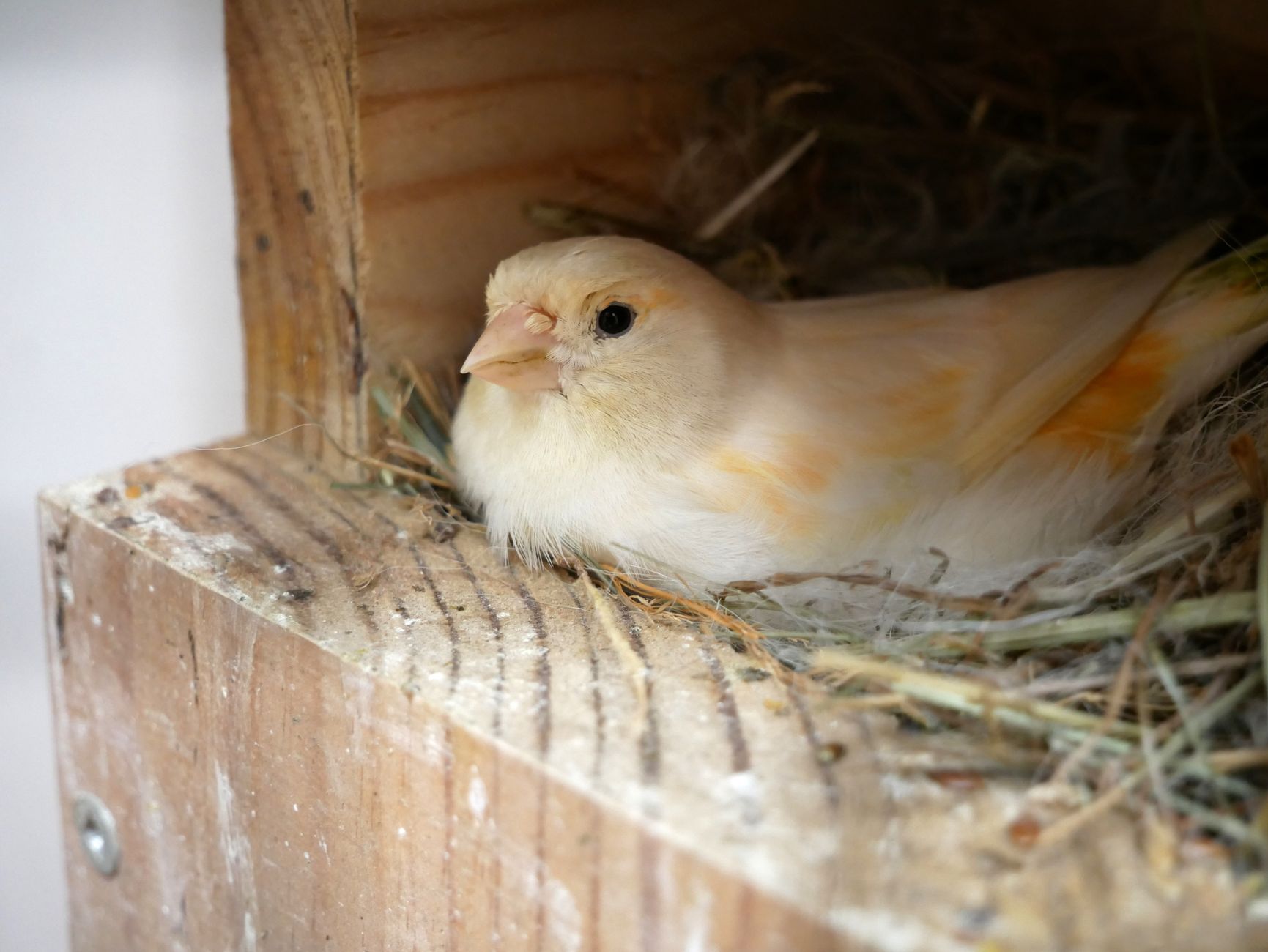
Providing the right nesting setup is non-negotiable for successful canary breeding. Canaries don’t build elaborate nests like some other birds; they prefer a pre-formed cup that they can then line and customize. The most popular and effective option is a canary nest bowl, typically made of ceramic, plastic, or wire. Ceramic bowls are great because they’re easy to clean and disinfect, and they’re heavy enough not to be easily knocked around. Plastic ones are lighter and cheaper, often costing around $2-$5 each, but can be less durable. I personally lean towards ceramic or sturdy plastic bowls, about 4 inches in diameter, as they offer enough space for the hen to build her nest comfortably. You’ll want to have at least one nest bowl per breeding pair, and ideally, a spare one or two on hand to swap out for cleaning.
Beyond the nest bowl itself, the nesting material is just as important. Canaries need soft, pliable materials to line their nests. My go-to recommendation is a blend of natural fibers like hay, dried grass, and soft cotton or wool fibers specifically designed for bird nests. You can purchase pre-packaged nesting materials from reputable pet stores or online retailers for roughly $5-$10 per bag, which usually lasts for several breeding cycles. Avoid using anything with long, stringy fibers like yarn or thread, as these can entangle the birds, especially the chicks. I also like to offer a small amount of fine, sterile coconut fiber or peat moss; it helps with insulation and moisture absorption. Always ensure the materials are clean, dry, and free from pesticides or chemicals. I usually place the nest bowl on the outside of the cage, attached to the bars, with an opening for the hen to enter. This keeps the nest clean and allows for easy observation without disturbing the hen too much.
This keeps the nest clean and allows for easy observation without disturbing the hen too much.
Perching, Feeding, and Watering Stations: Optimized for Breeding
When setting up a breeding cage, you need to think about perching strategically. While canaries are small, they still need adequate perching to rest, preen, and feed their young. I recommend a mix of natural wooden perches of varying diameters, ideally between 1/4 and 1/2 inch. This variety helps exercise their feet and prevents conditions like bumblefoot. Avoid dowel perches that are all the same size, as they can be hard on their feet over time. Position perches so they don’t hang directly over food or water dishes, preventing contamination. Also, ensure there’s a perch near the nest box but not so close that it makes the hen feel exposed or vulnerable. Most good quality breeding cages will come with some basic perches, but I always supplement with natural branches, making sure they are from safe, non-toxic trees like apple or pear, and thoroughly cleaned before use.
Feeding and watering stations in a breeding cage require careful consideration. You’ll need separate dishes for their seed mix, fresh greens, and water. For seed, I prefer ceramic or stainless steel dishes that are easy to clean and disinfect, typically costing around $3-$7 each. These should be filled daily. Fresh greens, like finely chopped kale, spinach, or romaine lettuce, are vital for providing essential vitamins and minerals, especially during breeding season. A separate shallow dish, perhaps a small ceramic saucer, works well for greens. For water, a standard sipper bottle can be useful as it keeps the water clean and prevents spillage, but I also like to offer a small, shallow water dish, especially when chicks are young, as they sometimes struggle with the nipple on the bottle initially. Clean water should be provided daily, and more often if it becomes soiled. I usually place these dishes at opposite ends of the cage to encourage movement and prevent any territorial disputes over food sources.
I usually place these dishes at opposite ends of the cage to encourage movement and prevent any territorial disputes over food sources.
Enrichment and Privacy: Creating a Calm Breeding Environment
While canaries aren’t known for being overly destructive with toys, some basic enrichment can still be beneficial, especially for the male bird who might otherwise become bored and agitated. Simple, safe items like small swings, sturdy ladders, or even a cuttlebone can provide mental stimulation. However, during the actual breeding period – from nest building through the fledging of chicks – I significantly reduce or remove most toys. The primary focus shifts to providing a calm and secure environment. Excessive movement or loud noises around the cage can cause stress, leading to egg-eating, abandonment of chicks, or even aggression between the pair. It’s crucial to place the breeding cage in a quiet area of your home, away from high traffic, direct sunlight, and drafts. My breeding setup is in a dedicated room where I can control the light and temperature, ensuring minimal disturbance.
Privacy is just as vital as space. Canaries, especially the hen, need to feel safe and undisturbed while incubating eggs and caring for their young. This is where strategically placed nest boxes and visual barriers come into play. As I mentioned, I often attach nest boxes to the outside of the cage. For added privacy, you can use a natural material like a clean, dried palm frond or a piece of bird-safe burlap to partially screen the nest box area from direct view. However, be careful not to create a space where ventilation is compromised or where the birds can become trapped. A good rule of thumb is to provide privacy without creating a dark, enclosed space that might encourage mold or limit airflow. I also avoid placing mirrors or other visual distractions near the breeding cage, as these can sometimes confuse the birds or incite unwanted territorial behavior.
Maintenance and Cost-Effectiveness for Multiple Pairs
Maintaining multiple breeding pairs of canaries means a commitment to daily cleaning and regular deep cleans. Daily tasks involve spot-cleaning droppings, refreshing food and water, and removing any soiled nesting material. This should take no more than 10-15 minutes per pair. Weekly deep cleans involve removing all perches, dishes, and the nest box to scrub and disinfect them thoroughly. A good disinfectant for bird cages is a diluted solution of white vinegar or a veterinary-grade avian disinfectant, like F10SC, which you can typically find for around $20-$30 for a concentrated bottle that lasts a long time. The cage itself should be wiped down with this solution, and then rinsed thoroughly and dried. This level of cleaning is crucial for preventing the spread of disease, which can be devastating in a breeding setup. Expect to spend roughly $10-$20 per month per pair on cleaning supplies and disinfectants, depending on the products you choose.
To keep costs manageable when running multiple breeding pairs, smart purchasing and DIY solutions can be your best friends. For instance, buying seed mixes in bulk (e.g., 20-50 lb bags) will always be more economical than small bags, saving you about 15-20% per pound. Similarly, purchasing nesting materials like hay or cotton fibers in larger quantities can also yield savings. Instead of buying pre-made greens mixes, grow your own safe greens like millet spray or a small herb garden. For cages, while high-quality stainless steel cages are ideal for longevity and hygiene, they are a significant upfront investment, often costing $200-$400 each. A more budget-friendly but still effective option is a good quality powder-coated cage, which can range from $100-$250. If you’re handy, building your own cages can be incredibly cost-effective, using safe materials like galvanized wire mesh and untreated wood, costing potentially under $75 per cage for basic dimensions. This approach requires careful planning to ensure bar spacing and overall dimensions are correct, but it offers the most control over quality and cost.
Conclusion: Your Breeding Canary’s Comfort is Key
Setting up a successful breeding environment for your canaries boils down to three core principles: ample space, appropriate nesting resources, and a calm, private atmosphere. Prioritize cages with at least 24-30 inches of width and 1/2 inch bar spacing, ensuring your birds have room to fly and feel secure. Always provide quality nest bowls and clean, natural nesting materials, as this directly influences the hen’s willingness and ability to lay and hatch eggs. Finally, remember that a peaceful environment, free from excessive noise and disturbance, is non-negotiable for reducing stress and maximizing breeding success.
To recap, ensure your breeding cages are at least 24 inches wide with 1/2-inch bar spacing. Stock up on 4-inch nest bowls and a variety of soft, natural nesting materials. Finally, place your breeding pairs in a quiet, low-traffic area, providing visual privacy around the nest box. By focusing on these practical aspects, you’re not just providing a cage; you’re creating a home where your canaries can thrive and raise their young successfully. I’ve found that investing a little more time and effort into the initial setup pays dividends throughout the breeding season, leading to healthier birds and more fledglings.
Small changes, real momentum
Get practical guides and templates you’ll actually use — a few thoughtful emails a month.
Frequently Asked Questions
What is the ideal temperature for breeding canaries?
Canaries generally breed best in temperatures between 65-75°F (18-24°C). It’s important to avoid sudden temperature fluctuations, as these can stress the birds and negatively impact breeding. Ensure the cage is not placed in direct sunlight or near drafts, which can cause chilling. Consistent, moderate temperatures are key to encouraging courtship and ensuring the health of both the parents and the developing chicks. If you live in a very cold climate, a small, bird-safe heater designed for aviaries might be necessary for a dedicated breeding room.
How often should I change the nesting material?
You should check the nest box daily for any soiling, especially after the chicks hatch. If the material is clean, you typically don’t need to change it until after the chicks have fledged, usually around 16-20 days after hatching. However, if the hen seems to be adding a lot of new material or if the existing material becomes wet or soiled, it’s best to carefully swap out the old material for fresh, clean bedding. A good practice is to have a second, pre-prepared nest bowl ready to swap with the soiled one, allowing you to clean the original without disturbing the birds for too long.
Can I house multiple breeding pairs in one large aviary?
Housing multiple breeding pairs in a single aviary is generally not recommended, especially for canaries, as they can be territorial during breeding season. While some species might tolerate it, canaries often exhibit aggression, leading to fights, egg-eating, or abandonment. It’s far more successful to house each pair in their own individual breeding cage. This allows you to monitor each pair individually, control their diet, and prevent competition or interference from other pairs. A large aviary is great for flight and exercise during the non-breeding season, but for dedicated breeding, individual cages are the standard practice among successful breeders.
Keep reading
For the Love of Your Pet
Care guides, breed insights, and gentle advice for happier pets.