Introduction: Why Most Bird Owners Underestimate Setup Costs
You’ve finally decided to bring a feathered friend into your home, and you’re probably picturing a simple cage with a perch and a food bowl. The reality, however, is that a proper bird cage setup can cost anywhere from $200 to over $1,500 depending on the species you’re keeping and the quality of equipment you choose. That initial sticker shock catches many new owners off guard, but here’s the good news: with a clear breakdown of exactly where your money goes, you can build a safe, enriching habitat without wasting a dollar on unnecessary fluff.
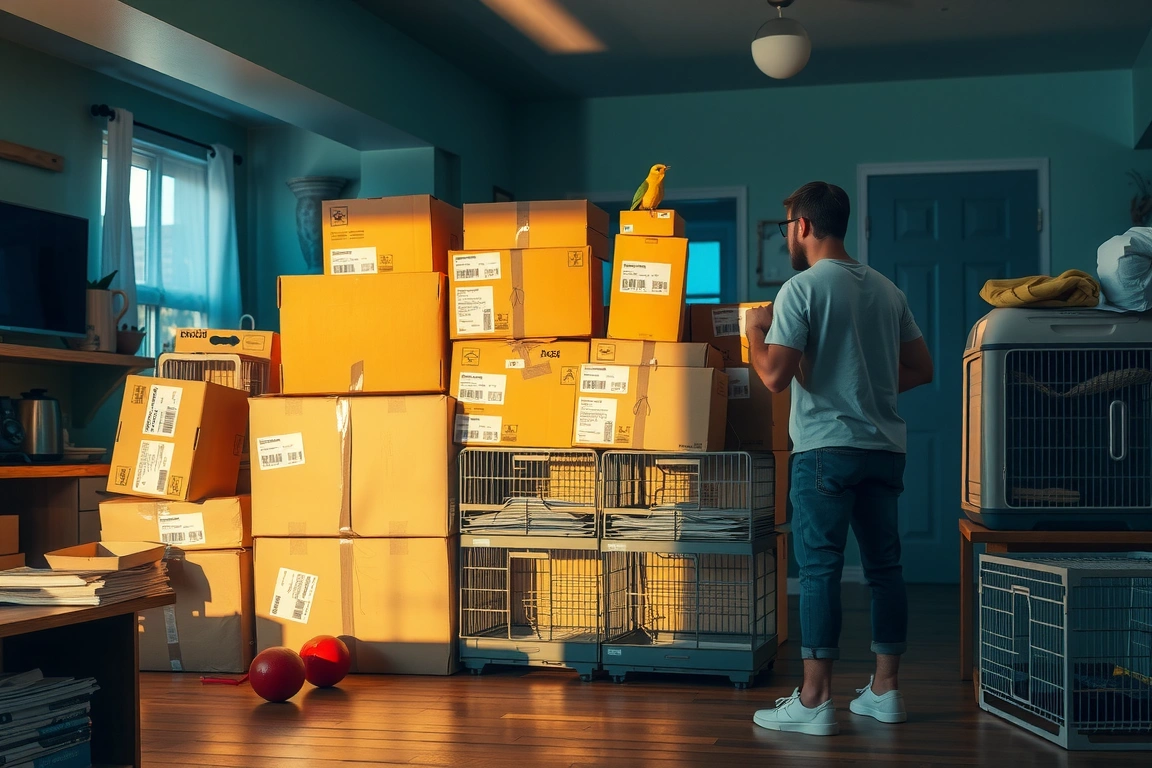
This guide walks you through every component of a bird cage setup — from the cage itself to perches, food bowls, toys, lighting, and ongoing supplies — with real prices, brand recommendations, and actionable tips that actually save you money. Whether you’re setting up for a budgie, a cockatiel, a conure, or an African grey, you’ll know exactly what to buy and what to skip.
1. The Cage: Your Biggest Investment
The cage is the single most expensive component of your bird cage setup, and it’s also where you should never cut corners. A flimsy, undersized cage leads to behavioral problems, feather damage, and even injury. Your bird will spend the majority of its life inside this enclosure, so it needs to be spacious, safe, and built to last.
What to Look For in a Cage
- Bar spacing: Too wide and your bird can escape or get its head stuck. For budgies and lovebirds, ½ inch spacing is ideal. Cockatiels and conures need ⅝ to ¾ inch. African greys and macaws require 1 to 1½ inches.
- Material: Powder-coated steel is the standard for durability and safety. Avoid zinc, lead, or copper coatings — these are toxic if chewed. Stainless steel is the gold standard but costs 2–3x more.
- Shape: Rectangular cages are superior to round or dome-shaped cages. Birds need corners to feel secure, and round cages can cause psychological stress.
- Size: The minimum width should be at least 1.5 times your bird’s wingspan. For a cockatiel, that means at least 24 inches wide. Bigger is always better.
Price Ranges for Quality Cages
| Bird Type | Entry-Level ($) | Mid-Range ($$) | Premium ($$$) |
|---|---|---|---|
| Budgie / Parakeet | $60–$90 | $100–$180 | $200–$350 |
| Cockatiel / Lovebird | $90–$150 | $150–$250 | $300–$500 |
| Conure / Senegalese | $120–$200 | $200–$400 | $400–$700 |
| African Grey / Amazon | $250–$400 | $400–$700 | $700–$1,200 |
| Macaw | $400–$700 | $700–$1,200 | $1,200–$2,000 |
Recommended brands: A&E Cage Co., Prevue Hendryx, and HQ Home Living offer solid mid-range options. For stainless steel, Kings Cages and Montana Cages are the top-tier choices.
Actionable tip: Check local classifieds and Facebook Marketplace for used cages. Disinfect thoroughly with a 1:10 bleach-water solution, rinse well, and let it air dry for 48 hours before introducing your bird. You can often find a $300 cage for under $100 this way.
2. Perches and Natural Branches
The dowel perches that come with most cages are the worst thing you can use for your bird’s feet. They’re uniformly sized, which means constant pressure on the same points of the foot, leading to bumblefoot (a painful infection) and arthritis. A proper bird cage setup includes perches of varying diameters, textures, and materials.
Types of Perches and What They Cost
- Natural wood branches: $8–$15 each. Manzanita, dragonwood, and grapevine are excellent. Buy from bird-safe suppliers like Bird Kabobs or JD’s Birdhouse. Avoid branches from treated trees or unknown sources.
- Rope perches: $6–$12 each. Cotton or hemp rope perches provide a soft grip and are great for birds that like to climb. Trim any frayed ends to prevent toe entrapment.
- Pumice or cement perches: $5–$10 each. These help keep nails trimmed naturally. Place one at the highest point in the cage where your bird roosts at night — that way it’s used during sleep, not for play.
- Platform perches: $8–$20 each. Flat platforms give the feet a break from round perches. Place one near a food bowl so your bird can stand comfortably while eating.
How many perches do you need? Three to five perches in a cage of average size (24×24 inches). Place them at different heights, ensuring at least two are at the same level so your bird can move horizontally without flying.
Actionable tip: Rotate perches every month. Swap wood branches with rope perches to vary foot pressure points. This simple habit can prevent foot problems for life.
3. Food and Water Bowls
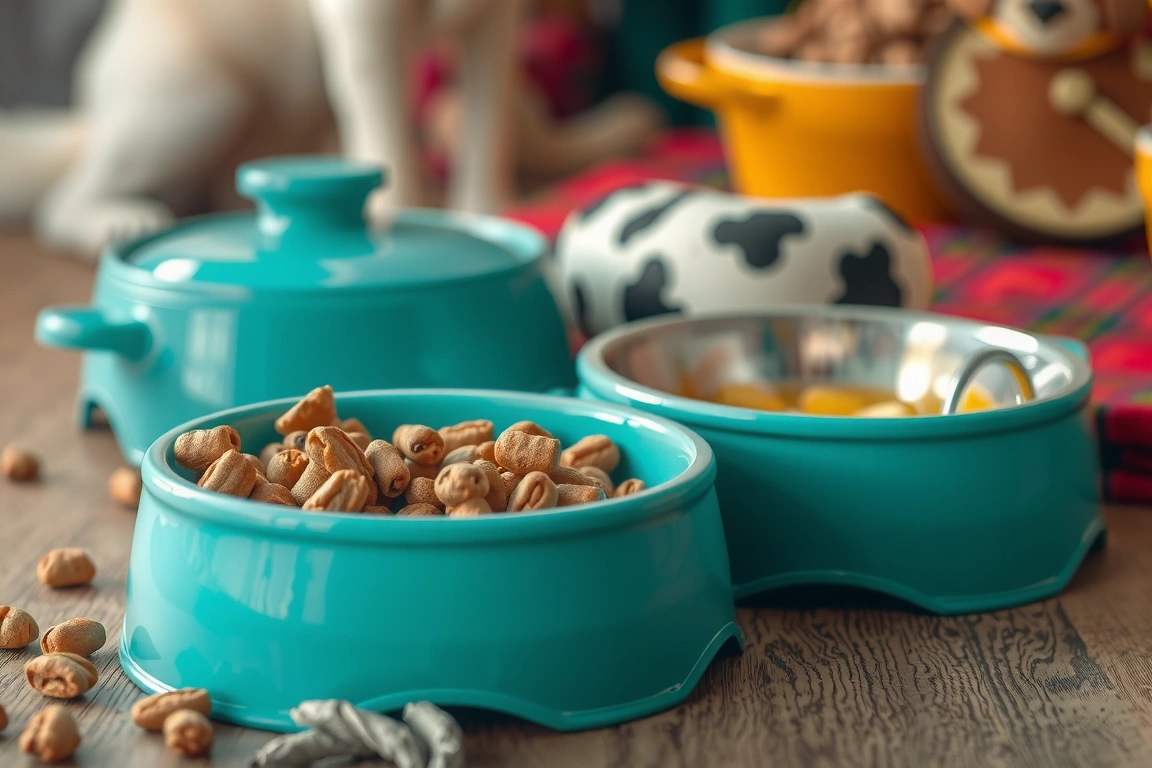
You can get away with the plastic bowls that come with most cages, but upgrading to stainless steel is one of the best investments you’ll make. Plastic scratches easily, and those scratches trap bacteria that can cause crop infections. Stainless steel is non-porous, dishwasher-safe, and lasts forever.
Cost Breakdown for Bowls
- Stainless steel bowls (set of 3): $15–$30. Look for bowls with a snap-on rim that attaches to the cage bars without clips. Brands like Lixit and Prevue Hendryx make reliable sets.
- Water bottles: $8–$18. Many birds prefer a water bottle over an open dish because it stays cleaner. However, always provide a bowl as well — some birds refuse bottles entirely.
- Foraging bowls: $10–$25. These are shallow bowls that you can fill with crinkle paper, shredded cardboard, or dried leaves, then hide seeds or pellets inside. They’re excellent for mental stimulation.
Placement matters: Never put food or water directly under a perch — birds will defecate into it. Keep bowls at least 6 inches away from any perch, and clean them daily with hot water and a scrub brush. Use a bird-safe disinfectant (like F10 or Aviclean) once a week.
4. Toys and Enrichment
Toys aren’t optional — they’re essential for your bird’s mental and physical health. A bird without enrichment will develop destructive behaviors like feather plucking, screaming, and aggression. Plan to spend $20–$60 per month on toys, because you’ll need to rotate them regularly to keep things interesting.
Categories of Toys You Need
- Chewing toys: $5–$15 each. Birds chew to keep their beaks trimmed and to relieve boredom. Look for toys made of balsa wood, pine, sola, or palm leaves. Planet Pleasures and Bonka Bird Toys are excellent brands.
- Foraging toys: $8–$25 each. Foraging is the single most enriching activity for a bird. Start simple with a crumpled paper cup hiding a treat, then move to more complex puzzles like the Trixie Dog Activity Puzzle (yes, dogs — but it works brilliantly for parrots).
- Foot toys: $5–$12 each. Small objects that your bird can pick up, toss, and manipulate. Stainless steel jingle bells, small wooden blocks, and acrylic rings all work well.
- Shredding toys: $6–$18 each. Anything that can be taken apart — mahogany pods, cork chunks, woven palm mats. These keep birds occupied for hours.
- Swings and boings: $12–$30. A coil rope boing is a favorite for conures, cockatiels, and caiques. Make sure the diameter is appropriate for your bird’s foot size.
Actionable tip: Don’t buy all your toys at once. Start with 4–5 toys and rotate one out every week. Introduce new toys gradually — many birds are initially afraid of unfamiliar objects. Hang a new toy near the cage for a few days before placing it inside.
5. Cage Liners and Substrates
What goes on the bottom of the cage is more important than most owners realize. The wrong liner can harbor bacteria, cause respiratory issues, or even lead to impaction if your bird ingests it.
Liner Options and Costs
| Material | Cost per Month | Pros | Cons |
|---|---|---|---|
| Newspaper (unprinted) | $0 (free) | Inexpensive, easy to see droppings | Printer ink can be toxic — use unprinted sections only |
| Paper cage liners | $8–$15 | Absorbent, dust-free, safe to chew | Cost adds up over time |
| Corn cob bedding | $10–$20 | Natural, absorbent | Can grow mold if wet; dusty for some birds |
| Crushed walnut shell | $12–$25 | Attractive, absorbs odor | NOT safe — can cause crop impaction if ingested. Avoid completely. |
| Fleece cage mats | $15–$30 (one-time) | Reusable, washable, soft | Must be washed every 2–3 days; can fray |
Recommendation: Use unprinted newspaper or paper cage liners. They’re safe, cheap, and you can see droppings clearly — which is critical for monitoring your bird’s health. Change the liner every single day. No exceptions.
6. Lighting and Environmental Essentials
Birds need more than just a cage and toys. Proper lighting, humidity, and temperature control are often overlooked but make a massive difference in your bird’s health and feather condition.
Full-Spectrum Lighting
Birds need UVA and UVB light to synthesize vitamin D3, which is critical for calcium absorption and bone health. If your bird isn’t getting direct sunlight for at least 4–6 hours a day (through a window doesn’t count — UVB is blocked by glass), you need a full-spectrum bird light.
- FeatherBrite Full Spectrum Lamp: ~$60–$80
- Zoomed Avian Sun Bulb: ~$30–$50 for the bulb, plus $20–$40 for a fixture
- Arcadia Bird Lamp: ~$80–$120, considered the best on the market
Position the light 12–18 inches from the cage and run it for 6–8 hours per day. Replace bulbs every 6–12 months — even if they still light up, the UV output degrades over time.
Humidity and Temperature
Most pet birds thrive at 65–80°F with humidity between 40% and 60%. If you live in a dry climate (or run the heater in winter), consider a cool-mist humidifier. A basic Honeywell humidifier costs about $40–$60. For temperature control, never place the cage near air vents, radiators, or drafty windows.
7. Ongoing Monthly Costs
Your bird cage setup isn’t a one-time purchase — it’s an ongoing commitment. Here’s what you’ll spend per month on average, depending on your bird’s size and species.
| Expense Category | Small Bird (Budgie) | Medium Bird (Cockatiel/Conure) | Large Bird (Grey/Macaw) |
|---|---|---|---|
| Pellets & seeds | $10–$18 | $20–$35 | $40–$70 |
| Fresh produce | $10–$15 | $20–$30 | $30–$50 |
| Toys (replacement) | $10–$20 | $15–$30 | $25–$50 |
| Cage liners | $8–$12 | $10–$15 | $15–$20 |
| Treats & supplements | $5–$10 | $10–$15 | $15–$25 |
| Total monthly | $43–$75 | $75–$125 | $125–$215 |
These numbers don’t include vet visits — which you should budget for separately. An annual well-bird checkup runs $75–$150, and emergency visits can cost $200–$600 or more. Set aside at least $30–$50 per month in a dedicated vet fund.
8. Full Setup Cost Comparison by Bird Size
Here’s a complete one-time setup cost for each bird category, using mid-range recommended products.
| Item | Budgie | Cockatiel | Conure | African Grey | Macaw |
|---|---|---|---|---|---|
| Cage | $120 | $200 | $300 | $550 | $900 |
| Perches (4–5) | $35 | $45 | $55 | $70 | $100 |
| Bowls (stainless) | $18 | $22 | $25
For the Love of Your PetCare guides, breed insights, and gentle advice for happier pets. |