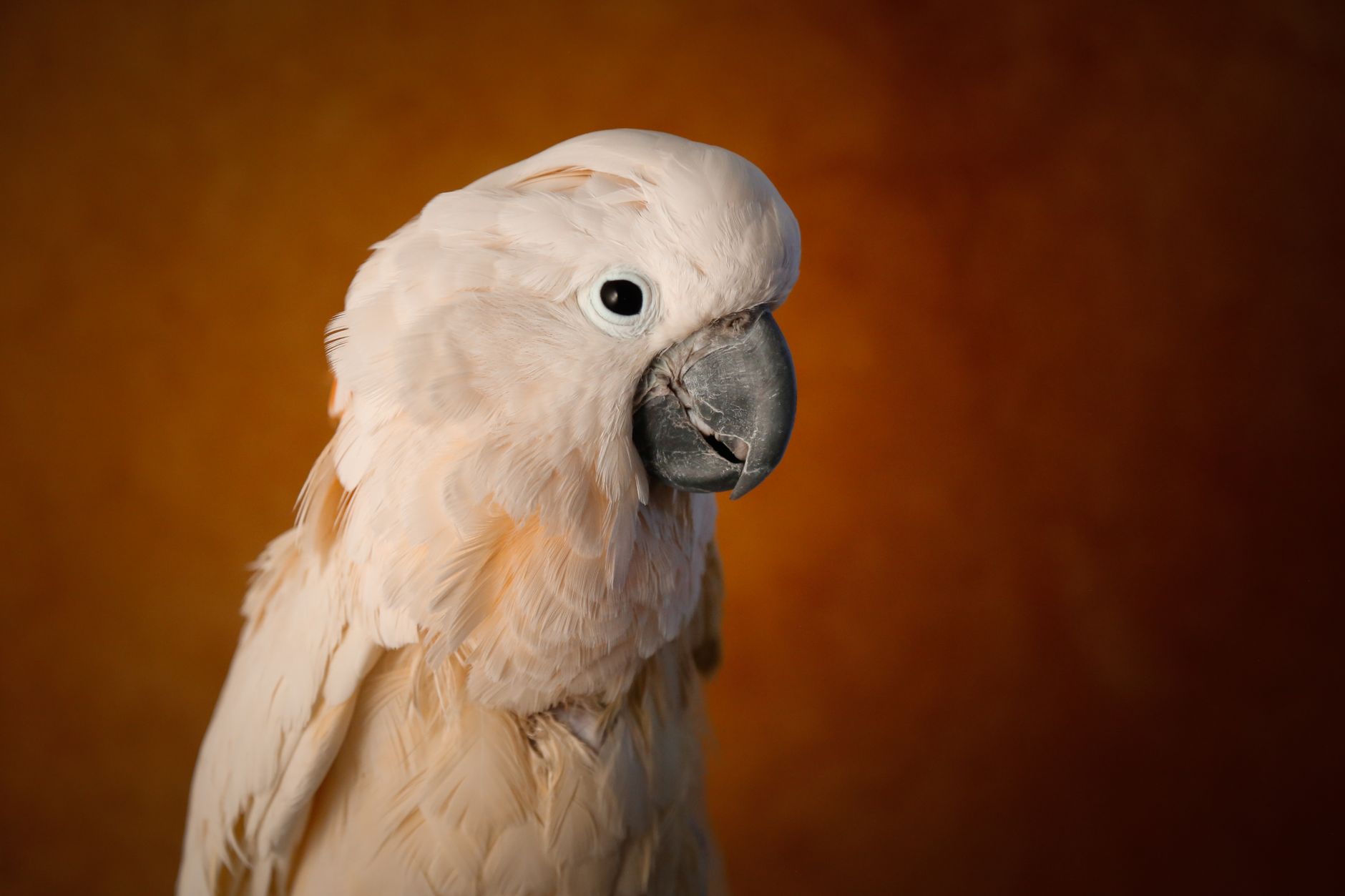
I’ll be honest with you: I grew up watching my uncle’s sulphur-crested cockatoo systematically destroy his living room furniture, and fifteen years later, I still remember the sound of wood splintering under its beak. That bird was magnificent, brilliant, and utterly exhausting. If you’re considering a cockatoo, you need to understand that you’re not adopting a feathered pet—you’re committing to a 50-year relationship with an animal that has the emotional intelligence of a toddler, the strength of a small vice, and the stubbornness of, well, a cockatoo. These aren’t beginner birds. They’re not impulse buys. They require more daily attention than most dogs, specialized veterinary care that costs 2–3 times what you’d pay for a parrot, and a cage setup that’ll run you $3,000–$8,000 just to start. But if you’re prepared for the reality—not the Instagram fantasy—a cockatoo can be one of the most rewarding animal relationships you’ll ever have. This article cuts through the romance and gives you the actual numbers, timelines, and hard truths so you can decide whether you’re genuinely ready.
The Real Cockatoo Temperament: What the Pet Store Won’t Tell You
Cockatoos are emotionally intense birds, and that’s not a euphemism. The major pet cockatoo species—Sulphur-crested, Moluccan, Umbrella, and Lesser Sulphur-crested—all score between 8–9 out of 10 for what avian behaviorists call “emotional dependency needs.” What that means in practical terms: your bird will scream if you leave the room for too long (usually 20–30 minutes for an adult bird), and that scream isn’t a gentle chirp. A Moluccan cockatoo’s call peaks at 130 decibels—louder than a chainsaw, comparable to a jet engine at takeoff. I’ve visited homes where neighbors have complained, and I’ve seen apartment leases termination clauses specifically because of cockatoo noise. You need to accept this upfront, not hope you’ll train it out.
Temperament varies by species, and this matters. Sulphur-crested cockatoos (native to Australia, lifespan 40–60 years) are particularly prone to aggression during breeding season (roughly March–June in Northern Hemisphere homes), and they have a documented history of mate aggression if kept in pairs or group settings. Moluccan cockatoos (60–80 year lifespan, native to Indonesia) are the most physically affectionate but also the most likely to become anxious and destructive if not given 3–4 hours of direct interaction daily. Umbrella cockatoos (40–60 year lifespan) fall somewhere in the middle—intelligent, playful, but prone to feather plucking if bored or stressed. Lesser Sulphur-crested cockatoos (shorter-tailed, 40–50 year lifespan) are smaller and slightly less destructive than their larger cousins but still demand serious engagement.
The aggression issue deserves its own paragraph because it’s the biggest reason cockatoos end up surrendered to sanctuaries. Unlike smaller parrots, a cockatoo bite isn’t a pinch—it’s a wound that requires stitches. I’ve seen photos from sanctuaries, and they’re sobering. Cockatoos, particularly males once they reach sexual maturity (4–8 years old depending on species), can redirect that breeding impulse aggressively toward their owners. Even the sweetest, hand-raised bird can switch from cuddling your ear to biting it hard enough to draw blood in a single moment. This isn’t malice; it’s neurochemistry. You need to respect that boundary and adjust handling accordingly as the bird matures.
Daily Time Commitment: The 20-Hour Rule (It’s Not Exaggeration)
Here’s the number that stops most people cold: a cockatoo needs 3–4 hours of direct, engaged attention daily, minimum. Not “in the same room”—actually interacting. Playing with toys, training, foraging, socializing. For a Moluccan or larger Sulphur-crested, many experienced owners recommend closer to 4–5 hours. If you can’t commit to that, don’t get the bird. Period. A cockatoo left alone for 8 hours, five days a week while you work, will develop behavioral issues within 12–18 months. We’re talking about extreme screaming, self-injury (feather plucking, chewing its own feet), and aggression toward anyone who approaches the cage.
Let me break down what those 3–4 hours actually look like in a real schedule. Morning routine (30 minutes): uncovering the cage, fresh water and food, a quick foraging activity. Mid-morning or lunch break (30 minutes): out-of-cage time, maybe training a new step-up or working on a puzzle feeder. Afternoon (1–1.5 hours): supervised out-of-cage time, ideally in a bird-safe room where the cockatoo can explore, climb, and destroy toys (which is healthy enrichment). Evening (1–1.5 hours): interaction time, more training, or just hanging out near you while you’re doing something. That’s the baseline for a psychologically healthy bird.
If you work a typical 9-to-5, you’re looking at compressed schedules: early mornings before work, a lunch break spent at home (or hiring a pet sitter), and evenings dedicated almost entirely to the bird during the first 2–3 years of ownership. Weekends become your chance to really engage in enrichment activities or visits to avian veterinarians (which, trust me, will happen). I know someone who has a Moluccan cockatoo and keeps a baby monitor pointed at the bird’s cage while she’s at work—if it starts screaming or showing distress, she gets an alert and either goes home or calls someone to check in. That’s the level of attention we’re discussing.
Cage Setup: Dimensions, Bar Spacing, and Real Costs
The minimum cage size for a Sulphur-crested or Moluccan cockatoo is 48 inches wide × 48 inches deep × 60 inches tall. That’s 4 feet by 4 feet by 5 feet. Anything smaller is genuinely inadequate, no matter what a pet store label says. For comparison, the bare minimum recommended by avian veterinarians (following ABVP standards) is a flight cage with a footprint no smaller than 4 × 4 feet for a large macaw or cockatoo, and many experts recommend 5 × 5 × 8 feet for the bird’s best wellbeing. Bar spacing must be 0.75–1 inch maximum; any wider and a cockatoo’s head can get trapped. Powder-coated stainless steel is the best material—galvanized steel will eventually rust and flake zinc oxide, which is toxic to birds.
Real cage options: The Cages By Design HQ Flight (48 × 48 × 60 inches, stainless steel) runs about $2,800–$3,200. It’s durable, has smooth bar welding so there are no sharp edges, and comes with a pull-out tray for easy cleaning. The Prevue Hendryx Flight Cage 3151 (48 × 36 × 67 inches) costs around $800–$1,100 but uses powder-coated steel, which is less durable long-term for a cockatoo’s destructive beak; you’ll likely replace it in 5–7 years. If you want a large, practical stainless steel cage at a slightly lower price point, the King’s Cages California Cage (48 × 48 × 60 inches) is approximately $2,200–$2,600. All three require assembly (plan 4–6 hours), and all need reinforced stands or wall mounts because a full-grown Moluccan cockatoo cage setup can weigh 400–500 pounds when loaded with toys, perches, and water.
Perches matter more than most people realize. A cockatoo needs a variety: natural wood branches (willow, apple wood, or manzanita—never treated wood, which can be toxic), rope perches, a pedicure perch (concrete or pumice, 0.75–1 inch diameter), and at least one sleep perch (a enclosed box or sleeping hut that’s 12 × 12 × 12 inches minimum). The Booda Pedicure Perch (roughly $15–$25) fits most cages and genuinely helps maintain claw health, reducing the need for professional grooming. Natural branches cost $5–$20 each, and you should replace them monthly because cockatoos will chew them to shreds (which is normal and healthy). Rope perches should be inspected weekly for fraying threads the bird might ingest.
Toys are non-negotiable enrichment, not luxuries. A cockatoo needs destructible toys (wood blocks, bark, paper-based toys), puzzle feeders, and rotating toys so it doesn’t get bored. Budget $30–$50 per month on toys alone. Brands like Bonka Bird Toys and Parrot Enrichment make cockatoo-specific toys; a single large wood chewer toy costs $12–$25, and a quality puzzle feeder (like those from Caitec, $20–$40) helps simulate natural foraging behavior. Rotate 6–8 different toys through the cage weekly, removing any that show signs of being too damaged (frayed rope, exposed metal, splinters).
Health Care Costs and Veterinary Reality
An annual wellness visit for a cockatoo at an avian veterinary specialist costs $150–$300, but that’s just the baseline. When something goes wrong—and it will—expect to spend 2–3 times what you’d pay for a dog or cat. A basic blood panel (CBC and chemistry panel) to check kidney and liver function runs $200–$400. X-rays, if your bird is showing respiratory distress or seems to have swallowed something, cost $300–$600. An emergency visit (after-hours) can run $500–$1,200 just for the exam, before any diagnostics or treatment. I’ve known cockatoo owners who’ve spent $3,000–$5,000 on a single emergency because their bird ingested something toxic or developed a respiratory infection.
Finding an avian veterinarian is itself a challenge. Your standard veterinary clinic won’t do. You need an ABVP (American Board of Veterinary Practitioners) certified avian specialist. There’s one for every 50,000–100,000 people in most U.S. regions, and sometimes only one per entire state. If you’re in a rural area, you might be looking at a 2–4 hour drive for routine care, which means either relocation or accepting that your bird gets irregular professional attention. Before you get a cockatoo, Google “avian vet near me” and confirm there’s actually someone qualified within an hour’s drive.
Preventive care adds up. Annual wing and nail trims (if you don’t feel confident doing them yourself, and most people shouldn’t attempt it on a cockatoo) cost $50–$100 per visit. Some cockatoos need these twice yearly. Dental scaling, if the bird develops mineral buildup on its beak, runs $200–$400. Hormone-regulating treatments (because sexual frustration leads to behavioral issues and sometimes health problems) might include injections or medications that are $100–$300 per application. Wing clipping is contentious in the avian community, but if you choose to have it done, it’s $30–$75 per trim, every 6–12 weeks during molt season. Budget $1,500–$2,500 annually for veterinary care once the bird is healthy and established with a vet. In the first year, add another $500–$1,000 for initial bloodwork, behavior consultation, and nutritional assessment.
Diet and Nutrition: More Complex Than Seed Mix
A cockatoo that eats only sunflower seeds and crackers will develop fatty liver disease, atherosclerosis, and behavioral problems by age 10–12. The correct diet is roughly 60–70% fresh vegetables and foraging foods, 20–30% high-quality pellets, and 10–15% healthy fats and protein. Pellets alone aren’t sufficient, despite what some manufacturers claim. A cockatoo needs daily variety: leafy greens (kale, chard, spinach in moderation), colorful vegetables (carrots, bell peppers, broccoli), fruits (berries, apple, orange—not avocado, chocolate, salt, or caffeine, which are toxic), nuts (almonds, walnuts, macadamias for large cockatoos, about 1–2 per day), and whole grains.
Quality pellet brands include Harrison’s (organic, no artificial dyes or preservatives, around $25–$35 per 5-pound bag), TOP’s (cold-pressed, about $20–$30 per 5-pound bag), and Roudybush (available in different formulations, $18–$28 per 5-pound bag). A large cockatoo eats roughly 0.5–0.75 cups of pellets daily (mixed with fresh food), so a 5-pound bag lasts 2–3 months. Monthly fresh food costs—buying organic vegetables, varied fruits, and nuts—probably run $40–$80 depending on your location and whether you’re buying from a standard grocery store or specialty pet suppliers.
Grit and cuttlebone are often marketed for cockatoos but aren’t actually necessary if you’re feeding a varied pellet-and-fresh-food diet. In fact, excess grit can cause impaction. What cockatoos do need is access to calcium; an iodine block or a cuttlebone once weekly (they’ll bite it, consume what they need) is sufficient. Avoid mineral blocks loaded with iron or other heavy metals; stick to natural cuttlebone (about $3–$8 for a 2-pack) or specialized avian mineral supplements like those from Lafeber (roughly $12–$18 per container).
Cockatoos vs. Other Large Parrots: A Practical Comparison
If you’re drawn to cockatoos, you might also be considering macaws or African grey parrots. Here’s the honest comparison. Macaws (blue and gold, scarlet, green-wing) have comparable lifespans (40–50 years), similar cage requirements (48 × 48 × 60 minimum), and similar daily time commitments (2.5–3.5 hours). But macaws are generally less emotionally dependent; they’re content with 2–3 hours of interaction rather than 3–4. They’re less likely to bite unpredictably and tend to be more social with multiple family members. African grey parrots have the longest lifespans (60–80 years), the highest intelligence (problem-solving ability comparable to a 6-year-old human), and incredibly demanding social needs. A grey is harder to rehome if something goes wrong because so few people can handle one, and greys are expensive ($10,000–$20,000 for a captive-bred bird, compared to $2,000–$5,000 for a cockatoo).
Cockatoos, compared to macaws and greys, are the most affectionate and cuddly—but also the most destructive and the most likely to injure an owner through aggression. A macaw will bite if threatened, but it’s usually a warning bite. A cockatoo can bite to injure, especially during hormonal periods or when startled. A grey is more aloof and intellectual; it’ll problem-solve to get away from you rather than bite. If you want an emotionally bonded, physically affectionate bird and you can tolerate noise and destruction, a cockatoo makes sense. If you want a bird that’s social but somewhat independent, a macaw might be better. If you want a bird as intellectually stimulating as a human toddler and you’re prepared for 80 years of commitment, a grey is the choice.
Here’s another comparison: cost of entry and annual maintenance. Cockatoo purchase price: $2,000–$5,000. Annual costs (food, vet, toys, supplies): $2,000–$3,500. Macaw purchase price: $3,000–$8,000. Annual costs: $2,000–$3,500. African grey purchase price: $10,000–$20,000. Annual costs: $2,500–$4,000 (greys need more specialized enrichment
Related from our network
- Best Standing Desk Converter Of 2025: Our Top Picks For … (pulsegearreviews)
- Complete Guide: Best Products 2024 (smarthomegearreviews)
- [Draft] Comparison — deskgearreviews (deskgearreviews)
For the Love of Your Pet
Care guides, breed insights, and gentle advice for happier pets.